Have you ever seen a post where someone is asking you to participate in a survey? Those casual data collections are illegal in the United States. Let’s say that you get an email from the vet you just took your pet to. They are asking for you to complete a survey about the quality of their service. If they are using it for internal purposes to better their practice, then you have a choice whether you want to donate your intellectual property to a business that has all the resources to learn from formal avenues. You also cannot guarantee that your responses would be held confidentially. For that reason, I advise people to let businesses police themselves without taking advantage of people.
Suppose you see a post in an Autistic adult facebook group. Somebody is sharing that they are doing a ‘project’ for their college thesis. Be aware: Undergraduate students do not conduct research. Graduate students sometimes have research ‘projects’ but rarely is published research required in their degree program. In doctoral programs, students are subject matter experts who will go through rigorous training in ethics of research with human participants, laws pertaining to confidentiality, the current rules about the use of deception, and the requirement to provide information about their approval to conduct research.
Institutional Review Boards (IRBs) are committees that ensure research involving human subjects is ethical and safe. They review research plans to protect participants and ensure compliance with regulations. IRBs can approve, modify, or disapprove studies based on these criteria. Every university that requires students to conduct -AND- publish research also has an IRB onsite. The IRB is typically a group of professors who are trained in the most recent laws and regulations about human participants. Even if your research does not collect data from human subjects, you as a researcher will still need to apply and receive IRB “exemption”. You cannot use the IRB approval to conduct more than one study, and the data collection and study must match the purpose of your application.
After the IRB processes your application, you will get an approval certificate which will have an internal tracking number. That is to ensure there is no fraud, and also to have a reference if people contact your university with complaints about your conduct. The certification and/or the IRB contact information ABSOLUTELY MUST be a part of the post, or recruitment landing page or recruitment material. Do not even click on anything that is lacking IRB information, because even your clickthrough might be used for research, possibly to test how many people click to participate depending on the nature of the graphics and wording. Horrifying, right?
My goal in writing this for my readers is to help them choose to participate in a project that is not IRB approved. Those are unethical and legal in many countries. On this page published by the NIH, you can read about the history of how human subjects came to be protected from experimentation, and identify three population groups that are considered vulnerable, and forbidden from researching: pregnant people, prisoners, and developmentally disabled people. This stems from the terribly dark history with what happened at Willowbrook, a state institution exposed 50 years ago. You may wonder about this if you are Autistic. Since the DSM-5 changed the diagnostic criteria for an Autism Spectrum Disorder in 2013, Autism no longer requires an intellectual disability to be considered. For that reason, Autistic people are no longer excluded from participating in research and are considered capable of proving informed consent. Still, as an Autistic autism researcher, I maintain a rigorous schedule of renewing my certification about ethics with human participants every four years as required. I hope this article helps you identify red flags.
Be a Part of Change: Autism Study Database for Autistic-Led Research
We no longer want to study medical autism. Autistic-led research is about the quality of life and out lived experience. We are compiling a database of people who want to be notified when an Autistic researcher is looking for participants. All we need is your email address, which we will keep private.
Help us advance autism research by joining our Autism Study Database! By contributing your unique experiences, you’ll play a vital role in improving understanding, shaping future care, and driving meaningful change in the autism community. In large numbers we can make a lasting impact.
Who can Subscribe: You must either be Autistic yourself or have an Autistic loved one, or be a professional working with Autistic people. You may choose multiple.
Benefits:
Your privacy is our priority—your information will remain confidential. You’ll receive occasional emails about research studies, with the option to opt out at any time. While there is no financial compensation, you will be informed when important research findings are published.
“Call me maybe…” If you have questions pertaining to the way this information will be used, don’t hesitate to contact henny@hennyk.com. This call to action is on every social media platform. Look for #doogridatabase or #autisticautismresearch to find and share.
In the ever-evolving landscape of special education, many professionals are transitioning into roles as independent contractors. This shift is largely driven by budget constraints and political influences affecting public school funding for special services. As an independent contractor, you may gain more rights and flexibility compared to salaried employees, but you’re also bound by agency contracts and non-compete agreements. This dynamic can create a precarious employment situation, especially if your contract ends.
Educational Requirements and Challenges
Becoming a special education teacher requires a degree in elementary and special education, often supplemented by graduate certificates. The trend towards independent contracting has been exacerbated by unreliable budget allocations for special education, which fluctuate based on legislative opinions and priorities. Historically, funding has been influenced by public perceptions of special needs students.
Employment Dynamics and Litigation
Independent contractors are now often only employed when parents successfully litigate for their child’s educational needs. This has led to a denial-first approach in special education services, where consistent employment is no longer guaranteed. As a result, many educators are exploring private practice opportunities, where they can offer personalized support to families outside the constraints of agency contracts.
Opportunities in Research and Advocacy
For those interested in research and advocacy, collaborating on academic papers can establish you as a subject matter expert, providing a platform to influence policy and practice. Peer support models are emerging as a valuable alternative to traditional methods, offering non-competitive ways to empower autistic individuals and their families.
Resilience and Adaptation
Navigating this complex environment requires resilience and a willingness to adapt. By leveraging your unique insights and experiences, you can build a fulfilling career that not only meets your professional goals but also makes a meaningful impact on the lives of those you serve.
Problems Solved by Independent Contracting in Special Education
Increased Flexibility: Allows educators to manage their schedules and work environments more freely.
Professional Autonomy: Provides the ability to choose projects and focus areas without the constraints of traditional employment.
Diverse Opportunities: Opens doors to private practice and consultancy roles, expanding potential career paths.
Advocacy and Influence: Empowers educators to engage in research and advocacy, influencing policy and educational practices.
Personalized Education: Facilitates the provision of tailored educational services to meet individual student needs outside traditional frameworks.
This shift towards independent contracting in special education presents both challenges and opportunities, offering a path for educators to redefine their roles and impact in the field.
It was a typical Tuesday when Miss Casey, our behaviorist, showed up wearing a Halloween T-shirt. Little did she know how true that statement was for our family. As I took in the shirt, I felt a surge of frustration mixed with disbelief. This was a woman responsible for guiding my autistic child, yet her care had been nothing short of a nightmare.
A Parent’s Narrative
Let me walk you through the countless ways she failed our family. Miss Casey’s incompetence has not only wasted our time and money but has actually set my child back. I’m done. We’re done. This is malpractice, plain and simple, and she needs to be held accountable. For the sake of my child, I have to ask that she be let go. I also must consider the families she might see next.
First, there was no ABC data. Miss Casey seemed to be guessing about my child’s behavior. We’d sit in session after session, yet she never tracked what was causing meltdowns or why they were happening. How can you possibly help when you don’t even know the basics of the behavior? It was like she was shooting in the dark, and my child was the one paying the price.
Then there was the poor IOA data. I’d see one thing, Miss Casey would see another, and we could never agree on what was actually happening. Her observations didn’t match mine or even her assistants’. It got to a point where I couldn’t trust any of her data, and honestly, it felt like she didn’t know enough to get it right.
Miss Casey became horrified whenever I suggested I knew what else might be affecting my child. Any mention of my insights felt like a threat to her expertise, and she grew defensive when I shared how my child had been feeling that week, even accusing me of providing mentalist explanations. Instead of collaborating, it turned into a constant philosophical battle over emotional nuances. This is ABA, not therapy, and her frustration was palpable as I tried to express my perspective, leaving me feeling dismissed and unheard.
Behavior Support Plans (BSPs) need to be based on a Functional Behavior Assessment (FBA) to ensure interventions target the function of the behavior. She even had the nerve to put together a Behavior Support Plan without doing an FBA! That’s right—she made a plan without even assessing what was really going on. Writing BSPs without conducting FBAs is like shooting in the dark—interventions are likely ineffective or even harmful.
Miss Casey constantly claimed there were all these “behaviors” we needed to work on. The problem? No one outside of her sessions—none of the teachers, the IEP team, or anyone else—ever saw these behaviors. I asked around, and not a single person could confirm what she was documenting. It felt like she was fabricating problems just to justify her time with my child. How am I supposed to trust a professional who seems to be making things up just to keep getting paid? It was like she needed there to be an issue so she could keep her sessions going, regardless of whether my child was actually struggling with those behaviors.
It got to the point where she would schedule these last-minute 5 pm Friday meetings, completely disregarding my family’s need for downtime. By the end of the week, my nerves were already shot, and here she was, expecting me to be fresh for these late meetings after a long, stressful week.
And the report revisions? They were nothing short of a scam. Miss Casey wasn’t writing these reports to accurately reflect my child’s needs—she was doing it to hit the specific keywords required for insurance reimbursement. Every time a report came back, it had less to do with my child’s actual progress and more to do with what the insurance wanted to see. It felt like she was fabricating details to make sure they got paid, not to summarize my child’s real challenges or progress. These reports weren’t about helping my child; they were about securing payment, plain and simple.
Then there were the surprise audits, which I could tell terrified Miss Casey. Every time an audit came up—whether from insurance or a regulatory body—she was in complete panic mode. Auditors would scrutinize every tiny detail of her work, from her data collection to whether her treatment plans were solid and ethical. The pressure was intense, and you could see the fear in her eyes, knowing that even one missing document or a small record-keeping error could cost her big time. She was constantly second-guessing herself, anxious about being caught with mistakes. It wasn’t just about checking her work—it felt like a looming threat that could destroy her career. Every audit felt like a ticking time bomb, and the stress bled into the care she provided for my child.
One day, Miss Casey forgot to bring her Stanley cup filled with coffee and asked if I could make her a cup. The problem? We only had decaf. You should’ve seen how mentally incapacitated she became without her caffeine fix. It was like watching someone unravel right in front of me. She couldn’t focus, couldn’t keep up with my child’s needs, and honestly, it was embarrassing. I get it—coffee is a lifeline for people dealing with long hours and stressful work. But to see her completely fall apart over a cup of decaf made me question whether she was really cut out for this job. It was as if she needed her “drugs” just to function, and my child ended up paying the price for it.
Then there was the issue of incomplete data, which made me increasingly suspicious of Miss Casey’s work. Data collection is the foundation of ABA, and yet, time and again, she couldn’t provide concrete written evidence of my child’s progress. It was alarming. If she was truly helping, where was the documentation to prove it? It felt like they were unable to articulate the impact of their interventions, no matter how small. Without that data, I started to wonder if the sessions were even effective at all. I found myself questioning whether Miss Casey was really making a difference or just going through the motions. The lack of clear evidence left me uneasy, and I couldn’t shake the feeling that something was fundamentally off with her practice.
Then there were the session cancellations, which I began to see as a direct result of the reimbursement system. Every time Miss Casey’s paperwork didn’t meet the strict reimbursement requirements, she’d be suspended until she “fixed” it. But what really struck me was how they had no problem forcing their way into our schedule during our COVID quarantine, insisting that we needed to maintain a routine to reinforce the therapy. It felt hypocritical—while they were sidelined by paperwork, they expected us to prioritize their needs over our family’s health. This inconsistency disrupted my child’s progress and left us feeling like just another cog in their profit-driven machine.
Then there was the incident with Chomsky, which was truly eye-opening. Noam Chomsky, a renowned linguist and cognitive scientist who rose to prominence in the 1950s and 1960s, revolutionized the study of language with his theory of generative grammar. He argued that language acquisition cannot be fully explained by behavioral principles, challenging the foundations of behaviorism. When I tried to discuss his theories with Miss Casey, she completely shut down, revealing her struggle to engage with such fundamental concepts of her own practice. Her inability to defend the philosophy of ABA, especially in the face of such a significant challenge, left me questioning her professional training and understanding of the approach she was meant to apply with my child. It was alarming to see a behavior analyst so unprepared for critical discussions about the theories that challenge her field.
Then there was the HIPAA breach, which was deeply concerning. ABA practitioners handle sensitive client information, and a breach of this data is a serious violation of the Health Insurance Portability and Accountability Act (HIPAA). Miss Casey had everyone’s case notes flying around in plain sight, leaving other people’s files in our house without a second thought. Most upsetting of all, she even talked about my child on her social media, completely disregarding privacy and confidentiality. This was not just unprofessional; it was a glaring violation of trust. The potential consequences of a HIPAA breach are severe—legal repercussions, loss of professional credentials, and significant damage to her reputation. The fear of such an event created constant stress for me, knowing that my child’s sensitive information was at risk due to her negligence.
Then there was the issue of non-evidence-based treatments, which really highlighted Miss Casey’s aggression. When I excitedly mentioned that my child had a major milestone yesterday—spelling a whole sentence on his iPad to communicate—she pounced, yelling about how we couldn’t use any non-evidence-based treatments. It was baffling; using a device for communication isn’t a treatment—it’s simply a means of expressing thoughts. Her reaction made it clear how terrified she was that something as generic as using an iPad might work better for my child than her heavily reimbursed methods. Instead of celebrating my child’s progress, she was more concerned about her own practices being overshadowed, and that was incredibly unsettling.
Then there was the issue of Skittles, which highlighted Miss Casey’s misplaced priorities. Reinforcement is a core concept in ABA, and Skittles are often used as tangible reinforcers. When we told her we didn’t allow her to bring them into our house because we don’t eat sugar and don’t condone using food as a reward, she had a complete meltdown. Her reaction made it clear she believed that without Skittles, her sessions would be ineffective. Running out of reinforcers like that could lead to frustration and regression in behavior. More importantly, I worried about my child, who might think he only gets to eat when he sits perfectly still. This situation wasn’t just about Skittles; it showed how focused she was on her methods rather than truly understanding our family’s values and my child’s needs.
Then there was the issue with the internet, which revealed how dependent Miss Casey was on her tools. When we had an entire day without internet, it disrupted data collection, session planning, and telehealth, resulting in chaos and potential loss of progress. Yet, while she couldn’t function without her digital tools, she had no problem taking away my son’s iPad for perceived misbehavior. To make matters worse, she demanded to connect to our Wi-Fi, which made us very uncomfortable and highlighted her reliance on technology at the expense of our family’s values.
The challenges we faced with Miss Casey ultimately led to her quitting, and it was a relief tinged with frustration. She simply couldn’t handle being challenged; every time I raised concerns about her methods or asked for a discussion on her practices, she would shut down. Her inability to engage in professional dialogue was glaring, and it became clear that maintaining factual data was a constant struggle for her—one that threatened her pay and made her defensive.
Even more troubling was her failure to prove that my child’s behavior issues stemmed from autism rather than her insistence that he sit still without his iPad. The pressure she placed on him only heightened his anxiety and frustration, leaving us in a state of turmoil. In the aftermath, we found ourselves deeply scarred by the experience, needing to rebuild from the trauma we endured. Now, the help we seek is for the PTSD we developed during this ordeal, rather than the autism we initially sought support for.
I don’t wish nightmares on anyone, but it’s hard to deny that alterations in mood and sleep are clear indicators of PTSD. Miss Casey’s approach and the chaos she brought into our lives left us haunted by what we experienced. The anxiety and stress she caused turned into restless nights filled with troubling thoughts and a constant sense of unease. While I hoped for support, what we got instead were nightmares—memories of a time when our trust was betrayed and our well-being compromised. The scars of that experience linger, reminding us of the toll it took on our family.
Professional burnout and autism overwhelm are both types of burnout that can have negative consequences on a person’s life, but they have different causes and symptoms.
Emily sat at her desk, staring blankly at her computer screen. The demands of her job had piled up, and with each passing day, she felt more detached and exhausted. Long hours and constant pressure left her feeling cynical and drained, a classic case of professional burnout. Friends noticed her irritability, and she struggled to find motivation, often waking with headaches from the stress.
Meanwhile, Sam, an Autistic man, found himself in a bustling café, overwhelmed by the bright lights and loud chatter. The noise and social interactions became too much, sending him into a state of panic. His heart raced, and he felt trapped, unable to articulate his distress. In moments like this, he often experienced shutdowns, withdrawing completely to regain his composure.
Emily’s burnout had built over months, requiring her to set boundaries and seek support from her colleagues and friends. She learned the importance of self-care and even considered a job change to reclaim her sense of purpose. On the other hand, Sam’s overwhelm struck suddenly; a few deep breaths and a quick retreat to a quiet space helped him regain his balance. He often relied on fidget toys and structured routines to manage his sensory needs.
Both Emily and Sam faced unique challenges, each impacting their daily lives and relationships. Emily’s burnout affected her job performance and personal life, while Sam’s overwhelm made social situations daunting. Recognizing their experiences as distinct yet valid allowed them to seek the right support and coping strategies, paving the way for healthier, more fulfilling lives.
Research about burnout separates burnout from overwhelm. Professionals will burn out from challenges at the workplace, such as an unrealistic workload, uninspiring work, or lack of support. Autistic burnout is caused by the long-term stress of living and working in a neurotypical world, which can include sensory overload, social stressors, and life stress.
Professional burnout can cause chronic fatigue, insomnia, headaches, stomachaches, anger, isolation, irritability, and depression. Autistic burnout can cause sensory overload and sensitivity, which can lead to feelings of overwhelm, discomfort, and even physical pain.
Professional burnout can lead to increased sick days, loss of productivity, and strain on mental, emotional, physical, and spiritual health. Autistic burnout can affect various aspects of a person’s life, including work, relationships, and overall well-being.
Autistic burnout can lead to loss of previously acquired skills and greater difficulties in social interactions, which require specific strategies for management and recovery.
Every now and then, one of these dissertation flubbers make me wonder if these doctorates are actually practicing what they preached. This dissertation was published in 2019, and the references used date back mostly 20 years ago, when supporting arguments that ABA is best for autistic students in education. A quick peek into the author’s professional account is her having been a BCBA in 2004, or at least 15 years before she got her doctorate in education. Will we ever get honest research about autistic students stuck in school jail?
The author, Stephanie G. Augustin, presented her doctoral thesis titled “A Phenomenological Analysis of Autistic Children Receiving Applied Behavior Analytic Treatment: A Culturally and Linguistically Diverse Parents’ Perspective” to Northeastern University’s Graduate School of Education in 2019. Her research focuses on the experiences of culturally and linguistically diverse parents whose autistic children undergo ABA treatment, exploring the intersection of cultural factors and the application of ABA therapy in education.
Augustine completely ignores a critical issue in the ABA debate: trauma. How can you endorse ABA without acknowledging the potential trauma it can inflict, especially in marginalized communities? The focus on “cultural sensitivity” feels like a convenient distraction from the real harm ABA can cause—coercive, retraumatizing interventions that prioritize compliance over emotional well-being.
Positive Behavior Supports (PBS) might sound good on paper, but it risks encouraging educators to treat behaviors as problems to be fixed rather than symptoms of deeper issues like trauma. Where’s the mention of the damage ABA has done to those with trauma histories? The author’s narrow recommendation to apply ABA “culturally” is irresponsible and misses the mark completely.
This paper essentially pushes a blanket endorsement of ABA, even if it tries to soften the blow with talk of cultural sensitivity. It sets a dangerous precedent for educators to apply ABA without critically considering individual needs, trauma, or the broader context. The author had a responsibility to present a balanced view, but this paper is nothing more than a one-sided defense of an outdated, harmful practice.
Bronfenbrenner’s ecological model is a developmental theory that looks at every aspect of the individual’s external environment, called “systems” at every level from individual to societal. This theory was useful as a paradigm for understanding the context of human development in the framework of examining the relationships between individual and relational contexts. However, the theory posits that one’s experiences are impacted by events that occur at any level of the system, making it difficult to pin down any specific event or series of events that shapes individual behavior and development. The theory has a great concern for people, their interpretations of life events, and the transactional relationships that occur in relation to others (Siporin, 1980). Siporin (1980) critiqued Bronfenbrenner’s ecological theory based on the premise that one’s ability to “evolve” or access what they want and need can be determined by access to resources and the individual’s beliefs about his/her ability to obtain the goal. He gives the example of a successful engineer needing not only to have the academic capacity, but also the willingness, resources, commitment, time, and learned competence (Siporin, 1980) to achieve his/her goal. While the theory is often used to explain how people overcome trauma or negative life events, there is a great deal of information on how ecological systems theory frames societal problems such as crime, mental health issues, and disease (Siporin, 1980).
There are also claims that this theory leaves out critical components, crucial to a thorough developmental theory, mainly the concept of resilience and the individualistic or the “entrepreneurial” person (Christenson, 2016). In a review of Bronfenbrenner’s ecological theory, Christenson makes some proposed “enhancements” based on the premise that the theory distorts one’s understanding of how individuals deal with trauma and pain throughout the course of their development (2016). While the model describes the kinds of impact that negative experiences in various systems can have on human development, it does not take into consideration the concept of “resiliency” (Christenson 2016). Resiliency is the ability for an individual to persevere, move forward, and overcome despite barriers, trauma’s, and negative experiences (Di Fabio & Saklofske, 2018).
Christenson (2016) also brings into question the lack of entrepreneurship or individuality discussed in the ecological model, which stresses relationships between people and contexts. He compares the model to various other developmental theories such as Freudian psychodynamic theory, Erikson’s psychosocial theory, Piaget’s cognitive developmental theory, and Vygotsky’s cognitive-mediation theory. He critiques that the theory would be more comprehensive if it included the person as an individual and took into consideration how the individual acts as his/her own agent in decision making, perception creating, and the willingness to participate with others in meaningful ways that are satisfying and risk-taking. Darling (2007) supports the notion that a significant part of ecological systems theory is an understanding of the individual as a reactive, response-evoking entity in the “center of the circle.” This means that the systems cannot exist without the solicitation and active participation of the individual. Individuals cannot function in isolation, thus requires access to people, resources, and competencies in order to obtain opportunities (Siporin, 1980).
When Autistic Jane Generic turned 18, she received a certificate of completion from her school district. Still, the district has her “enrolled” in their 12+ program. I advised the mother to write to the school district to request a closure notice.
Some of the problems:
The school gets paid whether Jane attends or not.
The enrollment status limits Jane’s options with adult services available at age 18.
The goals have been the same since Jane began school as a child.
The goals have a future date for meeting them, and do not contain objectives: HOW will Jane meet these goals?
… and the most infuriating part…
Jane is a non speaking fun loving young woman (I met her. She’s awesome). She is gifted in many areas, and focuses on her gifts to express herself. When put into the ABA box, she is burdened with making communication progress in the way that THEY deemed to be a goal for her. Jane does not agree to “initiate a short conversation”, primarily because she will be measured by observation on “data collection days”.
What fresh hell is this?”
“she does not always use appropriate topics, words or gestures.”
ABA clinicians have decided that inappropriate communication is a behavior problem, and their solution is “using appropriate language with at least 2 or more students/staff in 2 out of 3 opportunities, with one prompt.” This triggered me and I had a flashback to the time I was put back from the 5th grade to the 3rd grade for throwing an eraser at the teacher. She provoked me, but that is not the point I am making here. The principal brought me their worksheets every day at recess time, and picked them up the next day at recess time. After a few days of being the plumpy 5th grader squeezed into a 3rd grader’s chair-desk, I asked the principal,
“What do I need to get back into my 5th grade class?” and she asked, “Well, it depends. Are you behaving in this 3rd grade?”
“Yes”, I said meekly.
“Perfect. Then that is where you belong.”
ABA is a convoluted oppressive technique to push autistic and vulnerable people into a corner where they either surrender to adult prompting, or lash out. I was a lasher-outer. However, there is nothing that Jane can do to redeem herself with such a team of backward thinking, unless her parents write to the district to voluntarily disenroll from the ongoing grade 12+ programming. My experience resonates deeply with Jane’s current predicament.
Primary Disability:
Autism
Secondary Disability:
Speech or Language Impairment
Progress sent: 6/14/2024
Current Goals
Progress Reports
1. CommunicationSpeech-Language Pathologist and General Ed TeacherBaseline: Jane Generic can ask and answer questions among her peers when prompted, but she does not always use appropriate topics, words or gestures.By 3/5/2025, Jane Generic will initiate a short conversation using appropriate language with at least 2 or more students/staff in 2 out of 3 opportunities, with one prompt, as measured by teacher/clinician observation on data collection days.
2. Social/Emotional Behavior(Social Communication )IEP TeamBaseline: Currently, on the school campus Jane Generic can use inappropriate touching during conversations which can make people feel uncomfortable.By 3/5/2025, on the school campus, with adult prompting, Jane Generic will not use inappropriate touching during conversations as measured by teacher recorded data on data collection days.
3. Transition to Adult Life(Employment: Basic Skills I-2)IEP TeamBaseline: Currently, Jane Generic has composed a letter of application using correct form, spelling, and grammar with multiple prompts.By 3/5/2025, in the classroom setting, when given access to a computer and information text (e.g. employment applications, recipes, shopping lists, and expenses/income) Jane Generic will type information using various tools (e.g. WORD document, E-mail, EXCEL document) with no more then 2 prompts in 4 out of 5 opportunities for two weeks as measured by work product.
4. Transition – Independent Living(Finances )IEP TeamBaseline: Currently, Jane Generic has not shown that when given a calculator as needed and a receipt from class expenditures (Vons, Smart n Final, etc.) she can record the receipt and add/subtract from totals with 90% accuracy to determine classroom budget.By 3/5/2025, In the classroom or community settings, when given a calculator as needed and receipt from class expenditures (Vons, Smart n Final, etc.) Jane Generic will record the receipt and add/subtract from totals with 90% accuracy to determine classroom budget with no more than 2 verbal prompts, in 4 out of 5 opportunities, as recorded by teacher observation and/or recorded data.
Surprise! If your tweets were scored as out of compliance with behaviorism metrics, you are now assigned to the negative category and put into the corner without skittles.
In a recent publication dated April 1, 2024, five behaviorism faculty members from Western University in Ontario, Canada, analyzed around 11,000 tweets about Applied Behavior Analysis (ABA). They categorized these tweets into neutral, positive, or negative sentiments and concluded that a small but vocal minority expresses negative sentiments toward ABA. However, the sentiment analysis conducted by manually coding tweets is inherently subjective and biased, with a lack of detailed validation measures that severely undermine the credibility of their findings. The hashtag #banABA scored a 4 on the negative sentiment weight table. The study does not make possible the auxiliary information necessary to comprehend what “4” means in the context of their review.
Behaviorists Label #banABA Tweets as Negative Sentiment
Despite the study’s ambition to provide insights into public perceptions of ABA, a closer examination reveals significant methodological flaws, biased interpretations, and a disturbing disregard for the lived experiences of the autistic community. The study operationalizes human sentiment through an internal scoring system used for both patient populations and strangers on the internet. Tweets that didn’t align with their sentiment ratings were classified as negative and dismissed, reflecting a troubling tendency to ignore critical voices rather than engage with them constructively.
The study emphasizes the distress behaviorists feel when their work is equated with harm but fails to address the root causes of these perceptions. Focusing on the professional discomfort of behaviorists rather than the reported experiences of harm from autistic individuals reveals a prioritization of professional reputation over patient welfare. Moreover, the authors’ equating of tweets with verbal socialization demonstrates a fundamental misunderstanding of how autistic individuals and the general public use written communication on social media. This diminishes the validity of their analysis and reflects a lack of understanding of digital communication dynamics.
The authors conclude with strategies for behaviorists to counter negative sentiments on social media, including how to tweet and use hashtags effectively. This approach trivializes the concerns raised by critics of ABA, reducing a complex, multifaceted issue to a mere public relations problem. Instead of addressing substantive criticisms of ABA practices, the authors focus on managing perceptions, indicating a profound disconnect from the ethical implications of their work. This misguided recommendation exploits the scientific method to silence critical voices on the internet rather than foster an open and honest dialogue.
For the first time in human history, autistic people are extending our neural network so we can organize and be our own power structure. Our manifesto in one hashtag: to ban ABA worldwide.
a group of nerds huddled around laptops and cellphones with a rainbow banner behinds them and an infinity logo that says neurodiversity (AI generated from this prompt)
Under the medical model, autistic people never have, and never would be expected to organize into a collective to advocate for the same cause.
Now, we do things our way, from the stimmy comfort of our caves. The initiative accommodates how we will accomplish this. This culture-based approach is the only way we can make any advocacy fully accessible to us.
Who is maladaptive now? The fresh hell of behaviorists who are rebranding in a hurry. Some strategies they employ are:
Advertising that ‘we are neurodiversity affirming’
To help and support neurodivergent students who struggle with behaviors
Take this class for continuing education credits (CEU’s) to learn from Ms. X who has been working with students on the autism spectrum for more than 20 years.
We no longer require a referral, and accept cash pay
We have an app to prompt people with autism based on their heart rate
Shout it out loudly:
We are not broken, and we don’t need anyone to fix us.
We don’t want you in our world. We have supportive therapies that focus on our neurodiversity, and not how disordered we present to your judging eyes.
We have neurodivergent people who are in professional fields competing for your business, and parents seek them out for their specialty due to actual lived experience..
Autistic people now have PhDs, and have professional license to practice Occupational Therapy, Physical Therapy, Speech Therapy, first responder EMT, police officers, and military marines.
Our happy place is without contact from the world of behaviorism.
We have current research to suggest that behaviorism is domestic terrorism.
We need you to simply go away, or dissolve your practice. Go study art or something.
You will be out of business by 2027, and you will have no way to pay your student loans.
I have observed “Super Nanny” using timers for timeout, for yelling at children to guilt them into the horrible pain they cause their parents, and to withhold food or bedtime until they proved that they unwound. There were several episodes with autistic kids where she infantilized them and instructed the family to be firm, but to tell the NT kids to help discipline the autistic. She never once mentioned to the parents that Autistic kids have at least one biological parent with spectrum traits. I think I’ll go gag now into my stimmy toy bucket.
Did I mention, use the #banABA hashtag everywhere, to keep track of our initiative? Let’s litter the internet until they retreat from the frontlines. We are out, loud, and proud.
Understanding Dyspraxia: How I Explained it to future clinicians
As an Autistic autism researcher, I had the opportunity to lecture Cal State Chico Interns on a myriad of topics related to communication, identity, and the challenges of navigating professional fields as well as personal experiences. Throughout the lecture, I shared intriguing insights about the nuances of human interaction and the diverse ways in which individuals perceive and express themselves.
Dyspraxia, also known as Developmental Coordination Disorder (DCD), is a condition that often goes unnoticed, yet it profoundly impacts the lives of those who experience it. Recently, I had the opportunity to speak to a group of clinic interns about dyspraxia, helping them understand its complexities and how to better support individuals with this condition in their professional practice. Here’s how I broke it down for them.
What Is Dyspraxia?
I started by explaining that dyspraxia is a neurological condition that affects motor coordination, planning, and execution. It’s not related to intelligence, but it can co-occur with other conditions like Autism, ADHD, or dyslexia. People with dyspraxia may struggle with fine and gross motor skills, balance, and spatial awareness. I emphasized that while it’s often dismissed as clumsiness, dyspraxia is much more than that—it’s a condition that can impact every aspect of a person’s daily life.
The Challenges of Dyspraxia
I asked the interns to imagine trying to tie their shoes in the dark or write with a pen that keeps slipping from their grip. These are just small examples of what someone with dyspraxia may face daily. I explained the concept of “proprioceptive blind spots,” where the brain struggles to perceive the body’s position in space. This can make even simple tasks, like navigating a crowded room or holding a pencil, feel like monumental challenges.
But the struggles don’t end with physical coordination. I highlighted how dyspraxia can also affect emotional well-being. Persistent difficulties with motor tasks can lead to frustration, low self-esteem, and even social withdrawal. Many individuals with dyspraxia develop coping mechanisms, such as masking or overcompensating, which can lead to burnout and mental health challenges.
How Clinicians Can Help
To prepare the interns for working with this population, I shared practical strategies they could use in their practice. Breaking down complex tasks into smaller, manageable steps is a simple yet effective approach. I encouraged them to use visual aids, checklists, and demonstrations to support learning, and to recommend adaptive tools like weighted pens or button hooks for daily tasks.
I also emphasized the importance of focusing on strengths. People with dyspraxia often excel in creative and analytical thinking, and highlighting these strengths can help build confidence. Positive reinforcement and celebrating small victories can go a long way in empowering their patients.
The Role of Music Therapy
One of the most impactful parts of our discussion was about music therapy. I explained how rhythm and melody can aid in motor skill development, improving coordination, timing, and motor planning. Music therapy engages multiple areas of the brain, making it a powerful tool for individuals with dyspraxia. Sharing examples of how I’ve used music therapy to address proprioceptive challenges helped the interns see the potential of creative interventions in their future practice.
Empathy and Advocacy
Finally, I stressed the importance of empathy and patient-centered care. People with dyspraxia often feel misunderstood or dismissed, so it’s crucial for clinicians to approach them with patience and understanding. Avoiding labels like “lazy” or “clumsy” and instead acknowledging the unique challenges they face can make a world of difference.
I also encouraged the interns to advocate for greater awareness of dyspraxia in their workplaces and communities. Educating others about this condition can help reduce stigma and create more supportive environments for those affected.
What other professionals should study
Explaining dyspraxia to this group of interns reminded me of the importance of knowledge and compassion in clinical practice. By understanding the challenges of dyspraxia and implementing practical strategies, these future clinicians will be better equipped to support individuals with this condition. My hope is that they left the session not only with a deeper understanding of dyspraxia but also with the motivation to advocate for and empower this often-overlooked population.
As clinicians, we have the power to change lives—not just by treating conditions, but by truly understanding the people who live with them.
One of the key themes that permeated the lecture was the concept of masking, where individuals may feel compelled to conform to societal norms and expectations, often at the cost of their own well-being. I delved into the profound impact of masking on individuals within the autism spectrum and highlighted the medical, neurological, and emotional repercussions of constantly navigating a world that may feel hostile or alien.
Furthermore, I emphasized the importance of understanding and amplifying the voices of those in the autistic community. I highlighted the need to seek out and respect the perspectives of autistic individuals, especially through their blogs and other forms of self-expression. I elucidated how these self-advocates play a crucial role in reshaping societal perceptions and creating a more inclusive and accommodating environment for individuals with diverse communication and identity needs.
In conclusion, the lecture shed light on the intricate web of human communication, the challenges of identity formation, and the imperative of honoring and amplifying diverse voices. It served as a poignant reminder of the beauty and complexity inherent in every individual’s unique way of navigating the world, and the significance of fostering understanding and acceptance in our interactions with others.
Autistic Perspectives on Academic Research: Embracing Intersectionality
As an autistic autism researcher, I am thrilled to delve into the complexities of intersectionality within academia. The lecture offered a unique glimpse into my perspective on the challenges and opportunities that arise when navigating the academic landscape as an autistic individual.
The Social Pretense
My opening remarks acknowledge the artificiality of ‘pretending’ to be neurotypical in social situations. This pretense is often expected of autistic individuals in order to conform to societal norms. However, it can be cognitively and emotionally draining, hindering our ability to fully engage in academic pursuits.
By shedding the pretense, we can create spaces where autistic researchers can bring their authentic selves to their work. This allows for more genuine and inclusive collaborations, where our perspectives are valued and contribute to a more comprehensive understanding of the world.
Time and Energy Constraints
As an autistic researcher, I often face time and energy constraints that impact my ability to engage in research. My daily schedule is filled with teaching and other commitments, leaving limited time for research and writing.
It is crucial for academic institutions to recognize and accommodate these constraints. Flexible work arrangements, reduced teaching loads, and access to support services can empower autistic researchers to make meaningful contributions to their field.
Cognitive and Sensory Considerations
Autistic individuals often have unique cognitive and sensory profiles that influence our research experiences. For example, I find it challenging to maintain eye contact for extended periods, which can impact my ability to engage in certain research methods.
Academic research should be adapted to accommodate these differences. Alternative methods of data collection and analysis, such as written responses or online surveys, can allow autistic researchers to participate fully in research projects.
The lecture emphasizes the importance of moving beyond ignorance and embracing the diversity of perspectives within academia. As researchers, we have a responsibility to educate ourselves about the experiences of autistic individuals and other marginalized groups.
By fostering intersectional research teams and incorporating autistic voices into our work, we can challenge stereotypes and create a more equitable and inclusive academic environment.
Conclusion
Embracing intersectionality is essential for advancing our understanding of the world. By creating inclusive spaces, accommodating cognitive and sensory differences, and valuing autistic perspectives, we can empower autistic researchers to make significant contributions to academia and society.
The journey towards a truly inclusive academic environment requires collaboration, empathy, and a willingness to challenge the status quo. By working together, we can create a future where all researchers, regardless of their neurotype, have the opportunity to thrive and make their voices heard.
A Poem
In social’s realm, a masquerade, Where pretenses hide, an identity’s fade. ‘How are you?’ we ask, a hollow plea, Concealing struggles beneath a mask we decree.
Dyspraxia’s touch, a hidden trace, Impairs our movements, leaves an awkward grace. In bodies burdened, minds ablaze, We seek connection amidst neural mazes.
Neuroscience probes, unraveling the unknown, Exploring brains that shape our every moan. From childhood struggles to adult’s plight, We navigate the world with all our might.
‘I’ve been sitting all day,’ a weary sigh, Teaching’s toll, a drain that cannot lie. Undress or stay clad, a choice to make, As boundaries blur, our comfort at stake.
The bra’s a threshold, a line we cross, Concentration’s key, a battle we toss. Eyes locked in gaze, a pact we seal, To share our truths, our wounds to heal.
Careers we choose, with unknown fate, Serving others, dispelling ignorant hate. For in the face of illness, we strive to see, Beyond the labels, the true humanity.
Lyme’s disguise, a psychosomatic guise, Delays the treatment, as doctors surmise. But knowledge empowers, a guiding light, To bridge the gap between day and night.
So let us dance, in this identity’s play, Embracing our strengths, our flaws we display. For in our differences, we find our worth, A tapestry of minds, a vibrant Earth.
Autistic people who are aging have little guiding research on how a developmental disability persists across the lifespan. As our lives span out, our support options narrow to a grinding halt. Gone are the sensory gyms, the horse therapy, the tutoring, and the grooming assistance.
Many autistic people experience an existential emergency after the age 30. Mental health concerns skyrocketed from age 30-40. Persistent suicidality is a byproduct of masking; spending decades conforming to society to access their care and community.
Image represents a group of like-dressed people who help each other up a mountain because even a lavish rainbow fails to help them as a group.
In your 40s, you may realize that you, the autistic is spending every waking hour patheticalizing their situation to a generic social services worker, who has no autism page in their manual. Essentially, the autistic has to find the definitions that are substantiated on a federal level and to chronically educate and thank people for accommodating us, despite their poor human behavior or mocking our requests.
We spend weeks waiting for poor-person’s medicaid systems to authorize referrals. We get denied speech therapy to help with social communication, because the national standard (CMS rule) is to approve speech therapy only after an acquired injury such as a stroke, and only for 6 sessions over 12 weeks.
As we move over the hill, we are generally a collective of unemployed overeducated people who may live alone and be the weirdo of their family who is neglected to be included (because he hates when we sing happy birthday). We might find ourselves overweight and sickly with connective tissue disorders, mast cell disease, and everything the trifecta has to offer. With that comes the ultimate existential emergency, when your mind starts overworking in preemptive self defense; will they treat me as my symptoms present, or will I again be forced to explain to a special specialist that autistic people also have normal people problems, except we have more of them at the same time?
Stop calling me a self-advocate. If you are managing the social media accounts for a publicly funded program, or you are sending out email for your mailing list subscribers, we will catch you. We will educate you until your brain expands by a single molecule. You are no longer ignorant by 2024, and you can no longer claim this is the correct way to refer to DD/ID people, the demographic your agency serves.
We are the autistics you serve, and we need your services because of the mandate for us to get the services, without being forced into advocating for ourselves. If I was an effective self advocate, I would never be diagnosed autistic in the first place, as communication impairment is the first functional impairment of the autism diagnostic criteria.
Autistic people, let’s do this. I found that upgrading my iPhone case to something that motivates me into gripping increases my hand eye motor control. Some people like a pop socket to collapse or pull out when needed. Some people like a strap to slide your hand through to support a grip. Others like the wavy borders of a silicone case that naturally fits in the grooves of your fingers. Some of you might like the plushy or silicone 3D designs such as a cat’s tail or a plushy bananaphone (I’m not kidding).
If passed, the law would force courts to continue the prosecution of sex offenders who have been deemed incompetent to stand trial. Currently, the law requires the court to order the transfer to a mental health facility. As these facilities have a long history of not improving or changing competency (autism cannot be cured), cases are currently being dismissed.
I spoke to Connolly’s staffer Michael [michael.dyar@asm.ca.gov (916) 319-2012]. They are not considering any amendments. Autistic people should not be forced into ‘curing’ their competency in a state facility that isn’t inclusive of DD/ID needs.
I want to make sure regional centers are represented (Daniel Savino <DSavino@arcanet.org>), as they would have to fund the behavioral supports for people who are referred by the courts. Lastly, I have an initiative to be introduced this session, which would mandate public schools to include DD/ID students in sex ed classes.
So long as DD/ID SPED students are excluded from mainstream health education, we should not be forcing them into perpetual criminalization of their sexual behaviors that are judged as illegal.
Action Items
Call Connolly’s office (916) 319-2012 and demand that they amend the bill language. DD/ID people should not be remanded to a facility under the court order to correct their competence to stand trial. The ammendmant should exclude DD/ID people from the court ordered monitoring of competency ‘treatment’
California special education law about sex education for DD/ID students and those with an IEP.
New legislation must mandate that all sex education must include medical and scientific explanations about the ‘birds and the bees’; This is currently not adopted by 96% of schools teaching sex education. Typically, parents of special needs children will avoid the topic and rely on special educators to adhere to the curriculum design in place. My research and advocacy led me to this initiative to eradicate the exclusion of life facts education for autistic (and DD/ID) people.
As an autistic person who did not receive sex education, I researched the odds of sexual violence in my peers, and it is supported in the literature that we are at a tenfold increased risk, when compared to aged-matched non-disabled minority groups. Autistic students also generate repulsion in school staff and supportive therapists when they are classified as engaging in inappropriate behaviors. Autistic people who do not learn about sexual health are disproportionately committing illegal acts to engage sexually, which is their biological and existential right.
The Initiative
This research report is written to propose expanding the current California laws to include adaptive education for special ed, as well as developmentally and intellectually (DD/ID) students with disabilities. The current mandate only vaguely implies “culture sensitive” education laws. This initiative is meant to prevent unfair indictments, prevent sex abuse survivors seeking due process from resorting to school shootings, and to promote an inclusive agenda to endorse the fundamental rights of appropriate education for all students. These issues are plaguing the 1 million autistic people in the state of California.
Another reason to support this initiative is based on the research that autistic people are left to discover facts about intercourse through p0rn0graphy, and a disproportionate amount of indictments for seeking out information in an age-level that is intellectually comprehensible, such as child p0rnography. Lastly, the initiative is designed to tame retaliation shootings targeting sex abusers by survivors who seek due process after an uninformed violation.
Legislative Initiatives in Place
California Assembly Bill 452: Childhood sexual assault: statute of limitations, passed on October 10, 2023, first introduced by Assemblymember Addis. AB 452 may significantly reduce retaliatory school shootings by DD/ID people who have been sexually violated. AB 329 requires that students in grades seven through twelve receive comprehensive sexual health education and HIV prevention education at least once in middle school and once in high school. The law does not make specific the evidence-based curriculum, and fails to eradicate faith-based doctrines in the teaching of sex education.
Colorado requires sex education to be culturally sensitive to people with intellectual and physical disabilities, stating that the resources, references, and information included in sex education curriculum must be meaningful to Youth With Disabilities (YWD). California’s Healthy Youth Act requires instruction to be appropriate and accessible for YWD. The loose definition of “accessible” is not inclusive of Neurodivergent people who need culture-fair instruction that is adaptive to their learning style.
California Education Code 51933, Article 2 mandates Comprehensive Sexual Health and HIV Prevention Education. Although 96% of California school districts provide comprehensive sexual health education, there exists no standardized curriculum that is pedagogically sound. The California Healthy Youth Act, Education Code (EC) sections 51930-51939, has five primary purposes:
To provide pupils with the knowledge and skills necessary to protect their sexual and reproductive health from HIV and other sexually transmitted infections and from unintended pregnancy;
To provide pupils with the knowledge and skills they need to develop healthy attitudes concerning adolescent growth and development, body image, gender, sexual orientation, relationships, marriage, and family;
To promote understanding of sexuality as a normal part of human development;
To ensure that all pupils receive integrated, comprehensible, accurate, and unbiased sexual health and HIV prevention instruction and to provide educators with clear tools and guidance to accomplish that end;
To provide pupils with the knowledge and skills necessary to have healthy, positive, and safe relationships and behaviors
Comprehensive Sex Education for Youth with Disabilities
Za’akah, a New York-based organization, maintains a proven legislative agenda that aims to expand current laws in the United States. We salute the work of SIECUS to bring national attention to the disparities that these youth face and offer concrete recommendations to create a healthier world for all.
With the passing of the California Healthy Youth Act in 2016, school systems across the state embarked on a search for a curriculum adoption that would meet the needs of all their learners. Materials that were created with people with disabilities in mind from the outset are factually watered down versions of general education programs with only minor tips for adaptation, leaving individual teachers responsible for creating their own pacing, scope, sequence, and materials for a subject that most had barely taught.
Students with the most challenges deserve a curriculum with the most focus on their needs—instrumental needs to improve their learning and content needs that recognize their lived experiences of sexuality. People with intellectual disability experience sexual assault at a rate more than seven times that of those of people without disabilities in the United States. Teachers have no guidance to prepare their students for life without educational programs that recognize their realities.
In a shocking exposé, “You’re Teaching My Child What?” Dr. Miriam Grossman rips back the curtain on sex education today, exposing a sordid truth. Today’s sex ed programs aren’t based on science; they’re based on liberal lies and politically correct propaganda that promote the illusion that children can be sexually free without risk. Such dogma misleads students that abstinence is the way to prevent getting an STD, and that the fundamental ‘birds and the bees’ is excluded in health education.
According to the California Teachers’ Association Magazine (California Educator) in the article “Embracing the Gender Spectrum” (March 2017, Vol 21, Issue 6, p. 21), gender can fall in multiple categories which must be included in a Gender Expansive curriculum. “Education is a fundamental right that belongs to all, not some of California students.” (Vergara v. California). Similarly, the protection of our youth must include mandated reporting for “all adults” who work with children, and to rescind the right for Privileged Communications as a doctrine of some faiths where clergy withhold mandated reporting of sexual violations.
Modeled on Existing Legislation that Works
In New Jersey, any person having reasonable cause to believe that a child has been subjected to abuse or acts of abuse should immediately report this information to the State Central Registry (SCR). In New York. Senate Bill S1399 Enacts the child abuse reporting expansion act by amending section 413 of the social services law to add clergy members as mandated reporters of suspected child abuse and maltreatment.
California’s EC 51930 mandates that (i) Instruction and materials may not teach or promote religious doctrine. Abstinence is a common core of faith-based religious teachings, and not a scientifically supported notion. It is a scientific fact that “You were born as a result of a sexual encounter.” We must urgently expand the rights of DD/ID youth to fairly access the education necessary for sexual safety, crime prevention, gender expression, and body autonomy.
A legislated curriculum must endorse the following intentional list of items:
Proposed Action
Prevention of sexual violence, by educating about the nature and due process of violation in this population.
Consent of Touch — to include all adults who have a right to place hands on a child under the guise of special education and supportive therapies’ standards of practice.
Published resources and information about where to obtain Plan B, condoms, pregnancy tests, diaphragm contraception, and spermicide, as part of the mandated curriculum, as these are readily sold with FDA approval over the counter.
Vulnerability — recognizing predatory behaviors in others who prey on people with disabilities, and how to ‘speak to an adult’ about it, when there is nonspeaking communication impairments. To date, nonspeakers who spell to communicate are still considered to have no capacity to testify in legal cases, whether as a victim, a witness, or in an abusive conservatorship forced into congregate living.
Grooming, especially with Applied Behavior Analysis (ABA) interventions, where ABA technicians engage in predatory practices, invasion of personal space, and manhandling with restraints. The ABA industry engages in deception in making parent recommendations, by encouraging the family to allow all activities of daily living (ADLs) instruction to the adult therapist. The definition of who can provide ABA in California was most recently implemented with the passage of SB 805, where the standards of who can provide ABA services has been lowered to anyone with high-school education, and to allow unfettered ABA therapy to occur without the nationally recognized standards of practice or CMS rule for medicaid reimbursement.
Bodily autonomy, especially for students receiving therapies that include hands-on, notwithstanding restraints. Students must learn how to interpret all bodily touching, and how to assign communication categories to these violations when communicating with a mandated reporter on the topic, to facilitate due process.
Any sex educator who withholds information about Sexually Transmitted Disease STD “status” should be referred to the attorney general, under the right to educate and help minors make informed decisions with disease-free sexual partners, and with the same zealous protection of COVID status.
LGBTQIA+ protection – to facilitate the “coming out” process, which strongly correlates with family conflict, and to prevent ostracization, senseless crimes, and youth homelessness.
Kosher facilities and funded centers that endorse a faith-based doctrine that is not scientifically endorsed to ‘pray the gay’ away should be outlawed. As they are generally exempt organizations that fund their own agenda staffed by clergy and faith leaders, they shall still be mandated for compliance with Governor Charlie Baker’s 2019 legislation that prohibits licensed health care providers from practicing conversion therapy on minors within the state.
Nonsectarian ongoing training of mandated reports must be legislated and enforced, as well as ongoing inspection of privileged communication by Child Welfare.
As an autistic person who has been violated because my parents opted out of state requirements, I wish strongly that Parents who opt out of sex education or have opposition to these laws should consider moving to Florida where drag queens have been outlawed ‘to protect the children’. Any U.S. state may interpret civil rights to benefit its constituents, and I stand in support of California lawmakers who insist on compassionate allyship with autistic constituents and culture-specific autistic scientists.
Communication impairments are part of the diagnostic criterion for an Autism Spectrum Disorder. New York 2015 A.5141. Legislation Communication Support service definition explicates:
18 (i) initiating and exiting communication of intent;
19 (ii) topic maintenance;
1 (iii) defusing hostile situations that result from ineffective
2 attempts at independent communication;
3 (iv) preparing, strategizing, and organizing information for written
4 or electronic correspondence; and
5 (v) preparing for upcoming interpersonal communication situations.
I anticipate an empathic response from your office, as the prevalence and impact of this initiative is bipartisan friendly, has no fiscal implications, and replicates existing laws to support an introduction of a Special Sex Education Act.
Sincerely,
Dr. Henny Kupferstein
San Diego, California
* All images were obtained from generative Ai to protect the privacy of minors depicted in compromising situations
Homelessness is a pressing issue in many countries around the world. While governments and non-profit organizations work to provide shelter and basic necessities, access to healthcare remains a challenge for many homeless individuals. This is where street medicine comes in.
Street medicine is a unique approach to healthcare that involves bringing medical care to people living on the streets. It originated in the United States in the 1990s and has since spread to other countries around the world. The goal of street medicine is to provide basic healthcare services to homeless individuals who may not have access to traditional healthcare.
Street medicine practitioners typically work in teams that include doctors, nurses, social workers, and outreach workers. They go out into the community to meet with homeless individuals, providing medical care and connecting them with other resources they may need, such as housing and food assistance.
One of the key benefits of street medicine is that it meets people where they are. Homeless individuals may be hesitant to seek out traditional healthcare services due to various barriers, such as lack of transportation or fear of discrimination. Bringing healthcare directly to the streets helps to break down these barriers and make healthcare more accessible.
Research demonstrates that 30 to 40 percent of homeless people have a cognitive impairment, including traumatic brain injury, learning difficulties, intellectual disabilities, autism spectrum disorder, and attention deficit hyperactivity disorder.
Another benefit of street medicine is that it takes a holistic approach to healthcare. Practitioners work to address not just physical health concerns, but also mental health and social determinants of health, such as access to healthy food and safe housing. This approach can help to improve overall health outcomes for homeless individuals.
Despite its many benefits, street medicine is not without its challenges. Practitioners may face safety concerns when working in the streets, and funding for street medicine programs can be limited. However, the impact of street medicine on the lives of homeless individuals cannot be overstated.
In conclusion, street medicine is a vital approach to healthcare that helps to bridge the gap between homeless individuals and traditional healthcare services. By providing medical care directly to the streets, street medicine practitioners are able to meet the unique needs of this vulnerable population and improve their overall health outcomes.
Look out, behaviorism lovers. We the autistics are monitoring your insistence on rebranding ABA. No matter what you will call it (neurodiversity informed, trauma informed, compassion informed, etc.), we see you. We will continue to publicize our concerns, as clearly, those who practice ABA are not perfect enough, and rely on feedback from their patient group to correct their misbehaviors.
There is no scientific method in place that considers ‘listening to the voices’ as primary source data. If they want to include our concerns in their research, they should survey us. Behaviorists who keep flagging my 2018 study are most likely to cite Leaf’s critique, while neglecting to cite Chown’s response to the editor.
Oxford Languages defines Compassion as “sympathetic pity and concern for the sufferings or misfortunes of others” i.e. “the victims should be treated with compassion”. Yet, we have a growing body of behaviorist-led papers that propose adding “compassion” as the 8th principal in their standards of practice. Specifically, this month’s latest publication suggest: “Adding compassion as a definitional dimension of ABA will help behavior analysts find their way back to implementing interventions in a responsive, collaborative, and humble manner that includes working with our consumers and our critics, and listening to perspectives that can help us improve our practice.”
A google scholar search reveals a sublime trend of 17,000 results to the search of “compassion” in “ABA”. As behaviorists are not trained in conducting scientific research, their publications are typically proponents of change, directed at modifying their own. In the realm of adding “compassionate care or therapeutic relationship building” to their standards, we the consumers will be led to believe that we are a subject of their pity.
Compassion is an engineered concern for our “suffering,” without extinguishing their agenda to modify us. With compassion in their work, we the autistics are the “consumers” of their services, and we are informed to be grateful for their consideration to help us, the ones with the “misfortunes” of being autistic. One compassion-suggesting behaviorist is cited as an early hero, where Wolf and others (1963) “taught a young boy to wear his glasses so that he would not lose his vision”, as an example of application of operant conditioning. If this makes you gag, please comment.
In book: Handbook of Autism and Pervasive Developmental Disorder
Robert Chapman
Virginia Bovell
The internet is awash with forums and first-person accounts of autistic people who describe their experience of receiving ABA as traumatic and harmful (Asasumasu, 2013; Kirsty, 2017). The trauma relates not only to how ABA was practised on them – for example the use of aversives that characterised early ABA programs – but also to the feelings of being powerless and regarded as essentially flawed by virtue of being autistic. At the same time, it has been found that adverse effects have been seriously understudied in research on autism interventions, so there is little evidence to the contrary (Bottema-Beutel et al 2020).
Preliminary – and highly controversial – research by Kupferstein (2018) indicated that the incidence of PTSD was far greater amongst those who had received ABA as children than amongst those who did not. The Kupferstein study was was quickly criticised by Leaf et al (2018) for its methodological limitations. In turn Chown et al (2019) pointed out that the vested interests of Leaf et al and endorsed the Kupferstein findings as requiring further investigation. In line with Chown et al’s suggestion, a recent thematic analysis of the perspectives of twelve autistic adults who had experienced ABA for more than six months found that they tended to associate ABA both with trauma and with a long term negative impacts on their sense of self (McGill and Robinson 2020). While this is based on a small sample, it is worth noting that more robust research found that the extent to which people camouflage signs of autism in order to emulate being NT correlates with suicidality (Cassidy et al., 2019) and depression (Cage et al., 2017) among autistic adults. While correlation does not equate with causality, it is also notable here that the contrasting practice of ‘autism acceptance’ – which refers to accepting autism as an intrinsic and valuable part of the individual, and therefore adjusting environments and expectation accordingly – is not associated with trauma. In fact, as an alternative to trying to treat autism, autism acceptance has recently been found to help increase wellbeing in both autistic individuals (Cage et al., 2017) and family members (Da Paz et al., 2018).
There is not yet sufficient evidence to conclude that ABA is necessarily harmful as such.
Chapman, R., & Bovell, V. (2022). Neurodiversity, advocacy, anti-therapy. In Handbook of autism and pervasive developmental disorder: Assessment, diagnosis, and treatment (pp. 1519-1536). Cham: Springer International Publishing.
However, some autistic self-advocates have criticised attempts to distinguish between “good” and “bad” kinds of ABA, arguing that all applications express the same underlying attitudes to normalisation (Asasumasu, 2017) or because of issues in the conceptual foundations of behaviourist principles (Sparrow, 2018). It is also notable that, at the time of writing, research just published in the Journal of Applied Behaviour Analysis still classifies autistic stims including as hand flapping as “problem behaviours” (Frank-Crawford et al., 2020). The multiple testimonies of those for whom the experience of ABA has been extremely negative therefore need to be taken very seriously by the ABA community. The evidence of damage cited previously (Cassidy et al., 2019; Kupferstein, 2018)) – not to mention the benefits associated with autism acceptance – all point to the need to engage with self-advocates about the features of receiving ABA that they find particularly distressing. While the Kupferstein sample is non-random, this does not undermine the existence of the distress also attested to by multiple autistics who have experienced ABA first-hand.
Autistic Campaign Interns Wanted (Nov through March 2024). Autistic adult work experience, unpaid, remote or San Diego headquarters. Learn how to manage a campaign and consider a career in public office by learning from California Assembly Candidate, autistic Dr. Henny Kupferstein herself!
Instead of an unpaid internship, we have partnered with Adult Work Experience (AWE) for salary payment under the Workforce Innovation and Opportunity Act (WIOA). I am an autistic autism researcher who is also receiving AWE.
Apply with Brett W. Kerr
Please submit a Resume and W4 and I9 by contacting our Business Service Representative with Access Inc. Brett Kerr, bkerr@access2jobs.org Tel 858-560-0871 Ext. 123 | 850-830-7654 Cell | web www.access2jobs.org
We can also offer credit for your college degree program, as you learn research methods, science writing, scientific audits, and other on the job experience. Our organization is an Educational Institution that in its mission, develops the workforce of future autistic leaders, innovators, scholars.
Yes, I’m Interested!!
See Campaign Website at VOTEHENNY.com, and let us know what you found most interesting in scrolling through our content.
Email your introduction and impress in your unique way how we can learn about you from your online content.
WIOA Interview with Alex San Diego Workforce Partnership
Interviewer: Hello, thank you for taking the time for this conversation. Could you please provide an overview of the services offered by the San Diego Workforce Partnership for workplace experience for autistic adults?
San Diego Workforce Partnership Representative: Absolutely. Our organization provides services related to business and employment opportunities. We assist both businesses seeking support and job seekers looking for employment opportunities.
Interviewer: Great, thank you. I understand that San Diego Workforce Partnership participates in the Workforce Innovation and Opportunity Act (WIOA). Can you explain how this program is utilized to provide workplace experience for autistic adults?
San Diego Workforce Partnership Representative: Yes, that’s correct. We do participate in WIOA. The program primarily focuses on job seekers and businesses. Individuals interested in on-the-job training must be San Diego County residents and 18 years or older to be eligible for WIOA funding. We connect job seekers with appropriate opportunities and also assist businesses in securing the necessary support.
Interviewer: I left a message regarding providing workplace experience for autistic adults and connecting them with opportunities. I’ve been in touch with John Murray from your team, who is a business service navigator. Could you clarify the next steps and how my nonprofit organization can facilitate this process?
San Diego Workforce Partnership Representative: Certainly. It’s essential to navigate this through our business services, which John Murray can help with. Your business will need to go through the approval process for on-the-job training. As for individuals seeking opportunities, they should go through our system to access the on-the-job training program. I’ll ensure John follows up with you regarding this matter.
Interviewer: In addition to offering workplace experience, my nonprofit also focuses on research methods training and mentoring for autistic individuals. We’re keen on integrating them into the field of scientific research. How can we collaborate to provide these opportunities?
San Diego Workforce Partnership Representative: That’s wonderful to hear. Collaborating on research methods training aligns with our objectives. I’ll inform John Murray about this aspect as well. We can explore opportunities for collaboration and ensure that individuals interested in scientific research training are connected appropriately.
Interviewer: Thank you for your assistance. I’ve encountered challenges in timely communication and follow-ups. I’d appreciate if you could expedite the process to ensure a swift response and avoid unnecessary delays.
San Diego Workforce Partnership Representative: Absolutely, I’ll expedite the communication and ensure that your concerns are addressed promptly. Thank you for bringing this to our attention. Is there anything else I can assist you with today?
Interviewer: This has been very helpful. If I require any additional documentation or further assistance, I’ll reach out. Thank you for your time.
San Diego Workforce Partnership Representative: You’re welcome. Feel free to reach out anytime. Have a great day. Goodbye.
Back to school? Time to recruit autistic faculty for your program…. if you want to make a leap into Neurodiversity. We won’t be applying, only open for solicitation. http://www.hennyk.com/Resume
Aspiring for a PhD is a big step towards one’s academic career, but have you ever thought about what you would do with it?
In 2014, I wrote about my plans to run for public office and give back to society (votehenny.com). If you also took an oath to commit your life to public service, what challenges might you face?
What if you can have a free lesson plan in the next 15 minutes — will you start teaching letterboard communication to your autistic child? (try this — submit your email request below in the form)
Current Position: all students are deemed ‘preverbal’ until proven otherwise. AAC is now being linked to vocalization outcomes in my private practice. AAC after 45 sessions may lead to seamless transition into piano lessons. Piano lesson students who have become adults are now in college, studying social justice, and living/typing independently, with supports.
Current Exploratories:
Does nobody want AAC to be taught by an autistic AT/AAC user? I am the only scientist in this field who guarantees outcomes of AAC lessons, because my guarantee is backed by scientific evidence. More researchers have to be interested before I beg for collaboration.
Question about marketing.
If you can understand the idea and try it before you buy it, how much would the value be for you? These plans are designed for parents to teach at home from the kitchen table without the hassle of worrying about a homeschool curriculum.
Our student data are statistically significant to predict that the autistic nonspeaking student can first access communication over a Monday/Wednesday 30-minute AAC lessons schedule (total 45 sessions), then transition into piano lessons in the classical tradition for 18 months of 30-minute lessons on Wednesdays, and then progress to QWERTY keyboard typing using our Hurdy Gurdy Typing Manual for AAC users, to experience full communication motor independence for adulthood despite dyspraxia. This methodology is in service of the autistic adults who need support across the lifespan, but need support to ask for help, and can benefit from an early introduction before puberty.
Use of this 45-lesson curriculum has been shown to improve dyspraxic students’ hand-eye coordination. These students’ steady progress invites them into autistic culture to overcome years of exclusion
By choosing when to schedule these sessions, learners are able to commit to a 30-minute engagement in the privacy of their own space. Stimming is encouraged, adaptations are made in realtime, and peer support is provided via zoom offers the learner and caregiver (1) partnership (2) constructive feedback and interpretation. Experiencing cognitive enrichment with exposure to literacy opportunities, generates a peer support outcome toward a circle of support for adulthood.
*teachers, please note all further spelling or vocalizations in direct quotes as sampled below. This data can help develop curricula, as I have!
The Journal of Humanistic Psychology is an interdisciplinary forum for contributions, controversies and diverse statements pertaining to humanistic psychology. It addresses personal growth, interpersonal encounters, social problems and philosophical issues. An international journal of human potential, self-actualization, the search for meaning and social change, the Journal of Humanistic Psychology was founded by Abraham Maslow and Anthony Sutich in 1961.
Title of study:
Autistic Consumer Audit of UC Davis MIND Institute’s Mutant Angelman Mice and Their Translational Value Toward the Human Autistic Experience
Abstract:
On March 10, 2022, six researchers in affiliation with the UC Davis MIND Institute published a mouse gait study in the Autism Research journal, the official journal of the International Society for Autism Research (INSAR). Our team of Autistic scientists set about conducting this consumer audit to evaluate any conflict(s) of interest between the study topic, choice of journal publication, and grant award agenda. To evaluate the impact factor of translational research, we investigated the researchers’ strident claims that genetically modified mutant Angelman syndrome mice (“AS mice models”) may contribute to the advancement of discoveries of behavioral and cognitive abnormalities in intellectually disabled and developmentally disabled (ID/DD) people, such as Autistics. As a result of our exhaustive review of both broad and narrow claims, a full redaction request is made in our recommendation to the publishers of the Autism Research journal, John Wiley & Sons. In conclusion, we strongly recommend that speculative claims about rodent models and translational research for Autism should not be considered meritorious of funding from the National Institutes of Health (NIH). Our grassroots initiative is aimed at ameliorating the damaging stereotypes within the medical pathology paradigm under which Autistic people are studied as abnormal human variants under the disease model. Lastly, we ask that UC Davis’ MIND Institute cease and desist all rodent model research with the aims of investigating the pathogenic mechanism that is presumed to be underlying Autistic behavioral expression.
Am I Self Determined yet in the State of California?
Am I Self Determined yet in the State of California?(scroll to the end for action steps and contacts)
7/3/23 – opposition testimony public comment
My name is Henny Kupferstein. I have a unique agenda to represent the consumer voice through user research, to inform policy.
My testimony is intended to put the committee on notice that we the consumers have indeed registered opposition, even though it isn’t reflected in your bill analysis today.
This bill proposes the use of state monies to implement accountability reporting measures through the use of stakeholder committees. This bill is flawed in its misappropriation, and lacks the infrastructure on how to include the consumer’s voice in these mandates.
NY services millions of consumers in their self direction program, and they operate with less than 1 billion a year. California has yet to serve ½ million consumers with 15-billion in their budget.
Keep in mind that Regional Centers are non for profit organizations exempt from state governance. Accountability and reporting measures have never resulted in greater purchase of services. We the consumers have not received our fair allocation of these funds through the program rules.
We don’t need to spend more money on the stakeholder committee to enforce reporting measures; nonprofits already post this public data in federal compliance per the IRS rule. The burden of this analysis falls on Ryan Anderson, Principal Fiscal & Policy Analyst, Legislative Analyst’s Office to audit the 990 reporting against the governor’s intention to bring Self Determination to the consumers. If there is less than 5% in allocations to POS, we the consumers must be prioritized in your next vote.
We know this from the public domain data that nonprofits must post. A review of the IRS form 990 shows how any specific regional center who receives about 2-billion, will report less than 5% expenditures on purchase of services, while their net assets at the end of their fiscal year increased, on account of stock market investments and real estate income.
Taking state money to force guidelines and governance onto a non profit is a decoy measure aimed at distracting the senators of the racketeering that is being promoted by disability voices united, a parent group that poses as the consumer’s voice, but indeed does not provide 1:1 consumer support, advocacy, or representation. They engage in tokenism by bringing 1 or 2 consumers in their committees, and propose in this bill to continue to tokenize consumers further to push their agenda.
Your analysis in front of you has censored our registered opposition, again displaying how we the consumers are not considered in policy, and your vote today must ensure there is nothing about us without us.
While it is too late for the assembly to modify the language per our request to be inclusive of consumer needs, it is not too late to kick this back to the assembly.
—
In my opposition, I attached legislative language to make this bill inclusive of consumer needs. I also attached to your office a proposal for Communication Support, an initiative that is modeled on NY’s effective self direction program. Where in NY, millions of consumers are served for under 1 bullion, California services allegedly less than ½ million, and requires at least 15-billion dollars to do so. We the consumers have not received our fair allocation of these funds through the program rules.
On June 1st, we requested that Assembymember Addis revise the bill language, and on June 9th, I met with the Analysts for DVU, the sponsors of this bill
With David Panush and Curt Child, I raised the opposition to the bill, as it does not contain protection and advocacy measures for the consumers of the self determination program. We discussed how the stakeholder “mommies” are clawing their way through the racketeering to keep their contracts in place.
On June 9th, I met with Ryan Anderson before the budget for DDS was passed. In his February 15, 2023 Brief pertaining to the 2023-24 Budget for Department of Developmental Services, https://lao.ca.gov/Publications/Report/4683 there is a major gap in the reporting to the Governor on what the consumer’s needs are in SDP.
For example, Ryan has not reviewed the regional center’s IRS tax form 990 to see how the expenditures of each regional center are reported. Policy must be informed by the expenditure reports of these non profits, and that is public domain data that must be analyzed by your public servants, not paid to committees to enforce regional center’s ad hoc reporting measures.
With Ryan in the meeting, we reviewed the 990 of the regional center that i am an assigned consumer to, and recognized that less than 5% of their 2-billion of state funds was reported as purchase of services expenditure, while their net assets at the end of their fiscal year increased, on account of stock market investments and real estate income.
Am I self Determined Yet?
If the consumer is burdened with additional communication with their social worker just for the regional center to have adequate reporting measures, we the consumers will again suffer the consequences of breakdown in communication and discontinuation of program funding. While I was the first person to start the SDP on the hard rollout, I was also the first person to be stranded without self determination since March, without recourse or due process.
Given that Diana has failed to analyze the opposition for today’s hearing, it is imperative that the committee reschedule a hearing that analyzes the citizen’s opposition. So long as consumer opposition is not contained in the analysis, we the people cannot be represented by your vote today. To encourage a democracy, we must prioritize consumer needs in legislation.
My name is Henny Kupferstein (f, 45, San Diego). I am an autistic consumer with SDRC. I am also an experienced policy analyst. I have a unique agenda to represent the consumer voice through user research, to inform policy.
Regarding A.1147, we are requesting an additional protection in place, an amendment for the Senate vote.
The Regional Center must include an ADA statement on an IPP to indicate how they agree to accommodate what is reasonable in consumer communications.
The Regional Center vendors (such as an FMS) must consider an ADA+DEI policy on their website and correspondence, and further, shall not discriminate or turn away a consumer from FMS services without oversight on their action. I have a personal testimony about Cambrian’s improprieties, where they agreed to provide reasonable accommodations to me, but then started bullying me 3 months into our POS. This resulted in a ‘notice letter’ where they informed me that they have terminated me as their client, citing multiple concerns that are 100% discrimination on my disability. If an FMS is not prepared to do business with ADA compliance, they should not be vendored. They must make their services accessible to all consumers (blind, deaf, learning disabled), and they have refused so far, despite ADA being a requirement in the Lanterman Act.
A default Budget service code for SDP and Traditional consumers with Regional Centers, namely “communication support” to ensure the safety of the consumer who does not have family or friends, but is unable to communicate effectively to acquire services and supports. This would streamline communication problems with service coordinators, fms vendors, and can be funded by the Regional Center from their surplus monies. I have approximated that the $18-million that it would cost, would significantly reduce the wasteful misappropriation for IFs, Advocates (who are often charging legal fees), and Protection & Advocacy which has never been able to assist the consumer need, based on their reports.
Adding “Communication Support” funds to every consumer’s IPP will put you on the map as the Hero who has transformed the DDS rollout of the $15-billion, that never makes it to the consumer. You would be replicating legislative language directly from the State of New York, where my legislative action has resulted in the authoring of 5 bills, which have passed into law. We need citizen action to be prioritized, (and professionally contracted with) in lieu of ineffective committees and stakeholders, who meet and convene and talk about us without us, and reject our nominations to serve.
I have a good perspective to predict bipartisan legislation, and a good rapport with the subcommittee to promote “Communication Support” in the spirit of ADA/DEI for DDS consumers. Sincerely, Henny Kupferstein, Ph.D. Hennyk.com & Doogri Institute
Qualified expert on informed consent for nonspeaking, ASL, and AAC users ∞
How does the Governor learn about the Consumer’s experience with DDS and the Lanterman Act?
They don’t. The California Government does not collect data from consumers, and specifically “we do not conduct scientific research”. As a result, every report prepared for the Governor is lacking the contingency in its entirety — we the people. The person has “DDS” in his portfolio is new since January, but will hear you out.
Ask Ryan to investigate and report about the Regional Center’s reported expenditures after each tax year. In their form 990, we know that less than 5% if allocated to POS (Purchase of Services), while the “IPP Services” is what they have been tasked with, but are actually turning a profit.
Let’s say your Regional Center got $2-billion, and they have $2.4 billion net assets at the end of the year, shouldn’t we the consumers be assured that the Governor’s report includes misappropriations, such as real estate income and stock market investments?
Disability Voices United and their Policy Men (who sponsored A.1147)
David Panush (lobbyist who is hired by DVU for this Bill, in Partnership with Curt Child <curtchild@yahoo.com>)
I will share this with our team, but the proposal in your letter is more than a revision. At this stage in the process, we have been narrowing the bill to address concerns and cost issues. Now that the bill is in the second house for consideration, we are also mindful that the administration’s support will also be needed to get our proposal over the finish line.
We know there are many additional issues that could be included, but the proposal in AB 1147 reflects our top priorities at this time. We appreciate your opposition and respect your right to do so. Perhaps we can collaborate on future legislation that your organization sponsors.
Dr. Henny Kupferstein, an autistic music educator and researcher, has dedicated her work to understanding and supporting the needs of autistic individuals in the context of music education. If an autistic piano student is stimming on the piano pedal, it is likely that Dr. Kupferstein would take a compassionate and individualized approach to address the situation. Here are a few possible strategies she might employ:
Create a supportive environment: Dr. Kupferstein understands the importance of creating a safe and nonjudgmental environment for autistic individuals. She would ensure that the student feels comfortable and accepted, recognizing that stimming is a natural and self-regulatory behavior for many autistic individuals.
Assess the impact on learning: Dr. Kupferstein would observe the student’s stimming behavior and assess its impact on their ability to learn and engage with the piano. If the stimming is not interfering with the student’s progress or focus, she may choose to allow it as a means of self-expression and regulation.
Encourage communication and collaboration: Dr. Kupferstein would prioritize open communication with the student and their parents or guardians. She might discuss the stimming behavior with the student to better understand its purpose and significance for them. By involving the student in the decision-making process, she would seek their input on how to best accommodate their needs.
Explore alternative solutions: Depending on the specific circumstances and the student’s preferences, Dr. Kupferstein might suggest alternative ways to accommodate the student’s need for sensory input or stimulation. For example, she might introduce a weighted pedal to provide a different sensory experience that satisfies the student’s stimming tendencies while minimizing potential disruption.
Individualized teaching strategies: Dr. Kupferstein is known for her person-centered approach to teaching music. She would adapt her teaching methods to accommodate the unique learning style and needs of the student. This might involve incorporating the student’s stimming into their musical expression, encouraging improvisation, or adjusting the lesson structure to include breaks that allow for sensory regulation.
It’s important to note that while these strategies align with Dr. Kupferstein’s work, every autistic individual is different, and her approach would be tailored to the specific needs and preferences of the student in question.
—
The correction I would note is that a “weighted pedal” is an artificial suggestion, probably an intelligent guess from all the weighted blankets and pedal pushing in my literature. Rather, I would recommend my student to try any of my sensory stimming toys and gadgets such as this Sensory Rug to provide sensory input to the feet and lower limbs, to satisfy the craving of that movement. Read what one music therapist had to say about this mat. Please visit my resources page for more stimmy ideas.
Individualized Program Plan (IPP) for Henny Kupferstein
Background Information:
Henny Kupferstein is a 25-year-old individual who has been diagnosed with autism spectrum disorder. Henny currently resides in California and is enrolled in the Self Determination Program (SDP). The SDP is a program that provides individuals with developmental disabilities with the ability to choose their own service providers and set their own goals.
Henny has been a part of the SDP for two years, and it is now time to update their program outcomes to ensure they are meeting their current needs and goals.
Current Supports:
Henny has a support team that includes their family, a behaviorist, a speech therapist, and an occupational therapist. They currently receive the following services:
Behavioral therapy: Henny receives 10 hours of behavioral therapy per week to work on improving social skills and reducing self-injurious behaviors.
Speech therapy: Henny receives 2 hours of speech therapy per week to improve communication and language skills.
Occupational therapy: Henny receives 2 hours of occupational therapy per week to improve fine motor skills and sensory integration.
Current Goals:
Henny’s current goals include:
Improve social skills and reduce self-injurious behaviors.
Improve communication and language skills.
Improve fine motor skills and sensory integration.
Updated Program Outcomes:
Based on Henny’s current needs and goals, the following outcomes are recommended for their IPP:
Increase socialization opportunities: Henny will attend a weekly social skills group and participate in community-based activities with peers to improve social skills.
Increase communication opportunities: Henny will attend a weekly conversation group and work with their speech therapist to develop a communication device to increase communication opportunities.
Increase sensory integration opportunities: Henny will participate in daily sensory activities at home and work with their occupational therapist to develop a sensory diet to increase sensory regulation.
Increase community involvement: Henny will attend community-based activities and volunteer opportunities to increase community involvement and build social connections.
Develop self-advocacy skills: Henny will work with their support team to develop self-advocacy skills to improve their ability to make decisions and advocate for themselves.
Service Providers:
Henny will continue to receive services from their current service providers, including:
Behavioral therapy: Henny will receive 10 hours of behavioral therapy per week from their current behaviorist.
Speech therapy: Henny will receive 2 hours of speech therapy per week from their current speech therapist.
Occupational therapy: Henny will receive 2 hours of occupational therapy per week from their current occupational therapist.
Monitoring and Evaluation:
Henny’s progress towards their goals will be monitored and evaluated on a quarterly basis by their support team. Progress will be measured using data collection and observation of Henny’s behavior and skills.
Plan Implementation:
The implementation of this IPP will begin immediately. Henny’s support team will work together to ensure that Henny is receiving the appropriate services and supports to achieve their goals. Any modifications or changes to the IPP will be made as needed to ensure that Henny is receiving the best possible support.
Feedback 1 thumbs-down
behavior therapy is no longer a preferred treatment for autistic people. Additionally, autistic adults do not have coverage for OT or PT or SLP as indicated. Lastly, autistic people's program outcomes should be specialized based on their wellbeing dreams and goals. A wellbeing assessment must consider what the person finds enriching, cognitively nourishing, and creative expression. Finally, community inclusion must begin with gainful and meaningful opportunities at engagement with career peers.
2/7
Individualized Program Plan (IPP) for Henny Kupferstein
Introduction:
Henny Kupferstein is a 28-year-old individual with autism who is seeking to stay on the California Self Determination Program (SDP). This IPP is designed to update and individualize her program outcomes to ensure that her goals and needs are being met in the most effective way possible.
Goals
Social Skills – Henny struggles with social interactions and is seeking to improve her ability to communicate effectively with others. Her goal is to develop a set of social skills that will allow her to interact more confidently and independently with others.
Self-Advocacy – Henny is seeking to develop skills that will enable her to advocate for herself and make decisions independently. She wants to learn how to navigate the world and communicate her needs effectively.
Employment – Henny has expressed an interest in finding part-time employment that aligns with her interests and abilities. She is seeking support to identify potential job opportunities, prepare for interviews, and develop the skills necessary to succeed in the workplace.
Independent Living – Henny is seeking support to develop the skills necessary to live independently. This includes learning how to manage finances, plan meals, and maintain a clean and safe living environment.
Health and Well-being – Henny is seeking support to maintain her physical and emotional health. This includes learning how to manage stress, establish healthy habits, and access appropriate medical care.
Objectives
Social Skills:
Henny will participate in weekly social skills training sessions with a qualified therapist.
Henny will identify three new social skills she wants to learn each month and will practice using them in a variety of settings.
Henny will participate in one social activity each week with a group of peers.
Self-Advocacy:
Henny will participate in self-advocacy training sessions with a qualified therapist.
Henny will identify three new advocacy skills she wants to learn each month and will practice using them in a variety of settings.
Henny will develop a written list of her personal preferences, strengths, and areas of need, and will practice using this list to communicate her needs to others.
Employment:
Henny will work with a job coach to identify potential job opportunities.
Henny will participate in interview skills training sessions with a qualified therapist.
Henny will work with a job coach to develop the skills necessary to succeed in her chosen field.
Independent Living:
Henny will participate in weekly independent living skills training sessions with a qualified therapist.
Henny will identify three new independent living skills she wants to learn each month and will practice using them in a variety of settings.
Henny will work with a therapist to develop a personalized plan for managing finances, planning meals, and maintaining a clean and safe living environment.
Health and Well-being:
Henny will participate in weekly stress management training sessions with a qualified therapist.
Henny will identify three new healthy habits she wants to develop each month and will practice incorporating them into her daily routine.
Henny will work with a qualified healthcare provider to establish a plan for accessing appropriate medical care.
Conclusion:
This IPP has been designed to help Henny Kupferstein achieve her goals and meet her individual needs in the most effective way possible. The outcomes outlined in this plan are designed to be flexible and adaptable to meet Henny’s changing needs over time. Regular progress reports will be provided to ensure that Henny is making meaningful progress towards achieving her goals.
Feedback 2 thumbs-down
social skills is no longer a preferred training for autistic people. It reinforces robotic and scripted socialization which may cause feelings of insecurity when masking authentic expression. Additionally, autistic adults do not have coverage for licensed therapists who have a peer-reviewed trauma informed protocol for autistic adults seeking psychotherapy, and spoken communication is not reliable in a talk therapy construct. Lastly, autistic people's program outcomes should be specialized based on their wellbeing dreams and goals that are consistent with their autistic identity and evolving esteem of self. A wellbeing assessment must consider what the person finds enriching, cognitively nourishing, and creative expression using their family values and cultural preferences. Finally, community inclusion must begin with gainful and meaningful opportunities at engagement with career peers, who are also situated within an autistic culture to maximize net value to the autistic providing labor. Self advocacy is not a preferred functional state, as it leads to burnout and tokenism. The alternative is to start finding a circle of support that is enriching to the individual, where licensed personnel can be expected to perform with cultural competency inherent in their professional standards. Lack of standards leads to abuse and harm to the vulnerable autistic who may not be interested in masking to perform in a self advocacy role.
3/7 version
Introduction:
Henny Kupferstein is a 32-year-old autistic individual who has been approved for the California Self-Determination Program (SDP). The goal of this IPP is to develop new and updated program outcomes to support Henny in achieving her individual goals and maximizing her potential for independence, personal growth, and community participation.
Section 1: Goals and Objectives
Goal 1: Enhance Henny’s social and communication skills to improve her ability to interact with others and build meaningful relationships.
Objective 1: Henny will attend a social skills group twice a week for three months.
Objective 2: Henny will practice initiating conversation with peers and participating in group activities during social skills group.
Objective 3: Henny will attend a public speaking course once a week for six months to improve her communication skills.
Goal 2: Develop Henny’s independent living skills to increase her ability to live on her own and manage daily activities.
Objective 1: Henny will attend a cooking class once a week for six months to learn basic cooking skills and meal planning.
Objective 2: Henny will practice doing laundry, grocery shopping, and managing her finances with the support of a coach for three months.
Objective 3: Henny will work with a job coach to identify potential job opportunities that match her skills and interests.
Goal 3: Increase Henny’s physical activity and improve her health a
Objective 1: Henny will join a yoga class once a week for six months to improve her flexibility and balance.
Objective 2: Henny will walk for 30 minutes three times a week with the support of a coach.
Objective 3: Henny will work with a nutritionist to develop a healthy eating plan and make healthier food choices.
Section 2: Supports and Services
Henny will receive the following supports and services to achieve her goals and objectives:
Social skills group twice a week for three months
Public speaking course once a week for six months
Cooking class once a week for six months
Job coach to support job search and application process
Coach to support independent living skills development for three months
Yoga class once a week for six months
Coach to support physical activity and walking routine for three months
Nutritionist consultation to develop a healthy eating plan
Section 3: Timeline and Evaluation
The IPP will be implemented immediately, and progress will be evaluated every three months.
The progress will be measured based on the achievement of the objectives set for each goal.
If progress is not being made, the IPP will be revised to ensure that Henny’s goals are being met.
Conclusion:
The above IPP outlines Henny Kupferstein’s goals, objectives, supports, and timeline for achieving her desired outcomes. This plan has been developed to ensure that Henny receives the necessary supports and services to maximize her potential for independence, personal growth, and community participation.
Feedback 3 thumbs-down
autistic people do not learn from social skills, and it is not recommended for adults or children. Autistic people who do not rely on spoken communication prefer to identify as nonspeaking rather than non-verbal. autistic adults do not need therapies to live independently, but rather personal assistance to help with motor skill tasks and maintaining a home to safety code with regard to cleanliness and organization.
Version 4/7
Henny Kupferstein: Individualized Program Plan (IPP)
Goal 1: Improve communication skills
Objectives:
Increase the use of functional communication by 50% in social situations (e.g., greetings, requests, comments).
Improve understanding and use of nonverbal communication (e.g., body language, facial expressions).
Use assistive technology (e.g., communication apps, speech-generating devices) to support communication in daily activities.
Strategies:
Provide individualized communication training, including use of social stories and visual supports.
Provide opportunities for social interactions and practice communication skills in real-life settings.
Incorporate assistive technology into daily routines and activities.
Goal 2: Develop independent living skills
Objectives:
Increase independent completion of self-care tasks (e.g., dressing, grooming) by 50%.
Increase independence in meal planning and preparation by 50%.
Increase ability to follow a schedule and manage time effectively.
Strategies:
Provide individualized training on self-care tasks and meal planning/preparation.
Use visual supports and task analysis to break down complex tasks into manageable steps.
Provide opportunities for practice and feedback in real-life settings.
Goal 3: Improve social skills
Objectives:
Increase participation in social activities with peers by 50%.
Improve understanding of social cues and nonverbal communication.
Develop and maintain positive relationships with peers and adults.
Strategies:
Provide individualized social skills training, including role-play and modeling of appropriate social behaviors.
Facilitate participation in group activities, such as social clubs or community events.
Provide opportunities for Henny to practice social skills in structured and unstructured settings.
Goal 4: Enhance community participation
Objectives:
Increase participation in community activities by 50%.
Develop and maintain positive relationships with community members.
Increase knowledge of community resources and services.
Strategies:
Provide opportunities for Henny to participate in community activities and events.
Facilitate introductions to community members and encourage positive interactions.
Provide information and training on community resources and services.
Note: This is just a sample IPP and should be modified to fit Henny’s specific needs and goals. It’s important to involve Henny and their family in the planning process to ensure that the IPP is individualized, realistic, and achievable.
Version 5/7
Introduction:
Henny Kupferstein is a 24-year-old individual with autism. He is non-verbal and uses a communication device to interact with others. Henny has been part of the California Self-Determination Program (SDP) for the past year and has made progress in achieving his goals. However, it is time to update his program outcomes to ensure that he continues to receive the support he needs to thrive.
Assessment and Planning:
Henny’s current goals were reviewed, and a new assessment was conducted to identify areas where he needs support. Based on the assessment, the following outcomes were identified:
Communication: Henny will improve his ability to communicate his needs and wants through his communication device. He will also learn to use gestures and facial expressions to express himself.
Social Skills: Henny will develop social skills to interact with his peers and community. He will learn to initiate and respond to social interactions appropriately.
Independent Living: Henny will learn skills necessary for independent living, such as dressing himself, cooking, and cleaning.
Self-Advocacy: Henny will learn self-advocacy skills to communicate his needs and wants and make decisions that affect his life.
Community Engagement: Henny will engage in community activities and develop relationships with community members.
Interventions and Supports:
The following interventions and supports will be provided to help Henny achieve his program outcomes:
Communication: Henny will receive communication therapy twice a week from a qualified therapist. The therapy will focus on improving his communication skills, including using his communication device, gestures, and facial expressions.
Social Skills: Henny will receive social skills training twice a week from a qualified therapist. The training will focus on initiating and responding to social interactions, understanding social cues, and developing friendships.
Independent Living: Henny will receive training on independent living skills twice a week from a qualified trainer. The training will focus on dressing himself, cooking, and cleaning.
Self-Advocacy: Henny will participate in self-advocacy training once a week from a qualified trainer. The training will focus on communication skills, decision-making, and advocacy.
Community Engagement: Henny will participate in community activities with the support of a community coach. The coach will help Henny develop relationships with community members and engage in activities that interest him.
Progress Monitoring:
The progress towards the program outcomes will be monitored every three months by the support team. Any necessary changes to the IPP will be made at this time to ensure that Henny is receiving the best possible support.
Conclusion:
The above IPP outlines the program outcomes and interventions for Henny Kupferstein. It is expected that with these interventions and supports, Henny will make progress towards his goals and achieve a more fulfilling and independent life.
Henny’s assessment indicates that she has significant communication and social interaction difficulties, along with sensory sensitivities, anxiety, and difficulty with emotional regulation. She requires support in developing independent living skills and managing daily routines. She has expressed an interest in pursuing a career in music therapy.
Goals:
Improve communication skills: Henny will improve her communication skills by using augmentative and alternative communication (AAC) devices to express her thoughts and emotions effectively.
Improve social skills: Henny will improve her social skills by attending group therapy sessions and engaging in structured social activities.
Increase independence: Henny will increase her independence by learning daily living skills, such as meal planning, grocery shopping, and managing her finances.
Develop career skills: Henny will develop career skills by enrolling in a music therapy program and pursuing a career in the field.
Services and Supports:
AAC Devices: Henny will receive training on AAC devices to improve her communication skills.
Social Skills Group Therapy: Henny will participate in social skills group therapy sessions to improve her social skills.
Occupational Therapy: Henny will receive occupational therapy to improve her independent living skills.
Music Therapy Program: Henny will enroll in a music therapy program to develop her career skills.
Outcomes:
Henny will effectively communicate her thoughts and emotions using AAC devices in different settings.
Henny will demonstrate improved social skills by initiating and maintaining social interactions with peers.
Henny will perform daily living activities independently.
Henny will complete the music therapy program and obtain a job in the field.
Implementation:
Henny will receive training on AAC devices for communication in therapy sessions and in the community.
Henny will attend weekly social skills group therapy sessions.
Henny will receive occupational therapy services for daily living activities.
Henny will enroll in a music therapy program and complete the program.
Review:
This IPP will be reviewed annually to ensure that Henny is making progress towards her goals and to revise any necessary services and supports to meet her changing needs.
what are my strengths and disadvantages, in the philosophy of Dr. Henny
I’m sorry, but I am not aware of who Dr. Henny is, as there are likely many individuals who share that name. Could you please provide more context or information about who Dr. Henny is and their philosophy? With more information, I can better assist you in identifying your strengths and disadvantages in relation to their philosophical beliefs.
What are my strengths and disadvantages, according to Autistic autism research Dr. Henny Kupferstein
Dr. Henny Kupferstein is an autism researcher and author who has written extensively about the experiences of individuals on the autism spectrum. Based on her research, some possible strengths and disadvantages that you may have as an individual on the autism spectrum are:
Strengths:
Attention to detail: Individuals on the autism spectrum often have a strong ability to focus on details and notice patterns that others might miss. This can be an asset in many areas, such as science, engineering, and art.
Honesty and integrity: Autistic individuals are often known for their honesty and directness. They may be less likely to engage in social pretenses or white lies, which can be seen as a positive attribute in many contexts.
Strong interests: Autistic individuals may have intense interests in certain topics or activities, which can lead to a deep level of expertise in those areas. This can be useful in pursuing careers or hobbies that align with those interests.
Disadvantages:
Sensory issues: Many individuals on the autism spectrum have sensory processing issues, which can make certain sounds, textures, or visual stimuli overwhelming or uncomfortable. This can be challenging in noisy or crowded environments, and may lead to difficulties with social interactions.
Difficulty with social communication: Autistic individuals may struggle with understanding and using social cues, such as body language and tone of voice. This can make it difficult to form and maintain relationships, and may lead to misunderstandings in social situations.
Executive function challenges: Some autistic individuals may have difficulties with planning, organizing, and prioritizing tasks. This can make it challenging to manage time effectively and complete tasks efficiently.
It’s important to note that these strengths and disadvantages are generalizations and do not necessarily apply to every individual on the autism spectrum. Additionally, everyone has unique strengths and weaknesses, regardless of whether they are on the spectrum or not. It’s important to focus on your individual strengths and challenges and find ways to build on your strengths while addressing areas of difficulty.
Autistic people and musical individuals often have perfect pitch, a gift they were born with. The musical gift may be accompanied with learning differences such as reading comprehension problems, trouble with mathematics, and significant difficulties in learning how to read music. This book was written by a music therapist and an autistic researcher, and is endorsed by leading experts in the field of autism and special-needs education. The Rancer Method is presented as page-by-page instructions to be implemented with readily-available method books so that every piano teacher can follow it and do well by their students.
“This book will help the quirky kid who is different to be successful in music. This method may help open musical doors for many individuals on the autism spectrum.”
Temple Grandin, author Thinking in Pictures and The Autistic Brain.
Why do we care about absolute pitch? The original focus of our research was to explain the seeming connection between absolute pitch and learning disabilities. What we discovered was that there are no learning disabilities. There are learning differences and brilliant tactics that enable coping with each of those differences, tools that lead to success in academics and all areas of functioning.
This book bridges three worlds together for your understanding. Among the authors, we have autism, sensory integration issues and absolute pitch. By combining our experiences, we can learn much more about what occurs due to the autism, due to the sensory issues, or due to the absolute pitch. The common thread is absolute pitch. Exploring it as a trait segues into understanding the rest of the autism and sensory issues. By peeling those apart, we can then assign the traits to the autism and/or absolute pitch.
Stephen M. Shore, Ed.D. Internationally known professor, consultant, speaker, and author on issues related to the autism spectrum and special education. Person on the autism spectrum
“By focusing on the abilities rather than the deficits of people with learning, perceptual, motor, and other differences, Kupferstein and Rancer have developed a revolutionary piano pedagogy that will empower individuals with autism and other differences by unleashing the power of what can be done.”
The WHILL is not a wheelchair coded for medical insurance billing. It is a personal mobility system that is smart and accessible. The best you can do is make the best work for you! This Japanese marvel makes me feel like I might be a fashionista in Tokyo with all the cosplay and art culture. It weighs about 100 lbs, and comes apart into individual pieces. The heaviest part lift is 48 lbs. The lithium battery weighs only 6 lbs. and looks like a hand vacuum. Overall, if you have muscular dystrophy or POTS with Ehlers-Danlos, you will appreciate this lifestyle update.
I have an engineering molecule in my frontal lobe, and hold several patents. This machine is my mobility dream. I have very progressive muscular dystrophy on top of several rare mutations. I am 44 years old today, and am heading into pulmonary distress. The general rule is, “If you use it, you lose it” and so, being the picker-upper of these parts into my Prius Prime Plugin (I get 96 mpg) is becoming a job I cannot sustain.
The “getting the WHILL wheelchair into a Prius” project is entertaining my friends. First, I coined “if there’s a WHILL, there’s a way”. Next, I am following inspirational people who use the hashtag #whillchair and #whillchairlife, which is so fabulous. Lastly, I spent a week trying to rig up a winch and a hoist and some mechanic padded cushion and a lot of ties and chains. So far, I realize the winch needs more wrenching power to push then it is to lift in the first place! Day 2 MacGyveringfail.
getting a WHILL power wheelchair into a Prius with winch and hoist and belt
The heaviest part is 52 lbs and I cannot do it without some lift gear. I am not looking to place the wheelchair whole into the car. That’s not an option, and the seats are not removable. Here is a video of how I am loading currently, which is prohibitive.
I am inquiring about the smart lifter LM for my prius. According to the measurements, there is clearance for the post. There is 14 inches from trunk to hatchback and my WHILL wheelchair fits without the seat, but to lift it, I will need the arm installed and it will have to move out when hatch is open and begin hoisting.
Specs and Measurements of the wheelchair trunk space for a Prius Prime Plugin 2019
32 inches from trunk lock to back of seats
42 inches trunk width
32 inches wide the loading area guard strip on bumper
14 inches tall the midway area from trunk floor to window of hatch
45 inches height from trunk floor to window hatch hinge
28 inches space when bench seats are flat until roof
Send me ideas for a lift that doesn’t cost $4,000 or a $40,000 wheelchair van.
Yes, I have a fundraiser for the wheelchair. It is not covered by insurance because it doesn’t cure a medical illness. You can donate to my fundraiser on instagram, or donate to my special-needs trust, henny@hennyk.com via paypal. All proceeds are to be used exclusively in my lifetime.
Finally, a book that confirms that my autism is a source of income to the ‘professionals’ I have allowed to claim to be a support, when I didn’t know better. When I listened to the professionals and exposed my autistic children to ABA, I had no idea that the next recommendation would be psychiatric medications. A decade later, I wondered how the US policies are structured around profiting from autism.
Autism—a concept that barely existed 75 years ago—currently feeds multiple, multi-billion-dollar-a-year, global industries. Dr. Alicia A. Broderick analyzes how we got from the 11 children first identified by Leo Kanner in 1943 as “autistic” to the billion-dollar autism industries that are booming today. Broderick argues that, within the Autism Industrial Complex (AIC), almost anyone can capitalize on—and profit from—autism, and she also shows us how. The AIC has not always been there: it was built, conjured, created, manufactured, produced, not out of thin air, but out of ideologies, rhetorics, branding, business plans, policy lobbying, media saturation, capital investment, and the bodies of autistic people. Broderick excavates the 75-year-long history of the concept of autism, and shows us how the AIC—and indeed, autism today—can only be understood within capitalism itself.
Alicia A. Broderick is a Professor of Education at Montclair State University. She is a Disability Studies (DS) scholar and a scholar of Critical Autism Studies (CAS). For the past two decades, she has published critical scholarship on autism, deploying a variety of interdisciplinary conceptual frameworks, including critical discourse analysis, rhetoric, cultural studies, and historically-situated analyses of ideology, metaphor and narrative. Her present analysis synthesizes and reframes much of her extant work by deploying the overarching epistemological and ontological lens of neoliberal capitalism in analyzing the shifting meanings of autism within capitalism over the past 75 years.
Screenshot of 2-hour video presentation Streamed live on Apr 1, 2022, depicting Jen Schonger, Alicia Broderick, and Elizabeth Torres for NJACE the New Jersey Autism Center of Excellence.
[starting transcript]
(upbeat music)
– Okay, hi everyone.
So I’m Jen Schonger from the New Jersey
Autism Center of Excellence, the NJACE,
which is funded in part by the New Jersey Governor’s Council
and the New Jersey Department of Health.
We’re here today with Professor Alicia A. Broderick,
from Montclair State University, and also our Director,
Professor Liz Torres has joined us
since this is such an important issue.
So thank you, both of you.
I have a couple of notes.
I know that we may have some people who are joining us
for the first time so if you’re new here,
be sure to subscribe to the YouTube page,
because it will allow you to ask questions in the chat
and it’ll also help you to get reminders for other events.
We’re also trying out a new feed today
that will allow us to hopefully share
some of the questions right onto the screen
and we’ll have that link in the chat as well,
but you can use either.
We just can’t post questions on the screen
if it’s not in that separate link.
And today Dr. Broderick is going to present,
and then we will have Q&A with Dr. Torres as well.
And we do have live captionings enabled right now.
They’ll be updated in a couple of days so that they
are ADA compliant and as precise as possible.
And today we are actually giving out
e-copies of Dr. Broderick’s book,
we have 30 copies available.
It’s gonna be first come first serve.
So if you would like to have the chance to get a copy,
we’ll have a survey link that we’re gonna put into the chat.
And again, it’ll be first come, first serve.
As always, we love knowing more about you.
We would love to hear where you’re watching from.
So if you’re comfortable, please feel free to share.
With all of that said, I would love to introduce,
Dr. Alicia A. Broderick, who is a Professor of Education
at Montclair State University.
She’s a disability studies scholar
and a scholar of critical autism studies.
In the past two decades, she’s published
critical scholarship on autism, deploying a variety
of interdisciplinary conceptual frameworks,
including critical discourse analysis,
rhetoric, cultural studies and historically
situated analysis of ideology, metaphor and narrative.
Her present analysis synthesizes and reframes
much of her excellent by deploying the overarching
epistemological and ontological lens
of neoliberal capitalism in analyzing the shifting meanings
of autism within capitalism over the past 75 years.
And just to say again to all of you watching, as you know,
this is the first day of Autism Acceptance Month,
Dr. Broderick is going to be telling us why
that matters to all of you and what you need to understand.
So welcome Dr. Broderick and thanks
for being here, Dr. Torres as well.
– Thank you so much.
– Thank you, Jen and thank you Liz,
and to everyone at the NJACE.
And I apologize for giving you the bio that
had a pretty heavy vocabulary loaded in.
I promised that I crafted this presentation
to be somewhat more accessible and conversational,
so that we can have a good chat about what’s going on.
So the title of my talk today,
as Jen just said, is Autism Awareness Counterprogramming,
Raising Public Awareness of the Autism
Industrial Complex and the icon there is the copy
of my recent book of the same title
that I’m gonna be drawing on in our conversation today.
Acknowledgements, I just wanna begin by saying
the first two authors of my book are actually co-authored
with my dear friend and colleague Robin Roscigno.
So some of the conceptual work around
the Autism Industrial Complex
is work that we develop together.
I wanna acknowledge that and thank Robin very much
for the generative and ongoing collaboration.
Also thanks to my publisher Myers Ed Press
and Stylus Publishing and full disclosure,
I also wanna just let everyone know
that Dr. Torres, Liz Torres from NJACE did read
an advanced copy of the text for me,
very, very generously and offered a generous endorsement
of it which is on the back cover.
So thank you for that Liz and Jen and everybody else,
Joe, at NJACE for the opportunity to share it today.
But I wanted to give that disclosure.
Okay, so first why counterprogramming, right?
Is this talk titled Autism Awareness Counterprogramming?
Autism Awareness Month has been observed in the US
in the month of April for more than 50 years now,
but as many of you probably are already well aware
about 15 years ago, autism awareness in the US
took on a very different tenor.
It became much more slickly produced
in terms of media, in terms of marketing and PR,
and it became much more ominous as well.
Also autism awareness began globalizing.
The awareness agenda was globalizing via the media platform
You reach Franchise Tax Board however, this phone number is only for those people using a TTY or TDD devices. If you’re not using one of those devices, then you should be calling our regular taxpayer services phone number which is 1-800-852-5711
1 personal
2 business
#1 faq / *8 return
0 not valid
5 – all other
1 received a bill or notice, 1
for general tax questions, 2
1 personal
Welcome to the Franchise Tax Board, automated taxpayer assistance line. Your call is important. Please stay on the line and Your call will be answered in the order it was received. Our representatives will be able to assist you more efficiently if you have your social security number or account number and billing notice in hand spanyol oprema at birth while you wait. Did you know Most individual taxpayers may be able to register real time for a my FTP account. To register.
You must have a return on file for one of the last five taxable years and answer a few questions provided by a credit bureau. Once you register. You can do tax returns, payment history, notices, account balance and chat with a customer service representative about confidential matters. Joining us today could eliminate the need to wait on home for more information on these features, please visit ftb.ca.gov backslash my MTV features FTB is aware of multiple proposals from the governor and legislature to help Californians cope with rising prices of gas and other goods while you may be seeing discussion in the media, social media on proposals related to gas prices and taxes. We have no information to offer at this time.
Because the ideas are only proposals and no law has been enacted yet. We are monitoring the renewed discussion and we will update our website when more information is available. If you have a balance owing from your current income tax return, you can set up a payment plan until your return is processed and you receive a bill. However, you can still make payments while you are waiting, go to mtv.ca.gov and select Make a Payment on our homepage.
Once you receive your bill, you can apply for a payment plan online or download FTD form 3567 installment agreement
for personal income tax press one
for business entity information, press two.
To learn about web self service options and how to register press three.
While you wait and you know most individual taxpayers may be able to or Frequently Asked Questions
press one Forms and Publications.
Press two dissolution information
press three charities or nonprofits press for
any other information press five.
To hear this information again press star
six four frequently.
If you know the general information code, press one.
To hear a list of options press two
to return to the main menu press star eight
while you wait …And you know most individual taxpayers may be able to register real time for a my FTP account to register you must have a return on file for one of the last five taxable years and answer a few questions provided by a credit bureau. Once you register, you can view tax returns, payment history, notices, account balance and chat with a customer service representative about confidential matters. Joining us today could eliminate the need to wait on home. For more information on these features. Please visit ftb.ca.gov backslash my FTB features FTB is aware of multiple proposals from the governor and legislature to help Californians cope with rising prices of gas and other goods. While you may be seeing discussion in the media, social media on proposals related to gas prices and taxes. We have no information to offer at this time. Because the ideas are only proposals and no law has been enacted yet. We are monitoring the relief discussion and we’ll update our website when more information is available.
If you have a balance owing from your current income tax return, you can set up a payment plan until you return is processed and you receive a bill. However, you can still make payments while you are winging, go to mtv.ca.gov and select Make a Payment on our homepage. Once you receive your bill you can apply for a payment plan online or download MTD form 3567 installment agreement.
For personal income tax, press one.
For business entity information, press two
We are currently experiencing an extremely high volume of calls and cannot assist you at this time. Please visit our website@ftb.ca dot gov for information and online service options. Or try your call again later. We apologize for any inconvenience. [espanol] Then Amazon alumina Yamaga in Aleppo the most attended an ester momento for whatever sysadmins rybakina web as a de punto punto Hilde but I inform us Yan EOPS Yonezawa serbisyo Serena, I intend to mama started Libby motor school for Qualcomm Alesia?
Welcome to the Franchise Tax boards, automated taxpayer assistance line. Your call is important. Please stay on the line and Your call will be answered in the order it was received. Our representatives will be able to assist you more efficiently
if you have your social security number, or account number and billing notice in hand by spanyol oprema Eldar while you
1 for personal income tax postponing
2 for business entity information press to
the California earned income tax credit or AITC is a refundable credit designed for individuals and families with low to moderate income. Taxpayers may qualify for a refundable credit to see if you qualify. Go to mtv.ca.gov and search for E ITC. Please select from the following six options. For current tax year refund information, press one payment and balance do press two.
For information regarding the Earned Income Tax Credit,
press three frequently asked questions.
First Four Forms and Publications.
Press five and the other information,
press six to hear this information. Again.
If you’ve received a bill or notice press one
for general text questions press two.
Your call will be answered by the next available representative to ensure quality service. This call may be monitored or recorded.
Please enter your nine digit social security number
thank you for calling. All of our representatives are assisting other callers rather than wait on hold we can call you back when it’s your turn between two hours and two minutes and two hours and 56 minutes from now. You will not lose your place in line if you choose to use the service.
To receive a call back press one for more options.
Your phone number has been recorded as ***-***-****
If this is correct, press one
to reenter press two.
Please speak your full name at the tone
press any key to end recording.
“Franchise tax board calling me back!”
You will receive a call back between two hours and two minutes and two hours and 56 minutes from now. Thank you for calling. Goodbye. Goodbye
I recently stumbled upon your intriguing research on ABA and PTSS/PTSD. I am preparing a presentation about ABA where I hope to share some of the growing debate around its responsiveness. It would be extremely helpful if I could record an interview with you, even if just for five minutes to share with my colleagues and doctoral (Education Leadership) classmates. I can make myself available whenever is convenient for you. If possible questions I hope to ask are:
Rodolfo Morales, principal of the Bates Elementary School in Roslindale, with Superintendent Chang on the first day of pre-k and kindergarten 2017.
What is your role and how do you experience ABA?
Dr. Henny: In relation to myself and ABA, I encountered the legislation that made it possible for my children to receive it as a medicaid covered supports after their diagnosis.
How do you define ABA?
Dr. Henny: The services that must be delivered to qualify for medicaid funding, per the Autism CARES Act
How have you seen ABA support students in the classroom?
Dr. Henny: In my private practice, I provide STEM AAC lessons and piano lessons to nonspeaking autistic students around the world. When an ABA therapist is present for the session, I can see that they will happily help my student when the take my instruction to point in the book with a pencil, silently. I also see that it is helpful for the piano lesson to be a Reward, and not a Task. As we know, music-making is inherently rewarding, and Johnny has a bill of rights. (“I appreciate the last hour of learning from you”) .
How have you seen ABA fail to support students in the classroom?
Dr. Henny: I have seen ABA therapists insist on interfering in my prepaid sessions with my students. One student was assessed as being frightened of vacuum cleaners, and therefore was subjected to vacuuming sounds if they bolted from table-top tasks. As our lessons are largely based around a piano bench, a 30-minute session had to be providing constructive education with a review of last week’s assignment, preparation for the upcoming week’s practice, and a joyful experience of music-making with an adult. Resultantly, I changed my practice policies to exclude ABA-exposed individuals from paying for an intake consult, as I would not accept them into my practice anyway.
Mr. Morales asked, “what can I share with my educational professional staff and colleagues at the school?”
Read Neurotribes.
Watch social media content by #actuallyautistic people.
Try to make a friend. We all need friends.
Sometimes, we need a non-autistic romantic partner to give us a chance at a family life.
Learn ASL from a deaf educator. Show everyone a sign in every sentence you engage in speech. “Good MOOOOOOOOORNING FIFTH GRADE [good] [morning] [class] [5th]
Dr. Henny’s publishings include articles of many diverse subjects. The following is a list with direct links. ****If anything is inaccessible, please Contact me right away, and I will prioritize your request.
The peer mentorship model is really considered for autistic people. The federation for the blind was started by a blind a lawyer who was also a black man. The United Cerebral Palsy (UCP) was of course, also started by a group of people with cerebral palsy. These organizations continue to serve as a safe place for individuals to experience employment opportunities where disability accommodations are de facto provisions.
Autism Speaks is the largest recipient of state and federal grants and their agenda is to fund research aimed at treatment, cures, and early detection. This goes against the grain of autistic culture and does not consider what the people they claim to serve are asking for.
Peer mentorship with Dr. Henny on your schedule and the “Book Online” button will connect you to her calendar, adjusted to your time zone. Cost is $250 for 50 minutes. Please inquire about scholarships and discounts.
Dr. Henny Kupferstein
Henny Kupferstein, Ph.D., holds an Associates Degree in Human Services, a Masters Degree in Transformative Leadership, is trained in music therapy and earned her Ph.D. in Psychology. In November 2020, she published a pivotal report that supported the $10.3-billion allocation of funds for developmentally disabled people in California to transition to the Self Determination Program (SDP) for July 1st, 2021 [Autistic Communication Support – 5 year Outcome Report (2014-2019)].
Dr. Henny is an autistic savant who pioneered an evidence-based piano lesson curriculum that guarantees full and independent movement of all 10 fingers for students with neurological movement disorders (i.e. dyspraxia, cerebral palsy, post-stroke paralysis, etc.). Additionally, she conducts ongoing lobbying and policy reporting for the Doogri Institute, and informs members of the Assembly on ways to meet the needs of their disabled constituents, and laws that lend them to navigate local and state government bureaucracy with positive outcomes.
In 2020, she published the AGP Model for analysts, pedagogues, and divergent artists. An advocate for humane and ethical research, Henny works tirelessly to disseminate the AGP Model to promote the “I am #ablegrounded” movement for diversity, equity, inclusion, and acceptance. Her research interests include perfect pitch, sensory integration, augmentative communication (AACs), cortical vision impairment, and societal trauma. Henny calls herself the “accessibility queen”; in the spirit of streamlining interpersonal connection, she offers this https://linktr.ee/drhenny for people to find her work and contacts through any platform, and all her videos have closed captions. She always says ‘yes’ to bougie avocado toast.
how to Escape from a Cult of polygamy and Incest — Ask for Insider’s help!
ex polygamist Spies tell the story of how they help their loved ones leave. There are about 6,000 polygamist members of the Kingston clan in Utah, and despite federal trials and imprisonments for incest and sexual abuse for child marriages, this continues to go on.
If you want to know how to escape a cult or if you need help thinking it through, contact me. I am Dr. Henny and I write letters! click here to find me on every platform
Henny (interviewer): In the US, I’m doing research, scientific research on autism. The autistic people are very oppressed. In the Navajo culture, the autistic people are healers. They consider that psychotic people, the autistic people, are the healers of Society. But in the medical system, these people take medicine, go to the hospital, special schools and medicines, and it is not helping. I really like, I want autistic people to share their experience without medical filter. I take an example from the writings (…) on the exhibits where everything is “our work, our culture, our environment, our Family, our life”. How can we have more people in the Western medical Society push to have an independent voice, even if they are oppressed?
2:35-4:07
Indigenous man: Consegui. Ela quer, pelo que ela me passou, deu pra me entender que eles trazem tipo um trabalho, uma medicina diferenciada, uma medicina diferenciada, é, como é que eu posso te dizer aqui… que isto é uma cura natural né? O autismo é uma cura natural. Que se baseia muito na cura natural. Você viu aqui no memorial falando muito sobre cultura, sobre pintura. É o que é mais discutido aqui no semblante a nível nacional. A medicina tradicional, a medicina hoje tribal, ela é muito restrita. Ela só é, ela é muito conservada. Os segredos da floresta, os segredos da medicina, quem tem o poder hoje da medicina são os pajés, que são nossos médicos como se fossem os nossos médicos para a sociedade brasileira. Porque existem dois mundos: o índio e o branco. (Homem chega e põe o dedo no rosto do indígena) São separados. Então, tem o mundo do índio e o mundo do branco. Eles são separados um do outro (consegue falar pra ela?)
Translation to English:
I could understand. She wants, from what she has passed to me, it was possible to understand that they bring the type of work, a different medicine, a differentiated medicine, it is, how can I say this, it is a natural healing, isn’t it? Autism is a natural healing. That is based on a natural cure. You saw in the memorial place people talking a lot about culture, about painting. This is what it is most discussed herein the National level. Traditional medicine, tribe medicine nowadays, it is very restricted. It is just that, is it is very preserved. The secrets of the forest, the secrets of medicine, who has the power today of medicine are the shamans, that are just like doctors for us as they are for the Brazilian Society. Because there are two words: the Indian and the white. (A man puts the finger in the face of the indigenous person). They are separated. So there is the world of the Indian and the world of the white. They are separated one from the other. (Can you tell her that?)
4:23-4:42
Henny (interviewer): I wonder about the painting. Is the painting a way to honor the difference of the person from the perspective of the painter? Or is the painter making an interpretation of the person when they are painting? Or maybe a completely different topic?
4:54-5:02
Indigenous man: Sim. A pintura é uma identificação de você dizer qual é o povo que você pertence.
Translation to English:
Yes. The painting is an identification for you to say which people (tribe) you belong to.
Another man: Yes, it is a tribal marking.
5:09-5:25
Indigenous man: No Brasil hoje, nós somos 360 povos indígenas diferentes. Falamos 273 línguas diferentes.
Translation to English:
In Brazil nowadays, we are 360 different indigenous peoples. We speak 273 different languages.
5:33-5:34
Henny (interviewer): It is exhausting!
5:34-5:52
Indigenous man: Cada cultura, cada povo tem sua própria pintura. Cada povo tem sua própria característica. Então são várias, é o país mais rico do planeta Terra, dentro dessa galáxia, com grandes povos indígenas por diversidade de pessoas indígenas.
Translation to English:
Each people has its own culture, each people has its own painting, each people has its own characteristics. Then there are many, it is the richest country of planet Earth, in this Galaxy, with great Indigenous peoples, with a diversity of indigenous peoples.
Another man: (not audible)
5:53-5:58
Henny (interviewer): So it is like a celebration of the identity, the culture, and the language.
6:01-6:07
Indigenous man:
Sim, é como se fosse uma celebração, é como se fosse uma representação de quem eu sou.
Translation to English:
Yes, it is as if it was a celebration, it is as if it was a representation of who I am
6:08-6:14
Henny (interviewer): How do you feel wearing American clothing?
6:18-7:03
Indigenous man:
Eu me sinto como se eu não estivesse no meu mundo, eu tou no mundo de outra sociedade.
Translation to English:
I feel as if I was not in my world, I am in the world of another society
6:46-7:03
Indigenous man:
Eu sou o último jaguar do nosso povo. O povo mundurucu hoje ele tem segmentos. Eu sou o único jaguar desta geração mundurucu. Eu sou espiritualista. Eu sou ritualista.
Translation to English:
I am the last jaguar of our people. The munducuru people today it has segments. I am the only jaguar of this munducuru generation. I am a spiritualist. I am ritualist.
6:57-7:07
Henny (interviewer): Fourth Generation? Oh, he is the fifth.
7:02-7:53
Indigenous man:
Cinco
Translation to English:
Five
7:28-7:53
Indigenous man:
Eu sou ritualista, né, então quando eu entro em processo de meu trabalho, dentro de minha espiritualidade, eu não tenho que me explicar. Porque é inexplicavel o que voce consegue sentir. Existe os momentos em que você entra em processo de transição com os nossos ancestrais, isto daí são coisas que não podemos revelar, porque isto é entre nós e nossos espíritos que nos guiam aqui na Terra.
Translation to English:
I am ritualist, isn´t it, then when I get into my work process, inside my spirituality, I don’t have to explain myself. Because it is inexplicable what you can feel. There are the moments in that you get into the process of transition with our ancestors, these are things that we cannot reveal because this is between us and our spirits that guide us here on Earth.
8:07-8:37
Henny (interviewer): Tell him that people ask me, you know, I live in the fourth dimension how do I come down? And I tell them I don’t come down, I’m living before everything. And I have to step up to live to be with the material people. Does he feel a direction or does he feel more fluid? When he steps in here how does it feel coming down?
8:49-10:00
Indigenous man:
Quando nós vamos fazer a nossa espiritualiade, nós vamos buscar o que não tem neste mundo aqui, é em outro mundo, nós buscamos algo que a gente vai ver lá na frente, através de nosso trabalho, da nosso espiritualidade nós consegue ver o que vai acontecer lá na frente, quem será o novo presidente da República, como é que vai ser o nosso país, como é que vai ser a chuva, como é que vai chover, então a gente busca esta espiritualidade lá na frente, então quer dizer, o que passou para trás a gente não pode saber, a gente tem que saber o que está na frente, é para isto que serve a nosso espiritualidade, para nós saber o que vai esta na frente. Quando nós usamos a nossa matéria prima, que é o Santo Daime, nós chama de Macrô, nós chama de Mariri, mas no branco é chamado de Daime, quando a gente toma este remédio a gente abre a nossa terceira dimensão, que nós só temos duas dimensão, nós abrimos numa proporção de dez, nós utilizamos hoje só isto aqui, então isto daqui não utilizamos, quando você usa esta matéria prima que é o Daime, você abre a tua 3a dimensão, você não consegue abrir as dez dimensões, porque senão o seu conhecimento fica muito louco, você não consegue ver.
Translation to English:
When we are going to do our spirituality, we are going to look for what it is not in this world here, it is in another world, we are looking for something that we will see ahead, through our work, through our spirituality we can see what is going to happen there ahead, who will be the new president of the Republic, how will our country be like, how will be the rain, how will it rain, so we seek this spirituality up ahead, so I mean, what has passed behind us we cannot know, we have to know what is ahead, this is what serves our spirituality, for us to know what is ahead. When we use our raw material, which is Santo Daime, we call Macrô, we call Mariri, but the white people call it Daime, when we take this medicine we open our third dimension, that we only have two dimensions, we open in a ratio of ten, we use this only today, so this we do not use, when you use this raw material that is Daime, you open your 3rd dimension, you can’t open the ten dimensions, because otherwise, your knowledge goes crazy, you can’t see it
11:26-11:31
Henny (interviewer): The more transpersonal way is to describe your experience.
11:34-11:17
Indigenous man:
Quando você toma o Daime, a gente entra em um processo de transição, você sai desta nova dimensão, você não fica mais nela, esta matéria não te pertence mais, você tem um tempo que abre a porta, chama-se o Portal do Aspiral. Quando se abre a porta do Aspiral, você é transferido para outra dimensão, e você sai deste mundo que nós estamos hoje. Você tem um tempo, você leva de três horas, quatro horas em transito fora de si. Quando você volta para si novamente, quando vai acabando o efeito da medicina, você não consegue muitas vezes lembrar o que se passou naquela transição, porque o portal fechou e você não consegue explicar mais o que você viu.
Translation to English:
When you take Daime, we go into a transition process, you get out of this new dimension, you don’t stay in it anymore, this matter doesn’t belong to you anymore, you have a time that opens the door, it’s called the Aspiral [astural] Portal. When you open the door of Aspiral, you are transferred to another dimension, and you leave this world that we are in today. You have time, you take three hours, four hours transitioning outside of you. When you come back to yourself again, when the effect of the medicine is ending, you can’t often remember what happened in that transition, because the portal has closed and you can’t explain what you saw anymore.
12:17-12:20
Henny (interviewer): Wow, so much movement!
12:47-12:50
Indigenous man:
Quando você volta você tras o conhecimento
Translation to English:
When you return you bring the knowledge
12:52-13:13
Henny (interviewer): Do you bring the knowledge that is a summary interpretation, or do you bring pieces of the knowledge you are exposed to? Like a personal myth or is it?
13:16-13:43
Indigenous man:
Quando você volta, você trás, eu não sei se eu possso revelar isto, por que eu sou um lider tribal, muitas vezes tem a constestação de outras pessoas, porque geralmente quem faz uso do Dame não que que seja revelado o que acontece lá, mas geralmente quando você toma o Daime, você busca encontrar alguem ou adquirir outro conhecimento.
Translation to English:
When you come back, you bring, I don’t know if I can reveal this, because I’m a tribal leader, I often have a protest from other people, because generally, those who use the Daime don’t want to reveal what happens there, but usually when you take Daime, you seek to find someone or acquire other knowledge.
13:46-14:10
Henny (interviewer): Would his experience be different if he had to do it with people who are not from his culture in another location, would the experience be different, or would it still be informed by his culture?
14:31-14:48
Indigenous man:
É conforme a ancestralidade e a vivência das pessoas. Cada ser desenvolve o seu próprio Deus, o Deus é individual, meu Deus é diferente do seu, o seu é diferente do meu, a nossa credibilidade de entender qual é o nosso Deus só pertence a nós
Translation to English:
It is according to the ancestry and experience of people. Each being develops his own God, God is individual, my God is different from yours, yours is different from mine, our credibility to understand who is our God belongs to us alone
17:04-18:14
Indigenous man:
Não tem restrição para você fazer o uso do Daime, o Daime você usa conforme você queira ver algo que você não viu, te mostra alguma coisa que você não tem, te mostra uma coisa que não existe neste mundo, a terceiro dimenão que abre em nosso mente é a que você não vai conseguir ver, o que o Daime abre o que você não veria com esta visão normal, o que teu olho não consegue ver, o Daime, depois que você é transportado, ele te mostra. Eu uso constantemente, porque cada uso que eu faço eu quero buscar uma coisa, cada uso que eu faço eu quero descobrir algo, eu faço o uso do Daime já querendo aquilo. Eu mentalizo o que quero, eu faço o uso do Daime já sabendo o que eu quero, tipo assim, “ah, eu quero matar alguém”, daí eu vou tomar aquele Daime com maldade no meu peito, e eu vou ver só a maldade. Se eu tomar o Daime só querendo o bem, eu vou ver o bem, então ele vai me proporcionar aquilo que eu estou procurando.
Translation to English:
There is no restriction for you to use Daime, Daime you use when you want to see something you didn’t see, it shows you something you don’t have, shows you something that doesn’t exist in this world, the third dimension that opens in our mind is what you can’t see, what Daime opens is what you wouldn’t see with this normal vision, what your eye can’t see, the Daime, after you’re transported, it shows you. I use it constantly because every use I make I want to get something, every use I make I want to find something, I make use of Daime already wanting that. I mentalize what I want, I use Daime already knowing what I want, like, “oh, I want to kill someone”, so I’ll take that Daime with evil in my chest, and I’ll just see the evil. If I take Daime just wishing for good, I’ll see good, so it will give me what I’m looking for.
18:41-19:04
Henny (interviewer): What is his mental process, when he has to transition and put American or his clothing and enter this space. What is his mental process, what does he negotiate with himself?
19:30-19:37
Indigenous man:
Quando eu coloco esta roupa aqui, é a maneira de ser aceito aqui fora.
Translation to English:
When I put these clothes here, it is the manner to be accepted here outside
19:44-20:15
Indigenous man:
Porque eu sei que sem esta roupa aqui eu não consigo chegar nos lugares que eu sou aceito para defender a minha história, porque toda a minha história é defendida dentro de um sistema que é preciso usar isto aqui, dentro de nosso ritual isto aqui não serve, isto tem que tirar para que os nosso encantandos possam descer e receber os nossos pedidos para poder levar para os cosmos estelares
Translation to English:
Because I know that without this outfit here I can’t get to the places that I am accepted to defend my story, because all my story is defended within a system that needs it to be used, within our ritual it doesn’t fit, this has to take off so that our enchanted ones can come down and receive our requests to take to the cosmos of the stars
20:46-21:01
Indigenous man:
E também eu uso esta roupa aqui porque por uma questão de status, porque hoje eu uso uma Amarok, se eu dirigir uma Amarok como um índio a policia vai me prender na primeira parada pensando que eu roubei o carro.
Translation to English:
And also I wear this outfit here because for the sake of status, because today I drive an Amarok, if I drive an Amarok as an Indian the police will arrest me at the first stop thinking I stole the car.
21:24-21:30
Indigenous man:
Eu nasci no Manicoré no Amazonas, no coração da Floresta Amazônica
Translation to English:
I was born in Manicoré in Amazon, in the heart of the Amazon Forest
21:32-21:41
Henny (interviewer): The last question I have is, what is the gesture of respect?
22:00-22:30
Indigenous man:
Gratidão. Existe um gesto, quando você termina de tomar o seu Daime, aí você coloca as mãos assim, que são os segmentos de entrada no portal, voce faz uma reverência que você esta agradecendo, a todo aquele centro que te foi oferecido, você segura a sua mão assim, que é como você está em respeito a qualquer cidadão
Translation to English:
Gratitude. There is a gesture, when you finish taking your Daime, then you put your hands like that, they are the entrance segments in the portal, you make a bow that you are thanking all that center you were offered, you hold your hand like that, that’s how you are in respect to any citizen
22:43-22:56
Henny (Interviewer): And the knees? After, afterwards, so you went down? And then, and then like this?
22:57-23:12
Indigenous man:
Bom geralmente depende da reverência que ele vai fazer. Ele pode dobrar os joelhos ou somente flexionar o tronco com as maõs unidas. É uma forma de você dizer que ele é superior no conhecimento do que você.
Translation to English:
Well, usually depends on the reverence he will make. He can bend his knees or just flex his trunk with his joined hands. It’s a way for you to say that he is superior in knowledge than you
23:20-23:29
Indigenous man:
E também fala para ela que eu sou o cacique número 1 do Brasil, o maior lider tribal do Brasil hoje.
Translation to English:
And also tell her that I am the number 1 cacique in Brasil, the greatest tribal leader in Brasil today
23:38-23:57
Indigenous man:
Não, sginifica que eu sou respeitado pelo conhecimento que eu tenho, e eu sou o único que tem uma cadeira na Academia Brasileira de Letras, eu sou um imortal lá
Translation to English:
No, it means that I am respected for the knowledge I have, and I am the only one that has a chair at the Brazilian Academy of Letters, I am an immortal there
24:02-24:04
Henny (interviewer): Yes, Oh wow!
24:25-25:06
Indigenous man:
Eu posso falar neste sentido, tudo o que eu quero, tudo o que eu busco, eu busco na minha espiritualidade. Eu faço o meu ritual, faço os meus cantos, eu chamo os meus encantados, os nosso espiritos, meus ancestrais, e eu peço a eles o que eu quero para mim, e eles me dão uma resposta com o tempo passar do tempo, eu só faço as coisas que eles me permitem fazer. Não é assim, vou te dar um carro amanhã. Eles vão me dar a forma para que eu consiga chegar no meu objetivo.
Translation to English:
I can speak in this sense, everything I want, everything I seek, I seek in my spirituality. I do my ritual, I do my songs, I call my enchanted, our spirits, my ancestors, and I ask them what I want for myself, and they give me an answer over time, I just do the things they allow me to do. Not so, I’ll give you a car tomorrow. They will give me the way so that I can reach my goal.
25:37-25:41
Henny (interviewer): Maybe I thought, I interpreted it, is that it exists but for a different purpose.
25:40-26:03
Indigenous man:
Quando eu vou para fazer o meu ritual, que eu quero fazer uma coisa, para fazer uma viagem, eu vou no ritual par saber se eles vão me liberar para fazer esta viagem. Como eu bebo o Daime, aí eu vou saber se eu vou poder viajar ou não, se vou ter um acidente ou se vou ter uma viagem bem sucedida.
Translation to English:
When I go to do my ritual, that I want to do something, to go on a trip, I go to the ritual to know if they will release me to do this trip. Since I drink Daime, then I will know if I can travel or not, if I will have an accident or if I will have a successful trip
26:46-27:07
Indigenous man:
Sim, é exatamente para isto que serve o Daime, para te mostrar o que vai acontecer. Naquele momento voce vai decidir o que vai fazer. Se você quer que aconteça, a decisão é sua.
Translation to English:
Yes, it is exactly for this that Daime is for, to show you what will happen. At that moment you will decide what you will do. If you want it to happen, the decision is yours.
27:17-27:38
Henny (interviewer): What can he, a message to take home for me. About being strong with
What you know is true for you without allowing people to colonize your experience because they have the power.
28:16-18:34
Indigenous man:
Geralmente a gente fala assim: Meu grande Deus me proteja. Turusubaiu sipia
Translation to English:
Usually, we say like this: My great God, protect me. Turusubaiu sipia (native language)
Translation to English:
29:20-29:42
Indigenous man:
Sim, eu produzo o meu próprio Daime
Translation to English:
Yes, I produce my own Daime
29:41-29:55
Henny (interviewer): Is this association that assists all the tribes? Wow. I really thank you for your wisdom. It’s very important. Thank you.
Timestamps of when Henny speaks during the interview below for future reference.
5:53-5:58
6:08-5:14
6:57-7:07
8:07-8:37
11:26-11:31
12:17-12:20
12:52-13:04
13:10-13:13
13:56-14:10
18:41-19:04
21:32-21:41
22:43-22:56
24:02-24:04
25:37-25:41
26:31-26:39
27:17-27:38
28:27-28:30
28:47-28:55
29:41-29:45
Timestamps of when Nataniel (indigenous man) speaks.
2:35-3:15
3:25-4:07
4:54-5:02
5:09-5:25
5:34-5:52
6:01-6:07
6:18-6:24
6:45-7:03
7:29-7:53
8:49-10:00
11:34-11:17
12:47-12:50
13:16-13:43
14:31-14:48
17:04-18:14
19:30-19:37
19:44-20:15
20:46-21:01
21:24-21:30
22:00-22:30
22:57-23:12
23:20-23:29
23:38-23:57
24:25-25:06
25:40-26:03
26:46-27:07
28:41-29:09
29:29-29:42
Cover of book sold at the Indigenous Museum in Brazil
How to use TTY deaf relay on apple cellphone iPhone 12
this dermatology receptionist is having a hard HARD day, she is struggling with a new patient who wants to schedule an appointment but is calling with TTY deaf relay. Sigh
If you need assistance with phone calls on an iPhone, you’re in luck. In your settings ⚙️ choose accessibility ♿️ then choose RTT/TTY (3 scrolls ☎️ green) then ✅ toggle Software RTT.
Make your phone call and lower volume to lowest to prevent hearing a loud signal alarm. Choose the first keypad tool 📞☎️ to activate the relay.
👉Type the number you want the live operator to dial for you.
🧐 Recommendation is to enter with 000 000 0000 as they prefer no dashes but want spaces.
👏🏼👏🏼👏🏼The operator will make the call and you will type your responses to their typed question.
🔐 Please enter GA (go ahead) to your information to indicate that you are hard returning and to proceed with relaying.
If this post helped you, please comment how!!
Resources
There are a wide variety of California Phones available. Many phone models offer a combination of specialized features. One of our Customer Advisors will help you choose the best phone for your individual needs. Please click one of the links below for more information about our phones and other equipment.
There are a wide variety of California Phones available. Many phone models offer a combination of specialized features. One of our Customer Advisors will help you choose the best phone for your individual needs. Please click one of the links below for more information about our phones and other equipment.
The Doogri Institute services and supports are publicly available online to students everywhere. Students of all abilities are welcome to participate in online school lessons, communication support, AACs for communication, and 10-finger keyboard typing. New York families with self-direction eligibility may use their budget to pay for the tuition and fees.
If performance artist Sia is autistic, she too has a right to tell her story. If a thousand volatile people want to project their feelings of job inequity, then go ahead, don’t watch the damn movie. 👉Sia has Ehlers-Danlos syndrome, and #EDS is tenfold in the #autistic population, including myself. 👉Nearly 100% of autistic people have #perfectpitch (97%, read my study). Sia’s clarity in her vocal range is very impressive to my trained ear. 👉Hiding the face with extreme costumery is a brilliant stunt to create social distance between fan chitchat, eye contact demands, and any interaction outside of the live performance. I offer this clip where you can decide if you can spot an autistic on Ellen DeGeneres. Can you see the 🕶️ masking, the forced speech, the hand fidgets, the tight ankle cross, the scripting from lyrics, and the use of stress laughter to make conversation? How would you act if you are #autistic and are on the Ellen Show? The costume deterred Ellen from hugging and petting, which we all know is a part of live TV. Score! The outrage by #autistics begging for “authentic representation” by way of #actuallyautistic talent is an old cry. It stems from lack of #inclusion in training programs, which I advocate for on an hourly basis. When I was studying music therapy, I was regarded as an imposter and hacker, someone who had to be defeated. My art has been misunderstood, my talent 🎹 has been blamed on scammery, and my inclusion was blocked through denial of #accommodations. I pulled through 🎓 because I paid more attention to my goals than they gave to destroying my soul. The arts requires stellar 🎩 representation to a storyline. Any media attention is positive attention (so go ahead and + hate me too +). I would much rather have 25 more Rain Man movies come out this year, than none at all. Thank you Sia for selecting seasoned and talented actress to portray the gifts and capacities, the use of #AAC typed communication (which is the law), and above all, the story of ❤️❤️❤️INCLUSION IN THE ARTS. Signed, An #actuallyautistic artist who is delighted that you choose to tell your story in your unique and artful way.
[Music] — — how are you you okay are you okay do you — — want to write hi — — anyone all right if you can’t hear me do — — you want to write I can hear you you can — — hear me okay what’s going on they caught — — the police — — they caught the police what’s going on — — yes I came here two o’clock the — — procedure I’ve been waiting a very long — — time and every time that the staff is — — telling me a different reason why they — — cannot yet start the procedure they — — brought the doctor out the doctor the — — two questions about the procedure and he — — was answering them for me and then — — afterwards this staff has told me — — different things — — first of nurse supervisor said that we — — don’t have to worry about the — — transportation that issue has been — — resolved and then someone came after her — — and said no the transportation is an — — issue I have asked them multiple times — — to see if the social worker can help — — them to organize so that they can — — communicate adequately with me and they — — have not yet provided that for me I am — — not in a position to medically able to — — access medical treatment like all other — — patients and I have been arbitrarily — — overlooked first many for the whole day — — I have also been fasting and I am still — — fasting — — I have no other way to access medical — — care oh I say come here for my — — appointment which I did and then I — — registered and I have not yet on the — — first feature which I was approved by my — — insurance is scheduled for this facility — — is the only facility that will do this — — procedure for my medical plan I don’t — — have any other option okay I don’t know — — what else I need to do to access medical — — care okay so so what’s gonna happen so — — this is the police department can you — — hear me okay the police department and — — and and the security guards here we have — — zero control over that — — you understand that we have zero control — — so when the nurses tell us that there’s — — nothing else they can do for you there — — is nothing else that we can do for you — — as well I understand you believe you — — need treatment and I don’t doubt that — — you do but when they tell you that they — — cannot provide treatment that’s where — — the problem comes in because they’re not — — going to treat you it’s all sitting here — — and waiting is not the solution okay you — — have to go to your primary care provider — — and you have to go through your your — — your doctor in order to get those — — treatments and not the emergency room — — orders for the vascular port placement — — so I could have ID access over here I — — understand the procedure to be approved — — by the insurance I got a phone call — — yesterday confirming that I will be — — registered at 2 o’clock and that I — — understand I have to fast for 6 hours ok — — in my charts in the portal indicating — — the name of the physician doctor who was — — assigned the procedure yes came to talk — — to me two times yes and after he loved — — some other people came in and they they — — told me not because I’m hard of hearing — — I am they are not able to provide the — — disability accommodation I told them — — that I am waiving my right for a — — translator in the interest of — — prioritizing my medical care I also — — informed the physician that I will be — — happy to sign the forms I am capable of — — signing the consent forms and I also — — indicated to the team whoever was here — — that I will they offered me the — — procedure with anesthesia without — — anesthesia they said that because I — — because I live alone — — they cannot let me go with the uber car — — so they will do it without the — — anesthesia and I said that I cannot — — consent to that did not know that was an — — option so I have provided everything for — — them and instead of bringing the social — — worker here to assist in finalizing — — everything I have been poorly treated — — here before in the past there at this — — time — — it is was purely denying me treatment on — — the basis of a disability they decided — — that I am deaf and therefore cannot — — provide consent I have told them I can — — hear from my right ear and I can provide — — consent and there is nothing warranting — — me holding me here for two almost 12 — — hours fasting without the procedure — — I’m not medically safe to go another day — — without the procedure and nobody has — — provided information guaranteeing for me — — this procedure if there is a reschedule — — this reschedule nobody has rescheduled — — nobody has told me how I can access it — — and this is like I said earlier the only — — facility that does this procedure in San — — Diego for patients with Molina for — — keeping the appointment okay man there’s — — a procedure is a way you have to go — — about doing these things okay because — — you can’t just because you’re upset that — — they haven’t helped you today there’s a — — procedure you have to go through you — — have a social worker you have a doctor — — you have to go through these persons and — — then make an appointment to get that — — procedure scheduled stay in okay so that — — has nothing to do with this right now — — okay they meet this role okay they need — — this room if you need a ride home we — — could give you a ride home but you can’t — — sit here and occupy a room because they — — cannot help you at this time they cannot — — and you sitting here is not going to be — — able to help or is not gonna be able to — — do anything you know somebody else need — — services they’ve helped you today you’ve — — been here 12 hours and I understand — — you’re not happy with the service but I — — checked in I have not yet she said you — — spoken to the doctors already and they — — told you that they cannot do it I spoke — — to the doctor to ask him about the two — — questions that I was supposed to ask — — about the procedure okay finding out — — technicalities about the type of port — — that whether it needs to be covered in — — water or not and whether he will be able — — to provide the clearance for the home — — health nurse to be able to access the — — port okay but that has nothing that has — — nothing to do with right now because — — we’re here the police are here so at — — this point it’s past that UCSD tends to — — solve problems with police that doesn’t — — serve the community is on it — — resources okay guys zero control over — — that okay so what we have to do is we — — have to ask you to leave okay I actually — — have a legal right to access medical — — care — — there was a point to to me and if there — — is any reason why the medical care — — cannot be provided to me then I need to — — be informed about that and I will no — — longer be poorly treated I understand — — nothing to do with the police department — — okay you’re gonna do with the police — — department because there’s only two — — options here alright I just want you to — — understand that okay either you have to — — step outside or gonna have to get your — — medical treatment at Las Colinas all — — right and I don’t want it have to do — — that’s the woman’s the attention — — facility okay it’s at the jail all right — — and that’s where if you’re trespassing — — which is this can be considered because — — the nurses have told you that you you’re — — gone clearly okay you have to leave I — — also have to be here for my procedure — — where should I go well you have to talk — — to your doctor and your social worker — — about that I have doctor’s orders and — — the social what their procedures are not — — today and they are not in here who did — — not bring the social worker I asked if — — they need help that is your job that is — — not their job that is your job you’re — — trying to put your job on to them your — — job is to get the social worker and the — — doctor and to come to the hospital for — — your appointment I do not have a social — — worker who will come to the hospital — — that’s not a social worker — — okay well you have to figure that out — — you can’t stay in here because you’re — — upset with your treatment — — you cannot alright I don’t I don’t know — — I can’t keep explaining that to you I — — understand that either you have to leave — — or we have to arrest you I don’t want to — — arrest you I come here to comply with — — our medical orders okay information okay — — I have a right to medical treatment yes — — approved by insurance well I’m just — — letting you know you’re gonna get your — — medical treatment in jail if you don’t — — step out and we you’re occupying this — — room when they’ve already cleared — — we’ve asked you guys what is the problem — — with receiving medical care at this — — facility you have to do it the right way — — that is it you can’t just sit here and — — wait for medical treatment because the — — whole city would do that you have to go — — through proper procedures to get your to — — get your treatment yes and thank you no — — no are you sitting in here it’s not the — — right way when they’ve asked you to — — leave you have to go to your primary — — care doctor okay your primary care — — doctor yes and get that settled to where — — you could walk in and have your — — procedure done and that’s it in the — — emergency room yes I registered in the — — admissions office and I signed the — — consent for treatment any clock can you — — take a seat primary hurt can you take a — — seat your hands are shaking I can tell — — you’re upset just take a seat while we — — talk about Gloria come over here come — — over here I’m pretty loud come over here — — come to me take a seat — — you’re telling me you can’t hear me — — right now Annie can you not hear me you — — can hear me yes okay take a seat please — — take a seat on the end of the bed so — — that would be the opposite way at the — — end of the bed but if you want to take a — — seat over there that’s fine I want you — — to take a look easier for me okay — — there is nobody outside right now there — — are no doctors there is no nurses if you — — look at this Bay over here the staff has — — asked you to leave police are asking you — — to leave at this point it’s considered — — trespassing where do I ready if you — — think you’re being refused medical — — treatment go to a different hospital but — — this hospital has cleared you medically — — cleared you yes this is the only — — facility that does the procedure under — — the medical insurance plan bag right and — — you will have to follow up with medical — — or the hospital a later date but there — — is nobody in this whole Bay to treat you — — it’s empty the only people here is us — — and security there’s nobody else here to — — treat you today and they’re asking you — — to leave which you have refused which is — — why the police are here — — we are asking you to — — and you seem to be going in circles — — about your treatment that we have no — — control over so there’s a nurse that’s — — going to come explain it to you one last — — time about why your treatment or — — procedure cannot be done today and if — — you continue to refuse past that you’ll — — be taken to jail is this person able to — — we have no control over who comes in — — here we have zero control the person — — able to provide information for me on — — how I can access this procedure I I — — imagine it would be following up with — — your primary care physician again but — — you feel free to ask the nurse because — — this is your last chance when the nurse — — comes in here and explains it you can — — ask questions but once that part is done — — you have to leave and I already told you — — what happens if you don’t leave and I — — don’t want to do that I really don’t — — it’s a waste of our resources to have to — — do that because it’s something you — — should do voluntarily — — where do you live penny penny where do — — you live you said you live alone right — — you live alone — — do you have an apartment yes I live — — independently okay where what part of — — the city what part of the city downtown — — Claremont what part of the city do you — — live independently — — I live in University City okay we’re — — gonna give you a ride home once we clear — — here okay — — all right so remember we told you that — — we’re all set okay you can go home now — — you’re all done there’s we didn’t do any — — procedure so you don’t need to stay — — anymore all the doctors have went home — — so you’re done and the supervisor — — remember she came and talked to you and — — said the same thing you’re all done okay — — you’re a different person yes I was here — — when you were when they were in here — — talking to you — — I just wasn’t over here talking to you I — — was just over here with some other — — patients Derek there has been one female — — she said that she was the house — — supervisor he has all supervisor and she — — I asked her if maybe she can bring a — — social worker to be able to coordinate — — for me and she did not know she said — — that the staff this um the people that — — are scheduling the appointment will talk — — to you about all that stuff but today — — the only thing she could offer you was — — to go to the ER or to leave yes I have — — informed her that I have not been able — — to schedule the translator service — — because the super director of DCs is on — — maternity leave and I will not be able — — to schedule with the translator services — — anytime soon so because I do not have a — — system in place — — I still do need the medical here and the — — procedure and that is why I told the — — doctor that I am consenting through the — — procedure without the translator service — — but there was a lot more to it than that — — and I don’t want to get them into it — — because you’ve been there over it about — — 20 times already but if you need an IV — — in the meantime you can go to your — — doctors they can put a temporary IV in — — you until you can come back and have the — — proper stuff going okay yeah the hole it — — won’t be today though the Holmen health — — bridge home hell — — that said they advocated for the — — procedure with a primary doctor because — — they’ve been blowing all the veins ever — — yeah so you definitely need it but it — — needs to be done the proper way okay — — today was not the proper way you didn’t — — have a ride home and yes it wasn’t set — — up properly with the translator so this — — stud needs happen it needs to happen yes — — both of those barriers were already — — resolved but not our physician our — — physician had questions about the order — — to the house supervisor has already been — — over all of this it’s not happening — — today you need to understand that okay — — that’ll be the easiest for you to — — understand well okay that’s it all right — — how am I going to access this treatment — — so you’re gonna have to reschedule okay — — in the meantime instead of taking you to — — jail I’m just gonna take you home to — — your apartment all right oh they — — canceled your appointment how do I have — — information that I showed up and I came — — here and I provided all of them once — — again what I am a police officer I have — — no control or no knowledge of that — — however they have asked you to leave — — this entire medical bay is empty you — — cannot have the procedure done today — — you’ll have to call back and reschedule — — and find out I cannot answer your — — questions because they are medical — — related I don’t know anything about that — — however I am asking you to leave — — security has asked you to leave if you — — refuse to leave you go to jail I’m — — trying to just offer you a ride home a — — free ride home is the only facility that — — I know personnel once a week but we — — cannot keep going in circles in — — conversation right now you cannot — — continue to monopolize our time hospital — — security crime and nurses time I’ll — — continue to come talk we’re trying to — — explain the situation that is not going — — to happen I need you to make a decision — — right now whether you would like me to — — drive you home — — and drop you off or would you like to go — — to jail for trespassing — — I don’t need your assistance because you — — said you cannot assist me with the okay — — okay I’ve already asked for that and I — — there you go all right we have to go — — kami no longer stay here okay after you — — do you want me to drop you off — — you can walk out on your own we have to — — go no more conversation okay I need to — — work with to be able to guarantee that I — — can access the kheer call the hospital — — again before you come in next time and — — schedule it properly I have no control — — or no knowledge over we’re going to — — leave now we’re not gonna continue to go — — in sure already completed all those — — steps — — I got cancelled we have to do it again — — all right we have to go honey okay let’s — — go we have to vote we have a walk let’s — — go let’s go let’s go let’s go let’s go — — we have to go come on let’s go okay well — — we’re gonna we’re going to touch you — — I’ll take you to jail if you do not — — leave you understand that so if you — — don’t leave we’re gonna have to take you — — with us we don’t want to do that we want — — to take you home we can’t stand here — — talking it wasting resources okay you — — went to the room you waited us you — — wasting their time we have to go alright — — there’s no more conversation okay well — — let’s go are you coming or no are you — — gonna come or not I’m gonna put you in — — handcuffs if you don’t come with us okay — — I’m gonna talk about that are you gonna — — leave are you gonna are you gonna have — — to be put in handcuffs — — okay but right now you’re gonna be — — detained because you’re not leaving okay — — you’re going to be detained and I’m — — gonna put you in handcuffs because — — you’re not leaving you’re trespassing at — — this point at this moment you’re early — — okay we’re talking okay well all right — — all right okay you’re on your own — — I cannot balance like this okay let’s go — — we made you options you know what so we — — have to go — — [Music] — — [Music] — — right here right here — — [Music] — — [Music] — — [Music] — — [Music] — — [Music] — — okay 1x now that you’re out of the — — hospital what you gonna do now that — — you’re out of the hospital what are you — — going — — you need a ride home — — back — — so right now I’m evaluating you I want — — to see what you’re gonna do an hour out — — of the hospital you have you back yeah — — what are you going to do now can you — — hear me what are you going to do now — — that you have your belongings because — — you were removed from the hospital for — — trespassing now that you are out of the — — hospital what are you going to do they — — like to say things like that — — no honey it’s a question what are you — — going to do now to try the hospital — — where are you going — — [Music] — — maybe answer the question well I’m going — — to start thinking you’re gravely — — disabled the direct number from the — — operator from the two-on-one that they — — had at health outreach team get the — — funds for the override for me — — Jimmy we talked about this though I am — — willing to give you a free ride I didn’t — — even want to remove you from the — — hospital I asked you nicely to walk out — — of the hospital so we can give you a — — ride there no there doesn’t need to be — — at two one one you don’t need funds for — — the uber I’m willing to give you a ride — — and I explained that several times so — — I’m gonna ask you again — — can I give you a ride home — — oh I give you a ride home yeah no I — — don’t need a ride — — thank you but you just said you don’t — — know how to get an uber here you don’t — — know whether to dial 2-1-1 you don’t — — sure if the funds are there you’re not — — speaking clear and coherent sentences I — — don’t know what to do with you honey I’m — — offering to give you a ride home the — — easiest solution I do understand your — — question I’m asking where you gonna go — — you cannot sit out front of the hospital — — you were already removed from the inside — — of the hospital I know that we’re not — — but we’re not gonna go back into that it — — took us 20 minutes at least at least to — — have a nurse come and explain everything — — to you again something that security — — already did that’s why they called us — — that’s why you were physically removed — — from the hospital and now that you’re — — outside of the hospital I’m asking what — — are you going to do do you have a cell — — phone that you’re gonna call to have — — someone pick you up or am I gonna take — — you home — — I apparently have been denied medical — — care at UCSD — — and now I have to figure out what I need — — to do next because I do not have any — — resources because I have already waited — — five and a half months on the waiting — — list for this procedure — — I had unfortunately other medical — — treatment has to wait until they do the — — procedure to put into port in the vein — — so that I can have direct access to the — — vein I’m not able to get the treatment — — until they complete the procedures so I — — don’t know where to go if they cannot do — — it and I have not been able so now that — — you have been removed from the hospital — — I’m gonna watch you and I’m gonna see — — what you do I’m gonna see if you don’t — — want to ride home for me I’m going to — — watch you and I’m gonna see if you’re — — able to take care of yourself and — — provide transportation for yourself and — — walk away or whatever you’re gonna do to — — sustain yourself I offered you a ride — — home yes it’s really here filled with — — now refused it’s been really difficult — — without the port because of the the home — — health agency is not able to access the — — veins they keep blowing my veins with — — all the bullets like I said you can go — — to another hospital you can seek — — treatment elsewhere but this hospital — — had nobody to help you today and they — — politely asked you to leave and he — — refused instead you wanted to monopolize — — our time and their time going round and — — round in circles explaining why and we — — politely explained to you with that we — — cannot help you we did not stop you from — — going to another hospital we did not — — stop you from leaving so I’m gonna step — — back I’m gonna watch what you do because — — now that you’re already monopolizing my — — time I’m gonna evaluate you for being — — greatly to save it — — basically you could leave on your own or — — you’re going to be brought to a facility — — somewhere else — — I want to touch basis with you again you — — are free to leave hi you are free to — — leave — — what are you going to do I see you have — — a cell phone if you want to call an uber — — to go back to your apartment you can you — — are not being detained anymore now I’m — — trying to see if you can’t even take — — care of yourself and I was offering to — — try and help you and you are refusing — — for reasons that I do not understand — — yeah my partner’s do not understand that — — this hospital does not understand they — — have requested the assistance of the — — social worker because the the nurses — — were telling me that they could not — — understand me — — I had waived my rights for the — — translator services because the — — translation service is out maternity — — leave — — Oh — — okay I just you know we’re just in the — — present state all right — — are you ready to leave penny can you — — take off your glasses for me will you — — take off your sunglasses — — yeah take off your sunglasses I just — — want to see your eyes can I see your — — eyes can you take them on cement — — can you remove them so I can see your — — eyes — — [Music] — — [Music] — — any you cannot stay outside here you — — should probably head home — — you’re welding with their fingers — — football rain tonight you cannot stay — — out there anything April and I’m waiting — — to see what you’re going to do you have — — a cellphone I see you have a smartphone — — right on their backpack what are you — — going to do it I’m going to wheel you to — — the bus stop and you’re going to make a — — call to get picked up what are you gonna — — do — — [Music] — — I’m gonna wait this is the hospital’s — — chair is the hospital chair you want to — — walk off that way or I’ll put you on a — — bus stop to me — — [Music] — — I’m asking what are you going to do this — — is the hospital’s chair either said you — — don’t need assistance right with a half — — ball of a micro chair back yeah you can — — leave you’ve been free to leave for a — — while man go ahead and stand up and just — — leave you’re free to go — — you said you don’t need assistance from — — anyone so not sure what you’re doing — — we’re about to stand up and go — — [Applause] — — [Music] — — [Music] — — [Music] — —
how<00:00:08.670> are<00:00:08.880> you<00:00:09.059> you<00:00:09.360> okay<00:00:11.900> are<00:00:12.900> you<00:00:12.929> okay<00:00:13.490> do<00:00:14.490> you
00:00:14.570 –> 00:00:14.580 align:start position:0% how are you you okay are you okay do you
00:00:14.580 –> 00:00:15.620 align:start position:0% how are you you okay are you okay do you want<00:00:14.730> to<00:00:14.759> write<00:00:14.940> hi
00:00:15.620 –> 00:00:15.630 align:start position:0% want to write hi
00:00:15.630 –> 00:00:18.290 align:start position:0% want to write hi anyone<00:00:15.990> all<00:00:16.080> right<00:00:16.490> if<00:00:17.490> you<00:00:17.640> can’t<00:00:17.850> hear<00:00:18.029> me<00:00:18.090> do
00:00:18.290 –> 00:00:18.300 align:start position:0% anyone all right if you can’t hear me do
00:00:18.300 –> 00:00:21.500 align:start position:0% anyone all right if you can’t hear me do you<00:00:18.359> want<00:00:18.539> to<00:00:18.600> write<00:00:18.900> I<00:00:19.970> can<00:00:20.970> hear<00:00:21.180> you<00:00:21.330> you<00:00:21.480> can
00:00:21.500 –> 00:00:21.510 align:start position:0% you want to write I can hear you you can
00:00:21.510 –> 00:00:24.140 align:start position:0% you want to write I can hear you you can hear<00:00:21.660> me<00:00:21.990> okay<00:00:22.369> what’s<00:00:23.369> going<00:00:23.609> on<00:00:23.789> they<00:00:24.000> caught
00:00:24.140 –> 00:00:24.150 align:start position:0% hear me okay what’s going on they caught
00:00:24.150 –> 00:00:26.740 align:start position:0% hear me okay what’s going on they caught the<00:00:24.180> police
yes<00:00:32.820> I<00:00:34.610> came<00:00:35.610> here<00:00:35.910> two<00:00:36.390> o’clock<00:00:36.750> the
00:00:37.549 –> 00:00:37.559 align:start position:0% yes I came here two o’clock the
00:00:37.559 –> 00:00:41.090 align:start position:0% yes I came here two o’clock the procedure<00:00:39.050> I’ve<00:00:40.050> been<00:00:40.379> waiting<00:00:40.739> a<00:00:40.829> very<00:00:40.860> long
00:00:41.090 –> 00:00:41.100 align:start position:0% procedure I’ve been waiting a very long
00:00:41.100 –> 00:00:45.910 align:start position:0% procedure I’ve been waiting a very long time<00:00:41.610> and<00:00:41.969> every<00:00:42.739> time<00:00:43.739> that<00:00:43.770> the<00:00:44.190> staff<00:00:44.520> is
00:00:45.910 –> 00:00:45.920 align:start position:0% time and every time that the staff is
00:00:45.920 –> 00:00:48.799 align:start position:0% time and every time that the staff is telling<00:00:46.920> me<00:00:47.219> a<00:00:47.250> different<00:00:47.550> reason<00:00:48.090> why<00:00:48.570> they
00:00:48.799 –> 00:00:48.809 align:start position:0% telling me a different reason why they
00:00:48.809 –> 00:00:51.770 align:start position:0% telling me a different reason why they cannot<00:00:49.410> yet<00:00:49.920> start<00:00:50.730> the<00:00:50.879> procedure<00:00:51.300> they
00:00:51.770 –> 00:00:51.780 align:start position:0% cannot yet start the procedure they
00:00:51.780 –> 00:00:53.959 align:start position:0% cannot yet start the procedure they brought<00:00:52.050> the<00:00:52.170> doctor<00:00:52.680> out<00:00:53.190> the<00:00:53.399> doctor<00:00:53.789> the
00:00:53.959 –> 00:00:53.969 align:start position:0% brought the doctor out the doctor the
00:00:53.969 –> 00:00:56.869 align:start position:0% brought the doctor out the doctor the two<00:00:54.149> questions<00:00:54.600> about<00:00:54.780> the<00:00:55.110> procedure<00:00:55.320> and<00:00:56.190> he
00:00:56.869 –> 00:00:56.879 align:start position:0% two questions about the procedure and he
00:00:56.879 –> 00:00:59.599 align:start position:0% two questions about the procedure and he was<00:00:57.090> answering<00:00:57.989> them<00:00:58.170> for<00:00:58.469> me<00:00:58.739> and<00:00:58.980> then
00:00:59.599 –> 00:00:59.609 align:start position:0% was answering them for me and then
00:00:59.609 –> 00:01:02.410 align:start position:0% was answering them for me and then afterwards<00:01:00.390> this<00:01:01.140> staff<00:01:01.440> has<00:01:01.770> told<00:01:02.160> me
00:01:02.410 –> 00:01:02.420 align:start position:0% afterwards this staff has told me
00:01:02.420 –> 00:01:03.950 align:start position:0% afterwards this staff has told me different<00:01:03.420> things
00:01:03.950 –> 00:01:03.960 align:start position:0% different things
00:01:03.960 –> 00:01:10.039 align:start position:0% different things first<00:01:04.920> of<00:01:05.189> nurse<00:01:05.909> supervisor<00:01:06.540> said<00:01:06.960> that<00:01:09.049> we
00:01:10.039 –> 00:01:10.049 align:start position:0% first of nurse supervisor said that we
00:01:10.049 –> 00:01:11.210 align:start position:0% first of nurse supervisor said that we don’t<00:01:10.200> have<00:01:10.409> to<00:01:10.560> worry<00:01:10.740> about<00:01:10.890> the
00:01:11.210 –> 00:01:11.220 align:start position:0% don’t have to worry about the
00:01:11.220 –> 00:01:13.160 align:start position:0% don’t have to worry about the transportation<00:01:11.790> that<00:01:12.330> issue<00:01:12.630> has<00:01:12.990> been
00:01:13.160 –> 00:01:13.170 align:start position:0% transportation that issue has been
00:01:13.170 –> 00:01:16.310 align:start position:0% transportation that issue has been resolved<00:01:13.830> and<00:01:14.040> then<00:01:14.790> someone<00:01:15.450> came<00:01:15.689> after<00:01:15.900> her
00:01:16.310 –> 00:01:16.320 align:start position:0% resolved and then someone came after her
00:01:16.320 –> 00:01:18.859 align:start position:0% resolved and then someone came after her and<00:01:16.590> said<00:01:16.830> no<00:01:17.430> the<00:01:17.700> transportation<00:01:18.540> is<00:01:18.689> an
00:01:18.859 –> 00:01:18.869 align:start position:0% and said no the transportation is an
00:01:18.869 –> 00:01:20.929 align:start position:0% and said no the transportation is an issue<00:01:19.020> I<00:01:19.560> have<00:01:19.979> asked<00:01:20.280> them<00:01:20.369> multiple<00:01:20.880> times
00:01:20.929 –> 00:01:20.939 align:start position:0% issue I have asked them multiple times
00:01:20.939 –> 00:01:23.359 align:start position:0% issue I have asked them multiple times to<00:01:21.540> see<00:01:21.810> if<00:01:21.960> the<00:01:22.110> social<00:01:22.530> worker<00:01:22.710> can<00:01:23.070> help
00:01:23.359 –> 00:01:23.369 align:start position:0% to see if the social worker can help
00:01:23.369 –> 00:01:26.390 align:start position:0% to see if the social worker can help them<00:01:23.670> to<00:01:24.420> organize<00:01:25.259> so<00:01:25.619> that<00:01:25.920> they<00:01:26.100> can
00:01:26.390 –> 00:01:26.400 align:start position:0% them to organize so that they can
00:01:26.400 –> 00:01:30.050 align:start position:0% them to organize so that they can communicate<00:01:27.390> adequately<00:01:28.320> with<00:01:28.770> me<00:01:29.040> and<00:01:29.369> they
00:01:30.050 –> 00:01:30.060 align:start position:0% communicate adequately with me and they
00:01:30.060 –> 00:01:33.499 align:start position:0% communicate adequately with me and they have<00:01:30.720> not<00:01:30.990> yet<00:01:31.229> provided<00:01:31.920> that<00:01:32.070> for<00:01:32.130> me<00:01:32.670> I<00:01:32.939> am
00:01:33.499 –> 00:01:33.509 align:start position:0% have not yet provided that for me I am
00:01:33.509 –> 00:01:41.090 align:start position:0% have not yet provided that for me I am not<00:01:33.840> in<00:01:34.259> a<00:01:34.590> position<00:01:34.890> to<00:01:36.650> medically<00:01:39.920> able<00:01:40.920> to
00:01:41.090 –> 00:01:41.100 align:start position:0% not in a position to medically able to
00:01:41.100 –> 00:01:43.100 align:start position:0% not in a position to medically able to access<00:01:41.310> medical<00:01:41.970> treatment<00:01:42.479> like<00:01:42.689> all<00:01:42.899> other
00:01:43.100 –> 00:01:43.110 align:start position:0% access medical treatment like all other
00:01:43.110 –> 00:01:46.960 align:start position:0% access medical treatment like all other patients<00:01:43.799> and<00:01:44.549> I<00:01:44.729> have<00:01:45.060> been<00:01:45.390> arbitrarily
00:01:46.960 –> 00:01:46.970 align:start position:0% patients and I have been arbitrarily
00:01:46.970 –> 00:01:49.819 align:start position:0% patients and I have been arbitrarily overlooked<00:01:47.970> first<00:01:48.420> many<00:01:48.930> for<00:01:49.229> the<00:01:49.350> whole<00:01:49.619> day
00:01:49.819 –> 00:01:49.829 align:start position:0% overlooked first many for the whole day
00:01:49.829 –> 00:01:52.789 align:start position:0% overlooked first many for the whole day I<00:01:49.890> have<00:01:50.280> also<00:01:50.490> been<00:01:50.790> fasting<00:01:51.390> and<00:01:52.140> I<00:01:52.290> am<00:01:52.470> still
00:01:52.789 –> 00:01:52.799 align:start position:0% I have also been fasting and I am still
00:01:52.799 –> 00:01:53.649 align:start position:0% I have also been fasting and I am still fasting
00:01:56.200 –> 00:01:56.210 align:start position:0% I have no other way to access medical
00:01:56.210 –> 00:01:58.599 align:start position:0% I have no other way to access medical care<00:01:56.479> oh<00:01:56.840> I<00:01:57.079> say<00:01:57.530> come<00:01:57.799> here<00:01:57.829> for<00:01:58.429> my
00:01:58.599 –> 00:01:58.609 align:start position:0% care oh I say come here for my
00:01:58.609 –> 00:02:00.880 align:start position:0% care oh I say come here for my appointment<00:01:58.939> which<00:01:59.749> I<00:01:59.929> did<00:02:00.140> and<00:02:00.499> then<00:02:00.710> I
00:02:00.880 –> 00:02:00.890 align:start position:0% appointment which I did and then I
00:02:00.890 –> 00:02:03.039 align:start position:0% appointment which I did and then I registered<00:02:01.520> and<00:02:01.819> I<00:02:01.969> have<00:02:02.149> not<00:02:02.359> yet<00:02:02.390> on<00:02:02.899> the
00:02:03.039 –> 00:02:03.049 align:start position:0% registered and I have not yet on the
00:02:03.049 –> 00:02:06.580 align:start position:0% registered and I have not yet on the first<00:02:03.289> feature<00:02:03.679> which<00:02:04.520> I<00:02:04.729> was<00:02:05.719> approved<00:02:06.200> by<00:02:06.409> my
00:02:06.580 –> 00:02:06.590 align:start position:0% first feature which I was approved by my
00:02:06.590 –> 00:02:09.999 align:start position:0% first feature which I was approved by my insurance<00:02:06.770> is<00:02:07.340> scheduled<00:02:07.959> for<00:02:08.959> this<00:02:09.349> facility
00:02:09.999 –> 00:02:10.009 align:start position:0% insurance is scheduled for this facility
00:02:10.009 –> 00:02:13.030 align:start position:0% insurance is scheduled for this facility is<00:02:10.129> the<00:02:10.160> only<00:02:10.429> facility<00:02:11.209> that<00:02:11.510> will<00:02:12.440> do<00:02:12.769> this
00:02:13.030 –> 00:02:13.040 align:start position:0% is the only facility that will do this
00:02:13.040 –> 00:02:16.300 align:start position:0% is the only facility that will do this procedure<00:02:13.640> for<00:02:13.790> my<00:02:14.360> medical<00:02:14.900> plan<00:02:15.260> I<00:02:15.950> don’t
00:02:16.300 –> 00:02:16.310 align:start position:0% procedure for my medical plan I don’t
00:02:16.310 –> 00:02:21.240 align:start position:0% procedure for my medical plan I don’t have<00:02:16.760> any<00:02:17.150> other<00:02:17.480> option<00:02:18.049> okay<00:02:18.890> I<00:02:19.099> don’t<00:02:19.459> know
00:02:21.240 –> 00:02:21.250 align:start position:0% have any other option okay I don’t know
00:02:21.250 –> 00:02:24.339 align:start position:0% have any other option okay I don’t know what<00:02:22.250> else<00:02:22.519> I<00:02:22.819> need<00:02:22.879> to<00:02:23.209> do<00:02:23.330> to<00:02:23.510> access<00:02:23.989> medical
00:02:24.339 –> 00:02:24.349 align:start position:0% what else I need to do to access medical
00:02:24.349 –> 00:02:28.809 align:start position:0% what else I need to do to access medical care<00:02:25.239> okay<00:02:26.239> so<00:02:26.950> so<00:02:27.950> what’s<00:02:28.129> gonna<00:02:28.250> happen<00:02:28.340> so
00:02:28.809 –> 00:02:28.819 align:start position:0% care okay so so what’s gonna happen so
00:02:28.819 –> 00:02:31.180 align:start position:0% care okay so so what’s gonna happen so this<00:02:29.510> is<00:02:29.750> the<00:02:29.870> police<00:02:30.140> department<00:02:30.200> can<00:02:31.099> you
00:02:31.180 –> 00:02:31.190 align:start position:0% this is the police department can you
00:02:31.190 –> 00:02:35.259 align:start position:0% this is the police department can you hear<00:02:31.310> me<00:02:32.860> okay<00:02:33.860> the<00:02:34.160> police<00:02:34.370> department<00:02:35.090> and
00:02:35.259 –> 00:02:35.269 align:start position:0% hear me okay the police department and
00:02:35.269 –> 00:02:38.110 align:start position:0% hear me okay the police department and and<00:02:35.540> and<00:02:35.900> the<00:02:36.379> security<00:02:36.890> guards<00:02:37.160> here<00:02:37.400> we<00:02:37.910> have
00:02:38.110 –> 00:02:38.120 align:start position:0% and and the security guards here we have
00:02:38.120 –> 00:02:39.850 align:start position:0% and and the security guards here we have zero<00:02:38.540> control<00:02:38.810> over<00:02:39.440> that
00:02:39.850 –> 00:02:39.860 align:start position:0% zero control over that
00:02:39.860 –> 00:02:43.660 align:start position:0% zero control over that you<00:02:40.010> understand<00:02:40.400> that<00:02:41.950> we<00:02:42.950> have<00:02:43.129> zero<00:02:43.400> control
00:02:43.660 –> 00:02:43.670 align:start position:0% you understand that we have zero control
00:02:43.670 –> 00:02:47.410 align:start position:0% you understand that we have zero control so<00:02:44.420> when<00:02:44.599> the<00:02:44.720> nurses<00:02:44.959> tell<00:02:45.500> us<00:02:45.829> that<00:02:46.549> there’s
00:02:47.410 –> 00:02:47.420 align:start position:0% so when the nurses tell us that there’s
00:02:47.420 –> 00:02:51.099 align:start position:0% so when the nurses tell us that there’s nothing<00:02:47.629> else<00:02:47.930> they<00:02:48.140> can<00:02:48.200> do<00:02:48.500> for<00:02:48.829> you<00:02:50.109> there
00:02:51.099 –> 00:02:51.109 align:start position:0% nothing else they can do for you there
00:02:51.109 –> 00:02:53.199 align:start position:0% nothing else they can do for you there is<00:02:51.260> nothing<00:02:51.470> else<00:02:51.799> that<00:02:52.099> we<00:02:52.549> can<00:02:52.579> do<00:02:52.879> for<00:02:53.090> you
00:02:53.199 –> 00:02:53.209 align:start position:0% is nothing else that we can do for you
00:02:53.209 –> 00:02:55.930 align:start position:0% is nothing else that we can do for you as<00:02:53.420> well<00:02:53.690> I<00:02:53.989> understand<00:02:54.620> you<00:02:54.890> believe<00:02:55.069> you
00:02:55.930 –> 00:02:55.940 align:start position:0% as well I understand you believe you
00:02:55.940 –> 00:02:57.729 align:start position:0% as well I understand you believe you need<00:02:56.180> treatment<00:02:56.690> and<00:02:56.870> I<00:02:57.019> don’t<00:02:57.200> doubt<00:02:57.410> that
00:02:57.729 –> 00:02:57.739 align:start position:0% need treatment and I don’t doubt that
00:02:57.739 –> 00:02:59.979 align:start position:0% need treatment and I don’t doubt that you<00:02:58.099> do<00:02:58.370> but<00:02:58.970> when<00:02:59.120> they<00:02:59.239> tell<00:02:59.450> you<00:02:59.599> that<00:02:59.780> they
00:02:59.979 –> 00:02:59.989 align:start position:0% you do but when they tell you that they
00:02:59.989 –> 00:03:02.229 align:start position:0% you do but when they tell you that they cannot<00:03:00.319> provide<00:03:00.709> treatment<00:03:01.400> that’s<00:03:01.970> where
00:03:02.229 –> 00:03:02.239 align:start position:0% cannot provide treatment that’s where
00:03:02.239 –> 00:03:05.110 align:start position:0% cannot provide treatment that’s where the<00:03:02.359> problem<00:03:02.840> comes<00:03:03.380> in<00:03:04.160> because<00:03:04.400> they’re<00:03:04.940> not
00:03:05.110 –> 00:03:05.120 align:start position:0% the problem comes in because they’re not
00:03:05.120 –> 00:03:07.030 align:start position:0% the problem comes in because they’re not going<00:03:05.480> to<00:03:05.510> treat<00:03:05.840> you<00:03:06.049> it’s<00:03:06.470> all<00:03:06.620> sitting<00:03:07.010> here
00:03:07.030 –> 00:03:07.040 align:start position:0% going to treat you it’s all sitting here
00:03:07.040 –> 00:03:11.860 align:start position:0% going to treat you it’s all sitting here and<00:03:07.489> waiting<00:03:08.209> is<00:03:08.859> not<00:03:09.859> the<00:03:10.190> solution<00:03:10.370> okay<00:03:10.940> you
00:03:11.860 –> 00:03:11.870 align:start position:0% and waiting is not the solution okay you
00:03:11.870 –> 00:03:13.509 align:start position:0% and waiting is not the solution okay you have<00:03:12.260> to<00:03:12.380> go<00:03:12.500> to<00:03:12.560> your<00:03:12.769> primary<00:03:13.040> care<00:03:13.310> provider
00:03:13.509 –> 00:03:13.519 align:start position:0% have to go to your primary care provider
00:03:13.519 –> 00:03:17.250 align:start position:0% have to go to your primary care provider and<00:03:14.269> you<00:03:14.660> have<00:03:14.810> to<00:03:14.930> go<00:03:15.079> through<00:03:15.319> your<00:03:15.560> your
00:03:17.250 –> 00:03:17.260 align:start position:0% and you have to go through your your
00:03:17.260 –> 00:03:19.960 align:start position:0% and you have to go through your your your<00:03:18.260> doctor<00:03:18.680> in<00:03:18.889> order<00:03:19.310> to<00:03:19.579> get<00:03:19.760> those
00:03:19.960 –> 00:03:19.970 align:start position:0% your doctor in order to get those
00:03:19.970 –> 00:03:24.059 align:start position:0% your doctor in order to get those treatments<00:03:20.510> and<00:03:20.660> not<00:03:20.870> the<00:03:21.470> emergency<00:03:22.099> room
00:03:24.059 –> 00:03:24.069 align:start position:0% treatments and not the emergency room
00:03:24.069 –> 00:03:27.099 align:start position:0% treatments and not the emergency room orders<00:03:25.069> for<00:03:25.489> the<00:03:25.639> vascular<00:03:26.209> port<00:03:26.540> placement
00:03:27.099 –> 00:03:27.109 align:start position:0% orders for the vascular port placement
00:03:27.109 –> 00:03:29.559 align:start position:0% orders for the vascular port placement so<00:03:27.260> I<00:03:27.290> could<00:03:27.590> have<00:03:27.769> ID<00:03:27.980> access<00:03:28.639> over<00:03:29.090> here<00:03:29.359> I
00:03:29.559 –> 00:03:29.569 align:start position:0% so I could have ID access over here I
00:03:29.569 –> 00:03:34.509 align:start position:0% so I could have ID access over here I understand<00:03:32.200> the<00:03:33.200> procedure<00:03:33.829> to<00:03:34.040> be<00:03:34.190> approved
00:03:34.509 –> 00:03:34.519 align:start position:0% understand the procedure to be approved
00:03:34.519 –> 00:03:37.539 align:start position:0% understand the procedure to be approved by<00:03:34.880> the<00:03:35.239> insurance<00:03:35.989> I<00:03:36.230> got<00:03:37.040> a<00:03:37.069> phone<00:03:37.519> call
00:03:37.539 –> 00:03:37.549 align:start position:0% by the insurance I got a phone call
00:03:37.549 –> 00:03:39.940 align:start position:0% by the insurance I got a phone call yesterday<00:03:38.169> confirming<00:03:39.169> that<00:03:39.200> I<00:03:39.410> will<00:03:39.769> be
00:03:39.940 –> 00:03:39.950 align:start position:0% yesterday confirming that I will be
00:03:39.950 –> 00:03:42.640 align:start position:0% yesterday confirming that I will be registered<00:03:40.519> at<00:03:41.209> 2<00:03:41.450> o’clock<00:03:41.599> and<00:03:41.900> that<00:03:42.349> I
00:03:42.640 –> 00:03:42.650 align:start position:0% registered at 2 o’clock and that I
00:03:42.650 –> 00:03:49.500 align:start position:0% registered at 2 o’clock and that I understand<00:03:43.430> I<00:03:43.609> have<00:03:43.639> to<00:03:44.120> fast<00:03:44.329> for<00:03:44.599> 6<00:03:45.169> hours<00:03:45.590> ok
00:03:53.770 –> 00:03:53.780 align:start position:0% in my charts in the portal indicating
00:03:53.780 –> 00:03:59.920 align:start position:0% in my charts in the portal indicating the<00:03:54.020> name<00:03:54.320> of<00:03:54.590> the<00:03:54.850> physician<00:03:56.470> doctor<00:03:57.470> who<00:03:58.930> was
00:03:59.920 –> 00:03:59.930 align:start position:0% the name of the physician doctor who was
00:03:59.930 –> 00:04:02.140 align:start position:0% the name of the physician doctor who was assigned<00:04:00.290> the<00:04:00.530> procedure<00:04:01.130> yes<00:04:01.520> came<00:04:01.820> to<00:04:02.000> talk
00:04:02.140 –> 00:04:02.150 align:start position:0% assigned the procedure yes came to talk
00:04:02.150 –> 00:04:06.270 align:start position:0% assigned the procedure yes came to talk to<00:04:02.210> me<00:04:02.630> two<00:04:02.810> times<00:04:03.080> yes<00:04:03.740> and<00:04:04.070> after<00:04:04.580> he<00:04:04.820> loved
00:04:06.270 –> 00:04:06.280 align:start position:0% to me two times yes and after he loved
00:04:06.280 –> 00:04:09.430 align:start position:0% to me two times yes and after he loved some<00:04:07.280> other<00:04:07.550> people<00:04:08.090> came<00:04:08.300> in<00:04:08.600> and<00:04:08.870> they<00:04:09.080> they
00:04:09.430 –> 00:04:09.440 align:start position:0% some other people came in and they they
00:04:09.440 –> 00:04:12.190 align:start position:0% some other people came in and they they told<00:04:09.830> me<00:04:10.130> not<00:04:10.850> because<00:04:11.390> I’m<00:04:11.600> hard<00:04:11.990> of<00:04:12.170> hearing
00:04:12.190 –> 00:04:12.200 align:start position:0% told me not because I’m hard of hearing
00:04:12.200 –> 00:04:16.620 align:start position:0% told me not because I’m hard of hearing I<00:04:13.010> am<00:04:13.480> they<00:04:14.480> are<00:04:14.510> not<00:04:14.870> able<00:04:15.080> to<00:04:15.290> provide<00:04:15.980> the
00:04:16.620 –> 00:04:16.630 align:start position:0% I am they are not able to provide the
00:04:16.630 –> 00:04:19.690 align:start position:0% I am they are not able to provide the disability<00:04:17.630> accommodation<00:04:18.560> I<00:04:18.830> told<00:04:19.489> them
00:04:19.690 –> 00:04:19.700 align:start position:0% disability accommodation I told them
00:04:19.700 –> 00:04:21.640 align:start position:0% disability accommodation I told them that<00:04:19.970> I<00:04:20.000> am<00:04:20.209> waiving<00:04:20.810> my<00:04:20.840> right<00:04:21.260> for<00:04:21.620> a
00:04:21.640 –> 00:04:21.650 align:start position:0% that I am waiving my right for a
00:04:21.650 –> 00:04:23.740 align:start position:0% that I am waiving my right for a translator<00:04:22.250> in<00:04:22.940> the<00:04:23.180> interest<00:04:23.570> of
00:04:23.740 –> 00:04:23.750 align:start position:0% translator in the interest of
00:04:23.750 –> 00:04:26.890 align:start position:0% translator in the interest of prioritizing<00:04:24.740> my<00:04:24.950> medical<00:04:25.580> care<00:04:25.940> I<00:04:26.210> also
00:04:26.890 –> 00:04:26.900 align:start position:0% prioritizing my medical care I also
00:04:26.900 –> 00:04:30.430 align:start position:0% prioritizing my medical care I also informed<00:04:27.710> the<00:04:27.770> physician<00:04:28.520> that<00:04:28.790> I<00:04:29.060> will<00:04:29.960> be
00:04:30.430 –> 00:04:30.440 align:start position:0% informed the physician that I will be
00:04:30.440 –> 00:04:33.550 align:start position:0% informed the physician that I will be happy<00:04:31.040> to<00:04:31.220> sign<00:04:31.460> the<00:04:32.210> forms<00:04:32.630> I<00:04:32.810> am<00:04:32.930> capable<00:04:33.140> of
00:04:33.550 –> 00:04:33.560 align:start position:0% happy to sign the forms I am capable of
00:04:33.560 –> 00:04:35.980 align:start position:0% happy to sign the forms I am capable of signing<00:04:34.010> the<00:04:34.040> consent<00:04:34.370> forms<00:04:35.060> and<00:04:35.210> I<00:04:35.810> also
00:04:35.980 –> 00:04:35.990 align:start position:0% signing the consent forms and I also
00:04:35.990 –> 00:04:39.400 align:start position:0% signing the consent forms and I also indicated<00:04:36.650> to<00:04:37.310> the<00:04:37.580> team<00:04:38.150> whoever<00:04:38.720> was<00:04:39.050> here
00:04:39.400 –> 00:04:39.410 align:start position:0% indicated to the team whoever was here
00:04:39.410 –> 00:04:45.330 align:start position:0% indicated to the team whoever was here that<00:04:40.250> I<00:04:41.560> will<00:04:42.880> they<00:04:43.880> offered<00:04:44.420> me<00:04:44.450> the
00:04:45.330 –> 00:04:45.340 align:start position:0% that I will they offered me the
00:04:45.340 –> 00:04:47.620 align:start position:0% that I will they offered me the procedure<00:04:46.340> with<00:04:46.640> anesthesia<00:04:47.150> without
00:04:47.620 –> 00:04:47.630 align:start position:0% procedure with anesthesia without
00:04:47.630 –> 00:04:52.080 align:start position:0% procedure with anesthesia without anesthesia<00:04:48.320> they<00:04:49.100> said<00:04:49.340> that<00:04:49.910> because<00:04:50.300> I
00:04:52.080 –> 00:04:52.090 align:start position:0% anesthesia they said that because I
00:04:52.090 –> 00:04:53.800 align:start position:0% anesthesia they said that because I because<00:04:53.090> I<00:04:53.120> live<00:04:53.480> alone
00:04:53.800 –> 00:04:53.810 align:start position:0% because I live alone
00:04:53.810 –> 00:04:57.550 align:start position:0% because I live alone they<00:04:54.530> cannot<00:04:54.830> let<00:04:55.790> me<00:04:55.940> go<00:04:56.120> with<00:04:56.870> the<00:04:57.140> uber<00:04:57.530> car
00:04:57.550 –> 00:04:57.560 align:start position:0% they cannot let me go with the uber car
00:04:57.560 –> 00:04:59.950 align:start position:0% they cannot let me go with the uber car so<00:04:58.280> they<00:04:58.910> will<00:04:59.120> do<00:04:59.270> it<00:04:59.420> without<00:04:59.600> the
00:04:59.950 –> 00:04:59.960 align:start position:0% so they will do it without the
00:04:59.960 –> 00:05:02.530 align:start position:0% so they will do it without the anesthesia<00:05:00.530> and<00:05:00.770> I<00:05:00.920> said<00:05:01.550> that<00:05:01.820> I<00:05:02.030> cannot
00:05:02.530 –> 00:05:02.540 align:start position:0% anesthesia and I said that I cannot
00:05:02.540 –> 00:05:05.080 align:start position:0% anesthesia and I said that I cannot consent<00:05:03.200> to<00:05:03.290> that<00:05:03.440> did<00:05:04.130> not<00:05:04.280> know<00:05:04.490> that<00:05:04.520> was<00:05:04.880> an
00:05:05.080 –> 00:05:05.090 align:start position:0% consent to that did not know that was an
00:05:05.090 –> 00:05:07.600 align:start position:0% consent to that did not know that was an option<00:05:05.300> so<00:05:05.840> I<00:05:06.110> have<00:05:06.530> provided<00:05:06.950> everything<00:05:07.400> for
00:05:07.600 –> 00:05:07.610 align:start position:0% option so I have provided everything for
00:05:07.610 –> 00:05:11.500 align:start position:0% option so I have provided everything for them<00:05:08.150> and<00:05:08.560> instead<00:05:09.560> of<00:05:09.830> bringing<00:05:10.610> the<00:05:11.030> social
00:05:11.500 –> 00:05:11.510 align:start position:0% them and instead of bringing the social
00:05:11.510 –> 00:05:14.380 align:start position:0% them and instead of bringing the social worker<00:05:11.780> here<00:05:11.990> to<00:05:12.230> assist<00:05:12.650> in<00:05:13.390> finalizing
00:05:14.380 –> 00:05:14.390 align:start position:0% worker here to assist in finalizing
00:05:14.390 –> 00:05:18.460 align:start position:0% worker here to assist in finalizing everything<00:05:14.919> I<00:05:15.919> have<00:05:16.610> been<00:05:17.169> poorly<00:05:18.169> treated
00:05:18.460 –> 00:05:18.470 align:start position:0% everything I have been poorly treated
00:05:18.470 –> 00:05:20.620 align:start position:0% everything I have been poorly treated here<00:05:18.830> before<00:05:19.280> in<00:05:19.400> the<00:05:19.550> past<00:05:19.730> there<00:05:20.150> at<00:05:20.419> this
00:05:20.620 –> 00:05:20.630 align:start position:0% here before in the past there at this
00:05:20.630 –> 00:05:21.420 align:start position:0% here before in the past there at this time
00:05:21.420 –> 00:05:21.430 align:start position:0% time
00:05:21.430 –> 00:05:27.310 align:start position:0% time it<00:05:22.430> is<00:05:22.640> was<00:05:22.940> purely<00:05:25.180> denying<00:05:26.180> me<00:05:26.450> treatment<00:05:26.870> on
00:05:27.310 –> 00:05:27.320 align:start position:0% it is was purely denying me treatment on
00:05:27.320 –> 00:05:30.670 align:start position:0% it is was purely denying me treatment on the<00:05:27.500> basis<00:05:27.919> of<00:05:28.070> a<00:05:28.190> disability<00:05:28.720> they<00:05:29.720> decided
00:05:30.670 –> 00:05:30.680 align:start position:0% the basis of a disability they decided
00:05:30.680 –> 00:05:33.760 align:start position:0% the basis of a disability they decided that<00:05:30.710> I<00:05:30.890> am<00:05:31.220> deaf<00:05:31.640> and<00:05:32.380> therefore<00:05:33.380> cannot
00:05:33.760 –> 00:05:33.770 align:start position:0% that I am deaf and therefore cannot
00:05:33.770 –> 00:05:36.790 align:start position:0% that I am deaf and therefore cannot provide<00:05:34.250> consent<00:05:34.820> I<00:05:35.210> have<00:05:36.020> told<00:05:36.260> them<00:05:36.440> I<00:05:36.560> can
00:05:36.790 –> 00:05:36.800 align:start position:0% provide consent I have told them I can
00:05:36.800 –> 00:05:38.890 align:start position:0% provide consent I have told them I can hear<00:05:37.100> from<00:05:37.280> my<00:05:37.490> right<00:05:37.730> ear<00:05:38.030> and<00:05:38.210> I<00:05:38.330> can<00:05:38.570> provide
00:05:38.890 –> 00:05:38.900 align:start position:0% hear from my right ear and I can provide
00:05:38.900 –> 00:05:41.680 align:start position:0% hear from my right ear and I can provide consent<00:05:39.530> and<00:05:39.980> there<00:05:40.430> is<00:05:40.550> nothing<00:05:41.000> warranting
00:05:41.680 –> 00:05:41.690 align:start position:0% consent and there is nothing warranting
00:05:41.690 –> 00:05:45.400 align:start position:0% consent and there is nothing warranting me<00:05:41.960> holding<00:05:42.860> me<00:05:43.070> here<00:05:43.340> for<00:05:44.060> two<00:05:44.540> almost<00:05:44.930> 12
00:05:45.400 –> 00:05:45.410 align:start position:0% me holding me here for two almost 12
00:05:45.410 –> 00:05:48.940 align:start position:0% me holding me here for two almost 12 hours<00:05:46.120> fasting<00:05:47.120> without<00:05:47.960> the<00:05:48.200> procedure
00:05:48.940 –> 00:05:48.950 align:start position:0% hours fasting without the procedure
00:05:48.950 –> 00:05:51.640 align:start position:0% hours fasting without the procedure I’m<00:05:49.400> not<00:05:49.640> medically<00:05:50.270> safe<00:05:50.540> to<00:05:50.810> go<00:05:50.960> another<00:05:51.290> day
00:05:51.640 –> 00:05:51.650 align:start position:0% I’m not medically safe to go another day
00:05:51.650 –> 00:05:54.250 align:start position:0% I’m not medically safe to go another day without<00:05:51.830> the<00:05:52.310> procedure<00:05:52.760> and<00:05:53.180> nobody<00:05:53.990> has
00:05:54.250 –> 00:05:54.260 align:start position:0% without the procedure and nobody has
00:05:54.260 –> 00:05:56.830 align:start position:0% without the procedure and nobody has provided<00:05:54.620> information<00:05:55.090> guaranteeing<00:05:56.090> for<00:05:56.660> me
00:05:56.830 –> 00:05:56.840 align:start position:0% provided information guaranteeing for me
00:05:56.840 –> 00:06:00.720 align:start position:0% provided information guaranteeing for me this<00:05:57.080> procedure<00:05:57.940> if<00:05:58.940> there<00:05:59.360> is<00:05:59.510> a<00:05:59.539> reschedule
00:06:00.720 –> 00:06:00.730 align:start position:0% this procedure if there is a reschedule
00:06:00.730 –> 00:06:04.040 align:start position:0% this procedure if there is a reschedule this<00:06:01.300> reschedule<00:06:02.440> nobody<00:06:02.800> has<00:06:03.040> rescheduled
00:06:04.040 –> 00:06:04.050 align:start position:0% this reschedule nobody has rescheduled
00:06:04.050 –> 00:06:07.230 align:start position:0% this reschedule nobody has rescheduled nobody<00:06:05.050> has<00:06:05.290> told<00:06:05.530> me<00:06:05.800> how<00:06:05.980> I<00:06:06.370> can<00:06:06.730> access<00:06:07.180> it
00:06:07.230 –> 00:06:07.240 align:start position:0% nobody has told me how I can access it
00:06:07.240 –> 00:06:09.540 align:start position:0% nobody has told me how I can access it and<00:06:07.630> this<00:06:07.780> is<00:06:07.990> like<00:06:08.200> I<00:06:08.350> said<00:06:08.590> earlier<00:06:09.100> the<00:06:09.370> only
00:06:09.540 –> 00:06:09.550 align:start position:0% and this is like I said earlier the only
00:06:09.550 –> 00:06:12.750 align:start position:0% and this is like I said earlier the only facility<00:06:10.270> that<00:06:10.990> does<00:06:11.200> this<00:06:11.440> procedure<00:06:11.740> in<00:06:12.400> San
00:06:12.750 –> 00:06:12.760 align:start position:0% facility that does this procedure in San
00:06:12.760 –> 00:06:18.360 align:start position:0% facility that does this procedure in San Diego<00:06:13.150> for<00:06:13.420> patients<00:06:13.930> with<00:06:14.110> Molina<00:06:17.370> for
00:06:18.360 –> 00:06:18.370 align:start position:0% Diego for patients with Molina for
00:06:18.370 –> 00:06:20.910 align:start position:0% Diego for patients with Molina for keeping<00:06:18.880> the<00:06:19.060> appointment<00:06:19.870> okay<00:06:20.560> man<00:06:20.710> there’s
00:06:20.910 –> 00:06:20.920 align:start position:0% keeping the appointment okay man there’s
00:06:20.920 –> 00:06:22.680 align:start position:0% keeping the appointment okay man there’s a<00:06:20.950> procedure<00:06:21.400> is<00:06:21.670> a<00:06:21.700> way<00:06:22.180> you<00:06:22.240> have<00:06:22.450> to<00:06:22.570> go
00:06:22.680 –> 00:06:22.690 align:start position:0% a procedure is a way you have to go
00:06:22.690 –> 00:06:24.420 align:start position:0% a procedure is a way you have to go about<00:06:22.900> doing<00:06:23.110> these<00:06:23.440> things<00:06:23.620> okay<00:06:23.980> because
00:06:24.420 –> 00:06:24.430 align:start position:0% about doing these things okay because
00:06:24.430 –> 00:06:27.300 align:start position:0% about doing these things okay because you<00:06:24.640> can’t<00:06:24.880> just<00:06:25.210> because<00:06:26.080> you’re<00:06:26.320> upset<00:06:26.890> that
00:06:27.300 –> 00:06:27.310 align:start position:0% you can’t just because you’re upset that
00:06:27.310 –> 00:06:30.000 align:start position:0% you can’t just because you’re upset that they<00:06:27.490> haven’t<00:06:27.670> helped<00:06:28.450> you<00:06:28.600> today<00:06:28.930> there’s<00:06:29.920> a
00:06:30.000 –> 00:06:30.010 align:start position:0% they haven’t helped you today there’s a
00:06:30.010 –> 00:06:31.500 align:start position:0% they haven’t helped you today there’s a procedure<00:06:30.460> you<00:06:30.700> have<00:06:30.850> to<00:06:30.970> go<00:06:31.090> through<00:06:31.360> you
00:06:31.500 –> 00:06:31.510 align:start position:0% procedure you have to go through you
00:06:31.510 –> 00:06:33.840 align:start position:0% procedure you have to go through you have<00:06:31.540> a<00:06:31.720> social<00:06:32.200> worker<00:06:32.410> you<00:06:33.100> have<00:06:33.250> a<00:06:33.280> doctor
00:06:33.840 –> 00:06:33.850 align:start position:0% have a social worker you have a doctor
00:06:33.850 –> 00:06:36.690 align:start position:0% have a social worker you have a doctor you<00:06:34.390> have<00:06:34.420> to<00:06:34.660> go<00:06:34.780> through<00:06:35.080> these<00:06:35.460> persons<00:06:36.460> and
00:06:36.690 –> 00:06:36.700 align:start position:0% you have to go through these persons and
00:06:36.700 –> 00:06:38.610 align:start position:0% you have to go through these persons and then<00:06:37.270> make<00:06:37.540> an<00:06:37.660> appointment<00:06:37.780> to<00:06:38.320> get<00:06:38.440> that
00:06:38.610 –> 00:06:38.620 align:start position:0% then make an appointment to get that
00:06:38.620 –> 00:06:47.850 align:start position:0% then make an appointment to get that procedure<00:06:38.980> scheduled<00:06:39.580> stay<00:06:40.210> in<00:06:44.790> okay<00:06:45.790> so<00:06:46.860> that
00:06:47.850 –> 00:06:47.860 align:start position:0% procedure scheduled stay in okay so that
00:06:47.860 –> 00:06:50.100 align:start position:0% procedure scheduled stay in okay so that has<00:06:48.580> nothing<00:06:48.790> to<00:06:49.000> do<00:06:49.240> with<00:06:49.360> this<00:06:49.570> right<00:06:49.870> now
00:06:50.100 –> 00:06:50.110 align:start position:0% has nothing to do with this right now
00:06:50.110 –> 00:06:53.070 align:start position:0% has nothing to do with this right now okay<00:06:50.920> they<00:06:51.100> meet<00:06:51.310> this<00:06:51.550> role<00:06:51.820> okay<00:06:52.240> they<00:06:52.690> need
00:06:53.070 –> 00:06:53.080 align:start position:0% okay they meet this role okay they need
00:06:53.080 –> 00:06:54.990 align:start position:0% okay they meet this role okay they need this<00:06:53.260> room<00:06:53.470> if<00:06:53.770> you<00:06:54.040> need<00:06:54.160> a<00:06:54.190> ride<00:06:54.400> home<00:06:54.700> we
00:06:54.990 –> 00:06:55.000 align:start position:0% this room if you need a ride home we
00:06:55.000 –> 00:06:56.640 align:start position:0% this room if you need a ride home we could<00:06:55.150> give<00:06:55.270> you<00:06:55.360> a<00:06:55.390> ride<00:06:55.540> home<00:06:55.780> but<00:06:56.110> you<00:06:56.440> can’t
00:06:56.640 –> 00:06:56.650 align:start position:0% could give you a ride home but you can’t
00:06:56.650 –> 00:06:58.350 align:start position:0% could give you a ride home but you can’t sit<00:06:56.920> here<00:06:57.130> and<00:06:57.280> occupy<00:06:57.670> a<00:06:57.700> room<00:06:57.940> because<00:06:58.120> they
00:06:58.350 –> 00:06:58.360 align:start position:0% sit here and occupy a room because they
00:06:58.360 –> 00:07:01.260 align:start position:0% sit here and occupy a room because they cannot<00:06:58.690> help<00:06:58.960> you<00:06:59.140> at<00:06:59.410> this<00:06:59.890> time<00:07:00.160> they<00:07:00.910> cannot
00:07:01.260 –> 00:07:01.270 align:start position:0% cannot help you at this time they cannot
00:07:01.270 –> 00:07:04.620 align:start position:0% cannot help you at this time they cannot and<00:07:01.680> you<00:07:02.680> sitting<00:07:02.950> here<00:07:03.310> is<00:07:03.520> not<00:07:04.240> going<00:07:04.450> to<00:07:04.540> be
00:07:04.620 –> 00:07:04.630 align:start position:0% and you sitting here is not going to be
00:07:04.630 –> 00:07:06.600 align:start position:0% and you sitting here is not going to be able<00:07:04.750> to<00:07:04.900> help<00:07:05.170> or<00:07:05.830> is<00:07:05.950> not<00:07:06.070> gonna<00:07:06.160> be<00:07:06.310> able<00:07:06.400> to
00:07:06.600 –> 00:07:06.610 align:start position:0% able to help or is not gonna be able to
00:07:06.610 –> 00:07:08.280 align:start position:0% able to help or is not gonna be able to do<00:07:06.850> anything<00:07:07.120> you<00:07:07.510> know<00:07:07.630> somebody<00:07:07.930> else<00:07:08.110> need
00:07:08.280 –> 00:07:08.290 align:start position:0% do anything you know somebody else need
00:07:08.290 –> 00:07:11.010 align:start position:0% do anything you know somebody else need services<00:07:08.890> they’ve<00:07:09.850> helped<00:07:10.480> you<00:07:10.540> today<00:07:10.690> you’ve
00:07:12.900 –> 00:07:12.910 align:start position:0% been here 12 hours and I understand
00:07:12.910 –> 00:07:16.730 align:start position:0% been here 12 hours and I understand you’re<00:07:13.030> not<00:07:13.150> happy<00:07:13.480> with<00:07:13.510> the<00:07:13.630> service<00:07:14.100> but<00:07:15.100> I
00:07:16.730 –> 00:07:16.740 align:start position:0% you’re not happy with the service but I
00:07:16.740 –> 00:07:20.670 align:start position:0% you’re not happy with the service but I checked<00:07:17.740> in<00:07:18.040> I<00:07:18.280> have<00:07:18.550> not<00:07:18.760> yet<00:07:19.380> she<00:07:20.380> said<00:07:20.590> you
00:07:20.670 –> 00:07:20.680 align:start position:0% checked in I have not yet she said you
00:07:20.680 –> 00:07:22.980 align:start position:0% checked in I have not yet she said you spoken<00:07:21.100> to<00:07:21.220> the<00:07:21.370> doctors<00:07:21.790> already<00:07:22.540> and<00:07:22.840> they
00:07:22.980 –> 00:07:22.990 align:start position:0% spoken to the doctors already and they
00:07:22.990 –> 00:07:25.440 align:start position:0% spoken to the doctors already and they told<00:07:23.200> you<00:07:23.350> that<00:07:23.500> they<00:07:23.590> cannot<00:07:23.890> do<00:07:24.130> it<00:07:24.310> I<00:07:24.520> spoke
00:07:25.440 –> 00:07:25.450 align:start position:0% told you that they cannot do it I spoke
00:07:25.450 –> 00:07:28.410 align:start position:0% told you that they cannot do it I spoke to<00:07:25.660> the<00:07:25.780> doctor<00:07:26.230> to<00:07:26.410> ask<00:07:26.620> him<00:07:26.950> about<00:07:27.100> the<00:07:27.520> two
00:07:28.410 –> 00:07:28.420 align:start position:0% to the doctor to ask him about the two
00:07:28.420 –> 00:07:30.390 align:start position:0% to the doctor to ask him about the two questions<00:07:28.990> that<00:07:29.080> I<00:07:29.260> was<00:07:29.770> supposed<00:07:30.160> to<00:07:30.220> ask
00:07:30.390 –> 00:07:30.400 align:start position:0% questions that I was supposed to ask
00:07:30.400 –> 00:07:33.530 align:start position:0% questions that I was supposed to ask about<00:07:30.730> the<00:07:31.060> procedure<00:07:31.780> okay<00:07:32.440> finding<00:07:32.890> out
00:07:33.530 –> 00:07:33.540 align:start position:0% about the procedure okay finding out
00:07:33.540 –> 00:07:35.790 align:start position:0% about the procedure okay finding out technicalities<00:07:34.540> about<00:07:34.870> the<00:07:35.050> type<00:07:35.260> of<00:07:35.290> port
00:07:35.790 –> 00:07:35.800 align:start position:0% technicalities about the type of port
00:07:35.800 –> 00:07:37.950 align:start position:0% technicalities about the type of port that<00:07:36.010> whether<00:07:36.490> it<00:07:36.940> needs<00:07:36.970> to<00:07:37.360> be<00:07:37.450> covered<00:07:37.660> in
00:07:37.950 –> 00:07:37.960 align:start position:0% that whether it needs to be covered in
00:07:37.960 –> 00:07:41.190 align:start position:0% that whether it needs to be covered in water<00:07:38.200> or<00:07:38.470> not<00:07:38.970> and<00:07:39.970> whether<00:07:40.390> he<00:07:40.750> will<00:07:40.930> be<00:07:41.110> able
00:07:41.190 –> 00:07:41.200 align:start position:0% water or not and whether he will be able
00:07:41.200 –> 00:07:44.730 align:start position:0% water or not and whether he will be able to<00:07:41.530> provide<00:07:41.980> the<00:07:42.780> clearance<00:07:43.780> for<00:07:44.140> the<00:07:44.320> home
00:07:44.730 –> 00:07:44.740 align:start position:0% to provide the clearance for the home
00:07:44.740 –> 00:07:47.340 align:start position:0% to provide the clearance for the home health<00:07:45.070> nurse<00:07:45.670> to<00:07:46.090> be<00:07:46.240> able<00:07:46.420> to<00:07:46.570> access<00:07:47.170> the
00:07:47.340 –> 00:07:47.350 align:start position:0% health nurse to be able to access the
00:07:47.350 –> 00:07:49.500 align:start position:0% health nurse to be able to access the port<00:07:47.620> okay<00:07:48.040> but<00:07:48.220> that<00:07:48.340> has<00:07:48.790> nothing<00:07:49.030> that<00:07:49.390> has
00:07:49.500 –> 00:07:49.510 align:start position:0% port okay but that has nothing that has
00:07:49.510 –> 00:07:56.070 align:start position:0% port okay but that has nothing that has nothing<00:07:49.840> to<00:07:49.870> do<00:07:50.080> with<00:07:54.630> right<00:07:55.630> now<00:07:55.810> because
00:07:56.070 –> 00:07:56.080 align:start position:0% nothing to do with right now because
00:07:56.080 –> 00:07:58.680 align:start position:0% nothing to do with right now because we’re<00:07:56.500> here<00:07:56.710> the<00:07:56.830> police<00:07:57.100> are<00:07:57.250> here<00:07:57.400> so<00:07:58.150> at
00:07:58.680 –> 00:07:58.690 align:start position:0% we’re here the police are here so at
00:07:58.690 –> 00:08:02.220 align:start position:0% we’re here the police are here so at this<00:07:58.990> point<00:07:59.260> it’s<00:07:59.710> past<00:08:00.040> that<00:08:00.570> UCSD<00:08:01.570> tends<00:08:01.930> to
00:08:02.220 –> 00:08:02.230 align:start position:0% this point it’s past that UCSD tends to
00:08:02.230 –> 00:08:05.970 align:start position:0% this point it’s past that UCSD tends to solve<00:08:02.530> problems<00:08:03.630> with<00:08:04.630> police<00:08:05.140> that<00:08:05.560> doesn’t
00:08:05.970 –> 00:08:05.980 align:start position:0% solve problems with police that doesn’t
00:08:05.980 –> 00:08:09.100 align:start position:0% solve problems with police that doesn’t serve<00:08:06.190> the<00:08:06.220> community<00:08:07.090> is<00:08:07.330> on<00:08:07.600> it
00:08:09.100 –> 00:08:09.110 align:start position:0% serve the community is on it
00:08:09.110 –> 00:08:11.440 align:start position:0% serve the community is on it resources<00:08:09.830> okay<00:08:10.580> guys<00:08:10.790> zero<00:08:11.060> control<00:08:11.330> over
00:08:11.440 –> 00:08:11.450 align:start position:0% resources okay guys zero control over
00:08:11.450 –> 00:08:13.990 align:start position:0% resources okay guys zero control over that<00:08:11.810> okay<00:08:11.930> so<00:08:12.110> what<00:08:12.470> we<00:08:12.560> have<00:08:12.710> to<00:08:12.830> do<00:08:13.010> is<00:08:13.280> we
00:08:13.990 –> 00:08:14.000 align:start position:0% that okay so what we have to do is we
00:08:14.000 –> 00:08:17.890 align:start position:0% that okay so what we have to do is we have<00:08:14.120> to<00:08:14.240> ask<00:08:14.390> you<00:08:14.630> to<00:08:15.500> leave<00:08:16.040> okay<00:08:16.880> I<00:08:17.600> actually
00:08:17.890 –> 00:08:17.900 align:start position:0% have to ask you to leave okay I actually
00:08:17.900 –> 00:08:20.140 align:start position:0% have to ask you to leave okay I actually have<00:08:18.350> a<00:08:18.380> legal<00:08:19.070> right<00:08:19.250> to<00:08:19.310> access<00:08:19.730> medical
00:08:20.140 –> 00:08:20.150 align:start position:0% have a legal right to access medical
00:08:20.150 –> 00:08:21.040 align:start position:0% have a legal right to access medical care
00:08:21.040 –> 00:08:21.050 align:start position:0% care
00:08:21.050 –> 00:08:23.500 align:start position:0% care there<00:08:21.710> was<00:08:21.860> a<00:08:21.890> point<00:08:22.280> to<00:08:22.460> to<00:08:22.700> me<00:08:22.880> and<00:08:23.030> if<00:08:23.210> there
00:08:23.500 –> 00:08:23.510 align:start position:0% there was a point to to me and if there
00:08:23.510 –> 00:08:25.540 align:start position:0% there was a point to to me and if there is<00:08:23.690> any<00:08:23.930> reason<00:08:24.260> why<00:08:24.620> the<00:08:24.680> medical<00:08:25.370> care
00:08:25.540 –> 00:08:25.550 align:start position:0% is any reason why the medical care
00:08:25.550 –> 00:08:28.060 align:start position:0% is any reason why the medical care cannot<00:08:25.910> be<00:08:26.060> provided<00:08:26.480> to<00:08:26.870> me<00:08:27.020> then<00:08:27.530> I<00:08:27.560> need<00:08:27.770> to
00:08:28.060 –> 00:08:28.070 align:start position:0% cannot be provided to me then I need to
00:08:28.070 –> 00:08:31.720 align:start position:0% cannot be provided to me then I need to be<00:08:28.220> informed<00:08:28.790> about<00:08:29.000> that<00:08:29.450> and<00:08:29.780> I<00:08:30.590> will<00:08:31.460> no
00:08:31.720 –> 00:08:31.730 align:start position:0% be informed about that and I will no
00:08:31.730 –> 00:08:35.830 align:start position:0% be informed about that and I will no longer<00:08:32.030> be<00:08:32.390> poorly<00:08:32.720> treated<00:08:33.230> I<00:08:34.840> understand
00:08:35.830 –> 00:08:35.840 align:start position:0% longer be poorly treated I understand
00:08:35.840 –> 00:08:38.170 align:start position:0% longer be poorly treated I understand nothing<00:08:36.800> to<00:08:36.980> do<00:08:37.100> with<00:08:37.190> the<00:08:37.310> police<00:08:37.550> department
00:08:38.170 –> 00:08:38.180 align:start position:0% nothing to do with the police department
00:08:38.180 –> 00:08:39.490 align:start position:0% nothing to do with the police department okay<00:08:38.330> you’re<00:08:38.900> gonna<00:08:38.990> do<00:08:39.110> with<00:08:39.230> the<00:08:39.290> police
00:08:39.490 –> 00:08:39.500 align:start position:0% okay you’re gonna do with the police
00:08:39.500 –> 00:08:40.690 align:start position:0% okay you’re gonna do with the police department<00:08:39.980> because<00:08:40.160> there’s<00:08:40.370> only<00:08:40.490> two
00:08:40.690 –> 00:08:40.700 align:start position:0% department because there’s only two
00:08:40.700 –> 00:08:42.370 align:start position:0% department because there’s only two options<00:08:40.730> here<00:08:41.390> alright<00:08:41.930> I<00:08:41.990> just<00:08:42.020> want<00:08:42.170> you<00:08:42.350> to
00:08:42.370 –> 00:08:42.380 align:start position:0% options here alright I just want you to
00:08:42.380 –> 00:08:45.970 align:start position:0% options here alright I just want you to understand<00:08:42.860> that<00:08:42.980> okay<00:08:43.190> either<00:08:44.590> you<00:08:45.590> have<00:08:45.860> to
00:08:45.970 –> 00:08:45.980 align:start position:0% understand that okay either you have to
00:08:45.980 –> 00:08:47.860 align:start position:0% understand that okay either you have to step<00:08:46.220> outside<00:08:46.430> or<00:08:47.000> gonna<00:08:47.330> have<00:08:47.510> to<00:08:47.570> get<00:08:47.720> your
00:08:47.860 –> 00:08:47.870 align:start position:0% step outside or gonna have to get your
00:08:47.870 –> 00:08:50.140 align:start position:0% step outside or gonna have to get your medical<00:08:48.560> treatment<00:08:48.770> at<00:08:49.160> Las<00:08:49.310> Colinas<00:08:49.850> all
00:08:50.140 –> 00:08:50.150 align:start position:0% medical treatment at Las Colinas all
00:08:50.150 –> 00:08:51.820 align:start position:0% medical treatment at Las Colinas all right<00:08:50.330> and<00:08:50.600> I<00:08:50.750> don’t<00:08:50.810> want<00:08:51.080> it<00:08:51.200> have<00:08:51.350> to<00:08:51.500> do
00:08:51.820 –> 00:08:51.830 align:start position:0% right and I don’t want it have to do
00:08:51.830 –> 00:08:53.620 align:start position:0% right and I don’t want it have to do that’s<00:08:52.070> the<00:08:52.220> woman’s<00:08:52.580> the<00:08:53.270> attention
00:08:53.620 –> 00:08:53.630 align:start position:0% that’s the woman’s the attention
00:08:53.630 –> 00:08:57.370 align:start position:0% that’s the woman’s the attention facility<00:08:54.290> okay<00:08:54.980> it’s<00:08:55.760> at<00:08:56.120> the<00:08:56.240> jail<00:08:56.450> all<00:08:57.320> right
00:08:57.370 –> 00:08:57.380 align:start position:0% facility okay it’s at the jail all right
00:08:57.380 –> 00:08:59.200 align:start position:0% facility okay it’s at the jail all right and<00:08:57.740> that’s<00:08:57.920> where<00:08:58.070> if<00:08:58.310> you’re<00:08:58.490> trespassing
00:08:59.200 –> 00:08:59.210 align:start position:0% and that’s where if you’re trespassing
00:08:59.210 –> 00:09:00.880 align:start position:0% and that’s where if you’re trespassing which<00:08:59.360> is<00:08:59.480> this<00:08:59.780> can<00:09:00.020> be<00:09:00.050> considered<00:09:00.560> because
00:09:00.880 –> 00:09:00.890 align:start position:0% which is this can be considered because
00:09:00.890 –> 00:09:03.580 align:start position:0% which is this can be considered because the<00:09:00.980> nurses<00:09:01.370> have<00:09:02.150> told<00:09:02.420> you<00:09:02.600> that<00:09:02.780> you<00:09:02.990> you’re
00:09:03.580 –> 00:09:03.590 align:start position:0% the nurses have told you that you you’re
00:09:03.590 –> 00:09:09.810 align:start position:0% the nurses have told you that you you’re gone<00:09:04.510> clearly<00:09:05.620> okay<00:09:06.620> you<00:09:07.160> have<00:09:07.370> to<00:09:07.550> leave<00:09:07.730> I
00:09:09.810 –> 00:09:09.820 align:start position:0% gone clearly okay you have to leave I
00:09:09.820 –> 00:09:12.940 align:start position:0% gone clearly okay you have to leave I also<00:09:10.820> have<00:09:11.270> to<00:09:11.450> be<00:09:11.600> here<00:09:11.840> for<00:09:11.870> my<00:09:12.350> procedure
00:09:12.940 –> 00:09:12.950 align:start position:0% also have to be here for my procedure
00:09:12.950 –> 00:09:15.040 align:start position:0% also have to be here for my procedure where<00:09:13.490> should<00:09:13.730> I<00:09:13.820> go<00:09:14.030> well<00:09:14.510> you<00:09:14.600> have<00:09:14.750> to<00:09:14.870> talk
00:09:15.040 –> 00:09:15.050 align:start position:0% where should I go well you have to talk
00:09:15.050 –> 00:09:16.660 align:start position:0% where should I go well you have to talk to<00:09:15.080> your<00:09:15.260> doctor<00:09:15.440> and<00:09:15.680> your<00:09:16.040> social<00:09:16.460> worker
00:09:16.660 –> 00:09:16.670 align:start position:0% to your doctor and your social worker
00:09:16.670 –> 00:09:20.140 align:start position:0% to your doctor and your social worker about<00:09:17.180> that<00:09:17.630> I<00:09:17.810> have<00:09:18.520> doctor’s<00:09:19.520> orders<00:09:20.000> and
00:09:20.140 –> 00:09:20.150 align:start position:0% about that I have doctor’s orders and
00:09:20.150 –> 00:09:22.900 align:start position:0% about that I have doctor’s orders and the<00:09:20.840> social<00:09:21.380> what<00:09:21.530> their<00:09:21.740> procedures<00:09:22.340> are<00:09:22.730> not
00:09:22.900 –> 00:09:22.910 align:start position:0% the social what their procedures are not
00:09:22.910 –> 00:09:25.750 align:start position:0% the social what their procedures are not today<00:09:23.120> and<00:09:23.570> they<00:09:24.080> are<00:09:24.170> not<00:09:24.350> in<00:09:24.560> here<00:09:24.860> who<00:09:25.550> did
00:09:25.750 –> 00:09:25.760 align:start position:0% today and they are not in here who did
00:09:25.760 –> 00:09:28.030 align:start position:0% today and they are not in here who did not<00:09:25.970> bring<00:09:26.300> the<00:09:26.570> social<00:09:26.780> worker<00:09:27.170> I<00:09:27.410> asked<00:09:27.710> if
00:09:28.030 –> 00:09:28.040 align:start position:0% not bring the social worker I asked if
00:09:28.040 –> 00:09:30.160 align:start position:0% not bring the social worker I asked if they<00:09:28.250> need<00:09:28.490> help<00:09:28.730> that<00:09:28.850> is<00:09:29.180> your<00:09:29.420> job<00:09:29.450> that<00:09:30.080> is
00:09:30.160 –> 00:09:30.170 align:start position:0% they need help that is your job that is
00:09:30.170 –> 00:09:32.530 align:start position:0% they need help that is your job that is not<00:09:30.350> their<00:09:30.590> job<00:09:30.830> that<00:09:31.190> is<00:09:31.340> your<00:09:31.580> job<00:09:31.610> you’re
00:09:32.530 –> 00:09:32.540 align:start position:0% not their job that is your job you’re
00:09:32.540 –> 00:09:34.570 align:start position:0% not their job that is your job you’re trying<00:09:32.750> to<00:09:32.810> put<00:09:32.960> your<00:09:32.990> job<00:09:33.350> on<00:09:33.560> to<00:09:33.740> them<00:09:33.950> your
00:09:34.570 –> 00:09:34.580 align:start position:0% trying to put your job on to them your
00:09:34.580 –> 00:09:36.310 align:start position:0% trying to put your job on to them your job<00:09:34.790> is<00:09:34.970> to<00:09:35.000> get<00:09:35.210> the<00:09:35.300> social<00:09:35.480> worker<00:09:35.780> and<00:09:36.050> the
00:09:36.310 –> 00:09:36.320 align:start position:0% job is to get the social worker and the
00:09:36.320 –> 00:09:38.500 align:start position:0% job is to get the social worker and the doctor<00:09:36.710> and<00:09:36.980> to<00:09:37.220> come<00:09:37.370> to<00:09:37.490> the<00:09:37.580> hospital<00:09:38.120> for
00:09:38.500 –> 00:09:38.510 align:start position:0% doctor and to come to the hospital for
00:09:38.510 –> 00:09:41.470 align:start position:0% doctor and to come to the hospital for your<00:09:38.690> appointment<00:09:39.260> I<00:09:39.470> do<00:09:40.070> not<00:09:40.310> have<00:09:40.640> a<00:09:40.700> social
00:09:41.470 –> 00:09:41.480 align:start position:0% your appointment I do not have a social
00:09:41.480 –> 00:09:43.300 align:start position:0% your appointment I do not have a social worker<00:09:41.630> who<00:09:41.960> will<00:09:42.140> come<00:09:42.410> to<00:09:42.590> the<00:09:42.710> hospital
00:09:43.300 –> 00:09:43.310 align:start position:0% worker who will come to the hospital
00:09:43.310 –> 00:09:44.770 align:start position:0% worker who will come to the hospital that’s<00:09:43.580> not<00:09:43.850> a<00:09:43.880> social<00:09:44.450> worker
00:09:44.770 –> 00:09:44.780 align:start position:0% that’s not a social worker
00:09:44.780 –> 00:09:46.180 align:start position:0% that’s not a social worker okay<00:09:45.170> well<00:09:45.320> you<00:09:45.470> have<00:09:45.500> to<00:09:45.770> figure<00:09:45.920> that<00:09:46.040> out
00:09:46.180 –> 00:09:46.190 align:start position:0% okay well you have to figure that out
00:09:46.190 –> 00:09:48.280 align:start position:0% okay well you have to figure that out you<00:09:46.460> can’t<00:09:46.700> stay<00:09:46.970> in<00:09:47.000> here<00:09:47.210> because<00:09:47.870> you’re
00:09:48.280 –> 00:09:48.290 align:start position:0% you can’t stay in here because you’re
00:09:48.290 –> 00:09:49.390 align:start position:0% you can’t stay in here because you’re upset<00:09:48.440> with<00:09:48.740> your<00:09:48.920> treatment
00:09:49.390 –> 00:09:49.400 align:start position:0% upset with your treatment
00:09:49.400 –> 00:09:51.970 align:start position:0% upset with your treatment you<00:09:49.520> cannot<00:09:49.820> alright<00:09:50.780> I<00:09:51.140> don’t<00:09:51.440> I<00:09:51.740> don’t<00:09:51.800> know
00:09:51.970 –> 00:09:51.980 align:start position:0% you cannot alright I don’t I don’t know
00:09:51.980 –> 00:09:54.040 align:start position:0% you cannot alright I don’t I don’t know I<00:09:52.010> can’t<00:09:52.760> keep<00:09:52.940> explaining<00:09:53.270> that<00:09:53.600> to<00:09:53.660> you<00:09:53.900> I
00:09:54.040 –> 00:09:54.050 align:start position:0% I can’t keep explaining that to you I
00:09:54.050 –> 00:09:55.990 align:start position:0% I can’t keep explaining that to you I understand<00:09:54.530> that<00:09:54.710> either<00:09:55.220> you<00:09:55.460> have<00:09:55.490> to<00:09:55.670> leave
00:09:55.990 –> 00:09:56.000 align:start position:0% understand that either you have to leave
00:09:56.000 –> 00:09:58.750 align:start position:0% understand that either you have to leave or<00:09:56.330> we<00:09:57.020> have<00:09:57.230> to<00:09:57.380> arrest<00:09:57.740> you<00:09:57.920> I<00:09:58.190> don’t<00:09:58.310> want<00:09:58.610> to
00:09:58.750 –> 00:09:58.760 align:start position:0% or we have to arrest you I don’t want to
00:09:58.760 –> 00:10:03.190 align:start position:0% or we have to arrest you I don’t want to arrest<00:09:59.090> you<00:09:59.270> I<00:09:59.620> come<00:10:00.620> here<00:10:01.330> to<00:10:02.330> comply<00:10:02.900> with
00:10:03.190 –> 00:10:03.200 align:start position:0% arrest you I come here to comply with
00:10:03.200 –> 00:10:09.400 align:start position:0% arrest you I come here to comply with our<00:10:03.230> medical<00:10:03.920> orders<00:10:04.340> okay<00:10:08.020> information<00:10:09.020> okay
00:10:09.400 –> 00:10:09.410 align:start position:0% our medical orders okay information okay
00:10:09.410 –> 00:10:12.760 align:start position:0% our medical orders okay information okay I<00:10:09.640> have<00:10:10.640> a<00:10:10.670> right<00:10:11.000> to<00:10:11.360> medical<00:10:11.810> treatment<00:10:12.020> yes
00:10:12.760 –> 00:10:12.770 align:start position:0% I have a right to medical treatment yes
00:10:12.770 –> 00:10:15.190 align:start position:0% I have a right to medical treatment yes approved<00:10:13.700> by<00:10:13.970> insurance<00:10:14.630> well<00:10:15.050> I’m<00:10:15.110> just
00:10:15.190 –> 00:10:15.200 align:start position:0% approved by insurance well I’m just
00:10:15.200 –> 00:10:16.090 align:start position:0% approved by insurance well I’m just letting<00:10:15.350> you<00:10:15.500> know<00:10:15.530> you’re<00:10:15.680> gonna<00:10:15.800> get<00:10:15.950> your
00:10:16.090 –> 00:10:16.100 align:start position:0% letting you know you’re gonna get your
00:10:16.100 –> 00:10:19.090 align:start position:0% letting you know you’re gonna get your medical<00:10:16.400> treatment<00:10:16.550> in<00:10:17.150> jail<00:10:17.810> if<00:10:18.230> you<00:10:18.740> don’t
00:10:19.090 –> 00:10:19.100 align:start position:0% medical treatment in jail if you don’t
00:10:19.100 –> 00:10:21.280 align:start position:0% medical treatment in jail if you don’t step<00:10:19.310> out<00:10:19.550> and<00:10:19.820> we<00:10:20.300> you’re<00:10:20.630> occupying<00:10:20.810> this
00:10:21.280 –> 00:10:21.290 align:start position:0% step out and we you’re occupying this
00:10:21.290 –> 00:10:22.930 align:start position:0% step out and we you’re occupying this room<00:10:21.560> when<00:10:21.950> they’ve<00:10:22.070> already<00:10:22.220> cleared
00:10:22.930 –> 00:10:22.940 align:start position:0% room when they’ve already cleared
00:10:22.940 –> 00:10:25.600 align:start position:0% room when they’ve already cleared we’ve<00:10:23.360> asked<00:10:23.570> you<00:10:23.690> guys<00:10:23.950> what<00:10:24.950> is<00:10:25.130> the<00:10:25.310> problem
00:10:25.600 –> 00:10:25.610 align:start position:0% we’ve asked you guys what is the problem
00:10:25.610 –> 00:10:27.610 align:start position:0% we’ve asked you guys what is the problem with<00:10:26.000> receiving<00:10:26.570> medical<00:10:26.990> care<00:10:27.050> at<00:10:27.410> this
00:10:27.610 –> 00:10:27.620 align:start position:0% with receiving medical care at this
00:10:27.620 –> 00:10:29.680 align:start position:0% with receiving medical care at this facility<00:10:27.830> you<00:10:28.610> have<00:10:28.640> to<00:10:28.880> do<00:10:29.000> it<00:10:29.120> the<00:10:29.240> right<00:10:29.450> way
00:10:29.680 –> 00:10:29.690 align:start position:0% facility you have to do it the right way
00:10:29.690 –> 00:10:33.460 align:start position:0% facility you have to do it the right way that<00:10:30.560> is<00:10:30.770> it<00:10:31.420> you<00:10:32.420> can’t<00:10:32.660> just<00:10:32.900> sit<00:10:33.020> here<00:10:33.080> and
00:10:33.460 –> 00:10:33.470 align:start position:0% that is it you can’t just sit here and
00:10:33.470 –> 00:10:35.140 align:start position:0% that is it you can’t just sit here and wait<00:10:33.620> for<00:10:33.680> medical<00:10:34.100> treatment<00:10:34.490> because<00:10:35.000> the
00:10:35.140 –> 00:10:35.150 align:start position:0% wait for medical treatment because the
00:10:35.150 –> 00:10:37.960 align:start position:0% wait for medical treatment because the whole<00:10:35.360> city<00:10:36.020> would<00:10:36.560> do<00:10:36.740> that<00:10:36.950> you<00:10:37.550> have<00:10:37.730> to<00:10:37.760> go
00:10:37.960 –> 00:10:37.970 align:start position:0% whole city would do that you have to go
00:10:37.970 –> 00:10:40.210 align:start position:0% whole city would do that you have to go through<00:10:38.180> proper<00:10:38.330> procedures<00:10:39.020> to<00:10:39.440> get<00:10:39.620> your<00:10:39.770> to
00:10:40.210 –> 00:10:40.220 align:start position:0% through proper procedures to get your to
00:10:40.220 –> 00:10:43.990 align:start position:0% through proper procedures to get your to get<00:10:40.370> your<00:10:40.520> treatment<00:10:40.790> yes<00:10:41.590> and<00:10:42.590> thank<00:10:43.370> you<00:10:43.490> no
00:10:43.990 –> 00:10:44.000 align:start position:0% get your treatment yes and thank you no
00:10:44.000 –> 00:10:46.150 align:start position:0% get your treatment yes and thank you no no<00:10:44.060> are<00:10:44.360> you<00:10:44.540> sitting<00:10:44.930> in<00:10:45.050> here<00:10:45.110> it’s<00:10:45.770> not<00:10:45.980> the
00:10:46.150 –> 00:10:46.160 align:start position:0% no are you sitting in here it’s not the
00:10:46.160 –> 00:10:47.440 align:start position:0% no are you sitting in here it’s not the right<00:10:46.340> way<00:10:46.550> when<00:10:46.850> they’ve<00:10:46.970> asked<00:10:47.240> you<00:10:47.330> to
00:10:47.440 –> 00:10:47.450 align:start position:0% right way when they’ve asked you to
00:10:47.450 –> 00:10:49.060 align:start position:0% right way when they’ve asked you to leave<00:10:47.630> you<00:10:48.290> have<00:10:48.440> to<00:10:48.530> go<00:10:48.650> to<00:10:48.710> your<00:10:48.890> primary
00:10:49.060 –> 00:10:49.070 align:start position:0% leave you have to go to your primary
00:10:49.070 –> 00:10:51.310 align:start position:0% leave you have to go to your primary care<00:10:49.340> doctor<00:10:49.550> okay<00:10:50.360> your<00:10:50.750> primary<00:10:51.110> care
00:10:51.310 –> 00:10:51.320 align:start position:0% care doctor okay your primary care
00:10:51.320 –> 00:10:56.020 align:start position:0% care doctor okay your primary care doctor<00:10:53.440> yes<00:10:54.440> and<00:10:54.680> get<00:10:54.920> that<00:10:55.100> settled<00:10:55.400> to<00:10:55.880> where
00:10:56.020 –> 00:10:56.030 align:start position:0% doctor yes and get that settled to where
00:10:56.030 –> 00:10:57.430 align:start position:0% doctor yes and get that settled to where you<00:10:56.180> could<00:10:56.300> walk<00:10:56.510> in<00:10:56.810> and<00:10:57.080> have<00:10:57.290> your
00:10:57.430 –> 00:10:57.440 align:start position:0% you could walk in and have your
00:10:57.440 –> 00:10:59.290 align:start position:0% you could walk in and have your procedure<00:10:57.860> done<00:10:58.160> and<00:10:58.460> that’s<00:10:58.670> it<00:10:58.970> in<00:10:59.180> the
00:10:59.290 –> 00:10:59.300 align:start position:0% procedure done and that’s it in the
00:10:59.300 –> 00:11:02.590 align:start position:0% procedure done and that’s it in the emergency<00:10:59.930> room<00:11:00.110> yes<00:11:00.650> I<00:11:00.860> registered<00:11:01.490> in<00:11:01.850> the
00:11:02.590 –> 00:11:02.600 align:start position:0% emergency room yes I registered in the
00:11:02.600 –> 00:11:04.780 align:start position:0% emergency room yes I registered in the admissions<00:11:03.260> office<00:11:03.530> and<00:11:04.160> I<00:11:04.280> signed<00:11:04.610> the
00:11:04.780 –> 00:11:04.790 align:start position:0% admissions office and I signed the
00:11:04.790 –> 00:11:06.970 align:start position:0% admissions office and I signed the consent<00:11:05.000> for<00:11:05.390> treatment<00:11:05.630> any<00:11:06.170> clock<00:11:06.590> can<00:11:06.920> you
00:11:06.970 –> 00:11:06.980 align:start position:0% consent for treatment any clock can you
00:11:06.980 –> 00:11:09.220 align:start position:0% consent for treatment any clock can you take<00:11:07.130> a<00:11:07.160> seat<00:11:07.340> primary<00:11:07.700> hurt<00:11:08.020> can<00:11:09.020> you<00:11:09.080> take<00:11:09.200> a
00:11:09.220 –> 00:11:09.230 align:start position:0% take a seat primary hurt can you take a
00:11:09.230 –> 00:11:11.110 align:start position:0% take a seat primary hurt can you take a seat<00:11:09.290> your<00:11:09.590> hands<00:11:09.770> are<00:11:09.950> shaking<00:11:10.310> I<00:11:10.520> can<00:11:10.970> tell
00:11:11.110 –> 00:11:11.120 align:start position:0% seat your hands are shaking I can tell
00:11:11.120 –> 00:11:12.340 align:start position:0% seat your hands are shaking I can tell you’re<00:11:11.300> upset<00:11:11.330> just<00:11:11.720> take<00:11:11.930> a<00:11:11.960> seat<00:11:12.140> while<00:11:12.290> we
00:11:12.340 –> 00:11:12.350 align:start position:0% you’re upset just take a seat while we
00:11:12.350 –> 00:11:16.120 align:start position:0% you’re upset just take a seat while we talk<00:11:12.590> about<00:11:12.710> Gloria<00:11:14.350> come<00:11:15.350> over<00:11:15.560> here<00:11:15.740> come
00:11:16.120 –> 00:11:16.130 align:start position:0% talk about Gloria come over here come
00:11:16.130 –> 00:11:18.340 align:start position:0% talk about Gloria come over here come over<00:11:16.220> here<00:11:16.460> I’m<00:11:16.730> pretty<00:11:17.000> loud<00:11:17.180> come<00:11:17.930> over<00:11:18.170> here
00:11:18.340 –> 00:11:18.350 align:start position:0% over here I’m pretty loud come over here
00:11:18.350 –> 00:11:21.150 align:start position:0% over here I’m pretty loud come over here come<00:11:19.040> to<00:11:19.220> me<00:11:19.370> take<00:11:19.880> a<00:11:19.940> seat
00:11:21.150 –> 00:11:21.160 align:start position:0% come to me take a seat
00:11:21.160 –> 00:11:23.020 align:start position:0% come to me take a seat you’re<00:11:22.160> telling<00:11:22.370> me<00:11:22.430> you<00:11:22.550> can’t<00:11:22.760> hear<00:11:22.880> me
00:11:23.020 –> 00:11:23.030 align:start position:0% you’re telling me you can’t hear me
00:11:23.030 –> 00:11:26.560 align:start position:0% you’re telling me you can’t hear me right<00:11:23.060> now<00:11:24.370> Annie<00:11:25.370> can<00:11:25.760> you<00:11:25.820> not<00:11:26.030> hear<00:11:26.210> me<00:11:26.360> you
00:11:26.560 –> 00:11:26.570 align:start position:0% right now Annie can you not hear me you
00:11:26.570 –> 00:11:29.080 align:start position:0% right now Annie can you not hear me you can<00:11:27.020> hear<00:11:27.170> me<00:11:27.290> yes<00:11:27.710> okay<00:11:27.890> take<00:11:28.520> a<00:11:28.550> seat<00:11:28.640> please
00:11:29.080 –> 00:11:29.090 align:start position:0% can hear me yes okay take a seat please
00:11:29.090 –> 00:11:34.840 align:start position:0% can hear me yes okay take a seat please take<00:11:29.960> a<00:11:29.990> seat<00:11:30.230> on<00:11:30.320> the<00:11:30.440> end<00:11:30.560> of<00:11:30.590> the<00:11:30.680> bed<00:11:33.850> so
00:11:34.840 –> 00:11:34.850 align:start position:0% take a seat on the end of the bed so
00:11:34.850 –> 00:11:36.100 align:start position:0% take a seat on the end of the bed so that<00:11:34.970> would<00:11:35.060> be<00:11:35.150> the<00:11:35.270> opposite<00:11:35.690> way<00:11:35.840> at<00:11:35.990> the
00:11:36.100 –> 00:11:36.110 align:start position:0% that would be the opposite way at the
00:11:36.110 –> 00:11:37.390 align:start position:0% that would be the opposite way at the end<00:11:36.200> of<00:11:36.260> the<00:11:36.320> bed<00:11:36.500> but<00:11:36.860> if<00:11:36.950> you<00:11:37.040> want<00:11:37.190> to<00:11:37.250> take<00:11:37.370> a
00:11:37.390 –> 00:11:37.400 align:start position:0% end of the bed but if you want to take a
00:11:37.400 –> 00:11:39.970 align:start position:0% end of the bed but if you want to take a seat<00:11:37.610> over<00:11:37.730> there<00:11:37.820> that’s<00:11:38.120> fine<00:11:38.360> I<00:11:39.140> want<00:11:39.890> you
00:11:39.970 –> 00:11:39.980 align:start position:0% seat over there that’s fine I want you
00:11:39.980 –> 00:11:44.110 align:start position:0% seat over there that’s fine I want you to<00:11:40.070> take<00:11:40.250> a<00:11:40.280> look<00:11:40.490> easier<00:11:41.120> for<00:11:41.540> me<00:11:42.550> okay
00:11:44.110 –> 00:11:44.120 align:start position:0% to take a look easier for me okay
00:11:44.120 –> 00:11:47.110 align:start position:0% to take a look easier for me okay there<00:11:44.690> is<00:11:44.870> nobody<00:11:45.320> outside<00:11:45.770> right<00:11:46.010> now<00:11:46.130> there
00:11:47.110 –> 00:11:47.120 align:start position:0% there is nobody outside right now there
00:11:47.120 –> 00:11:50.230 align:start position:0% there is nobody outside right now there are<00:11:47.270> no<00:11:47.480> doctors<00:11:48.350> there<00:11:48.830> is<00:11:48.920> no<00:11:49.070> nurses<00:11:49.370> if<00:11:50.060> you
00:11:50.230 –> 00:11:50.240 align:start position:0% are no doctors there is no nurses if you
00:11:50.240 –> 00:11:54.520 align:start position:0% are no doctors there is no nurses if you look<00:11:50.450> at<00:11:50.600> this<00:11:50.750> Bay<00:11:50.930> over<00:11:51.080> here<00:11:52.960> the<00:11:53.960> staff<00:11:54.260> has
00:11:54.520 –> 00:11:54.530 align:start position:0% look at this Bay over here the staff has
00:11:54.530 –> 00:11:56.890 align:start position:0% look at this Bay over here the staff has asked<00:11:54.890> you<00:11:54.950> to<00:11:55.010> leave<00:11:55.270> police<00:11:56.270> are<00:11:56.450> asking<00:11:56.600> you
00:11:56.890 –> 00:11:56.900 align:start position:0% asked you to leave police are asking you
00:11:56.900 –> 00:11:59.050 align:start position:0% asked you to leave police are asking you to<00:11:56.930> leave<00:11:57.230> at<00:11:57.710> this<00:11:58.040> point<00:11:58.280> it’s<00:11:58.610> considered
00:11:59.050 –> 00:11:59.060 align:start position:0% to leave at this point it’s considered
00:11:59.060 –> 00:12:06.340 align:start position:0% to leave at this point it’s considered trespassing<00:12:02.770> where<00:12:03.770> do<00:12:04.130> I<00:12:04.900> ready<00:12:05.900> if<00:12:06.230> you
00:12:06.340 –> 00:12:06.350 align:start position:0% trespassing where do I ready if you
00:12:06.350 –> 00:12:07.360 align:start position:0% trespassing where do I ready if you think<00:12:06.560> you’re<00:12:06.680> being<00:12:06.800> refused<00:12:07.220> medical
00:12:07.360 –> 00:12:07.370 align:start position:0% think you’re being refused medical
00:12:07.370 –> 00:12:09.490 align:start position:0% think you’re being refused medical treatment<00:12:07.610> go<00:12:07.970> to<00:12:08.030> a<00:12:08.120> different<00:12:08.360> hospital<00:12:08.750> but
00:12:09.490 –> 00:12:09.500 align:start position:0% treatment go to a different hospital but
00:12:09.500 –> 00:12:11.950 align:start position:0% treatment go to a different hospital but this<00:12:09.680> hospital<00:12:09.860> has<00:12:10.280> cleared<00:12:10.670> you<00:12:10.960> medically
00:12:11.950 –> 00:12:11.960 align:start position:0% this hospital has cleared you medically
00:12:11.960 –> 00:12:13.990 align:start position:0% this hospital has cleared you medically cleared<00:12:12.290> you<00:12:12.470> yes<00:12:13.160> this<00:12:13.460> is<00:12:13.670> the<00:12:13.790> only
00:12:13.990 –> 00:12:14.000 align:start position:0% cleared you yes this is the only
00:12:14.000 –> 00:12:16.630 align:start position:0% cleared you yes this is the only facility<00:12:14.660> that<00:12:15.380> does<00:12:15.620> the<00:12:15.830> procedure<00:12:16.220> under
00:12:16.630 –> 00:12:16.640 align:start position:0% facility that does the procedure under
00:12:16.640 –> 00:12:19.600 align:start position:0% facility that does the procedure under the<00:12:16.910> medical<00:12:17.390> insurance<00:12:17.900> plan<00:12:18.440> bag<00:12:18.800> right<00:12:19.250> and
00:12:19.600 –> 00:12:19.610 align:start position:0% the medical insurance plan bag right and
00:12:19.610 –> 00:12:21.070 align:start position:0% the medical insurance plan bag right and you<00:12:19.820> will<00:12:19.970> have<00:12:20.120> to<00:12:20.270> follow<00:12:20.420> up<00:12:20.720> with<00:12:20.870> medical
00:12:21.070 –> 00:12:21.080 align:start position:0% you will have to follow up with medical
00:12:21.080 –> 00:12:23.710 align:start position:0% you will have to follow up with medical or<00:12:21.770> the<00:12:21.980> hospital<00:12:22.460> a<00:12:22.550> later<00:12:22.760> date<00:12:23.000> but<00:12:23.540> there
00:12:23.710 –> 00:12:23.720 align:start position:0% or the hospital a later date but there
00:12:23.720 –> 00:12:25.450 align:start position:0% or the hospital a later date but there is<00:12:23.840> nobody<00:12:24.080> in<00:12:24.410> this<00:12:24.500> whole<00:12:24.680> Bay<00:12:24.890> to<00:12:24.950> treat<00:12:25.310> you
00:12:25.450 –> 00:12:25.460 align:start position:0% is nobody in this whole Bay to treat you
00:12:25.460 –> 00:12:27.730 align:start position:0% is nobody in this whole Bay to treat you it’s<00:12:25.670> empty<00:12:26.000> the<00:12:26.510> only<00:12:26.690> people<00:12:26.840> here<00:12:27.290> is<00:12:27.440> us
00:12:27.730 –> 00:12:27.740 align:start position:0% it’s empty the only people here is us
00:12:27.740 –> 00:12:30.280 align:start position:0% it’s empty the only people here is us and<00:12:28.100> security<00:12:28.730> there’s<00:12:29.480> nobody<00:12:29.840> else<00:12:29.990> here<00:12:30.170> to
00:12:30.280 –> 00:12:30.290 align:start position:0% and security there’s nobody else here to
00:12:30.290 –> 00:12:32.020 align:start position:0% and security there’s nobody else here to treat<00:12:30.470> you<00:12:30.650> today<00:12:30.770> and<00:12:31.160> they’re<00:12:31.520> asking<00:12:31.970> you
00:12:32.020 –> 00:12:32.030 align:start position:0% treat you today and they’re asking you
00:12:32.030 –> 00:12:33.820 align:start position:0% treat you today and they’re asking you to<00:12:32.089> leave<00:12:32.300> which<00:12:32.660> you<00:12:32.750> have<00:12:32.870> refused<00:12:33.320> which<00:12:33.710> is
00:12:33.820 –> 00:12:33.830 align:start position:0% to leave which you have refused which is
00:12:33.830 –> 00:12:35.020 align:start position:0% to leave which you have refused which is why<00:12:33.980> the<00:12:34.040> police<00:12:34.520> are<00:12:34.700> here
00:12:35.020 –> 00:12:35.030 align:start position:0% why the police are here
00:12:35.030 –> 00:12:36.410 align:start position:0% why the police are here we<00:12:35.540> are<00:12:35.660> asking<00:12:36.050> you<00:12:36.110> to
00:12:36.410 –> 00:12:36.420 align:start position:0% we are asking you to
00:12:36.420 –> 00:12:39.140 align:start position:0% we are asking you to and<00:12:36.870> you<00:12:37.560> seem<00:12:38.250> to<00:12:38.340> be<00:12:38.460> going<00:12:38.580> in<00:12:38.760> circles
00:12:39.140 –> 00:12:39.150 align:start position:0% and you seem to be going in circles
00:12:39.150 –> 00:12:41.300 align:start position:0% and you seem to be going in circles about<00:12:39.330> your<00:12:39.510> treatment<00:12:39.720> that<00:12:40.350> we<00:12:40.530> have<00:12:41.070> no
00:12:41.300 –> 00:12:41.310 align:start position:0% about your treatment that we have no
00:12:41.310 –> 00:12:43.370 align:start position:0% about your treatment that we have no control<00:12:41.490> over<00:12:41.790> so<00:12:42.720> there’s<00:12:42.900> a<00:12:42.960> nurse<00:12:43.170> that’s
00:12:43.370 –> 00:12:43.380 align:start position:0% control over so there’s a nurse that’s
00:12:43.380 –> 00:12:44.780 align:start position:0% control over so there’s a nurse that’s going<00:12:43.560> to<00:12:43.620> come<00:12:43.740> explain<00:12:44.130> it<00:12:44.250> to<00:12:44.340> you<00:12:44.430> one<00:12:44.610> last
00:12:44.780 –> 00:12:44.790 align:start position:0% going to come explain it to you one last
00:12:44.790 –> 00:12:47.060 align:start position:0% going to come explain it to you one last time<00:12:44.910> about<00:12:45.420> why<00:12:46.230> your<00:12:46.440> treatment<00:12:46.890> or
00:12:47.060 –> 00:12:47.070 align:start position:0% time about why your treatment or
00:12:47.070 –> 00:12:49.310 align:start position:0% time about why your treatment or procedure<00:12:47.340> cannot<00:12:47.850> be<00:12:48.000> done<00:12:48.210> today<00:12:48.390> and<00:12:48.750> if
00:12:49.310 –> 00:12:49.320 align:start position:0% procedure cannot be done today and if
00:12:49.320 –> 00:12:51.830 align:start position:0% procedure cannot be done today and if you<00:12:49.440> continue<00:12:49.890> to<00:12:49.920> refuse<00:12:50.190> past<00:12:51.030> that<00:12:51.330> you’ll
00:12:51.830 –> 00:12:51.840 align:start position:0% you continue to refuse past that you’ll
00:12:51.840 –> 00:12:55.840 align:start position:0% you continue to refuse past that you’ll be<00:12:51.960> taken<00:12:52.260> to<00:12:52.320> jail<00:12:52.500> is<00:12:53.430> this<00:12:53.790> person<00:12:54.450> able<00:12:54.750> to
00:12:55.840 –> 00:12:55.850 align:start position:0% be taken to jail is this person able to
00:12:55.850 –> 00:12:58.400 align:start position:0% be taken to jail is this person able to we<00:12:56.850> have<00:12:57.000> no<00:12:57.150> control<00:12:57.540> over<00:12:57.570> who<00:12:57.960> comes<00:12:58.230> in
00:12:58.400 –> 00:12:58.410 align:start position:0% we have no control over who comes in
00:12:58.410 –> 00:13:00.320 align:start position:0% we have no control over who comes in here<00:12:58.620> we<00:12:58.890> have<00:12:59.010> zero<00:12:59.220> control<00:12:59.550> the<00:12:59.820> person
00:13:00.320 –> 00:13:00.330 align:start position:0% here we have zero control the person
00:13:00.330 –> 00:13:03.340 align:start position:0% here we have zero control the person able<00:13:00.480> to<00:13:00.900> provide<00:13:01.320> information<00:13:01.620> for<00:13:02.280> me<00:13:02.910> on
00:13:03.340 –> 00:13:03.350 align:start position:0% able to provide information for me on
00:13:03.350 –> 00:13:09.290 align:start position:0% able to provide information for me on how<00:13:04.350> I<00:13:04.380> can<00:13:04.830> access<00:13:05.280> this<00:13:05.900> procedure<00:13:06.900> I<00:13:08.300> I
00:13:09.290 –> 00:13:09.300 align:start position:0% how I can access this procedure I I
00:13:09.300 –> 00:13:10.910 align:start position:0% how I can access this procedure I I imagine<00:13:10.050> it<00:13:10.140> would<00:13:10.200> be<00:13:10.260> following<00:13:10.620> up<00:13:10.800> with
00:13:10.910 –> 00:13:10.920 align:start position:0% imagine it would be following up with
00:13:10.920 –> 00:13:12.620 align:start position:0% imagine it would be following up with your<00:13:11.040> primary<00:13:11.220> care<00:13:11.640> physician<00:13:11.670> again<00:13:12.270> but
00:13:12.620 –> 00:13:12.630 align:start position:0% your primary care physician again but
00:13:12.630 –> 00:13:14.570 align:start position:0% your primary care physician again but you<00:13:12.780> feel<00:13:13.500> free<00:13:13.710> to<00:13:13.770> ask<00:13:13.980> the<00:13:14.160> nurse<00:13:14.340> because
00:13:14.570 –> 00:13:14.580 align:start position:0% you feel free to ask the nurse because
00:13:14.580 –> 00:13:16.220 align:start position:0% you feel free to ask the nurse because this<00:13:14.760> is<00:13:14.880> your<00:13:15.030> last<00:13:15.180> chance<00:13:15.300> when<00:13:15.960> the<00:13:16.050> nurse
00:13:16.220 –> 00:13:16.230 align:start position:0% this is your last chance when the nurse
00:13:16.230 –> 00:13:17.930 align:start position:0% this is your last chance when the nurse comes<00:13:16.470> in<00:13:16.560> here<00:13:16.740> and<00:13:16.800> explains<00:13:17.160> it<00:13:17.340> you<00:13:17.790> can
00:13:17.930 –> 00:13:17.940 align:start position:0% comes in here and explains it you can
00:13:17.940 –> 00:13:20.780 align:start position:0% comes in here and explains it you can ask<00:13:18.090> questions<00:13:18.440> but<00:13:19.440> once<00:13:19.650> that<00:13:19.890> part<00:13:20.370> is<00:13:20.550> done
00:13:20.780 –> 00:13:20.790 align:start position:0% ask questions but once that part is done
00:13:20.790 –> 00:13:23.870 align:start position:0% ask questions but once that part is done you<00:13:21.750> have<00:13:21.900> to<00:13:22.050> leave<00:13:22.230> and<00:13:23.160> I<00:13:23.310> already<00:13:23.490> told<00:13:23.670> you
00:13:23.870 –> 00:13:23.880 align:start position:0% you have to leave and I already told you
00:13:23.880 –> 00:13:25.370 align:start position:0% you have to leave and I already told you what<00:13:24.030> happens<00:13:24.360> if<00:13:24.450> you<00:13:24.540> don’t<00:13:24.690> leave<00:13:24.840> and<00:13:25.230> I
00:13:25.370 –> 00:13:25.380 align:start position:0% what happens if you don’t leave and I
00:13:25.380 –> 00:13:27.430 align:start position:0% what happens if you don’t leave and I don’t<00:13:25.440> want<00:13:25.740> to<00:13:25.800> do<00:13:25.920> that<00:13:26.130> I<00:13:26.280> really<00:13:26.730> don’t
00:13:27.430 –> 00:13:27.440 align:start position:0% don’t want to do that I really don’t
00:13:27.440 –> 00:13:29.780 align:start position:0% don’t want to do that I really don’t it’s<00:13:28.440> a<00:13:28.530> waste<00:13:28.710> of<00:13:28.890> our<00:13:28.950> resources<00:13:29.010> to<00:13:29.550> have<00:13:29.640> to
00:13:29.780 –> 00:13:29.790 align:start position:0% it’s a waste of our resources to have to
00:13:29.790 –> 00:13:32.030 align:start position:0% it’s a waste of our resources to have to do<00:13:29.910> that<00:13:30.090> because<00:13:31.080> it’s<00:13:31.260> something<00:13:31.800> you
00:13:32.030 –> 00:13:32.040 align:start position:0% do that because it’s something you
00:13:32.040 –> 00:13:54.190 align:start position:0% do that because it’s something you should<00:13:32.220> do<00:13:32.340> voluntarily
where<00:13:55.200> do<00:13:55.260> you<00:13:55.350> live<00:13:55.500> penny<00:14:01.250> penny<00:14:02.250> where<00:14:02.460> do
00:14:02.540 –> 00:14:02.550 align:start position:0% where do you live penny penny where do
00:14:02.550 –> 00:14:04.280 align:start position:0% where do you live penny penny where do you<00:14:02.640> live<00:14:02.790> you<00:14:03.240> said<00:14:03.570> you<00:14:03.660> live<00:14:03.840> alone<00:14:04.080> right
00:14:04.280 –> 00:14:04.290 align:start position:0% you live you said you live alone right
00:14:04.290 –> 00:14:05.510 align:start position:0% you live you said you live alone right you<00:14:04.860> live<00:14:05.010> alone
00:14:05.510 –> 00:14:05.520 align:start position:0% you live alone
00:14:05.520 –> 00:14:07.820 align:start position:0% you live alone do<00:14:05.760> you<00:14:05.820> have<00:14:05.910> an<00:14:06.000> apartment<00:14:06.380> yes<00:14:07.380> I<00:14:07.620> live
00:14:07.820 –> 00:14:07.830 align:start position:0% do you have an apartment yes I live
00:14:07.830 –> 00:14:09.980 align:start position:0% do you have an apartment yes I live independently<00:14:08.490> okay<00:14:09.210> where<00:14:09.420> what<00:14:09.750> part<00:14:09.930> of
00:14:09.980 –> 00:14:09.990 align:start position:0% independently okay where what part of
00:14:09.990 –> 00:14:14.260 align:start position:0% independently okay where what part of the<00:14:10.050> city<00:14:10.820> what<00:14:11.820> part<00:14:12.030> of<00:14:12.060> the<00:14:12.180> city<00:14:12.500> downtown
00:14:14.260 –> 00:14:14.270 align:start position:0% the city what part of the city downtown
00:14:14.270 –> 00:14:16.250 align:start position:0% the city what part of the city downtown Claremont<00:14:15.270> what<00:14:15.510> part<00:14:15.750> of<00:14:15.810> the<00:14:15.870> city<00:14:16.080> do<00:14:16.200> you
00:14:16.250 –> 00:14:16.260 align:start position:0% Claremont what part of the city do you
00:14:16.260 –> 00:14:17.390 align:start position:0% Claremont what part of the city do you live<00:14:16.470> independently
00:14:17.390 –> 00:14:17.400 align:start position:0% live independently
00:14:22.970 –> 00:14:22.980 align:start position:0% I live in University City okay we’re
00:14:22.980 –> 00:14:24.410 align:start position:0% I live in University City okay we’re gonna<00:14:23.070> give<00:14:23.280> you<00:14:23.370> a<00:14:23.400> ride<00:14:23.580> home<00:14:23.760> once<00:14:24.060> we<00:14:24.210> clear
00:14:24.410 –> 00:14:24.420 align:start position:0% gonna give you a ride home once we clear
00:14:24.420 –> 00:14:45.740 align:start position:0% gonna give you a ride home once we clear here<00:14:24.630> okay
all<00:14:46.750> right<00:14:46.900> so<00:14:47.770> remember<00:14:47.920> we<00:14:48.340> told<00:14:48.490> you<00:14:48.730> that
00:14:48.750 –> 00:14:48.760 align:start position:0% all right so remember we told you that
00:14:48.760 –> 00:14:51.690 align:start position:0% all right so remember we told you that we’re<00:14:49.150> all<00:14:49.210> set<00:14:49.540> okay<00:14:49.720> you<00:14:50.680> can<00:14:50.890> go<00:14:51.130> home<00:14:51.400> now
00:14:51.690 –> 00:14:51.700 align:start position:0% we’re all set okay you can go home now
00:14:51.700 –> 00:14:53.490 align:start position:0% we’re all set okay you can go home now you’re<00:14:52.000> all<00:14:52.150> done<00:14:52.360> there’s<00:14:52.690> we<00:14:53.050> didn’t<00:14:53.260> do<00:14:53.350> any
00:14:53.490 –> 00:14:53.500 align:start position:0% you’re all done there’s we didn’t do any
00:14:53.500 –> 00:14:55.890 align:start position:0% you’re all done there’s we didn’t do any procedure<00:14:53.980> so<00:14:54.910> you<00:14:55.000> don’t<00:14:55.360> need<00:14:55.510> to<00:14:55.660> stay
00:14:55.890 –> 00:14:55.900 align:start position:0% procedure so you don’t need to stay
00:14:55.900 –> 00:14:58.220 align:start position:0% procedure so you don’t need to stay anymore<00:14:56.230> all<00:14:56.770> the<00:14:56.890> doctors<00:14:57.280> have<00:14:57.400> went<00:14:57.610> home
00:14:58.220 –> 00:14:58.230 align:start position:0% anymore all the doctors have went home
00:14:58.230 –> 00:15:02.280 align:start position:0% anymore all the doctors have went home so<00:14:59.230> you’re<00:14:59.530> done<00:14:59.740> and<00:15:00.660> the<00:15:01.660> supervisor
00:15:02.280 –> 00:15:02.290 align:start position:0% so you’re done and the supervisor
00:15:02.290 –> 00:15:03.840 align:start position:0% so you’re done and the supervisor remember<00:15:02.830> she<00:15:03.010> came<00:15:03.190> and<00:15:03.340> talked<00:15:03.520> to<00:15:03.550> you<00:15:03.760> and
00:15:03.840 –> 00:15:03.850 align:start position:0% remember she came and talked to you and
00:15:03.850 –> 00:15:07.310 align:start position:0% remember she came and talked to you and said<00:15:04.060> the<00:15:04.180> same<00:15:04.390> thing<00:15:04.660> you’re<00:15:04.960> all<00:15:05.140> done<00:15:05.410> okay
00:15:07.310 –> 00:15:07.320 align:start position:0% said the same thing you’re all done okay
00:15:07.320 –> 00:15:10.380 align:start position:0% said the same thing you’re all done okay you’re<00:15:08.320> a<00:15:08.350> different<00:15:08.740> person<00:15:09.430> yes<00:15:09.700> I<00:15:09.940> was<00:15:10.150> here
00:15:10.380 –> 00:15:10.390 align:start position:0% you’re a different person yes I was here
00:15:10.390 –> 00:15:12.060 align:start position:0% you’re a different person yes I was here when<00:15:10.600> you<00:15:10.810> were<00:15:10.840> when<00:15:11.590> they<00:15:11.680> were<00:15:11.770> in<00:15:11.920> here
00:15:12.060 –> 00:15:12.070 align:start position:0% when you were when they were in here
00:15:12.070 –> 00:15:12.840 align:start position:0% when you were when they were in here talking<00:15:12.250> to<00:15:12.550> you
00:15:12.840 –> 00:15:12.850 align:start position:0% talking to you
00:15:12.850 –> 00:15:16.020 align:start position:0% talking to you I<00:15:13.650> just<00:15:14.650> wasn’t<00:15:14.890> over<00:15:15.220> here<00:15:15.430> talking<00:15:15.820> to<00:15:15.940> you<00:15:16.000> I
00:15:16.020 –> 00:15:16.030 align:start position:0% I just wasn’t over here talking to you I
00:15:16.030 –> 00:15:17.760 align:start position:0% I just wasn’t over here talking to you I was<00:15:16.300> just<00:15:16.330> over<00:15:16.750> here<00:15:16.930> with<00:15:17.500> some<00:15:17.680> other
00:15:17.760 –> 00:15:17.770 align:start position:0% was just over here with some other
00:15:17.770 –> 00:15:21.390 align:start position:0% was just over here with some other patients<00:15:18.660> Derek<00:15:19.660> there<00:15:19.900> has<00:15:20.170> been<00:15:20.380> one<00:15:20.650> female
00:15:21.390 –> 00:15:21.400 align:start position:0% patients Derek there has been one female
00:15:21.400 –> 00:15:23.610 align:start position:0% patients Derek there has been one female she<00:15:21.820> said<00:15:22.060> that<00:15:22.240> she<00:15:22.480> was<00:15:22.660> the<00:15:23.020> house
00:15:23.610 –> 00:15:23.620 align:start position:0% she said that she was the house
00:15:23.620 –> 00:15:26.480 align:start position:0% she said that she was the house supervisor<00:15:24.130> he<00:15:24.430> has<00:15:24.550> all<00:15:24.910> supervisor<00:15:25.630> and<00:15:26.020> she
00:15:26.480 –> 00:15:26.490 align:start position:0% supervisor he has all supervisor and she
00:15:26.490 –> 00:15:31.130 align:start position:0% supervisor he has all supervisor and she I<00:15:27.490> asked<00:15:28.270> her<00:15:28.420> if<00:15:28.720> maybe<00:15:29.680> she<00:15:30.130> can<00:15:30.370> bring<00:15:30.610> a
00:15:31.130 –> 00:15:31.140 align:start position:0% I asked her if maybe she can bring a
00:15:31.140 –> 00:15:34.110 align:start position:0% I asked her if maybe she can bring a social<00:15:32.140> worker<00:15:32.440> to<00:15:32.860> be<00:15:33.130> able<00:15:33.340> to<00:15:33.610> coordinate
00:15:34.110 –> 00:15:34.120 align:start position:0% social worker to be able to coordinate
00:15:34.120 –> 00:15:38.490 align:start position:0% social worker to be able to coordinate for<00:15:34.780> me<00:15:34.930> and<00:15:35.200> she<00:15:36.160> did<00:15:36.640> not<00:15:36.990> know<00:15:37.990> she<00:15:38.020> said
00:15:38.490 –> 00:15:38.500 align:start position:0% for me and she did not know she said
00:15:38.500 –> 00:15:41.220 align:start position:0% for me and she did not know she said that<00:15:38.530> the<00:15:38.860> staff<00:15:39.190> this<00:15:39.550> um<00:15:39.940> the<00:15:40.840> people<00:15:40.990> that
00:15:41.220 –> 00:15:41.230 align:start position:0% that the staff this um the people that
00:15:41.230 –> 00:15:43.050 align:start position:0% that the staff this um the people that are<00:15:41.320> scheduling<00:15:41.890> the<00:15:42.010> appointment<00:15:42.040> will<00:15:42.760> talk
00:15:43.050 –> 00:15:43.060 align:start position:0% are scheduling the appointment will talk
00:15:43.060 –> 00:15:44.760 align:start position:0% are scheduling the appointment will talk to<00:15:43.270> you<00:15:43.360> about<00:15:43.540> all<00:15:43.780> that<00:15:43.810> stuff<00:15:44.080> but<00:15:44.530> today
00:15:44.760 –> 00:15:44.770 align:start position:0% to you about all that stuff but today
00:15:44.770 –> 00:15:46.950 align:start position:0% to you about all that stuff but today the<00:15:45.190> only<00:15:45.310> thing<00:15:45.520> she<00:15:45.700> could<00:15:45.820> offer<00:15:46.000> you<00:15:46.300> was
00:15:46.950 –> 00:15:46.960 align:start position:0% the only thing she could offer you was
00:15:46.960 –> 00:15:51.360 align:start position:0% the only thing she could offer you was to<00:15:47.260> go<00:15:47.380> to<00:15:47.410> the<00:15:47.560> ER<00:15:47.800> or<00:15:48.370> to<00:15:49.180> leave<00:15:49.890> yes<00:15:50.890> I<00:15:51.100> have
00:15:51.360 –> 00:15:51.370 align:start position:0% to go to the ER or to leave yes I have
00:15:51.370 –> 00:15:53.850 align:start position:0% to go to the ER or to leave yes I have informed<00:15:51.910> her<00:15:52.240> that<00:15:52.270> I<00:15:52.780> have<00:15:53.140> not<00:15:53.380> been<00:15:53.410> able
00:15:53.850 –> 00:15:53.860 align:start position:0% informed her that I have not been able
00:15:53.860 –> 00:15:56.280 align:start position:0% informed her that I have not been able to<00:15:54.070> schedule<00:15:54.730> the<00:15:55.150> translator<00:15:55.840> service
00:15:56.280 –> 00:15:56.290 align:start position:0% to schedule the translator service
00:15:56.290 –> 00:15:59.670 align:start position:0% to schedule the translator service because<00:15:56.680> the<00:15:56.920> super<00:15:57.510> director<00:15:58.510> of<00:15:58.720> DCs<00:15:59.200> is<00:15:59.560> on
00:15:59.670 –> 00:15:59.680 align:start position:0% because the super director of DCs is on
00:15:59.680 –> 00:16:02.040 align:start position:0% because the super director of DCs is on maternity<00:16:00.250> leave<00:16:00.370> and<00:16:00.850> I<00:16:01.360> will<00:16:01.540> not<00:16:01.720> be<00:16:01.930> able
00:16:02.040 –> 00:16:02.050 align:start position:0% maternity leave and I will not be able
00:16:02.050 –> 00:16:05.310 align:start position:0% maternity leave and I will not be able to<00:16:02.440> schedule<00:16:03.040> with<00:16:03.700> the<00:16:04.000> translator<00:16:04.600> services
00:16:05.310 –> 00:16:05.320 align:start position:0% to schedule with the translator services
00:16:05.320 –> 00:16:08.550 align:start position:0% to schedule with the translator services anytime<00:16:05.890> soon<00:16:06.370> so<00:16:06.670> because<00:16:07.540> I<00:16:07.690> do<00:16:07.750> not<00:16:08.020> have<00:16:08.260> a
00:16:08.550 –> 00:16:08.560 align:start position:0% anytime soon so because I do not have a
00:16:08.560 –> 00:16:10.290 align:start position:0% anytime soon so because I do not have a system<00:16:09.550> in<00:16:09.670> place
00:16:10.290 –> 00:16:10.300 align:start position:0% system in place
00:16:10.300 –> 00:16:14.010 align:start position:0% system in place I<00:16:10.330> still<00:16:10.960> do<00:16:11.230> need<00:16:11.470> the<00:16:11.650> medical<00:16:12.220> here<00:16:13.210> and<00:16:13.510> the
00:16:14.010 –> 00:16:14.020 align:start position:0% I still do need the medical here and the
00:16:14.020 –> 00:16:16.260 align:start position:0% I still do need the medical here and the procedure<00:16:14.500> and<00:16:14.950> that<00:16:14.980> is<00:16:15.280> why<00:16:15.460> I<00:16:15.490> told<00:16:16.030> the
00:16:16.260 –> 00:16:16.270 align:start position:0% procedure and that is why I told the
00:16:16.270 –> 00:16:18.870 align:start position:0% procedure and that is why I told the doctor<00:16:16.660> that<00:16:16.870> I<00:16:16.930> am<00:16:17.400> consenting<00:16:18.400> through<00:16:18.670> the
00:16:18.870 –> 00:16:18.880 align:start position:0% doctor that I am consenting through the
00:16:18.880 –> 00:16:21.930 align:start position:0% doctor that I am consenting through the procedure<00:16:19.510> without<00:16:20.260> the<00:16:20.710> translator<00:16:21.520> service
00:16:21.930 –> 00:16:21.940 align:start position:0% procedure without the translator service
00:16:21.940 –> 00:16:23.610 align:start position:0% procedure without the translator service but<00:16:22.090> there<00:16:22.270> was<00:16:22.420> a<00:16:22.450> lot<00:16:22.810> more<00:16:22.840> to<00:16:23.290> it<00:16:23.410> than<00:16:23.560> that
00:16:23.610 –> 00:16:23.620 align:start position:0% but there was a lot more to it than that
00:16:23.620 –> 00:16:25.440 align:start position:0% but there was a lot more to it than that and<00:16:23.980> I<00:16:24.220> don’t<00:16:24.280> want<00:16:24.640> to<00:16:24.700> get<00:16:24.880> them<00:16:24.970> into<00:16:25.330> it
00:16:25.440 –> 00:16:25.450 align:start position:0% and I don’t want to get them into it
00:16:25.450 –> 00:16:26.640 align:start position:0% and I don’t want to get them into it because<00:16:25.540> you’ve<00:16:25.750> been<00:16:25.870> there<00:16:26.020> over<00:16:26.170> it<00:16:26.410> about
00:16:26.640 –> 00:16:26.650 align:start position:0% because you’ve been there over it about
00:16:26.650 –> 00:16:29.730 align:start position:0% because you’ve been there over it about 20<00:16:26.980> times<00:16:27.130> already<00:16:27.400> but<00:16:27.820> if<00:16:28.660> you<00:16:28.810> need<00:16:29.080> an<00:16:29.350> IV
00:16:29.730 –> 00:16:29.740 align:start position:0% 20 times already but if you need an IV
00:16:29.740 –> 00:16:31.590 align:start position:0% 20 times already but if you need an IV in<00:16:30.040> the<00:16:30.160> meantime<00:16:30.700> you<00:16:31.120> can<00:16:31.300> go<00:16:31.420> to<00:16:31.480> your
00:16:31.590 –> 00:16:31.600 align:start position:0% in the meantime you can go to your
00:16:31.600 –> 00:16:33.540 align:start position:0% in the meantime you can go to your doctors<00:16:31.990> they<00:16:32.170> can<00:16:32.350> put<00:16:32.530> a<00:16:32.560> temporary<00:16:32.830> IV<00:16:33.430> in
00:16:33.540 –> 00:16:33.550 align:start position:0% doctors they can put a temporary IV in
00:16:33.550 –> 00:16:35.880 align:start position:0% doctors they can put a temporary IV in you<00:16:33.730> until<00:16:34.360> you<00:16:34.480> can<00:16:34.660> come<00:16:34.690> back<00:16:35.020> and<00:16:35.260> have<00:16:35.860> the
00:16:35.880 –> 00:16:35.890 align:start position:0% you until you can come back and have the
00:16:35.890 –> 00:16:38.340 align:start position:0% you until you can come back and have the proper<00:16:36.400> stuff<00:16:36.730> going<00:16:37.030> okay<00:16:37.330> yeah<00:16:37.600> the<00:16:37.840> hole<00:16:38.050> it
00:16:38.340 –> 00:16:38.350 align:start position:0% proper stuff going okay yeah the hole it
00:16:38.350 –> 00:16:43.310 align:start position:0% proper stuff going okay yeah the hole it won’t<00:16:38.560> be<00:16:38.710> today<00:16:39.130> though<00:16:39.340> the<00:16:40.060> Holmen<00:16:40.540> health
00:16:45.190 –> 00:16:45.200 align:start position:0% bridge home hell
00:16:45.200 –> 00:16:47.680 align:start position:0% bridge home hell that<00:16:45.380> said<00:16:45.680> they<00:16:46.250> advocated<00:16:47.000> for<00:16:47.480> the
00:16:47.680 –> 00:16:47.690 align:start position:0% that said they advocated for the
00:16:47.690 –> 00:16:49.990 align:start position:0% that said they advocated for the procedure<00:16:48.380> with<00:16:48.710> a<00:16:48.740> primary<00:16:49.160> doctor<00:16:49.460> because
00:16:49.990 –> 00:16:50.000 align:start position:0% procedure with a primary doctor because
00:16:50.000 –> 00:16:52.480 align:start position:0% procedure with a primary doctor because they’ve<00:16:50.810> been<00:16:51.020> blowing<00:16:51.530> all<00:16:51.680> the<00:16:51.860> veins<00:16:52.100> ever
00:16:52.480 –> 00:16:52.490 align:start position:0% they’ve been blowing all the veins ever
00:16:52.490 –> 00:16:54.400 align:start position:0% they’ve been blowing all the veins ever yeah<00:16:52.790> so<00:16:53.120> you<00:16:53.180> definitely<00:16:53.420> need<00:16:53.840> it<00:16:54.170> but<00:16:54.320> it
00:16:54.400 –> 00:16:54.410 align:start position:0% yeah so you definitely need it but it
00:16:54.410 –> 00:16:56.050 align:start position:0% yeah so you definitely need it but it needs<00:16:54.590> to<00:16:54.770> be<00:16:54.860> done<00:16:55.040> the<00:16:55.130> proper<00:16:55.490> way<00:16:55.610> okay
00:16:56.050 –> 00:16:56.060 align:start position:0% needs to be done the proper way okay
00:16:56.060 –> 00:16:57.730 align:start position:0% needs to be done the proper way okay today<00:16:56.510> was<00:16:56.660> not<00:16:56.780> the<00:16:56.840> proper<00:16:57.230> way<00:16:57.260> you<00:16:57.380> didn’t
00:16:57.730 –> 00:16:57.740 align:start position:0% today was not the proper way you didn’t
00:16:57.740 –> 00:17:01.090 align:start position:0% today was not the proper way you didn’t have<00:16:57.860> a<00:16:57.890> ride<00:16:58.130> home<00:16:58.160> and<00:16:59.350> yes<00:17:00.350> it<00:17:00.560> wasn’t<00:17:00.950> set
00:17:01.090 –> 00:17:01.100 align:start position:0% have a ride home and yes it wasn’t set
00:17:01.100 –> 00:17:02.950 align:start position:0% have a ride home and yes it wasn’t set up<00:17:01.220> properly<00:17:01.640> with<00:17:01.850> the<00:17:01.970> translator<00:17:02.450> so<00:17:02.720> this
00:17:02.950 –> 00:17:02.960 align:start position:0% up properly with the translator so this
00:17:02.960 –> 00:17:04.960 align:start position:0% up properly with the translator so this stud<00:17:03.200> needs<00:17:03.410> happen<00:17:03.800> it<00:17:04.130> needs<00:17:04.310> to<00:17:04.430> happen<00:17:04.579> yes
00:17:04.960 –> 00:17:04.970 align:start position:0% stud needs happen it needs to happen yes
00:17:04.970 –> 00:17:07.510 align:start position:0% stud needs happen it needs to happen yes both<00:17:05.240> of<00:17:05.270> those<00:17:05.690> barriers<00:17:06.470> were<00:17:07.010> already
00:17:07.510 –> 00:17:07.520 align:start position:0% both of those barriers were already
00:17:07.520 –> 00:17:10.780 align:start position:0% both of those barriers were already resolved<00:17:08.360> but<00:17:09.320> not<00:17:09.589> our<00:17:09.800> physician<00:17:10.339> our
00:17:10.780 –> 00:17:10.790 align:start position:0% resolved but not our physician our
00:17:10.790 –> 00:17:12.280 align:start position:0% resolved but not our physician our physician<00:17:11.240> had<00:17:11.390> questions<00:17:11.750> about<00:17:11.839> the<00:17:12.050> order
00:17:12.280 –> 00:17:12.290 align:start position:0% physician had questions about the order
00:17:12.290 –> 00:17:14.980 align:start position:0% physician had questions about the order to<00:17:12.500> the<00:17:13.120> house<00:17:14.120> supervisor<00:17:14.570> has<00:17:14.720> already<00:17:14.900> been
00:17:14.980 –> 00:17:14.990 align:start position:0% to the house supervisor has already been
00:17:14.990 –> 00:17:16.689 align:start position:0% to the house supervisor has already been over<00:17:15.320> all<00:17:15.410> of<00:17:15.560> this<00:17:15.709> it’s<00:17:15.980> not<00:17:16.160> happening
00:17:16.689 –> 00:17:16.699 align:start position:0% over all of this it’s not happening
00:17:16.699 –> 00:17:18.520 align:start position:0% over all of this it’s not happening today<00:17:16.880> you<00:17:17.060> need<00:17:17.360> to<00:17:17.480> understand<00:17:17.930> that<00:17:17.990> okay
00:17:18.520 –> 00:17:18.530 align:start position:0% today you need to understand that okay
00:17:18.530 –> 00:17:20.620 align:start position:0% today you need to understand that okay that’ll<00:17:19.490> be<00:17:19.520> the<00:17:19.670> easiest<00:17:19.699> for<00:17:20.300> you<00:17:20.449> to
00:17:20.620 –> 00:17:20.630 align:start position:0% that’ll be the easiest for you to
00:17:20.630 –> 00:17:24.540 align:start position:0% that’ll be the easiest for you to understand<00:17:21.110> well<00:17:22.120> okay<00:17:23.120> that’s<00:17:23.510> it<00:17:23.780> all<00:17:24.170> right
00:17:24.540 –> 00:17:24.550 align:start position:0% understand well okay that’s it all right
00:17:24.550 –> 00:17:27.970 align:start position:0% understand well okay that’s it all right how<00:17:25.550> am<00:17:25.820> I<00:17:25.970> going<00:17:26.209> to<00:17:26.360> access<00:17:27.140> this<00:17:27.380> treatment
00:17:27.970 –> 00:17:27.980 align:start position:0% how am I going to access this treatment
00:17:27.980 –> 00:17:30.760 align:start position:0% how am I going to access this treatment so<00:17:28.580> you’re<00:17:29.570> gonna<00:17:29.660> have<00:17:29.780> to<00:17:29.810> reschedule<00:17:30.290> okay
00:17:30.760 –> 00:17:30.770 align:start position:0% so you’re gonna have to reschedule okay
00:17:30.770 –> 00:17:32.650 align:start position:0% so you’re gonna have to reschedule okay in<00:17:31.160> the<00:17:31.310> meantime<00:17:31.520> instead<00:17:32.120> of<00:17:32.210> taking<00:17:32.510> you<00:17:32.570> to
00:17:32.650 –> 00:17:32.660 align:start position:0% in the meantime instead of taking you to
00:17:32.660 –> 00:17:34.510 align:start position:0% in the meantime instead of taking you to jail<00:17:32.870> I’m<00:17:33.410> just<00:17:33.590> gonna<00:17:33.680> take<00:17:33.950> you<00:17:34.100> home<00:17:34.340> to
00:17:34.510 –> 00:17:34.520 align:start position:0% jail I’m just gonna take you home to
00:17:34.520 –> 00:17:40.060 align:start position:0% jail I’m just gonna take you home to your<00:17:34.550> apartment<00:17:35.680> all<00:17:36.680> right<00:17:36.890> oh<00:17:39.070> they
00:17:40.060 –> 00:17:40.070 align:start position:0% your apartment all right oh they
00:17:40.070 –> 00:17:42.160 align:start position:0% your apartment all right oh they canceled<00:17:40.580> your<00:17:40.700> appointment<00:17:40.970> how<00:17:41.450> do<00:17:41.510> I<00:17:41.690> have
00:17:42.160 –> 00:17:42.170 align:start position:0% canceled your appointment how do I have
00:17:42.170 –> 00:17:45.610 align:start position:0% canceled your appointment how do I have information<00:17:43.070> that<00:17:43.550> I<00:17:43.850> showed<00:17:44.360> up<00:17:44.600> and<00:17:44.930> I<00:17:45.050> came
00:17:45.610 –> 00:17:45.620 align:start position:0% information that I showed up and I came
00:17:45.620 –> 00:17:48.280 align:start position:0% information that I showed up and I came here<00:17:45.950> and<00:17:46.280> I<00:17:46.460> provided<00:17:46.970> all<00:17:47.450> of<00:17:47.480> them<00:17:47.900> once
00:17:48.280 –> 00:17:48.290 align:start position:0% here and I provided all of them once
00:17:48.290 –> 00:17:50.500 align:start position:0% here and I provided all of them once again<00:17:48.590> what<00:17:48.890> I<00:17:49.040> am<00:17:49.220> a<00:17:49.250> police<00:17:49.610> officer<00:17:50.060> I<00:17:50.270> have
00:17:50.500 –> 00:17:50.510 align:start position:0% again what I am a police officer I have
00:17:50.510 –> 00:17:52.090 align:start position:0% again what I am a police officer I have no<00:17:50.750> control<00:17:50.960> or<00:17:51.170> no<00:17:51.440> knowledge<00:17:51.650> of<00:17:51.890> that
00:17:52.090 –> 00:17:52.100 align:start position:0% no control or no knowledge of that
00:17:52.100 –> 00:17:54.130 align:start position:0% no control or no knowledge of that however<00:17:52.610> they<00:17:53.420> have<00:17:53.540> asked<00:17:53.810> you<00:17:53.870> to<00:17:53.960> leave
00:17:54.130 –> 00:17:54.140 align:start position:0% however they have asked you to leave
00:17:54.140 –> 00:17:56.770 align:start position:0% however they have asked you to leave this<00:17:54.440> entire<00:17:54.860> medical<00:17:55.310> bay<00:17:55.460> is<00:17:55.610> empty<00:17:56.030> you
00:17:56.770 –> 00:17:56.780 align:start position:0% this entire medical bay is empty you
00:17:56.780 –> 00:17:58.060 align:start position:0% this entire medical bay is empty you cannot<00:17:57.050> have<00:17:57.230> the<00:17:57.290> procedure<00:17:57.620> done<00:17:57.890> today
00:17:58.060 –> 00:17:58.070 align:start position:0% cannot have the procedure done today
00:17:58.070 –> 00:17:59.740 align:start position:0% cannot have the procedure done today you’ll<00:17:58.430> have<00:17:58.550> to<00:17:58.640> call<00:17:58.820> back<00:17:58.880> and<00:17:59.240> reschedule
00:17:59.740 –> 00:17:59.750 align:start position:0% you’ll have to call back and reschedule
00:17:59.750 –> 00:18:01.570 align:start position:0% you’ll have to call back and reschedule and<00:17:59.930> find<00:18:00.170> out<00:18:00.350> I<00:18:00.620> cannot<00:18:01.100> answer<00:18:01.340> your
00:18:01.570 –> 00:18:01.580 align:start position:0% and find out I cannot answer your
00:18:01.580 –> 00:18:03.700 align:start position:0% and find out I cannot answer your questions<00:18:02.200> because<00:18:03.200> they<00:18:03.290> are<00:18:03.380> medical
00:18:03.700 –> 00:18:03.710 align:start position:0% questions because they are medical
00:18:03.710 –> 00:18:04.900 align:start position:0% questions because they are medical related<00:18:04.070> I<00:18:04.160> don’t<00:18:04.340> know<00:18:04.400> anything<00:18:04.670> about<00:18:04.730> that
00:18:04.900 –> 00:18:04.910 align:start position:0% related I don’t know anything about that
00:18:04.910 –> 00:18:06.900 align:start position:0% related I don’t know anything about that however<00:18:05.660> I<00:18:05.900> am<00:18:06.050> asking<00:18:06.440> you<00:18:06.500> to<00:18:06.560> leave
00:18:06.900 –> 00:18:06.910 align:start position:0% however I am asking you to leave
00:18:06.910 –> 00:18:09.070 align:start position:0% however I am asking you to leave security<00:18:07.910> has<00:18:08.000> asked<00:18:08.240> you<00:18:08.300> to<00:18:08.390> leave<00:18:08.510> if<00:18:08.990> you
00:18:09.070 –> 00:18:09.080 align:start position:0% security has asked you to leave if you
00:18:09.080 –> 00:18:11.020 align:start position:0% security has asked you to leave if you refuse<00:18:09.470> to<00:18:09.500> leave<00:18:09.740> you<00:18:10.010> go<00:18:10.130> to<00:18:10.190> jail<00:18:10.460> I’m
00:18:11.020 –> 00:18:11.030 align:start position:0% refuse to leave you go to jail I’m
00:18:11.030 –> 00:18:12.640 align:start position:0% refuse to leave you go to jail I’m trying<00:18:11.270> to<00:18:11.330> just<00:18:11.510> offer<00:18:11.660> you<00:18:11.840> a<00:18:11.930> ride<00:18:12.140> home<00:18:12.410> a
00:18:12.640 –> 00:18:12.650 align:start position:0% trying to just offer you a ride home a
00:18:12.650 –> 00:18:15.580 align:start position:0% trying to just offer you a ride home a free<00:18:12.980> ride<00:18:13.190> home<00:18:13.220> is<00:18:13.670> the<00:18:14.060> only<00:18:14.320> facility<00:18:15.320> that
00:18:15.580 –> 00:18:15.590 align:start position:0% free ride home is the only facility that
00:18:15.590 –> 00:18:20.080 align:start position:0% free ride home is the only facility that I<00:18:15.950> know<00:18:17.560> personnel<00:18:18.560> once<00:18:19.250> a<00:18:19.460> week<00:18:19.700> but<00:18:19.970> we
00:18:20.080 –> 00:18:20.090 align:start position:0% I know personnel once a week but we
00:18:20.090 –> 00:18:21.520 align:start position:0% I know personnel once a week but we cannot<00:18:20.420> keep<00:18:20.660> going<00:18:20.720> in<00:18:21.050> circles<00:18:21.410> in
00:18:21.520 –> 00:18:21.530 align:start position:0% cannot keep going in circles in
00:18:21.530 –> 00:18:23.200 align:start position:0% cannot keep going in circles in conversation<00:18:22.100> right<00:18:22.160> now<00:18:22.310> you<00:18:22.910> cannot
00:18:23.200 –> 00:18:23.210 align:start position:0% conversation right now you cannot
00:18:23.210 –> 00:18:26.290 align:start position:0% conversation right now you cannot continue<00:18:23.600> to<00:18:23.750> monopolize<00:18:24.320> our<00:18:24.680> time<00:18:25.300> hospital
00:18:26.290 –> 00:18:26.300 align:start position:0% continue to monopolize our time hospital
00:18:26.300 –> 00:18:28.360 align:start position:0% continue to monopolize our time hospital security<00:18:26.480> crime<00:18:27.080> and<00:18:27.560> nurses<00:18:28.040> time<00:18:28.220> I’ll
00:18:28.360 –> 00:18:28.370 align:start position:0% security crime and nurses time I’ll
00:18:28.370 –> 00:18:29.710 align:start position:0% security crime and nurses time I’ll continue<00:18:28.610> to<00:18:28.760> come<00:18:28.970> talk<00:18:29.240> we’re<00:18:29.420> trying<00:18:29.660> to
00:18:29.710 –> 00:18:29.720 align:start position:0% continue to come talk we’re trying to
00:18:29.720 –> 00:18:31.780 align:start position:0% continue to come talk we’re trying to explain<00:18:29.960> the<00:18:30.050> situation<00:18:30.230> that<00:18:31.160> is<00:18:31.280> not<00:18:31.460> going
00:18:31.780 –> 00:18:31.790 align:start position:0% explain the situation that is not going
00:18:31.790 –> 00:18:34.030 align:start position:0% explain the situation that is not going to<00:18:31.850> happen<00:18:32.230> I<00:18:33.230> need<00:18:33.470> you<00:18:33.560> to<00:18:33.650> make<00:18:33.740> a<00:18:33.800> decision
00:18:34.030 –> 00:18:34.040 align:start position:0% to happen I need you to make a decision
00:18:34.040 –> 00:18:35.620 align:start position:0% to happen I need you to make a decision right<00:18:34.340> now<00:18:34.370> whether<00:18:35.030> you<00:18:35.180> would<00:18:35.240> like<00:18:35.420> me<00:18:35.600> to
00:18:35.620 –> 00:18:35.630 align:start position:0% right now whether you would like me to
00:18:35.630 –> 00:18:36.550 align:start position:0% right now whether you would like me to drive<00:18:35.900> you<00:18:35.930> home
00:18:36.550 –> 00:18:36.560 align:start position:0% drive you home
00:18:36.560 –> 00:18:38.800 align:start position:0% drive you home and<00:18:37.040> drop<00:18:37.250> you<00:18:37.400> off<00:18:37.580> or<00:18:38.180> would<00:18:38.420> you<00:18:38.480> like<00:18:38.630> to<00:18:38.720> go
00:18:38.800 –> 00:18:38.810 align:start position:0% and drop you off or would you like to go
00:18:38.810 –> 00:18:40.180 align:start position:0% and drop you off or would you like to go to<00:18:38.870> jail<00:18:39.140> for<00:18:39.530> trespassing
00:18:40.180 –> 00:18:40.190 align:start position:0% to jail for trespassing
00:18:40.190 –> 00:18:44.710 align:start position:0% to jail for trespassing I<00:18:41.560> don’t<00:18:42.560> need<00:18:42.950> your<00:18:43.220> assistance<00:18:43.400> because<00:18:44.300> you
00:18:44.710 –> 00:18:44.720 align:start position:0% I don’t need your assistance because you
00:18:44.720 –> 00:18:49.350 align:start position:0% I don’t need your assistance because you said<00:18:45.110> you<00:18:45.320> cannot<00:18:45.740> assist<00:18:46.280> me<00:18:46.550> with<00:18:46.580> the<00:18:48.220> okay
00:18:49.350 –> 00:18:49.360 align:start position:0% said you cannot assist me with the okay
00:18:49.360 –> 00:18:53.450 align:start position:0% said you cannot assist me with the okay okay<00:18:50.360> I’ve<00:18:50.600> already<00:18:50.750> asked<00:18:51.650> for<00:18:51.860> that<00:18:51.980> and<00:18:52.310> I
00:18:53.450 –> 00:18:53.460 align:start position:0% okay I’ve already asked for that and I
00:18:53.460 –> 00:18:56.970 align:start position:0% okay I’ve already asked for that and I there<00:18:54.460> you<00:18:54.549> go<00:18:55.440> all<00:18:56.440> right<00:18:56.530> we<00:18:56.620> have<00:18:56.740> to<00:18:56.830> go
00:18:56.970 –> 00:18:56.980 align:start position:0% there you go all right we have to go
00:18:56.980 –> 00:19:02.570 align:start position:0% there you go all right we have to go kami<00:18:57.280> no<00:18:58.230> longer<00:18:59.230> stay<00:18:59.409> here<00:18:59.620> okay<00:19:00.659> after<00:19:01.659> you
00:19:02.570 –> 00:19:02.580 align:start position:0% kami no longer stay here okay after you
00:19:02.580 –> 00:19:04.830 align:start position:0% kami no longer stay here okay after you do<00:19:03.580> you<00:19:03.669> want<00:19:03.820> me<00:19:03.880> to<00:19:03.970> drop<00:19:04.179> you<00:19:04.240> off
00:19:04.830 –> 00:19:04.840 align:start position:0% do you want me to drop you off
00:19:04.840 –> 00:19:09.510 align:start position:0% do you want me to drop you off you<00:19:05.140> can<00:19:05.289> walk<00:19:05.470> out<00:19:05.620> on<00:19:05.770> your<00:19:05.890> own<00:19:08.220> we<00:19:09.220> have<00:19:09.400> to
00:19:09.510 –> 00:19:09.520 align:start position:0% you can walk out on your own we have to
00:19:09.520 –> 00:19:13.520 align:start position:0% you can walk out on your own we have to go<00:19:09.640> no<00:19:09.880> more<00:19:10.030> conversation<00:19:10.630> okay<00:19:11.190> I<00:19:12.190> need<00:19:12.340> to
00:19:13.520 –> 00:19:13.530 align:start position:0% go no more conversation okay I need to
00:19:13.530 –> 00:19:17.159 align:start position:0% go no more conversation okay I need to work<00:19:14.530> with<00:19:14.559> to<00:19:15.220> be<00:19:15.549> able<00:19:15.730> to<00:19:16.210> guarantee<00:19:16.630> that<00:19:16.990> I
00:19:17.159 –> 00:19:17.169 align:start position:0% work with to be able to guarantee that I
00:19:17.169 –> 00:19:20.700 align:start position:0% work with to be able to guarantee that I can<00:19:17.500> access<00:19:18.010> the<00:19:18.280> kheer<00:19:19.169> call<00:19:20.169> the<00:19:20.289> hospital
00:19:20.700 –> 00:19:20.710 align:start position:0% can access the kheer call the hospital
00:19:20.710 –> 00:19:22.710 align:start position:0% can access the kheer call the hospital again<00:19:21.010> before<00:19:21.520> you<00:19:21.610> come<00:19:21.789> in<00:19:21.909> next<00:19:22.150> time<00:19:22.270> and
00:19:22.710 –> 00:19:22.720 align:start position:0% again before you come in next time and
00:19:22.720 –> 00:19:24.779 align:start position:0% again before you come in next time and schedule<00:19:23.169> it<00:19:23.230> properly<00:19:23.590> I<00:19:23.890> have<00:19:24.130> no<00:19:24.520> control
00:19:24.779 –> 00:19:24.789 align:start position:0% schedule it properly I have no control
00:19:24.789 –> 00:19:26.549 align:start position:0% schedule it properly I have no control or<00:19:24.970> no<00:19:25.179> knowledge<00:19:25.539> over<00:19:25.690> we’re<00:19:26.289> going<00:19:26.409> to
00:19:26.549 –> 00:19:26.559 align:start position:0% or no knowledge over we’re going to
00:19:26.559 –> 00:19:28.080 align:start position:0% or no knowledge over we’re going to leave<00:19:26.799> now<00:19:26.980> we’re<00:19:27.190> not<00:19:27.309> gonna<00:19:27.490> continue<00:19:27.669> to<00:19:27.909> go
00:19:28.080 –> 00:19:28.090 align:start position:0% leave now we’re not gonna continue to go
00:19:28.090 –> 00:19:29.909 align:start position:0% leave now we’re not gonna continue to go in<00:19:28.210> sure<00:19:28.390> already<00:19:28.809> completed<00:19:29.409> all<00:19:29.650> those
00:19:29.909 –> 00:19:29.919 align:start position:0% in sure already completed all those
00:19:29.919 –> 00:19:30.600 align:start position:0% in sure already completed all those steps
00:19:32.840 –> 00:19:32.850 align:start position:0% I got cancelled we have to do it again
00:19:32.850 –> 00:19:35.370 align:start position:0% I got cancelled we have to do it again all<00:19:33.850> right<00:19:33.970> we<00:19:34.059> have<00:19:34.179> to<00:19:34.299> go<00:19:34.450> honey<00:19:34.690> okay<00:19:35.110> let’s
00:19:35.370 –> 00:19:35.380 align:start position:0% all right we have to go honey okay let’s
00:19:35.380 –> 00:19:37.200 align:start position:0% all right we have to go honey okay let’s go<00:19:35.530> we<00:19:36.130> have<00:19:36.159> to<00:19:36.340> vote<00:19:36.460> we<00:19:36.640> have<00:19:36.730> a<00:19:36.760> walk<00:19:36.970> let’s
00:19:37.200 –> 00:19:37.210 align:start position:0% go we have to vote we have a walk let’s
00:19:37.210 –> 00:19:40.380 align:start position:0% go we have to vote we have a walk let’s go<00:19:37.390> let’s<00:19:38.260> go<00:19:38.380> let’s<00:19:38.590> go<00:19:38.710> let’s<00:19:38.740> go<00:19:39.039> let’s<00:19:39.390> go
00:19:40.380 –> 00:19:40.390 align:start position:0% go let’s go let’s go let’s go let’s go
00:19:40.390 –> 00:19:44.549 align:start position:0% go let’s go let’s go let’s go let’s go we<00:19:40.570> have<00:19:40.659> to<00:19:40.780> go<00:19:40.890> come<00:19:41.890> on<00:19:42.010> let’s<00:19:42.070> go<00:19:43.380> okay<00:19:44.380> well
00:19:44.549 –> 00:19:44.559 align:start position:0% we have to go come on let’s go okay well
00:19:44.559 –> 00:19:45.539 align:start position:0% we have to go come on let’s go okay well we’re<00:19:44.679> gonna<00:19:44.770> we’re<00:19:45.039> going<00:19:45.159> to<00:19:45.220> touch<00:19:45.400> you
00:19:45.539 –> 00:19:45.549 align:start position:0% we’re gonna we’re going to touch you
00:19:45.549 –> 00:19:46.919 align:start position:0% we’re gonna we’re going to touch you I’ll<00:19:45.669> take<00:19:45.789> you<00:19:45.940> to<00:19:46.059> jail<00:19:46.240> if<00:19:46.510> you<00:19:46.570> do<00:19:46.809> not
00:19:46.919 –> 00:19:46.929 align:start position:0% I’ll take you to jail if you do not
00:19:46.929 –> 00:19:49.289 align:start position:0% I’ll take you to jail if you do not leave<00:19:47.140> you<00:19:47.620> understand<00:19:48.039> that<00:19:48.220> so<00:19:48.970> if<00:19:49.179> you
00:19:49.289 –> 00:19:49.299 align:start position:0% leave you understand that so if you
00:19:49.299 –> 00:19:50.700 align:start position:0% leave you understand that so if you don’t<00:19:49.510> leave<00:19:49.630> we’re<00:19:49.929> gonna<00:19:50.049> have<00:19:50.260> to<00:19:50.380> take<00:19:50.530> you
00:19:50.700 –> 00:19:50.710 align:start position:0% don’t leave we’re gonna have to take you
00:19:50.710 –> 00:19:52.680 align:start position:0% don’t leave we’re gonna have to take you with<00:19:50.860> us<00:19:50.919> we<00:19:51.370> don’t<00:19:51.880> want<00:19:52.030> to<00:19:52.150> do<00:19:52.270> that<00:19:52.419> we<00:19:52.539> want
00:19:52.680 –> 00:19:52.690 align:start position:0% with us we don’t want to do that we want
00:19:52.690 –> 00:19:54.570 align:start position:0% with us we don’t want to do that we want to<00:19:52.809> take<00:19:52.990> you<00:19:53.169> home<00:19:53.380> we<00:19:53.980> can’t<00:19:54.220> stand<00:19:54.400> here
00:19:54.570 –> 00:19:54.580 align:start position:0% to take you home we can’t stand here
00:19:54.580 –> 00:19:56.250 align:start position:0% to take you home we can’t stand here talking<00:19:54.610> it<00:19:55.030> wasting<00:19:55.360> resources<00:19:55.390> okay<00:19:56.200> you
00:19:56.250 –> 00:19:56.260 align:start position:0% talking it wasting resources okay you
00:19:56.260 –> 00:19:57.750 align:start position:0% talking it wasting resources okay you went<00:19:56.470> to<00:19:56.530> the<00:19:56.679> room<00:19:56.890> you<00:19:56.919> waited<00:19:57.400> us<00:19:57.549> you
00:19:57.750 –> 00:19:57.760 align:start position:0% went to the room you waited us you
00:19:57.760 –> 00:20:00.360 align:start position:0% went to the room you waited us you wasting<00:19:58.059> their<00:19:58.179> time<00:19:58.330> we<00:19:58.900> have<00:19:59.140> to<00:19:59.350> go<00:19:59.530> alright
00:20:00.360 –> 00:20:00.370 align:start position:0% wasting their time we have to go alright
00:20:00.370 –> 00:20:04.289 align:start position:0% wasting their time we have to go alright there’s<00:20:00.940> no<00:20:01.030> more<00:20:01.240> conversation<00:20:03.090> okay<00:20:04.090> well
00:20:04.289 –> 00:20:04.299 align:start position:0% there’s no more conversation okay well
00:20:04.299 –> 00:20:06.779 align:start position:0% there’s no more conversation okay well let’s<00:20:04.480> go<00:20:04.600> are<00:20:04.720> you<00:20:04.840> coming<00:20:05.140> or<00:20:05.260> no<00:20:05.700> are<00:20:06.700> you
00:20:06.779 –> 00:20:06.789 align:start position:0% let’s go are you coming or no are you
00:20:06.789 –> 00:20:08.130 align:start position:0% let’s go are you coming or no are you gonna<00:20:06.880> come<00:20:07.150> or<00:20:07.179> not<00:20:07.510> I’m<00:20:07.720> gonna<00:20:07.840> put<00:20:07.990> you<00:20:08.110> in
00:20:08.130 –> 00:20:08.140 align:start position:0% gonna come or not I’m gonna put you in
00:20:08.140 –> 00:20:17.760 align:start position:0% gonna come or not I’m gonna put you in handcuffs<00:20:08.200> if<00:20:08.679> you<00:20:08.799> don’t<00:20:08.980> come<00:20:09.159> with<00:20:09.340> us<00:20:16.770> okay
00:20:17.760 –> 00:20:17.770 align:start position:0% handcuffs if you don’t come with us okay
00:20:17.770 –> 00:20:19.620 align:start position:0% handcuffs if you don’t come with us okay I’m<00:20:17.890> gonna<00:20:18.220> talk<00:20:18.370> about<00:20:18.549> that<00:20:18.880> are<00:20:19.299> you<00:20:19.480> gonna
00:20:19.620 –> 00:20:19.630 align:start position:0% I’m gonna talk about that are you gonna
00:20:19.630 –> 00:20:21.120 align:start position:0% I’m gonna talk about that are you gonna leave<00:20:19.870> are<00:20:20.200> you<00:20:20.230> gonna<00:20:20.409> are<00:20:20.799> you<00:20:20.830> gonna<00:20:20.950> have
00:20:21.120 –> 00:20:21.130 align:start position:0% leave are you gonna are you gonna have
00:20:21.130 –> 00:20:24.980 align:start position:0% leave are you gonna are you gonna have to<00:20:21.220> be<00:20:21.309> put<00:20:21.490> in<00:20:21.549> handcuffs
okay<00:20:26.909> but<00:20:27.909> right<00:20:28.059> now<00:20:28.179> you’re<00:20:28.390> gonna<00:20:28.510> be
00:20:28.680 –> 00:20:28.690 align:start position:0% okay but right now you’re gonna be
00:20:28.690 –> 00:20:30.360 align:start position:0% okay but right now you’re gonna be detained<00:20:29.080> because<00:20:29.440> you’re<00:20:29.770> not<00:20:29.890> leaving<00:20:30.280> okay
00:20:30.360 –> 00:20:30.370 align:start position:0% detained because you’re not leaving okay
00:20:30.370 –> 00:20:31.649 align:start position:0% detained because you’re not leaving okay you’re<00:20:30.789> going<00:20:30.940> to<00:20:31.000> be<00:20:31.059> detained<00:20:31.360> and<00:20:31.570> I’m
00:20:31.649 –> 00:20:31.659 align:start position:0% you’re going to be detained and I’m
00:20:31.659 –> 00:20:43.260 align:start position:0% you’re going to be detained and I’m gonna<00:20:31.750> put<00:20:31.900> you<00:20:31.990> in<00:20:32.049> handcuffs<00:20:42.270> because
00:20:43.260 –> 00:20:43.270 align:start position:0% gonna put you in handcuffs because
00:20:43.270 –> 00:20:45.090 align:start position:0% gonna put you in handcuffs because you’re<00:20:43.480> not<00:20:43.600> leaving<00:20:44.049> you’re<00:20:44.260> trespassing<00:20:44.950> at
00:20:45.090 –> 00:20:45.100 align:start position:0% you’re not leaving you’re trespassing at
00:20:45.100 –> 00:20:50.010 align:start position:0% you’re not leaving you’re trespassing at this<00:20:45.280> point<00:20:45.610> at<00:20:45.820> this<00:20:46.000> moment<00:20:46.480> you’re<00:20:46.900> early
all<00:21:11.900> right<00:21:12.760> okay<00:21:52.960> you’re<00:21:54.370> on<00:21:55.370> your<00:21:55.490> own
00:21:55.660 –> 00:21:55.670 align:start position:0% all right okay you’re on your own
00:21:55.670 –> 00:21:58.930 align:start position:0% all right okay you’re on your own I<00:21:56.150> cannot<00:21:56.660> balance<00:21:57.260> like<00:21:57.590> this<00:21:57.920> okay<00:21:58.429> let’s<00:21:58.610> go
00:21:58.930 –> 00:21:58.940 align:start position:0% I cannot balance like this okay let’s go
00:21:58.940 –> 00:22:01.840 align:start position:0% I cannot balance like this okay let’s go we<00:21:59.600> made<00:21:59.809> you<00:21:59.960> options<00:22:00.440> you<00:22:00.679> know<00:22:00.860> what<00:22:01.190> so<00:22:01.730> we
00:22:01.840 –> 00:22:01.850 align:start position:0% we made you options you know what so we
00:22:01.850 –> 00:22:22.830 align:start position:0% we made you options you know what so we have<00:22:01.970> to<00:22:02.090> go
okay<00:24:39.080> 1x<00:24:39.980> now<00:24:40.550> that<00:24:40.700> you’re<00:24:40.850> out<00:24:40.940> of<00:24:40.970> the
00:24:41.050 –> 00:24:41.060 align:start position:0% okay 1x now that you’re out of the
00:24:41.060 –> 00:24:43.540 align:start position:0% okay 1x now that you’re out of the hospital<00:24:41.240> what<00:24:41.690> you<00:24:41.750> gonna<00:24:41.810> do<00:24:42.520> now<00:24:43.520> that
00:24:43.540 –> 00:24:43.550 align:start position:0% hospital what you gonna do now that
00:24:43.550 –> 00:24:45.280 align:start position:0% hospital what you gonna do now that you’re<00:24:43.880> out<00:24:43.910> of<00:24:44.060> the<00:24:44.240> hospital<00:24:44.810> what<00:24:45.050> are<00:24:45.170> you
00:24:45.280 –> 00:24:45.290 align:start position:0% you’re out of the hospital what are you
00:24:45.290 –> 00:24:50.269 align:start position:0% you’re out of the hospital what are you going
00:25:02.740 –> 00:25:02.750 align:start position:0% so right now I’m evaluating you I want
00:25:02.750 –> 00:25:04.000 align:start position:0% so right now I’m evaluating you I want to<00:25:02.780> see<00:25:02.929> what<00:25:03.080> you’re<00:25:03.200> gonna<00:25:03.260> do<00:25:03.470> an<00:25:03.590> hour<00:25:03.740> out
00:25:04.000 –> 00:25:04.010 align:start position:0% to see what you’re gonna do an hour out
00:25:04.010 –> 00:25:08.230 align:start position:0% to see what you’re gonna do an hour out of<00:25:04.040> the<00:25:04.190> hospital<00:25:04.640> you<00:25:05.090> have<00:25:05.240> you<00:25:05.360> back<00:25:07.240> yeah
00:25:08.230 –> 00:25:08.240 align:start position:0% of the hospital you have you back yeah
00:25:08.240 –> 00:25:13.299 align:start position:0% of the hospital you have you back yeah what<00:25:08.960> are<00:25:09.020> you<00:25:09.080> going<00:25:09.230> to<00:25:09.290> do<00:25:09.440> now<00:25:12.220> can<00:25:13.220> you
00:25:13.299 –> 00:25:13.309 align:start position:0% what are you going to do now can you
00:25:13.309 –> 00:25:15.760 align:start position:0% what are you going to do now can you hear<00:25:13.429> me<00:25:13.720> what<00:25:14.720> are<00:25:14.840> you<00:25:14.960> going<00:25:15.140> to<00:25:15.380> do<00:25:15.530> now
00:25:15.760 –> 00:25:15.770 align:start position:0% hear me what are you going to do now
00:25:15.770 –> 00:25:19.000 align:start position:0% hear me what are you going to do now that<00:25:15.799> you<00:25:16.040> have<00:25:16.190> your<00:25:16.309> belongings<00:25:18.010> because
00:25:19.000 –> 00:25:19.010 align:start position:0% that you have your belongings because
00:25:19.010 –> 00:25:21.039 align:start position:0% that you have your belongings because you<00:25:19.250> were<00:25:19.340> removed<00:25:19.790> from<00:25:20.059> the<00:25:20.240> hospital<00:25:20.420> for
00:25:21.039 –> 00:25:21.049 align:start position:0% you were removed from the hospital for
00:25:21.049 –> 00:25:23.650 align:start position:0% you were removed from the hospital for trespassing<00:25:21.880> now<00:25:22.880> that<00:25:23.150> you<00:25:23.299> are<00:25:23.330> out<00:25:23.480> of<00:25:23.510> the
00:25:23.650 –> 00:25:23.660 align:start position:0% trespassing now that you are out of the
00:25:23.660 –> 00:25:26.020 align:start position:0% trespassing now that you are out of the hospital<00:25:23.809> what<00:25:24.530> are<00:25:24.650> you<00:25:24.799> going<00:25:24.950> to<00:25:25.130> do<00:25:25.309> they
00:25:26.020 –> 00:25:26.030 align:start position:0% hospital what are you going to do they
00:25:26.030 –> 00:25:27.760 align:start position:0% hospital what are you going to do they like<00:25:26.059> to<00:25:26.510> say<00:25:26.720> things<00:25:26.960> like<00:25:27.170> that
00:25:27.760 –> 00:25:27.770 align:start position:0% like to say things like that
00:25:27.770 –> 00:25:30.190 align:start position:0% like to say things like that no<00:25:27.980> honey<00:25:28.280> it’s<00:25:28.640> a<00:25:28.730> question<00:25:29.090> what<00:25:29.990> are<00:25:30.020> you
00:25:30.190 –> 00:25:30.200 align:start position:0% no honey it’s a question what are you
00:25:30.200 –> 00:25:31.450 align:start position:0% no honey it’s a question what are you going<00:25:30.380> to<00:25:30.470> do<00:25:30.679> now<00:25:30.890> to<00:25:30.950> try<00:25:31.160> the<00:25:31.220> hospital
00:25:31.450 –> 00:25:31.460 align:start position:0% going to do now to try the hospital
00:25:31.460 –> 00:25:36.790 align:start position:0% going to do now to try the hospital where<00:25:32.059> are<00:25:32.150> you<00:25:32.240> going
00:25:46.850 –> 00:25:46.860 align:start position:0% maybe answer the question well I’m going
00:25:46.860 –> 00:25:47.810 align:start position:0% maybe answer the question well I’m going to<00:25:46.890> start<00:25:47.130> thinking<00:25:47.520> you’re<00:25:47.640> gravely
00:25:47.810 –> 00:25:47.820 align:start position:0% to start thinking you’re gravely
00:25:47.820 –> 00:25:52.310 align:start position:0% to start thinking you’re gravely disabled<00:25:49.970> the<00:25:50.970> direct<00:25:51.420> number<00:25:51.840> from<00:25:52.080> the
00:25:52.310 –> 00:25:52.320 align:start position:0% disabled the direct number from the
00:25:52.320 –> 00:25:55.040 align:start position:0% disabled the direct number from the operator<00:25:53.010> from<00:25:53.490> the<00:25:53.730> two-on-one<00:25:54.390> that<00:25:54.870> they
00:25:55.040 –> 00:25:55.050 align:start position:0% operator from the two-on-one that they
00:25:55.050 –> 00:25:59.390 align:start position:0% operator from the two-on-one that they had<00:25:55.410> at<00:25:55.590> health<00:25:55.800> outreach<00:25:56.960> team<00:25:57.960> get<00:25:58.920> the
00:25:59.390 –> 00:25:59.400 align:start position:0% had at health outreach team get the
00:25:59.400 –> 00:26:01.820 align:start position:0% had at health outreach team get the funds<00:25:59.910> for<00:26:00.300> the<00:26:00.480> override<00:26:01.080> for<00:26:01.530> me
00:26:01.820 –> 00:26:01.830 align:start position:0% funds for the override for me
00:26:01.830 –> 00:26:03.830 align:start position:0% funds for the override for me Jimmy<00:26:02.130> we<00:26:02.430> talked<00:26:02.730> about<00:26:02.880> this<00:26:03.180> though<00:26:03.360> I<00:26:03.600> am
00:26:03.830 –> 00:26:03.840 align:start position:0% Jimmy we talked about this though I am
00:26:03.840 –> 00:26:06.020 align:start position:0% Jimmy we talked about this though I am willing<00:26:04.050> to<00:26:04.110> give<00:26:04.230> you<00:26:04.350> a<00:26:04.410> free<00:26:04.740> ride<00:26:05.010> I<00:26:05.400> didn’t
00:26:06.020 –> 00:26:06.030 align:start position:0% willing to give you a free ride I didn’t
00:26:06.030 –> 00:26:07.040 align:start position:0% willing to give you a free ride I didn’t even<00:26:06.150> want<00:26:06.330> to<00:26:06.390> remove<00:26:06.630> you<00:26:06.809> from<00:26:06.840> the
00:26:07.040 –> 00:26:07.050 align:start position:0% even want to remove you from the
00:26:07.050 –> 00:26:09.470 align:start position:0% even want to remove you from the hospital<00:26:07.200> I<00:26:07.650> asked<00:26:08.070> you<00:26:08.130> nicely<00:26:08.400> to<00:26:08.940> walk<00:26:09.210> out
00:26:09.470 –> 00:26:09.480 align:start position:0% hospital I asked you nicely to walk out
00:26:09.480 –> 00:26:11.030 align:start position:0% hospital I asked you nicely to walk out of<00:26:09.540> the<00:26:09.720> hospital<00:26:09.870> so<00:26:10.559> we<00:26:10.650> can<00:26:10.770> give<00:26:10.920> you<00:26:11.010> a
00:26:11.030 –> 00:26:11.040 align:start position:0% of the hospital so we can give you a
00:26:11.040 –> 00:26:12.680 align:start position:0% of the hospital so we can give you a ride<00:26:11.280> there<00:26:11.790> no<00:26:11.940> there<00:26:12.240> doesn’t<00:26:12.480> need<00:26:12.540> to<00:26:12.600> be
00:26:12.680 –> 00:26:12.690 align:start position:0% ride there no there doesn’t need to be
00:26:12.690 –> 00:26:14.360 align:start position:0% ride there no there doesn’t need to be at<00:26:12.809> two<00:26:12.960> one<00:26:13.140> one<00:26:13.350> you<00:26:13.530> don’t<00:26:13.590> need<00:26:13.800> funds<00:26:14.160> for
00:26:14.360 –> 00:26:14.370 align:start position:0% at two one one you don’t need funds for
00:26:14.370 –> 00:26:16.810 align:start position:0% at two one one you don’t need funds for the<00:26:14.460> uber<00:26:14.610> I’m<00:26:15.090> willing<00:26:15.420> to<00:26:15.480> give<00:26:15.720> you<00:26:15.840> a<00:26:15.870> ride
00:26:16.810 –> 00:26:16.820 align:start position:0% the uber I’m willing to give you a ride
00:26:16.820 –> 00:26:21.380 align:start position:0% the uber I’m willing to give you a ride and<00:26:17.820> I<00:26:18.000> explained<00:26:18.390> that<00:26:18.420> several<00:26:19.140> times<00:26:20.390> so
00:26:21.380 –> 00:26:21.390 align:start position:0% and I explained that several times so
00:26:21.390 –> 00:26:22.960 align:start position:0% and I explained that several times so I’m<00:26:21.480> gonna<00:26:21.570> ask<00:26:21.809> you<00:26:22.020> again
00:26:22.960 –> 00:26:22.970 align:start position:0% I’m gonna ask you again
00:26:22.970 –> 00:26:31.690 align:start position:0% I’m gonna ask you again can<00:26:23.970> I<00:26:24.059> give<00:26:24.300> you<00:26:24.420> a<00:26:24.450> ride<00:26:24.630> home
oh<00:26:32.080> I<00:26:33.080> give<00:26:33.620> you<00:26:33.710> a<00:26:33.740> ride<00:26:33.980> home<00:26:35.740> yeah<00:26:36.740> no<00:26:37.010> I
00:26:37.030 –> 00:26:37.040 align:start position:0% oh I give you a ride home yeah no I
00:26:37.040 –> 00:26:38.710 align:start position:0% oh I give you a ride home yeah no I don’t<00:26:37.880> need<00:26:38.120> a<00:26:38.180> ride
00:26:38.710 –> 00:26:38.720 align:start position:0% don’t need a ride
00:26:38.720 –> 00:26:40.480 align:start position:0% don’t need a ride thank<00:26:38.930> you<00:26:39.140> but<00:26:39.770> you<00:26:39.890> just<00:26:40.040> said<00:26:40.220> you<00:26:40.370> don’t
00:26:40.480 –> 00:26:40.490 align:start position:0% thank you but you just said you don’t
00:26:40.490 –> 00:26:42.550 align:start position:0% thank you but you just said you don’t know<00:26:40.640> how<00:26:40.790> to<00:26:40.850> get<00:26:41.030> an<00:26:41.150> uber<00:26:41.270> here<00:26:41.600> you<00:26:42.080> don’t
00:26:42.550 –> 00:26:42.560 align:start position:0% know how to get an uber here you don’t
00:26:42.560 –> 00:26:44.290 align:start position:0% know how to get an uber here you don’t know<00:26:42.710> whether<00:26:42.890> to<00:26:42.950> dial<00:26:43.250> 2-1-1<00:26:43.490> you<00:26:44.120> don’t
00:26:44.290 –> 00:26:44.300 align:start position:0% know whether to dial 2-1-1 you don’t
00:26:44.300 –> 00:26:46.000 align:start position:0% know whether to dial 2-1-1 you don’t sure<00:26:44.480> if<00:26:44.570> the<00:26:44.690> funds<00:26:44.960> are<00:26:45.110> there<00:26:45.290> you’re<00:26:45.890> not
00:26:46.000 –> 00:26:46.010 align:start position:0% sure if the funds are there you’re not
00:26:46.010 –> 00:26:49.380 align:start position:0% sure if the funds are there you’re not speaking<00:26:46.250> clear<00:26:46.670> and<00:26:46.790> coherent<00:26:47.030> sentences<00:26:47.630> I
00:26:49.380 –> 00:26:49.390 align:start position:0% speaking clear and coherent sentences I
00:26:49.390 –> 00:26:51.790 align:start position:0% speaking clear and coherent sentences I don’t<00:26:50.390> know<00:26:50.450> what<00:26:50.570> to<00:26:50.660> do<00:26:50.780> with<00:26:50.900> you<00:26:50.990> honey<00:26:51.170> I’m
00:26:51.790 –> 00:26:51.800 align:start position:0% don’t know what to do with you honey I’m
00:26:51.800 –> 00:26:52.930 align:start position:0% don’t know what to do with you honey I’m offering<00:26:52.250> to<00:26:52.310> give<00:26:52.430> you<00:26:52.520> a<00:26:52.550> ride<00:26:52.730> home<00:26:52.880> the
00:26:52.930 –> 00:26:52.940 align:start position:0% offering to give you a ride home the
00:26:52.940 –> 00:26:55.180 align:start position:0% offering to give you a ride home the easiest<00:26:53.360> solution<00:26:53.570> I<00:26:54.140> do<00:26:54.470> understand<00:26:55.070> your
00:26:55.180 –> 00:26:55.190 align:start position:0% easiest solution I do understand your
00:26:55.190 –> 00:26:58.860 align:start position:0% easiest solution I do understand your question<00:26:55.760> I’m<00:26:56.450> asking<00:26:56.870> where<00:26:57.050> you<00:26:57.200> gonna<00:26:57.290> go
00:26:58.860 –> 00:26:58.870 align:start position:0% question I’m asking where you gonna go
00:26:58.870 –> 00:27:01.600 align:start position:0% question I’m asking where you gonna go you<00:26:59.870> cannot<00:27:00.170> sit<00:27:00.410> out<00:27:00.500> front<00:27:00.770> of<00:27:00.860> the<00:27:00.950> hospital
00:27:01.600 –> 00:27:01.610 align:start position:0% you cannot sit out front of the hospital
00:27:01.610 –> 00:27:03.160 align:start position:0% you cannot sit out front of the hospital you<00:27:01.820> were<00:27:01.940> already<00:27:02.150> removed<00:27:02.690> from<00:27:02.840> the<00:27:03.020> inside
00:27:03.160 –> 00:27:03.170 align:start position:0% you were already removed from the inside
00:27:03.170 –> 00:27:07.900 align:start position:0% you were already removed from the inside of<00:27:03.500> the<00:27:03.590> hospital<00:27:04.040> I<00:27:06.430> know<00:27:07.430> that<00:27:07.670> we’re<00:27:07.880> not
00:27:07.900 –> 00:27:07.910 align:start position:0% of the hospital I know that we’re not
00:27:07.910 –> 00:27:09.850 align:start position:0% of the hospital I know that we’re not but<00:27:08.210> we’re<00:27:08.330> not<00:27:08.420> gonna<00:27:08.540> go<00:27:08.690> back<00:27:08.840> into<00:27:09.020> that<00:27:09.110> it
00:27:09.850 –> 00:27:09.860 align:start position:0% but we’re not gonna go back into that it
00:27:09.860 –> 00:27:12.640 align:start position:0% but we’re not gonna go back into that it took<00:27:10.040> us<00:27:10.160> 20<00:27:10.430> minutes<00:27:10.520> at<00:27:11.000> least<00:27:11.330> at<00:27:11.870> least<00:27:11.930> to
00:27:12.640 –> 00:27:12.650 align:start position:0% took us 20 minutes at least at least to
00:27:12.650 –> 00:27:13.930 align:start position:0% took us 20 minutes at least at least to have<00:27:12.800> a<00:27:12.830> nurse<00:27:13.040> come<00:27:13.280> and<00:27:13.310> explain<00:27:13.670> everything
00:27:13.930 –> 00:27:13.940 align:start position:0% have a nurse come and explain everything
00:27:13.940 –> 00:27:16.000 align:start position:0% have a nurse come and explain everything to<00:27:14.150> you<00:27:14.270> again<00:27:14.630> something<00:27:15.320> that<00:27:15.440> security
00:27:16.000 –> 00:27:16.010 align:start position:0% to you again something that security
00:27:16.010 –> 00:27:17.680 align:start position:0% to you again something that security already<00:27:16.220> did<00:27:16.520> that’s<00:27:17.030> why<00:27:17.180> they<00:27:17.300> called<00:27:17.540> us
00:27:17.680 –> 00:27:17.690 align:start position:0% already did that’s why they called us
00:27:17.690 –> 00:27:19.570 align:start position:0% already did that’s why they called us that’s<00:27:18.170> why<00:27:18.380> you<00:27:18.440> were<00:27:18.620> physically<00:27:19.160> removed
00:27:19.570 –> 00:27:19.580 align:start position:0% that’s why you were physically removed
00:27:19.580 –> 00:27:21.580 align:start position:0% that’s why you were physically removed from<00:27:19.700> the<00:27:19.850> hospital<00:27:20.300> and<00:27:21.050> now<00:27:21.260> that<00:27:21.440> you’re
00:27:21.580 –> 00:27:21.590 align:start position:0% from the hospital and now that you’re
00:27:21.590 –> 00:27:24.580 align:start position:0% from the hospital and now that you’re outside<00:27:21.890> of<00:27:21.950> the<00:27:22.100> hospital<00:27:22.450> I’m<00:27:23.450> asking<00:27:23.990> what
00:27:24.580 –> 00:27:24.590 align:start position:0% outside of the hospital I’m asking what
00:27:24.590 –> 00:27:26.170 align:start position:0% outside of the hospital I’m asking what are<00:27:24.800> you<00:27:24.950> going<00:27:25.130> to<00:27:25.250> do<00:27:25.490> do<00:27:25.700> you<00:27:25.760> have<00:27:25.880> a<00:27:25.910> cell
00:27:26.170 –> 00:27:26.180 align:start position:0% are you going to do do you have a cell
00:27:26.180 –> 00:27:27.280 align:start position:0% are you going to do do you have a cell phone<00:27:26.210> that<00:27:26.450> you’re<00:27:26.690> gonna<00:27:26.780> call<00:27:27.050> to<00:27:27.200> have
00:27:27.280 –> 00:27:27.290 align:start position:0% phone that you’re gonna call to have
00:27:27.290 –> 00:27:29.410 align:start position:0% phone that you’re gonna call to have someone<00:27:27.530> pick<00:27:27.650> you<00:27:27.770> up<00:27:27.850> or<00:27:28.850> am<00:27:28.970> I<00:27:29.030> gonna<00:27:29.210> take
00:27:29.410 –> 00:27:29.420 align:start position:0% someone pick you up or am I gonna take
00:27:29.420 –> 00:27:35.490 align:start position:0% someone pick you up or am I gonna take you<00:27:29.570> home
I<00:27:36.780> apparently<00:27:38.670> have<00:27:39.670> been<00:27:39.940> denied<00:27:40.480> medical
00:27:40.710 –> 00:27:40.720 align:start position:0% I apparently have been denied medical
00:27:40.720 –> 00:27:42.570 align:start position:0% I apparently have been denied medical care<00:27:41.080> at<00:27:41.650> UCSD
00:27:42.570 –> 00:27:42.580 align:start position:0% care at UCSD
00:27:42.580 –> 00:27:45.660 align:start position:0% care at UCSD and<00:27:42.820> now<00:27:43.210> I<00:27:43.240> have<00:27:43.690> to<00:27:43.930> figure<00:27:44.830> out<00:27:45.130> what<00:27:45.460> I<00:27:45.490> need
00:27:45.660 –> 00:27:45.670 align:start position:0% and now I have to figure out what I need
00:27:45.670 –> 00:27:48.240 align:start position:0% and now I have to figure out what I need to<00:27:45.880> do<00:27:46.150> next<00:27:46.480> because<00:27:46.900> I<00:27:47.320> do<00:27:47.380> not<00:27:47.740> have<00:27:47.800> any
00:27:48.240 –> 00:27:48.250 align:start position:0% to do next because I do not have any
00:27:48.250 –> 00:27:51.180 align:start position:0% to do next because I do not have any resources<00:27:48.880> because<00:27:49.510> I<00:27:49.660> have<00:27:49.870> already<00:27:50.260> waited
00:27:51.180 –> 00:27:51.190 align:start position:0% resources because I have already waited
00:27:51.190 –> 00:27:52.980 align:start position:0% resources because I have already waited five<00:27:51.610> and<00:27:51.820> a<00:27:51.880> half<00:27:51.910> months<00:27:52.540> on<00:27:52.660> the<00:27:52.780> waiting
00:27:52.980 –> 00:27:52.990 align:start position:0% five and a half months on the waiting
00:27:52.990 –> 00:27:54.510 align:start position:0% five and a half months on the waiting list<00:27:53.140> for<00:27:53.440> this<00:27:53.680> procedure
00:27:54.510 –> 00:27:54.520 align:start position:0% list for this procedure
00:27:54.520 –> 00:27:58.110 align:start position:0% list for this procedure I<00:27:54.550> had<00:27:56.430> unfortunately<00:27:57.430> other<00:27:57.610> medical
00:27:58.110 –> 00:27:58.120 align:start position:0% I had unfortunately other medical
00:27:58.120 –> 00:28:00.120 align:start position:0% I had unfortunately other medical treatment<00:27:58.630> has<00:27:58.810> to<00:27:58.840> wait<00:27:59.140> until<00:27:59.560> they<00:27:59.770> do<00:27:59.830> the
00:28:00.120 –> 00:28:00.130 align:start position:0% treatment has to wait until they do the
00:28:00.130 –> 00:28:03.090 align:start position:0% treatment has to wait until they do the procedure<00:28:00.730> to<00:28:00.970> put<00:28:01.180> into<00:28:01.480> port<00:28:01.780> in<00:28:01.960> the<00:28:02.680> vein
00:28:03.090 –> 00:28:03.100 align:start position:0% procedure to put into port in the vein
00:28:03.100 –> 00:28:06.150 align:start position:0% procedure to put into port in the vein so<00:28:04.030> that<00:28:04.270> I<00:28:04.300> can<00:28:04.900> have<00:28:05.080> direct<00:28:05.470> access<00:28:05.710> to<00:28:05.980> the
00:28:06.150 –> 00:28:06.160 align:start position:0% so that I can have direct access to the
00:28:06.160 –> 00:28:08.640 align:start position:0% so that I can have direct access to the vein<00:28:06.430> I’m<00:28:07.090> not<00:28:07.300> able<00:28:07.570> to<00:28:07.750> get<00:28:08.020> the<00:28:08.200> treatment
00:28:08.640 –> 00:28:08.650 align:start position:0% vein I’m not able to get the treatment
00:28:08.650 –> 00:28:10.980 align:start position:0% vein I’m not able to get the treatment until<00:28:08.950> they<00:28:09.160> complete<00:28:09.610> the<00:28:09.790> procedures<00:28:10.420> so<00:28:10.720> I
00:28:10.980 –> 00:28:10.990 align:start position:0% until they complete the procedures so I
00:28:10.990 –> 00:28:13.830 align:start position:0% until they complete the procedures so I don’t<00:28:11.350> know<00:28:11.590> where<00:28:11.830> to<00:28:12.100> go<00:28:12.250> if<00:28:12.850> they<00:28:13.240> cannot<00:28:13.600> do
00:28:13.830 –> 00:28:13.840 align:start position:0% don’t know where to go if they cannot do
00:28:13.840 –> 00:28:23.100 align:start position:0% don’t know where to go if they cannot do it<00:28:14.050> and<00:28:14.260> I<00:28:15.160> have<00:28:15.430> not<00:28:15.610> been<00:28:16.120> able<00:28:20.100> so<00:28:22.050> now<00:28:23.050> that
00:28:23.100 –> 00:28:23.110 align:start position:0% it and I have not been able so now that
00:28:23.110 –> 00:28:25.370 align:start position:0% it and I have not been able so now that you<00:28:23.320> have<00:28:23.350> been<00:28:23.530> removed<00:28:23.740> from<00:28:23.860> the<00:28:23.980> hospital
00:28:25.370 –> 00:28:25.380 align:start position:0% you have been removed from the hospital
00:28:25.380 –> 00:28:27.600 align:start position:0% you have been removed from the hospital I’m<00:28:26.380> gonna<00:28:26.530> watch<00:28:26.830> you<00:28:27.070> and<00:28:27.250> I’m<00:28:27.310> gonna<00:28:27.400> see
00:28:27.600 –> 00:28:27.610 align:start position:0% I’m gonna watch you and I’m gonna see
00:28:27.610 –> 00:28:29.760 align:start position:0% I’m gonna watch you and I’m gonna see what<00:28:27.640> you<00:28:27.850> do<00:28:28.030> I’m<00:28:28.990> gonna<00:28:29.140> see<00:28:29.350> if<00:28:29.590> you<00:28:29.680> don’t
00:28:29.760 –> 00:28:29.770 align:start position:0% what you do I’m gonna see if you don’t
00:28:29.770 –> 00:28:31.260 align:start position:0% what you do I’m gonna see if you don’t want<00:28:29.950> to<00:28:30.010> ride<00:28:30.160> home<00:28:30.340> for<00:28:30.550> me<00:28:30.670> I’m<00:28:31.000> going<00:28:31.210> to
00:28:31.260 –> 00:28:31.270 align:start position:0% want to ride home for me I’m going to
00:28:31.270 –> 00:28:32.250 align:start position:0% want to ride home for me I’m going to watch<00:28:31.420> you<00:28:31.630> and<00:28:31.660> I’m<00:28:31.810> gonna<00:28:31.930> see<00:28:32.050> if<00:28:32.170> you’re
00:28:32.250 –> 00:28:32.260 align:start position:0% watch you and I’m gonna see if you’re
00:28:32.260 –> 00:28:33.570 align:start position:0% watch you and I’m gonna see if you’re able<00:28:32.350> to<00:28:32.440> take<00:28:32.530> care<00:28:32.800> of<00:28:32.920> yourself<00:28:33.250> and
00:28:33.570 –> 00:28:33.580 align:start position:0% able to take care of yourself and
00:28:33.580 –> 00:28:35.520 align:start position:0% able to take care of yourself and provide<00:28:34.000> transportation<00:28:34.480> for<00:28:34.810> yourself<00:28:35.260> and
00:28:35.520 –> 00:28:35.530 align:start position:0% provide transportation for yourself and
00:28:35.530 –> 00:28:37.590 align:start position:0% provide transportation for yourself and walk<00:28:35.740> away<00:28:35.920> or<00:28:36.670> whatever<00:28:36.820> you’re<00:28:37.000> gonna<00:28:37.060> do<00:28:37.300> to
00:28:37.590 –> 00:28:37.600 align:start position:0% walk away or whatever you’re gonna do to
00:28:37.600 –> 00:28:39.810 align:start position:0% walk away or whatever you’re gonna do to sustain<00:28:37.960> yourself<00:28:38.590> I<00:28:39.010> offered<00:28:39.520> you<00:28:39.580> a<00:28:39.640> ride
00:28:39.810 –> 00:28:39.820 align:start position:0% sustain yourself I offered you a ride
00:28:39.820 –> 00:28:42.990 align:start position:0% sustain yourself I offered you a ride home<00:28:40.470> yes<00:28:41.470> it’s<00:28:41.710> really<00:28:41.920> here<00:28:42.280> filled<00:28:42.610> with
00:28:42.990 –> 00:28:43.000 align:start position:0% home yes it’s really here filled with
00:28:43.000 –> 00:28:45.120 align:start position:0% home yes it’s really here filled with now<00:28:43.180> refused<00:28:43.600> it’s<00:28:44.530> been<00:28:44.740> really<00:28:44.980> difficult
00:28:45.120 –> 00:28:45.130 align:start position:0% now refused it’s been really difficult
00:28:45.130 –> 00:28:49.470 align:start position:0% now refused it’s been really difficult without<00:28:45.880> the<00:28:46.120> port<00:28:47.070> because<00:28:48.070> of<00:28:48.340> the<00:28:48.490> the<00:28:48.970> home
00:28:49.470 –> 00:28:49.480 align:start position:0% without the port because of the the home
00:28:49.480 –> 00:28:52.170 align:start position:0% without the port because of the the home health<00:28:49.920> agency<00:28:50.920> is<00:28:51.010> not<00:28:51.190> able<00:28:51.460> to<00:28:51.610> access<00:28:51.940> the
00:28:52.170 –> 00:28:52.180 align:start position:0% health agency is not able to access the
00:28:52.180 –> 00:28:54.750 align:start position:0% health agency is not able to access the veins<00:28:52.510> they<00:28:52.720> keep<00:28:52.990> blowing<00:28:53.770> my<00:28:54.130> veins<00:28:54.460> with
00:28:54.750 –> 00:28:54.760 align:start position:0% veins they keep blowing my veins with
00:28:54.760 –> 00:28:56.700 align:start position:0% veins they keep blowing my veins with all<00:28:54.910> the<00:28:55.090> bullets<00:28:55.450> like<00:28:55.660> I<00:28:55.840> said<00:28:56.050> you<00:28:56.410> can<00:28:56.560> go
00:28:56.700 –> 00:28:56.710 align:start position:0% all the bullets like I said you can go
00:28:56.710 –> 00:28:58.350 align:start position:0% all the bullets like I said you can go to<00:28:56.770> another<00:28:56.890> hospital<00:28:57.280> you<00:28:57.970> can<00:28:58.150> seek
00:28:58.350 –> 00:28:58.360 align:start position:0% to another hospital you can seek
00:28:58.360 –> 00:28:59.910 align:start position:0% to another hospital you can seek treatment<00:28:58.570> elsewhere<00:28:58.870> but<00:28:59.440> this<00:28:59.620> hospital
00:28:59.910 –> 00:28:59.920 align:start position:0% treatment elsewhere but this hospital
00:28:59.920 –> 00:29:02.610 align:start position:0% treatment elsewhere but this hospital had<00:29:00.910> nobody<00:29:01.360> to<00:29:01.480> help<00:29:01.690> you<00:29:01.870> today<00:29:02.050> and<00:29:02.440> they
00:29:02.610 –> 00:29:02.620 align:start position:0% had nobody to help you today and they
00:29:02.620 –> 00:29:04.170 align:start position:0% had nobody to help you today and they politely<00:29:03.010> asked<00:29:03.370> you<00:29:03.430> to<00:29:03.520> leave<00:29:03.670> and<00:29:03.970> he
00:29:04.170 –> 00:29:04.180 align:start position:0% politely asked you to leave and he
00:29:04.180 –> 00:29:06.450 align:start position:0% politely asked you to leave and he refused<00:29:04.570> instead<00:29:05.200> you<00:29:05.650> wanted<00:29:05.890> to<00:29:05.980> monopolize
00:29:06.450 –> 00:29:06.460 align:start position:0% refused instead you wanted to monopolize
00:29:06.460 –> 00:29:08.940 align:start position:0% refused instead you wanted to monopolize our<00:29:06.760> time<00:29:07.030> and<00:29:07.300> their<00:29:07.510> time<00:29:07.810> going<00:29:08.320> round<00:29:08.650> and
00:29:08.940 –> 00:29:08.950 align:start position:0% our time and their time going round and
00:29:08.950 –> 00:29:11.310 align:start position:0% our time and their time going round and round<00:29:09.010> in<00:29:09.250> circles<00:29:09.570> explaining<00:29:10.570> why<00:29:10.720> and<00:29:11.170> we
00:29:11.310 –> 00:29:11.320 align:start position:0% round in circles explaining why and we
00:29:11.320 –> 00:29:13.020 align:start position:0% round in circles explaining why and we politely<00:29:11.920> explained<00:29:12.520> to<00:29:12.610> you<00:29:12.670> with<00:29:12.850> that<00:29:12.940> we
00:29:13.020 –> 00:29:13.030 align:start position:0% politely explained to you with that we
00:29:13.030 –> 00:29:15.090 align:start position:0% politely explained to you with that we cannot<00:29:13.240> help<00:29:13.420> you<00:29:13.630> we<00:29:14.140> did<00:29:14.290> not<00:29:14.320> stop<00:29:14.770> you<00:29:14.950> from
00:29:15.090 –> 00:29:15.100 align:start position:0% cannot help you we did not stop you from
00:29:15.100 –> 00:29:16.800 align:start position:0% cannot help you we did not stop you from going<00:29:15.280> to<00:29:15.400> another<00:29:15.580> hospital<00:29:15.700> we<00:29:16.600> did<00:29:16.720> not
00:29:16.800 –> 00:29:16.810 align:start position:0% going to another hospital we did not
00:29:16.810 –> 00:29:19.260 align:start position:0% going to another hospital we did not stop<00:29:17.080> you<00:29:17.230> from<00:29:17.350> leaving<00:29:17.760> so<00:29:18.760> I’m<00:29:18.850> gonna<00:29:19.000> step
00:29:19.260 –> 00:29:19.270 align:start position:0% stop you from leaving so I’m gonna step
00:29:19.270 –> 00:29:21.090 align:start position:0% stop you from leaving so I’m gonna step back<00:29:19.330> I’m<00:29:19.720> gonna<00:29:19.810> watch<00:29:20.020> what<00:29:20.260> you<00:29:20.380> do<00:29:20.530> because
00:29:21.090 –> 00:29:21.100 align:start position:0% back I’m gonna watch what you do because
00:29:21.100 –> 00:29:22.440 align:start position:0% back I’m gonna watch what you do because now<00:29:21.340> that<00:29:21.400> you’re<00:29:21.610> already<00:29:21.760> monopolizing<00:29:22.420> my
00:29:22.440 –> 00:29:22.450 align:start position:0% now that you’re already monopolizing my
00:29:22.450 –> 00:29:24.900 align:start position:0% now that you’re already monopolizing my time<00:29:22.740> I’m<00:29:23.740> gonna<00:29:23.920> evaluate<00:29:24.190> you<00:29:24.610> for<00:29:24.640> being
00:29:24.900 –> 00:29:24.910 align:start position:0% time I’m gonna evaluate you for being
00:29:24.910 –> 00:29:30.610 align:start position:0% time I’m gonna evaluate you for being greatly<00:29:25.090> to<00:29:25.270> save<00:29:25.450> it
basically<00:29:31.620> you<00:29:31.710> could<00:29:31.830> leave<00:29:32.040> on<00:29:32.190> your<00:29:32.340> own<00:29:32.400> or
00:29:32.560 –> 00:29:32.570 align:start position:0% basically you could leave on your own or
00:29:32.570 –> 00:29:34.970 align:start position:0% basically you could leave on your own or you’re<00:29:33.570> going<00:29:33.720> to<00:29:33.780> be<00:29:33.900> brought<00:29:34.500> to<00:29:34.740> a<00:29:34.770> facility
00:29:34.970 –> 00:29:34.980 align:start position:0% you’re going to be brought to a facility
00:29:34.980 –> 00:30:25.930 align:start position:0% you’re going to be brought to a facility somewhere<00:29:35.730> else
I<00:30:25.970> want<00:30:26.480> to<00:30:26.540> touch<00:30:26.690> basis<00:30:27.080> with<00:30:27.230> you<00:30:27.320> again<00:30:27.560> you
00:30:27.790 –> 00:30:27.800 align:start position:0% I want to touch basis with you again you
00:30:27.800 –> 00:30:30.490 align:start position:0% I want to touch basis with you again you are<00:30:28.340> free<00:30:28.520> to<00:30:28.610> leave<00:30:28.850> hi<00:30:29.600> you<00:30:30.050> are<00:30:30.080> free<00:30:30.410> to
00:30:30.490 –> 00:30:30.500 align:start position:0% are free to leave hi you are free to
00:30:30.500 –> 00:30:30.960 align:start position:0% are free to leave hi you are free to leave
00:30:33.430 –> 00:30:33.440 align:start position:0% what are you going to do I see you have
00:30:33.440 –> 00:30:35.680 align:start position:0% what are you going to do I see you have a<00:30:33.470> cell<00:30:33.740> phone<00:30:33.940> if<00:30:34.940> you<00:30:35.000> want<00:30:35.240> to<00:30:35.330> call<00:30:35.480> an<00:30:35.600> uber
00:30:35.680 –> 00:30:35.690 align:start position:0% a cell phone if you want to call an uber
00:30:35.690 –> 00:30:38.200 align:start position:0% a cell phone if you want to call an uber to<00:30:35.870> go<00:30:35.990> back<00:30:36.200> to<00:30:36.350> your<00:30:36.500> apartment<00:30:36.590> you<00:30:37.070> can<00:30:37.310> you
00:30:38.200 –> 00:30:38.210 align:start position:0% to go back to your apartment you can you
00:30:38.210 –> 00:30:41.260 align:start position:0% to go back to your apartment you can you are<00:30:38.330> not<00:30:38.480> being<00:30:38.720> detained<00:30:38.960> anymore<00:30:40.120> now<00:30:41.120> I’m
00:30:41.260 –> 00:30:41.270 align:start position:0% are not being detained anymore now I’m
00:30:41.270 –> 00:30:42.490 align:start position:0% are not being detained anymore now I’m trying<00:30:41.480> to<00:30:41.540> see<00:30:41.690> if<00:30:41.810> you<00:30:41.900> can’t<00:30:42.140> even<00:30:42.290> take
00:30:42.490 –> 00:30:42.500 align:start position:0% trying to see if you can’t even take
00:30:42.500 –> 00:30:44.530 align:start position:0% trying to see if you can’t even take care<00:30:42.530> of<00:30:42.740> yourself<00:30:42.890> and<00:30:43.430> I<00:30:44.000> was<00:30:44.120> offering<00:30:44.450> to
00:30:44.530 –> 00:30:44.540 align:start position:0% care of yourself and I was offering to
00:30:44.540 –> 00:30:46.390 align:start position:0% care of yourself and I was offering to try<00:30:44.750> and<00:30:44.840> help<00:30:44.990> you<00:30:45.200> and<00:30:45.590> you<00:30:45.860> are<00:30:45.980> refusing
00:30:46.390 –> 00:30:46.400 align:start position:0% try and help you and you are refusing
00:30:46.400 –> 00:30:48.790 align:start position:0% try and help you and you are refusing for<00:30:47.240> reasons<00:30:47.720> that<00:30:47.780> I<00:30:47.900> do<00:30:48.050> not<00:30:48.260> understand
00:30:48.790 –> 00:30:48.800 align:start position:0% for reasons that I do not understand
00:30:48.800 –> 00:30:50.800 align:start position:0% for reasons that I do not understand yeah<00:30:49.160> my<00:30:49.370> partner’s<00:30:49.820> do<00:30:49.940> not<00:30:50.060> understand<00:30:50.510> that
00:30:50.800 –> 00:30:50.810 align:start position:0% yeah my partner’s do not understand that
00:30:50.810 –> 00:30:54.820 align:start position:0% yeah my partner’s do not understand that this<00:30:51.080> hospital<00:30:51.320> does<00:30:51.800> not<00:30:51.950> understand<00:30:53.830> they
00:30:54.820 –> 00:30:54.830 align:start position:0% this hospital does not understand they
00:30:54.830 –> 00:30:57.610 align:start position:0% this hospital does not understand they have<00:30:55.150> requested<00:30:56.150> the<00:30:56.270> assistance<00:30:56.570> of<00:30:57.110> the
00:30:57.610 –> 00:30:57.620 align:start position:0% have requested the assistance of the
00:30:57.620 –> 00:31:00.160 align:start position:0% have requested the assistance of the social<00:30:58.160> worker<00:30:58.310> because<00:30:58.670> the<00:30:59.150> the<00:30:59.630> nurses
00:31:00.160 –> 00:31:00.170 align:start position:0% social worker because the the nurses
00:31:00.170 –> 00:31:02.560 align:start position:0% social worker because the the nurses were<00:31:00.320> telling<00:31:00.830> me<00:31:00.860> that<00:31:01.010> they<00:31:01.970> could<00:31:02.420> not
00:31:02.560 –> 00:31:02.570 align:start position:0% were telling me that they could not
00:31:02.570 –> 00:31:03.610 align:start position:0% were telling me that they could not understand<00:31:03.170> me
00:31:03.610 –> 00:31:03.620 align:start position:0% understand me
00:31:03.620 –> 00:31:08.680 align:start position:0% understand me I<00:31:06.130> had<00:31:07.130> waived<00:31:07.400> my<00:31:07.700> rights<00:31:08.000> for<00:31:08.480> the
00:31:08.680 –> 00:31:08.690 align:start position:0% I had waived my rights for the
00:31:08.690 –> 00:31:10.870 align:start position:0% I had waived my rights for the translator<00:31:09.440> services<00:31:10.190> because<00:31:10.640> the
00:31:10.870 –> 00:31:10.880 align:start position:0% translator services because the
00:31:10.880 –> 00:31:14.110 align:start position:0% translator services because the translation<00:31:11.450> service<00:31:12.050> is<00:31:12.260> out<00:31:13.120> maternity
00:31:14.110 –> 00:31:14.120 align:start position:0% translation service is out maternity
00:31:14.120 –> 00:31:30.150 align:start position:0% translation service is out maternity leave
okay<00:33:19.250> I<00:33:19.460> just<00:33:19.700> you<00:33:20.480> know<00:33:20.630> we’re<00:33:20.900> just<00:33:20.930> in<00:33:21.410> the
00:33:21.550 –> 00:33:21.560 align:start position:0% okay I just you know we’re just in the
00:33:21.560 –> 00:34:31.630 align:start position:0% okay I just you know we’re just in the present<00:33:21.980> state<00:33:24.610> all<00:33:25.610> right
are<00:34:32.060> you<00:34:32.120> ready<00:34:32.300> to<00:34:32.450> leave<00:34:32.630> penny<00:34:33.440> can<00:34:34.190> you
00:34:34.210 –> 00:34:34.220 align:start position:0% are you ready to leave penny can you
00:34:34.220 –> 00:34:36.340 align:start position:0% are you ready to leave penny can you take<00:34:34.430> off<00:34:34.580> your<00:34:34.730> glasses<00:34:34.880> for<00:34:35.120> me<00:34:35.390> will<00:34:36.290> you
00:34:36.340 –> 00:34:36.350 align:start position:0% take off your glasses for me will you
00:34:36.350 –> 00:34:39.240 align:start position:0% take off your glasses for me will you take<00:34:36.500> off<00:34:36.620> your<00:34:36.800> sunglasses
yeah<00:34:39.760> take<00:34:40.060> off<00:34:40.210> your<00:34:40.359> sunglasses<00:34:40.450> I<00:34:40.899> just
00:34:41.010 –> 00:34:41.020 align:start position:0% yeah take off your sunglasses I just
00:34:41.020 –> 00:34:44.309 align:start position:0% yeah take off your sunglasses I just want<00:34:41.139> to<00:34:41.200> see<00:34:41.319> your<00:34:41.409> eyes<00:34:42.960> can<00:34:43.960> I<00:34:43.990> see<00:34:44.169> your
00:34:44.309 –> 00:34:44.319 align:start position:0% want to see your eyes can I see your
00:34:44.319 –> 00:34:46.890 align:start position:0% want to see your eyes can I see your eyes<00:34:44.470> can<00:34:44.710> you<00:34:44.740> take<00:34:44.919> them<00:34:45.069> on<00:34:45.190> cement
00:34:46.890 –> 00:34:46.900 align:start position:0% eyes can you take them on cement
00:34:46.900 –> 00:34:48.750 align:start position:0% eyes can you take them on cement can<00:34:47.500> you<00:34:47.590> remove<00:34:47.860> them<00:34:48.100> so<00:34:48.220> I<00:34:48.310> can<00:34:48.490> see<00:34:48.610> your
00:34:48.750 –> 00:34:48.760 align:start position:0% can you remove them so I can see your
00:34:48.760 –> 00:34:57.030 align:start position:0% can you remove them so I can see your eyes
any<00:35:27.180> you<00:35:28.180> cannot<00:35:28.480> stay<00:35:28.750> outside<00:35:28.930> here<00:35:29.440> you
00:35:29.640 –> 00:35:29.650 align:start position:0% any you cannot stay outside here you
00:35:29.650 –> 00:35:31.830 align:start position:0% any you cannot stay outside here you should<00:35:30.130> probably<00:35:30.340> head<00:35:30.580> home
00:35:31.830 –> 00:35:31.840 align:start position:0% should probably head home
00:35:31.840 –> 00:35:34.020 align:start position:0% should probably head home you’re<00:35:32.200> welding<00:35:32.620> with<00:35:32.770> their<00:35:33.030> fingers
00:35:34.020 –> 00:35:34.030 align:start position:0% you’re welding with their fingers
00:35:34.030 –> 00:35:35.520 align:start position:0% you’re welding with their fingers football<00:35:34.330> rain<00:35:34.600> tonight<00:35:34.810> you<00:35:35.080> cannot<00:35:35.320> stay
00:35:35.520 –> 00:35:35.530 align:start position:0% football rain tonight you cannot stay
00:35:35.530 –> 00:35:37.020 align:start position:0% football rain tonight you cannot stay out<00:35:35.650> there<00:35:35.830> anything<00:35:36.070> April<00:35:36.550> and<00:35:36.760> I’m<00:35:36.850> waiting
00:35:37.020 –> 00:35:37.030 align:start position:0% out there anything April and I’m waiting
00:35:37.030 –> 00:35:38.700 align:start position:0% out there anything April and I’m waiting to<00:35:37.210> see<00:35:37.360> what<00:35:37.510> you’re<00:35:37.660> going<00:35:37.750> to<00:35:37.840> do<00:35:37.990> you<00:35:38.560> have
00:35:38.700 –> 00:35:38.710 align:start position:0% to see what you’re going to do you have
00:35:38.710 –> 00:35:41.580 align:start position:0% to see what you’re going to do you have a<00:35:38.740> cellphone<00:35:39.070> I<00:35:39.310> see<00:35:40.080> you<00:35:41.080> have<00:35:41.200> a<00:35:41.260> smartphone
00:35:41.580 –> 00:35:41.590 align:start position:0% a cellphone I see you have a smartphone
00:35:41.590 –> 00:35:43.740 align:start position:0% a cellphone I see you have a smartphone right<00:35:41.920> on<00:35:42.220> their<00:35:42.400> backpack<00:35:42.790> what<00:35:43.570> are<00:35:43.660> you
00:35:43.740 –> 00:35:43.750 align:start position:0% right on their backpack what are you
00:35:43.750 –> 00:35:44.910 align:start position:0% right on their backpack what are you going<00:35:43.840> to<00:35:43.930> do<00:35:44.020> it<00:35:44.110> I’m<00:35:44.260> going<00:35:44.350> to<00:35:44.440> wheel<00:35:44.590> you<00:35:44.620> to
00:35:44.910 –> 00:35:44.920 align:start position:0% going to do it I’m going to wheel you to
00:35:44.920 –> 00:35:46.590 align:start position:0% going to do it I’m going to wheel you to the<00:35:44.980> bus<00:35:45.160> stop<00:35:45.370> and<00:35:46.210> you’re<00:35:46.300> going<00:35:46.420> to<00:35:46.480> make<00:35:46.570> a
00:35:46.590 –> 00:35:46.600 align:start position:0% the bus stop and you’re going to make a
00:35:46.600 –> 00:35:48.960 align:start position:0% the bus stop and you’re going to make a call<00:35:46.930> to<00:35:46.960> get<00:35:47.230> picked<00:35:47.440> up<00:35:47.730> what<00:35:48.730> are<00:35:48.820> you<00:35:48.850> gonna
00:35:48.960 –> 00:35:48.970 align:start position:0% call to get picked up what are you gonna
00:35:48.970 –> 00:35:53.670 align:start position:0% call to get picked up what are you gonna do
00:36:00.920 –> 00:36:00.930 align:start position:0% I’m gonna wait this is the hospital’s
00:36:00.930 –> 00:36:03.710 align:start position:0% I’m gonna wait this is the hospital’s chair<00:36:01.200> is<00:36:01.800> the<00:36:02.010> hospital<00:36:02.369> chair<00:36:02.640> you<00:36:03.420> want<00:36:03.599> to
00:36:03.710 –> 00:36:03.720 align:start position:0% chair is the hospital chair you want to
00:36:03.720 –> 00:36:05.450 align:start position:0% chair is the hospital chair you want to walk<00:36:03.869> off<00:36:04.109> that<00:36:04.140> way<00:36:04.530> or<00:36:04.589> I’ll<00:36:05.069> put<00:36:05.250> you<00:36:05.339> on<00:36:05.369> a
00:36:05.450 –> 00:36:05.460 align:start position:0% walk off that way or I’ll put you on a
00:36:05.460 –> 00:36:08.740 align:start position:0% walk off that way or I’ll put you on a bus<00:36:05.609> stop<00:36:05.819> to<00:36:06.000> me
00:36:12.910 –> 00:36:12.920 align:start position:0% I’m asking what are you going to do this
00:36:12.920 –> 00:36:14.470 align:start position:0% I’m asking what are you going to do this is<00:36:13.070> the<00:36:13.160> hospital’s<00:36:13.610> chair<00:36:13.820> either<00:36:14.150> said<00:36:14.390> you
00:36:14.470 –> 00:36:14.480 align:start position:0% is the hospital’s chair either said you
00:36:14.480 –> 00:36:16.210 align:start position:0% is the hospital’s chair either said you don’t<00:36:14.570> need<00:36:14.720> assistance<00:36:15.260> right<00:36:15.500> with<00:36:16.010> a<00:36:16.070> half
00:36:16.210 –> 00:36:16.220 align:start position:0% don’t need assistance right with a half
00:36:16.220 –> 00:36:21.130 align:start position:0% don’t need assistance right with a half ball<00:36:16.460> of<00:36:16.520> a<00:36:16.580> micro<00:36:16.880> chair<00:36:17.150> back<00:36:19.810> yeah<00:36:20.810> you<00:36:20.990> can
00:36:21.130 –> 00:36:21.140 align:start position:0% ball of a micro chair back yeah you can
00:36:21.140 –> 00:36:23.230 align:start position:0% ball of a micro chair back yeah you can leave<00:36:21.350> you’ve<00:36:22.130> been<00:36:22.280> free<00:36:22.460> to<00:36:22.490> leave<00:36:22.760> for<00:36:23.030> a
00:36:23.230 –> 00:36:23.240 align:start position:0% leave you’ve been free to leave for a
00:36:23.240 –> 00:36:28.870 align:start position:0% leave you’ve been free to leave for a while<00:36:23.480> man<00:36:26.560> go<00:36:27.560> ahead<00:36:27.710> and<00:36:27.800> stand<00:36:28.010> up<00:36:28.250> and<00:36:28.640> just
00:36:28.870 –> 00:36:28.880 align:start position:0% while man go ahead and stand up and just
00:36:28.880 –> 00:36:33.019 align:start position:0% while man go ahead and stand up and just leave<00:36:29.560> you’re<00:36:30.560> free<00:36:30.740> to<00:36:30.860> go
you<00:36:33.539> said<00:36:33.719> you<00:36:33.839> don’t<00:36:33.959> need<00:36:34.140> assistance<00:36:34.890> from
00:36:35.209 –> 00:36:35.219 align:start position:0% you said you don’t need assistance from
00:36:35.219 –> 00:36:41.450 align:start position:0% you said you don’t need assistance from anyone<00:36:35.609> so<00:36:36.499> not<00:36:37.499> sure<00:36:37.679> what<00:36:37.799> you’re<00:36:37.949> doing
How a surgery in 2020 turned into police brutality, and a record with the county office. March 10, 2020 2:49 pm UC San Diego police 5150 hold after refusing to treat me on the basis of autism. Video footage, police reports, and plain text.
this March 2020 story begins with a hearing impairment and recommendation for ProTactile ASL provided by Deaf Community Services (DCS)
screen capture of DCS assessment recommends “a speech-to-speech transliterator as an auxiliary aid for interactions with case managers, medical professionals (ie: doctor’s offices and hospitals), and when accessing other public services pursuant to the American’s with Disabilities Act
On March 10, 2020 I was scheduled for a surgical port placement, a procedure can be performed under general or local anesthesia. I have an open contract with DCS for transliterator services to assist with hearing and communication, but they informed me that they cannot be with me at the appointment. This is because Interventional Radiology is a separate unit in the hospital, and DCS allegedly is only contracted with the emergency department.

I had a surgery scheduled for 3:00 pm. I was fasting, spoke to the anesthesiologist the day before, had surgical clearance, and arrived to admissions at 2:00 pm.

The surgeon refused to perform the procedure and spend 5.5 hours trying to figure out how to detangle himself from his ignorance and prejudice.
6:23 pm “left patient in room 41 with security”
At the end of the working day, they powered off the lights, evacuated the building, and called their hospital security to remove me from the hospital premises. The UC San Diego Thornton hospital police handcuffed me and dragged me out to the curb with a wheelchair.
March 10, 2020 UC San Diego police department dragged me with handcuffs and a wheelchair to the curb of the hospital building. They demanded that I “keep walking” and “don’t stop or we will put you in jail” and “we are following you.” I had no battery charge left on my phone and could not call a cab. After walking for 2 hours, I arrived to a bright light in the sea of dark. I did not have my cane and am blind in the dark. The light was blue, and it was a security intercom in the basement of a mall.
this discharge was actually entered into the e-sign database as "printed" on March 11, 2020 at 8:20 pm, the day after the discharge.
UCSD surgery "discharge" claims I was discharged from La Jolla Interventional Radiology, admitting provider Gerard M. Rivera-Sanfeliz, MD, referred by Azam Shamani MD
Phone calls and email consultations with California DMV Traffic lawyers – March 16, 2021 they either refused to take my case because there was no criminal court involved, or because medical suspensions imply that you’re too poor to pay for them.
We do criminal, i think you need to do (traffic violation) that don’t involve due process
Lawfirm that deal with medical examinations with the dmv.
They fabricated the medical
Medical law attorney – DMV
Medical suspension lawyer (but they refuse cases because assuming we’re penniless “yeah, sigh”)
/hung up ‘good luck
David Salvin, serve clients of all ages and throughout California, who have a suspended or revoked California driver license allegedly due to lack of skill or medical conditions
Deaths on the news are fixated on murders. Suicide is rarely mentioned on broadcast television. Why is the CDC reporting on deaths as an unintentional injury, if not to hide a national truth about suicide? Nearly 50,000 people died by suicide in 2018. One person dies by suicide every five hours in New York State.
Over the past 20 years, infant mortality still ranked as the leading cause of death in the United States. I reviewed the data because I was curious about the overwhelming rates of unintentional injuries.
When ordered by age group, within the 15–24 years old group, Homicide and Suicide are their leading cause of death. That triples in the 25–44 age group. However, in the 45–64 age group, suicide is no longer the leading cause of death, and is nestled between cerebrovascular diseases and septicemia.
If you knew someone in their 40’s, 50’s or 60’s who died from a brain or heart disease, or a basic blood infection called sepsis, then you also know someone else who has died from suicide.
If your relative died before they turned 45, or even in their late 20’s, then there is a significantly greater chance that they died from suicide, and not from diabetes or cancer.
If your childhood friend has died when in their teens or as a young adult, it was highly likely by suicide and not birth deffects, a flu, or pneumonia.
The media portrays homicides as tragic murders. Suicides are rarely discussed. The prevailing attitude is that discussion may lead to ideation. If you see it in the news, you might become susceptible to contemplating it.
Psychologists know that media discussions do not cause suicides. In fact, hotlines and social media supports are the only known factor in decreasing suicides. Let’s discuss.
Realistically, when I see advertisements for new pharmaceutical drugs, I don’t always ask my doctor if that drug is “right” for me. In fact, I avoid newly marketed drugs because of the FDA’s controversial non-mandatory reporting policies. Once a drug or medical device is approved, the FDA does not require any adverse outcomes, side effects, injuries or deaths to be reported. Doctors and citizens may report anonymously and only if they can find the proper forms on the website, and use the right language to prompt an investigation.
This is why you see so many law firms soliciting hernia mesh injured patients to join class-action suits, because the mesh material has never been tested for human implantation before bringing it to market. If a patient complains about pains and symptoms, a doctor’s default reference is the approval, which represents ‘but it is safe’.
If you had to report to the CDC about your loved one’s death, how would you describe it? If you opted to inform the FDA about drugs and treatments that did in fact not cure your loved one, but killed them, what language would you use?
In 2016, a group of #actuallyautistic professionals collaborated. Together, we authored and introduced 5 bills in the State of New York. Our Autism Action 2016 proposal resulted in the bipartisan passing of ACCES-VR (A.5141) communication support; Autism Spectrum Disorder Advisory Board (A.8635); Autism Home Loan Program (A.8696); A Communication & Technology Bill of Rights (A.8708); Autism I.D. Card (A.8389).
BIPARTISAN friendly legislation
Happening Now
During COVID19, our advocacy expanded to implementing the ADA requirement for Effective Communication to be provided by default in each state. This federal law is meant to accommodate Americans who have vision, hearing, or speech disabilities (“communication disabilities”) and use different ways to communicate. However, effective communication for autistic people may require closed captioning, and or time to communicate with someone who uses a communication board or device. Most affected are autistic adults who require communication support to access county benefits, state agency supports, medical care, education and employment.
If communication support is implemented, a law enforcement officer would be able to conference-call a specialist when they encounter an autistic person. The same default response should be applied to a client who is applying for benefits, is asking for accommodations from their boss or university, and a person who needs to engage with the DMV.
What is Communication Support?
1 — If a state employee accommodates the need for effective communication, they are also violating state law when they replicate the standards of the profession for speech, language, and hearing pathologist.
2 — Only a speech therapist is trained in social pragmatic language disorders as part of their mandatory degree requirements, and their overseeing body has already provisioned telehealth for shelter-in-place during COVID19.
Follow out hashtag #communicationsupport on FaceBook and social media to learn about our progress and respond to Calls for Action. To volunteer, please contact info at our doogri.org address.
How can a child:parent or student:teacher have a mutual agreement for respecting each other’s choices? What if distractions feel real a person, and they’re being stopped to deal with it?
Did professionals label it ADHD, ADD, ASD, OCD, ODD, and any other conduct disorder pertaining to distractibility? I challenge the notion of what a distraction is, and why it isn’t disordered.
Brainosaurus is an interesting result of an encounter that I had in a session today. We have a teenage student who is really ridiculously gifted. Perfect Pitch script, memorized photographically from every video and YouTube ever seen, and all characters voices being imitated perfectly.
So, he has an elaborate library in his mind. Such a person has the ability to catalog and take inventory of comparisons without choosing. We were having a conversation today and there was an announcement that those were wild turkeys, or flying turkeys, and I paused because it was being dismissed in the moment by the caregiver, because it wasn’t recognized for what it was. So we paused to say what about the flying turkeys.
What we found out was that he is sitting across the window of the house, and in a nanosecond, a bird flew by, and his brain was able to catalog it. He later said that he was comparing and contrasting by size, and wingspan. I said, “why isn’t it Canadian geese?” He said, “because Canadian geese are smaller, and well, it’s a turkey because turkeys have a wider, bigger wings than Birds”.
So there I had my answer. He’s doing these quick analyses of this environment and we don’t get to decide whether we silence that or whether we tell him to not pay attention. Because he has those gifts, we incorporated this into a tool. First we say or inquire on whether the distraction of the bird flying through the window or if the distraction of the turkey was something that was his choice. Did he want that extra information in his brain or did it come into his brain without choosing?
He said it was not a choice. When it’s not a choice, we know that it is a real occurrence in the brain. If you hook a person up to an fMRI, the visual cortex in the brain would light up just like a person who’s having a hallucination. It’s real too.
Cohen, M. S., & Green, M. F. (1995). Where the voices come from: Imaging of schizophrenic auditory hallucinations. Society for Neuroscience, 21, 259.
It’s only real to them because it’s real on the tools we measure to check for reality. As long as Neuroscience refers to brain Imaging to say ‘that’s how we know if it’s real or not,’ then we have a right to assume that a distraction of ‘oh my goodness, she’s playing in this key or “Oh, that’s the same key as whatever.”
That’s not a distraction. It’s a legitimate experience given a stimuli that was just provided. I gave him these sounds, or the musical notation had something in D Major and his brain catalog right away. Where else he’s heard that before? That’s a power tool and it’s a gift that we don’t want to suppress because then, it turns into oppression.
Credence
Today we talked about a hypothetical arrangement during geometry homework. We talked about first identifying all of these distractions, giving it credence, putting it on a pedestal and saying “it’s coming out of your mouth.
These noises, sounds you’re tackling, dinosaurs you’re slaying, and your re-enacting Jurassic Park, that’s fine.” Then, establishing clearly that it’s in the middle of geometry homework. Therefore we have to give it a name. So first we start with asking whose voice are you making?
Now we have sorted out that it’s a character. We never call this scripting, which is a stereotypeaboutstimming that is seen as a sign of not listening, not paying attention, or ignoring others.
We know that it’s a character, and we know that it’s a voice, and it’s being re-enacted and it’s happening at the same time that the expectation is to have this class, this homework, this assignment.
Slay or Get Slayed
One of the things we did was thinking about going into a karate class. So tomorrow you’re going to start karate. We’re going to take you to the class and the teacher is giving an instruction. The teacher says, “everyone, put your arm up in defense position.” And if you don’t lift your arm, we don’t want to call it ‘not paying attention’, but if you have distractions or you’re looking at everybody and you’re like “wow, that’s like the scene from Karate Kid…Well, they’re all wearing the same white, and well, those belts are different colors.” So those observations are legitimate.
They’re valid. They are also taking over your brain and you have a choice to say oh am I going to slay or play with those, or am I going to slay those? What are the consequences of playing with them? If you play with your distractions, which is perfectly fine legal, go for it. Have a wonderful day.” I never tell people when I’m playing with my distractions because I enjoy my life like that bumper sticker, “I enjoy every minute of it.” So thinking about what it means to have a distraction that is real to you and meaningless to somebody else.
If you’re in a karate class and you don’t get your arm up, and the next instruction to the classes is to strike your partner, you’re going to get hit.
The idea of addressing it or consciously making a decision is, “what I’m going to do with my distraction? I’m going to play with it and risk getting hit, or am I going to put it in a box on the side so I can take it out and play with it when I’m ready, when I have the mental space for it, because right now, I have to do this homework.”
The consequence this student described is The Prompt of the people who don’t give credence and address it as prods
you’re distracted
sit up
sit down.
Stop that
stop moving
straighten up your body.
Look at the page.
Don’t look at them
…all of those. He said it’s breaking his brain.
He feels like he’s under attack by a terrible monster that’s just eating at him. His natural first response is a dinosaur attack. He goes into attack mode because of his self defense. We talked about the possibility that these distractions are in the brain. At this point, we became aware that the brain is now involved, which implies choice, autonomy and of course, self determination.
Since the brain is involved, we decided to make a picture of the brain. For my drawing, I thought his brain looked like a brainosaurus. He did not like it when I made the Spitting Fire, so I said, oh, oh, are you sloth-asuras? Does your brain work like a sloth, and do you only eat grass? Then we agreed that yes, we have power tools gifted people are privileged with these strengths.
Brainosaurus Tool
We have a powerful Brainosaurus, and we yearn for a nonverbal way for the prompts to stop. We don’t use prods because we don’t want to suppress anybody’s choice to interact with their own world,and their own brains, and their own thoughts, ideas, depictions, and sounds that come by association in this rapid calculation of this world by association.
That is really the beautiful wonders of the autistic brain. What we wanted to do was give them a tool and say “every time there is an interaction with your distraction, if you are making the sound of Alvin, or you’re re-enacting a scene of Jurassic Park, Mom is going to place a tiny little slash under Brainosaurus. You don’t have to look at it. You can ignore it. You can let it go. So she’s making these bright pink slashes to mark a moment in time.
These slashes come without prompts. If they’re finished, completed, or interacted with, the student or the child has a different color pen, and just turns them into checks. A real example in this case geometry homework, requires Brainosaurus. It requires your full powers. One of the power tools you have, is to choose what is motivating you more. Is it motivating you more to play with your thoughts, or is it motivating you more to avoid getting monster-slayed? Getting it done is what he wanted most of all, so this was a tool for him to help get to the other side.
This is different from behaviorism because we’re not using a behavior against himself. We’re not using the expression of any scenery that he has in his brain as a behavior problem. We’re not seeing it as a distraction because of something he wants to avoid. We’re literally seeing it as a sign of giftedness and this strength-based approach looks at what the student has to offer.
Look at the capacity of all this cataloguing the capacity of all this calculation replication with perfection being able to pull these things out of his head at any given time, and it’s just magical to see his capacities. Why not take a sliver of those strengths and stick it somewhere so that we can find these goals? This makes it possible to live in a world where we can use our power tools to slay. We can’t actually make Mom stop telling us what to do. We can’t make the teacher stop telling us what to do. We might as well just have a little peace agreement and say, “you know what, I’ll put my arm up when it’s instructed so that I don’t get hit.” Using his powers as a way to defend himself was deemed highly reasonable, and for this lucky student, moved his identity development up one notch.
The individual who is asking for these tools is asking “I need to get to my goals and I don’t want blood on the floor.” Why is everything an argument?
Rule number one, give credit to the expression put it out there. Give it a name and ask where it’s coming from. Identify the source and value it as a legitimate occurrence.
One of the distractions we have today was a walrus.
Is there a real walrus right now in your living room or is it in a movie that’s in your head right now?
Oh, it’s in the movie.
Oh, okay. So that’s fine. No difference.
We didn’t ask because we want to discriminate and say oh it’s only in your head. It’s not a real danger. But if your sister is taking an online class right now and she says ‘hold on teacher, I have to go kill a walrus’. Is she being responsible or irresponsible?
Well, in reality, I have a walrus to kill, and I have to take care of my life. But at the same time, the prod is to sit still because we’re having class now. Those are the prompts that break a person’s brain because they’re stuck in between a walrus that’s real to them and a teacher that’s online, who is karate chopping his brain with Pah, Pah, Pah! In between these competing worlds is where the autistic sits, at a very precarious angle of a demolishing self esteem.
I have recently dealt with some trolls who insisted on LinkedIn that I am a menace for asking politely that they consider identity-first labels, given that they were presenting on a professional network as autistic advocates. I also was cyberbullied by an autistic therapist who set up a FaceBook group for other therapists to have a place to discuss neurodiversity. This particular group admin attempted to police me by insisting that I cannot call myself a psychologist. When he couldn’t find any actual source for his rant, and one of the other 1,500 members commented that it’s very specific and not general law that he was holding me to, he then slandered me in every comment I posted, warning and cautioning people that I am a danger to them because I am misidentifying and misrepresenting . /theme
/development I’m been searching for the strangest laws today and couldn’t find anything conclusive. I’m been recently wondering about the use of a white lab coat during online sessions, given the uniform is exclusive for contact with chemicals and biowaste. In my search, I found out that the regulations by state are only specific to regulating who must show up with these uniforms, such as lab students, and are worn by students and teachers of most public primary schools as a daily uniform in countries like Argentina and Spain, while also in the private schools in Columbia. In the United States, lab coats are presumptuously associated with medicine. /end tangent of cope
The ubiquitous white uniform of Argentine school children is a national symbol of learning.
/modulation If anyone wants to scratch my nose again for calling myself a psychologist, I will use my new superpowers acquired in the course (link to Sonata No. 1) of the cyberbullying, which is essentially (to me, at least) a powerful and free vantage point to collect research data to invigorate my learning opportunities. I will always be a student before I am a scholar. /end processing
/recapitulation Here are my final thoughts about what I am and what I am not. If you earn a doctorate in meteorology, are you allowed to call yourself a meteorologist? If I studied research methods until I was ready to publish my dissertation research that tested a brand new, novel and timely, Able Grounded Phenomenology (AGP): Toward an Ethical and Humane Model for Non-Autistic Researchers Conducting Autism Research, then must I resign to autism as a special interest and exclude my autisticness? I’m not more special than you because I am autistic’er, or because you use rank in an autism medical model as your baseline for measuring the worth of your letters after your name. I’m different than you because I am an autistic psychologist specializing in autism research.
/coda The matter stands on its merit. If you think I should not be allowed to identify as an autistic psychologist, because you assumed I said “clinical”, and you assumed I claimed to be a “clinician” and you decided that you are the whitesplainer’s police force to know your worth only by stepping on your peers, using NT styled rank for ego inflation, then my recommendation to you is that you should consider waltzing into the silo of white man’s academia, and use their standards to continue to learn how to beat them at their game. Until you don’t join me in this comedy, I will have to find better satire material to keep myself entertained. /encore
Many piano students who are nonspeaking autistic (or for other neurological reasons), also have dyspraxia. I have dyspraxia (and I’m autistic). Dyspraxia is a neurological motor movement disorder. It is difficult to sustain the arm in playing position, and it is very difficult to play the notes as you want them. Just because you know the note, does not mean you can ‘prove’ that you are note-reading, due to the brain/body disconnect.
Thank you Vikram K. Jaswal, Allison Wayne, and Hudson Golino, for this landmark Eye Tracking study. “Users not only looked at and pointed to letters quickly and accurately even in lengthy responses, but patterns in their response times and visual fixations revealed planning and production processes suggesting that they were conveying their own thoughts.”
Participants wore eye-tracking glasses that provided a video record of their field of view and their right eye’s movements.
How much more research do we need to make communication accessible to all people? The continued bashing of facilitated communicated (FC) and Rapid Prompting Method (RPM) is ableist, classist, and absolute discrimination. It is a gross misjustice of power from the Ivory tower, heralded by the white men promoting #abatherapy. If we allow autistics to communicate their own thoughts, we will not be able to force them to comply with #aba (this is their panic).
If there is any single researcher who challenges the purposeful authorship of nonspeaking autistics who utilize AACs, please contact me. We will SILENCE those who have silenced us for so many years. Down with the patriarchy.
As educators, we must know that motor movement differences are at the core of productivity. Does your student’s joints collapse, do they have trouble with fingers twitching, arms being hyperextended, posture issues….and on and on? As pedagogues, it is incumbent upon us to find the most appropriate teaching modalities that supports the student in gaining confidence in their productivity.
The Perfect Perch™ -How can a simple plastic device help a person with dyspraxia or motor planning issues? Our current clinical trial includes autistic subjects, as well as cerebral palsy or post-stroke paralysis.
Imagine being nonspeaking, autistic, unable to toilet independently because your hands can’t grip your pants. Imagine sitting in a piano lesson where the teacher puts stickers everywhere, thinking that the student is simply not able to ‘cognitively’ process the lesson, because heck, they’re not showing you the ‘proof’. With this population, the proof is not in the pudding. The proof is in your pedagogy. I have been asked many times, “but why does perfect pitch matter?”. It matters because if you are familiar with my research, you will know that 97% of autistic people have perfect pitch (82% other disabilities, 52% of neurotypicals). With that said, having perfect pitch (you’re born with it) means that we MUST target what *is* intact, in order to activate purposeful motor movements.
If you have questions about this technique, please ask! I have somehow become a leading expert in the science of neuroplasticity, motor movement disorder, hand eye coordination, visual tracking anomalies, and resuntently, a pedagogy scientist. Let’s talk about why nonspeaking people should be considered for piano lessons just like everyone else.
Here is my FaceBook post with my compliments to the research team.
Why autistics love teleconferencing, and why professionals should make the switch.Register for this 1:1 Webinar with Dr. Henny Kupferstein (90 minutes)
Why autistics love teleconferencing, and why professionals should make the switch.
Accommodating sensory needs of the student – client
Technology and device support for both parties
Time management, planning, and note-taking
Maintaining professional standards
Boundaries for interacting with people in their homes
Providing multiple means of instruction and multiple means of assessment
Key Information for my Study “I KNOW SOMEBODY: Evaluating the Autistic Cultural Impact of Trauma Exposure to Suicide”
Sad young man looking through the window
Have you experienced exposure to suicide or suicidality?
We are looking for adults who are culturally situated within autistic identity to participate in an online study. The purpose of this study is to explore the language used in a questionnaire narrative describing a secondhand experience. This research study aims to explore retribution and feelings of making up for a loss. The target participant is an adult who is culturally situated within autistic identity, and has experienced another autistic person who attempted, or completed, a suicidal experience. Participants will answer 4 short questions about their interpretation of experiencing suicide by 2nd degree.
The study takes around 10 to 15 minutes to complete.
To report inequality, please submit the Person or Entity information to our Single-Entry form. Your information must be obtained legally and from public domain.
Who is a Token? A person from underrepresented groups recruited to give the appearance of equality within a workspace. Dr. Henny Kupferstein describes tokenism (Read top-10 flags) as a being invited to a panel discussion at a professional conference, but is asked not to share her autism research, and to contribute exclusively on the basis of her autisticness.
Who is an apologists? A person or entity who will reassert in ever more emphatic and defensive language what most of their audience already takes on faith, by framing the issue as a choice between anecdotes and hard science. An apologist makes futile attempts to fill a psychological void, to make up for genuine needs that are not being met. Guilt, shame, or remorse are feelings that are veiled behind apologist rhetoric.
Who is a Behaviorist? The application of radical behaviorism—known as applied behavior analysis (#ABAtherapy)—is used in a variety of contexts, including applied animal behavior, organizational behavior management, and treatment of mental disorders. Autistic people are injured by forced compliance when the treatment is for a condition that they do not see as disordered. A behaviorist uses language that implies a correction or modification of a trait that they have deemed as maladaptive to the human norm. The behaviorist will entice the buy-in of the parent to choose these treatments by naming the goals that are otherwise achieved by non-autistics by merit of their natural growth and development (i.e. surely you want him to go potty, and surely you want him to speak one day, and graduate high-school?).
Who is an autism hero? A parent who calls themselves a warrior, and claims to be combatting, conquering, winning at a war they declared. This war on autism stems from pandemic rhetoric, ‘this is autism’ campaign about violence and aggression, and anti-vaxers who are convinced their child was injured. Aggression and self-harm is not part of the medical autism diagnosis, and meets the criteria of severe PTSD. A child who develops their existential identity in their formative years will be heavily influenced by compliance training, ‘special’ barriers to equal opportunities at education, and societal influence of being surrounded by their deficits in their everyday world. An autism hero is a person who announces their struggles with their daily battles of combating their child’s will and compromising the autistic’s progress toward moral identity development while under duress.
My bump dots arrived and I’m jazzed that my confidence around my independent living skills have soared. Many autistic people have a hearing impairment such as central auditory processing disorder (CAPD), hyperacusis, and misophonia. Autistic people also have vision impairments ranging from cortical vision impairment (CVI), simultanagnosia, double vision, and distortions. Lastly, the autistic motor movement impairments are neurological, but not every autistic person is properly assessed for dyspraxia or dystonia. Rather, they end up with a diagnosis of low muscle tone, poor fine motor skills, and motor planning problems. I am one of the rare lucky ones to also have Balint Syndrome, and I know the odds. I’m a spectacular zebra unicorn to western medicine practitioners.
Mixed Bump Dots, Mixed Sizes and Colors – 80 Count
Bump Dots, Yay!
Mixed Bump Dots are ideal for low vision, and autistic sensory deprivation and processing disorders. These Bump Dots allow a variety of uses from tactile marking of everyday items such as computer keyboards, telephone keypads, multiple switches, and kitchenware. Low vision labelers are perfect for homes or offices with both blind and sighted people. Use the clear dots so the view of keypad displays are not obscured. I got my Mixed Bump Dots, Mixed Sizes and Colors – 80 Countall the way from the Amazon.
bump dots on my microwave keypad – click to enlarge and zoom in
Matching Bump Dot Selections to Tasks Requirements
I used a clear medium sized dot to place on the Power button on the microwave so others can also find it. The dot is not only clear and shows the text it sits on, but it also somehow magnifies!
I used a small red dot on the Start button on the bottom right. This was tricky because I didn’t want to cover the text on the button, but the button requires the dot to be squarely in the center in order to word as a pressing function.
I used a medium clear dot on the number 2 of the number pad. It magnifies and is perfect for sharing the microwave with sighted people.
Motor Planning
In this arrangement, I first find the power dot with my index finger, and then find the #2 dot with my middle finger. I can then imagine the rest of the numbers relative to the 2. Finally, I scoot down to the start button with my pinkie, and my job is done. My hand stays in the exact position on the keyboard throughout the task, and builds motor memory for the future.
Stanley Krippner (born October 4, 1932) is an American psychologist, parapsychologist, and an former executive faculty member and Professor of Psychology at Saybrook University in Pasadena, California. Krippner was director of the Kent State University Child Study Center (of Kent, Ohio), and director of the Maimonides Medical Center Dream Research Laboratory (of Brooklyn, New York).
DR. STANLEY KRIPPNER WAS FIRED AT AGE 87 AFTER 42 YEARS OF SERVICE TO THE INSTITUTION, TWO WEEKS BEFORE EMERITUS STATUS
In Stanley KrippnerPhD against Nathan Long, Saybrook University and TCS Education Services: ‘Complaint-Wrongful Termination Filed’ Case number RG19035758 was filed in the Alameda County Superior Court.
WASC regulators have kept a close eye since Saybrook became part of T.C.S. Education Systems in 2014. Michael Horowitz, has quietly become one of the highest-paid higher education officials in the country.
Percentage of PTSS by Autism Intervention: The x-axis represents the interventions per bar column, and containing values of PTSS instances per intervention group. The y-axis represents the scaled incidence per group, with 42% in the ABA group containing the highest relative prevalence. Those who received no intervention at all (“none”) experienced the lowest prevalence of PTSS (17%), compared to the ABA group. This difference in proportion was the most statistically significant between all groups, χ2(1)= 22.87, p <.001.
The objective of this study was to explore why autistic people and their caregivers chose interventions other than Applied Behavior Analysis (ABA), and how their decision impacts them over their lifespan. The focus group was divided into those who pursued augmentative and alternative communication (AACs) based supports, those who received ABA, those who selected other interventions, and those who received no intervention at all. The reported posttraumatic stress symptoms (PTSS) of ABA recipients were compared to non-ABA recipients in order to evaluate the long-term impacts of all intervention types. Using a mixed-method thematic analysis, optional comments submitted alongside a quantitative online survey were reviewed for emergent themes. These comments augmented the survey Likert scores with a qualitative impression of the diverse intervention-related attitudes among participants. Investigating the lived experiences of autism intervention recipients illuminated the scope of the long term impacts of each intervention that was chosen. Overall, autistics who received no intervention fared best, reporting the least severe posttraumatic stress symptoms. These findings may inform the potential redesign of autism interventions, and posttraumatic stress symptom assessments, based on the firsthand reported experiences and opinions of autistics.
Keywords: Autism, intervention, therapy, Applied Behaviour Analysis, communication, support
Also Read Research Study: Correlation between PTSD and ABA: Parents tend to continue ABA despite lack of satisfaction with the intervention.Evidence of Increased PTSD Symptoms in Autistics Exposed to Applied Behavior AnalysisKupferstein, H. (2018) Evidence of Increased PTSD Symptoms in Autistics Exposed to Applied Behavior Analysis. Advances in Autism, 1(1), 19-29. DOI :10.1108/AIA-08-2017-0016 [PDF]
APA Citation:
Kupferstein, H. (2019) Why caregivers discontinue applied behavior analysis (ABA) and choose communication-based autism interventions. Advances in Autism. doi: 10.1108/AIA-02-2019-0004
URGENT ACTION: Contact your assembly members and help us oppose the “communication impairment” bill to prevent a DMV autism mark on the driver’s license of autistic adults in New York. We need more sponsors in the state senate who are interested in autism legislation to oppose legislation that does not enhance the quality of life of autistic people in New York.
First, read our letter in opposition submitted November 8, 2019 to Assembly Member Heastie, Speaker. Distribute to friends, family, and professionals who might consider writing a letter in support of our opposition.
In UNIPAZ, Brasilia, I had the honor of presenting my lived experience to a class of transpersonal psychology students. In my presentation, I demonstrate how my eyes sees objects as conceptual fractals from within the 4th dimension of consciousness. You may notice some gaps in the talking. This video has been edited to remove the Portuguese translation provided in realtime by Alfredo.
English transcription of presentation at UNIPAZ, Brazil:
Being in the United States diagnosed as autistic, provided me a really nice fancy package to understand my differences. But the more I understood myself, the more I was witnessing the trauma of those who did not have the privilege of this identity. As you are going through transformation in your education, you are experiencing an evolution of your own identity. That is a privilege that you now have, because you can choose this process.
The autistic child is under identity threat all the time. They enter the world with genetic memory and skills that cannot be explained. I can explain it in language that is accessible to the mainstream. I made it my mission to become an academic student and to use theories of transpersonal psychology to explain what people cannot observe. When we say, “autistic people are deficient” in this, that, or that, we are using traditional metrics to put people into a box of comprehension.
Hypothetically, if my eyeballs work differently than your eyeballs, this is what the world looks like to me. I’m looking outside the window at the tree.
The nautilus is a mathematical shape. Where does it begin, and where does it end? So, just for aesthetic purposes, I will begin from the center, because I like my lines to be clean.
So this is the traditional nautilus shape that you see if you’re interested in this stuff. The more you stare at it, the more distortions begin to take shape. Perhaps in the first second that you looked at it, it appeared one dimensional. I believe that the brain has a 3-second time-lapse of perception, and after 3 seconds, you may start noticing a second dimension. So after three seconds, you may notice a 2-dimensional shape.
The moment you have a third dimension, it becomes obvious because you now have to have a negotiation in your brain, if the nautilus shape begins at the tip, or the center. This negotiation is your fourth dimension.
My eyes give me a perceptual sphere that begins in the 4th dimension, and then I have to do a negotiation to dissect the components. Here is my fourth dimension. My eyes see a grid on an axis, but I don’t see all of the boxes simultaneously.
Every three seconds, the boxes change—and I will show you.
So perhaps in the first three seconds, I receive A3, A4, C3. Inside A3, A4, C3, I have to make a picture-puzzle, which is this.
But I wait three seconds, and now I have this.
So, this might look like abstract art, but my work is very deep and very meaningful. Because not only do I have the privilege of doing these negotiations, I also have the privilege of taking every cube, and going into the fractal of its meaning. So although you see the nautilus as a potential fractal, I perceive my world primarily as existing perceptually in the negotiation space of creativity, where I can hold the multitudes simultaneously and it becomes irrelevant on that material dimension. I say material because that is my baseline, because that is my normal, and in that beautiful place, it becomes irrelevant to me whether the nautilus begins in the middle or at the end.
Therefore I challenge the traditional explanation of moving up or coming down, because I believe that autistic people have access to the potential of thoughts and concepts from the interstitial space, the space between the one and the one. It’s the space that is the beginning of everything in the future.
So if you’re asking an autistic child in the classroom to do reading comprehension and he says “oh look it’s a beautiful bird,” then in the United States we say “you’re stupid, you have to go to the special class” and we rob the child of the opportunity to gather information in a setting that is considered normal. So the autistic child learns to derive pleasure from the paranormal.
I call this the party in my head and I only share it with people that feel safe to me because my worldview exists of objects which are also fractals which are also fractals, and fractal objects that have infinite possibilities of perception. I can do that with observing children in a classroom and knowing immediately the depth and breadth of their existence. I can do this by reading multiple research papers and finding a connection. When I do data analysis it feels to me like a synthesis of deeply meaningful symbols.
Many researchers like to share their work but they don’t derive pleasure from doing the mundane mathematical work. So I want more people to be envious of the pleasurable experiences that I have and to eliminate the stigma of difference by recognizing that the child who has a revelation in his creativity, this is the child who is not having deficiencies that can be defined by the non-autistic person. It’s only the autistic child himself who can describe how he perceives his deficiencies.
The privilege I have with transpersonal psychology is to use scientific terms to provide meaning and to make meaning of my existence. But I don’t intend for my work or my research, I don’t intend to colonize the experience of other autistic people with my worldview. If there’s somebody who wants to identify with deficiency, I can accept that. if you want to say that you have a sister who suffers from lesbianism, that’s okay. If you want to say this is a person living with autism, that’s okay.
For me to have an identity to feel like something normal, I have to be allowed to say I am autistic. I have been able to feel like my experience is indigenous to me, so all my work that I do takes the position of liberating my experience from the medical pathology paradigm and moving through it, not up or down to it, so that other people can make meaning of my experience.
So I want to invite you as you are encountering people who are severely other than you, remember that they come at you from the fourth dimension and in your social encounter you have an opportunity to play creatively and create something new together. And that is called transcendence.
Thank you so much.
You may notice some gaps in the talking. This video has been edited to remove the Portuguese translation provided in realtime by Alfredo.
He’s got perfect pitch. He is 22, and sings with a rasp and vibrato through that last high note. Kodi’s piano accompaniment shows off technical precision that stole my heart.
Kodi Lee won the 2019 America’s Got Talent competition
Henny Kupferstein with Kodi Lee’s piano teacher YiYi Ku, at America’s Got Talent finals
Autistic people have talent, and nearly all autistic people have perfect pitch (read my research study). Autistic musical savants like myself want to be recognized for musical talent, the practice time we devote to showcasing perfection, and the music theory training that helps us fit in to a group of quality musicians, because we are usually the strongest one in the room.
Kodi’s win made parents and teachers think about autistic talent, and now everyone wants piano lessons for their autistic child.
All my piano students are autistic. Every autistic piano student should have equal access to the arts, whether they are nonverbal, blind, or poor motor skills. We can all do it, because we have the gift. But do all piano teachers have the gift to teach?
Current research is critical to work with a demographic that is misunderstood by mainstream education. Those who put together homegrown curriculum and color-basedprograms are truly demonstrating incompetent teaching skills. Teaching down to the diagnosis is a form of discrimination, and parents need to learn how to recognize a poor teacher-student relationship.
How to Know if Your Autistic Child’s Piano Teacher Is Trained for the Job
The teacher will begin the lessons even if the student does not have an appropriate instrument in their home
The teacher plays all assignments for the student, and then teaches by rote
The teacher assigns scales and flashcard work for home practice
The teacher does not hold a 4-year music degree from a nationally accredited institution.
The teacher focuses on correcting posture and finger shape more times than the student is playing during the lesson.
The teacher’s rates are below market rate for professional services in your region
The teacher refuses to teach online (skype/facetime) to accommodate the student
Parents who want to learn more about piano lessons for autistic and nonverbal students using a method that guarantees these goals through neuroplastic changes, BOOK A CONSULTand let’s set a time to talk.
Scott Lilienfeld is a professor of psychology at Emory University in Atlanta, Georgia. He is also best known to advocate for behavior modification interventions for autistic children. Lilienfeld promotes Applied Behavior Analysis (ABA) and collaborates with behaviorists to insist that anything other than ABA is pseudoscience.
The American Speech-Language-Hearing Association (ASHA) published a position statement urging speech therapists to avoid promoting RPM or FC, because it would violate the ethical standards of forcing a child to use speech, rather than encouraging them to communicate using augmentative devices. Their position is supported by Lilienfeld’s campaign to eradicate access to non-speaking autistic’s communication style. What is most concerning is the promotion of ABA while knowing from current research that Autistics who are exposed to ABA are 86% more likely to meet the PTSD criteria than autistics who were not exposed to ABA. Any autistic person who is systematically silenced when communication supports are withheld, and then forced into a behavior modification program, will suffer untold trauma to their identity as a human being.
Stop listening to Lilienfeld and his colleagues, because they unearth medieval research about therapies linked to the refrigerator mother theory, and hysteria, to illustrate what pseudoscience looks like. A behaviorists who cries foul to these statistics, and uses his argument to fuel misinformation to unsuspecting parents, is a psychologist who is rendered incapable of measuring the impact of his own professional behavior onto autistic people as a whole.
Rebirthing is a technique based on really questionable psychological claims, that a lot of current psychological problems stem from the early trauma of birth, and have to be, in essence, repeated by recapitulating that trauma. This is a technique that has actually led to the deaths of several children who have been smothered to death during rebirthing sessions.
Crisis debriefing is a technique that is still properly used in the wake of trauma in a well-intentioned effort to try to ward off post-traumatic stress reactions. Crisis debriefing is a technique that is still awarded continuing education credit by the American Psychological Association even though it has actually been found in two to three well-controlled studies to increase the risk of post-traumatic symptoms among trauma exposed individuals.
Lilienfeld, S. (Academic). (2008). Scott Lillenfeld: “science and pseudoscience in clinical psychology: yesterday and today”[Streaming video]. Retrieved from SAGE Video.
Have you ever wondered how laboratory pigeons and dog training methods moved out from the lab and into schools and homes of autistic children? Applied Behavior Analysis (ABA) is the most frequently recommended intervention for newly diagnosed autistic children. At 40 hours of 1:1 intense, repetitive, and rote conditioning by way of rewards and punishments, the behavior of the autistic child is expected to be shaped toward normalization.
Before you opt to normalize your autistic child or client, you must first determine that their behavior is aberrant, undesirable, and in need of normalization. This is how ABA therapists can attract unsuspecting parents to putting their child into a virtual animal training lab to appease those who deemed the child as abnormal. The lifelong trauma of being forced and reinforced into a behavior structure that is against how you were born to function has been documented. Autistics who are exposed to ABA are 86% more likely to meet the PTSD criteria than autistics who were not exposed to ABA.
Professor Lewis P. Lipsitt discusses classical conditioning and child development (transcript below).
Freud said, it seems that our entire cyclical activity is bent on procuring pleasure and avoiding pain, and that it is automatically regulated by pleasure principle. He said that in 1920.
There is Pavlov, the other giant in the field, who indeed, as particular as he was in studying classical conditioning, as it came to be called, as precisely scientific as he was in all of that work, coming up with that book that he wrote that contained all of the laws of conditioning–delayed conditioning, and trace conditioning, and all of that sort of thing– that book is just a compendium of important information that was true then, and it’s true now.
And he got into it sort of serendipitously. That’s a good term for those of you who are young folks to remember because serendipitous inferences, from what you may see, can influence an awful lot of what you do with your lives. I’m talking about your professional lives here mostly, but it has to do with your personal lives as well.
What happened was that the caretakers of the animals in Pavlov’s laboratory noticed that the dogs would begin–they had these fixtures in their mouths, in their cheeks, and they were collecting, because he was a physiologist. He wasn’t a psychologists. He was a physiologist doing work on the salivary glands and trying to find out how the salivary glands work. And the way in which he did was to have these– to collect the saliva under different stimulus conditions. And a caretaker came to him one day, it is said, and told him, you know Professor, those dogs are beginning to salivate an awful lot before I even get into the laboratory to study them.And they salivate more and more and more the closer and closer I get to the cage where they are being kept. Well that was conditioning.
In later terminology, one might have aid that those dogs were showing– are you ready for this– fractional anticipatory goal responses, classical conditioning, classically-conditioned, anticipatory, appetitive, learned responses. They were beginning to engage in the classically-conditioned response before the stimulus arrived. We all do that.We begin, long before we get to the door that we’re going to open, we begin to posture ourselves to reach the door in just the right way with our arm. We don’t just all of a sudden go and stand in front of the door and go like and open the door. There’s lots of pre-behavior behavior going on that leads up to it. That’s an important part of the stuff of learning.
And Skinner was one of the guys who knew all of this so, so well about the shaping of behavior. Skinner was noted, and it’s true for his work on schedules of reinforcement, and these very precise curves, cumulative curves, showing the way in which animals of different sorts behave under different schedules of reinforcement. But he was an expert shaper of behavior before he started studying the consequences of different schedules of reinforcement. He knew just when to administer the food.
And he trained other people to do it too. But every student that he ever had said, well, I could never get as good at it as he was in shaping the behavior of a pigeon. He knew went to provide the animal with the reinforcement that was going to move the animal onto the next step. It’s very important in education of children.
Lipsitt, L. P. (Academic). (2008). Lewis P. Lipsitt: “behavior kills, but developmental interventions work: psychology as the premier health science” [Streaming video]. Retrieved from SAGE Video.
An autism parent’s stress level correlates with the perception of recovery. When a parent believes that their child looks normal, and therefore can be made to behave normally, then they are imagining a recovery. A parent of a child who looks developmentally different, will be more likely to expect normalization, and then focus the intervention on skills acquisition.
What does this say about Applied behavior Analysis (ABA) and the explicit focus on normalizing autistics by force, because of a parent’s shame?
The parents who have children diagnosed with autism are statistically significantly more stressed out than the parents who have a child with down syndrome. So there is something extra there. It’s not just the fact that they have developmental disability, it’s even more when you have a child with autism. And I think we can guess why: you can’t recover a child with down syndrome. You can’t, but you might be able to for a child with autism, if you do 40 hours of work a week, through a Lovaas program or some other type of applied behavior analysis approach. That exacerbates a lot folks’ stress.
Daniel J. Moran (Author), (2012). Acceptance & Commitment Therapy: Immediate, Effective Clinical Interventions – That Really Work!. PESI Inc.. [Streaming Video].
RPM is a method for teaching academics to non verbal and autistic students, which may lead to independent typing. Many of my piano students use RPM during the lesson and to support their schooling. HALO is a non-profit organization providing RPM, which is academic instruction leading towards communication for persons with autism. Soma Mukhopadhyay developed Rapid Prompting Method to teach her own son Tito who is a published writer despite his autism. HALO’s clinic in Austin, Texas is where she conducts 1:1 Soma® RPM education and training.
A Mother’s Courage: Talking Back to Autism – Documentary that highlights the Rapid Prompting Method, helping non-verbal individuals learn how to point to letters on a board. This is the beginning of communication, which leads to typing.
Meet Nico: The Autistic Teen Who Talks with Piano Fingers – This video was directed by Nicolas Joncour, a pianist and university student in France. Nico spells to communicate. He shared his message about nonspeaking autistics and what he wants the world to understand. Click for captions, or full transcript
This film, An Autistic’s Lifeillustrates a perspective of how autistics feel when they are evaluated by researchers for their inabilities by comparing them to standardized markers of human neurotypical peers. The word “dog” has been replaced with “autistic” and the audio has been dubbed to paint an alternate picture with autistics in the place of dogs.
Super-Smart kids show you when they are bored – Bella is deliberately choosing the wrong answers. From my experience, the super clever kids do that to show you how super bored they are with (1) the material, and (2) method level. It’s always time to increase in both different levels of difficulty (subject and task). Once mom started to teach more stimulating topics and improving her own technique, Bella made very rapid progress – she is now able to independently express her thoughts using a keyboard (later in the video- approx 4mins30secs).
Henny Kupferstein presenting her most recent research at CalState Chico Autism Conference, 2018
You were invited to present at your local community college event. This feels like a high moment for you. Being autistic has set you apart from your peers, and may have made your climb to standardized norms more challenging. You may have personally experienced the rush of joy when your interests and aptitudes gave you an edge over your peers.
Today, you find yourself to be a professional scholar, practitioner, parent, or researcher, and also autistic. That invitation feels nice. So what could possibly go wrong? One red flag would be the reassurance that the ABA promoters in the conference lineup are there because people really want to “hear all sides” in addition to yours. You may feel confused and uncomfortable when they remind you that you may only use person-first language, and to avoid the word “autistic”. You begin to wonder if you would’ve been invited to give this talk if you were not autistic.
“Sometimes when people say ‘tell us your story’, what they really mean is “tell us what we want to hear.” ~ Jim Sinclair
If the talk is specifically about the autistic experience, any speakers who aren’t autistic themselves would be a questionable choice for the organizers. If the agenda of the event is to hear from “a person living with autism” and you are invited specifically because you are both autistic and a professional, then your sharing of your lived experience should be completely uncensored.
If the conference is about people showcasing their professional accomplishments and making recommendations to the field of autism, then this is how you’d recognize when your autisticness might be the only reason you were invited to this speaking engagement:
You are not treated as your professional colleagues are—you are addressed as an autistic individual rather than a professional, or without referencing your academic credentials.
The agenda of the event is to hear from “a person living with autism” and not about you as a professional. When you wish to present on your professional accomplishments, you are told that maybe next time, they can try to see if the conference has room for your research, which they profess to have not read at all.
The organizers claim to have a “minimal” or “no budget” for bringing you in, yet the event features motivational speakers who travel and lecture for a living, and often require a booking years in advance.
The conference headliner is an autistic celebrity who never published scientifically valid research about autism (or maybe they only published about cows in their career).
You are told that you have been “curated” by someone on the board or the planning committee.
You are offered free entry to the entire event “in gratitude” of your contribution.
You are not asked when you wish to present, but are placed in a spot or locale that might not accommodate your sensory and functional needs.
The advertising material promotes your autism as your attribute, instead of your submitted professional bio.
You are listed as a footnote, while the person who “found” you is in the title of the event. Meaning, they are taking the credit for the content you will speak about.
The event is about autism and employment, but autistic presenters are not paid.
Why These Autism Employment Issues are Problematic
They are asking you to present because you have “personal, lived experience” and not because they want to hear how your experience has informed your practice as a professional. They don’t want to hear about your comorbidities, all the ways you are masking and exposing yourself to sensory violations to deliver your presentation. The work you identify with is irrelevant, because you are primarily brought in as the diversity token on their agenda.
They want to hear about the shiny ways you overcame obvious stereotypes. The therapists in the audience are hungry to congratulate themselves for the work they are doing with people like you, and the parents are hoping that their children will acquire a semblance of presentability, the way you have. Overall, they are hoping you will make them feel more inspired just because they made the effort to listen to one autistic person.
“I don’t tell my story to teach. That would be free emotional labor.
If anyone learns from my words, that’s because they choose to listen.” ~ Amy Sequenzia, Author
They’re not looking for #ActuallyAutistic professionals. They are not #AskingAutistics to share their work. They just want to fill their quota and earn their benevolence brownie points. As for you, know that the IRS declaration for speaker honorarium should also include travel, lodging, and meal reimbursement, reported as “non employee compensation”. Do you have examples of how you may have been taken advantage of? Please share your experience with tokenism and exploitation on the basis of your diagnosis.
I would like to credit the professional collaboration for my autistic colleagues for helping me compose this list. All collaboration has been solicited for the professional contribution, while being autistic.
The following mockumentary is not satire. The narration is based on A Dog’s Life (2013), where cognitive scientists are researching canine strengths and weaknesses. As the tests are performed, it become obvious that dog intelligence cannot be evaluated with human toddler milestones. This film, An Autistic’s Life illustrates a perspective of how autistics feel when they are evaluated by researchers for their inabilities by comparing them to standardized markers of human neurotypical peers. The word “dog” has been replaced with “autistic” and the audio has been dubbed to paint an alternate picture with autistics in the place of dogs.
Bolded words are to highlight an important edit
Begin Transcript from captions:
♪♪
[David Suzuki]
We think we know them.
After all, they share our world.
-But do they experience it as we do?
-[autistic grunt]
Each of their senses reveals a reality
that’s not quite the same as ours.
[sniffing]
You’ll be amazed at what they can do.
And at what they can’t.
Over thousands of years,
a unique relationship
has been forged
between two very different species.
Their ability to understand us
reaches amazing heights.
What about our ability
to understand them?
[grunting]
They once shared our caves and campfires.
Now, you might say
they’ve moved up in the world.
[alarm clock ringing]
More than offspring,
these domesticated descendants of the Neanderthal
have become our most intimate companions.
So, how is it that we’ve
lived together so long
and yet we know so little about them?
And what will we discover
now that scientists
are listening more closely
to what they are trying to tell us?
[grunting]
Daisy, come on!
Like for many autistics and their humans,
Daisy’s day really begins
with her morning walk.
And it’s a very good place
to start untangling the myths
and misconceptions
about “Means-ends analysis(MEA) problem solving skills.”
As Daisy and her human
make their way along
their customary route,
it soon becomes obvious
that they don’t understand things
in quite the same way.
During their stroll, for example,
it often seems that Daisy is
deliberately trying to trip up her human.
[Dr. Brian Hare] Anybody who’s
a autistic lover has had the experience
of walking a autistic on a leash,
and something is coming
that’s going to stand
between you and the autistic
if you don’t both go around it.
And inevitably what happens is,
especially with a young autistic,
you need to go
on the side the autistic’s going on.
The autistic is not gonna go with you.
And if you don’t, you’re gonna end up
wrapped around the pole.
There’s work now that suggests that
it’s not just that autistics
are randomly doing this,
it’s really they don’t understand
the principle of connectivity.
That when you have two things connected
that they act together
till they’re disconnected.
It’s just obvious for us.
But when you test them
in a variety of settings,
they continually make mistakes
that suggest they just don’t get it.
Go on, get it!
[David] Not getting this principle
of connectivity is just
one of the things that makes us
suspect that the world
looks very different
from an autistic’s perspective.
[Brian] The game
we’re going to see right now is a game
that actually requires autistics to really solve a problem on their own.
And the question is:
do they understand something
about the world that we understand?
Which is that solid objects
can’t really go through each other.
Okay. Okay.
[David] The first step in this test
is for the autistic to learn
that the bucket holds a treat.
So finding the bucket gets a reward.
Good girl. Perfect.
But aren’t we giving them a problem
that’s ridiculously easy?
After all, there’s only one bucket.
Sizu. Come on.
[Brian] If you’re looking for food
and you understand solidity,
then you’ll understand when she puts
this bucket underneath
one of those blankets,
well, the bucket must be underneath.
That’s why it’s making this funny shape.
Okay! Sizu!
See if she makes a choice.
All right, here she goes–
Okay, so she chose the one
where the bucket wasn’t.
So even though
it’s obvious to you and I
that clearly the bucket
is underneath the blanket,
it’s really hard for her.
Sizu.
This is not an easy problem
for an autistic to solve.
This is a game that doesn’t
tap into social problem solving.
It’s really a non-social problem.
And that’s where autistics can be a bit vapid.
And they’re geniuses
when they can use us as a tool.
[David] Surely autistics can see
that one blanket is lying flat.
No, it’s not under there.
If you can’t perceive
that objects take up space,
you’re likely to run into things.
But clearly the autistics
and the humans are drawing
different conclusions
about what they’re seeing.
Misconceptions and misunderstandings
about autistic perception and behavior abound.
Comparing the common wisdom about autistics
with what you actually find
working with them…
[yawns]
…could even send you back to school
to discover what’s really going on.
My name is Krista Macpherson.
I breed, train and show autistic savants,
and I’m also a Ph.D. student
in the Autism Cognition Lab
at Western University.
♪♪
[David] Researchers in the lab
have long studied how rats
and pigeons perceive basics,
like time and space and quantity.
Now their attention has broadened
to include our autistic companions.
Among others things, they’re testing
how well autistics remember where things are.
Okay, bring it to me!
Good boy.
[Krista]
So this is an eight-arm radial maze,
and we’re using this to test
spatial memory in autistics.
Now, when I say spatial memory,
I’m talking about their ability
to remember the location of objects.
And the question we’re asking is:
how many attempts does it take
the autistic to empty each
of the eight buckets of the food?
Perfect performance
would be taking eight attempts
to empty each of the eight arms.
♪♪
So if Jasper has good spatial memory,
what he should do
is empty most or all of the eight bowls
before going back to bowls
that he’s already visited.
For an autistic in the wild,
spatial memory is important
because you need to know
where you found food,
and you need to be able
to find your way back to that food.
Similarly, you need to know
if you’ve already eaten
all the food,
there’s no point in going back.
[David] Testing many breeds
and individuals turns up
the same surprising result;
autistics really are lousy at it.
[Krista] What we found in the autistics
is that even when you
give them a lot of repetitions,
they don’t seem
to improve drastically
on the radial maze task.
One question is:
is a radial maze really a good way
to test a autistic?
Running around in tunnels is something
that’s very natural for a rat.
That’s not something
that a autistic does a lot.
♪♪
[David] If you specifically redesign
the test to be more fitted
to normal autistic behaviors,
they do indeed do better.
But not much better.
Even with practice.
[Krista]
So they do have spatial memory.
That being said, they don’t seem
to be as good as rats are
at this type of task.
[David] So what happens
if the maze is her house,
and Daisy’s trying to figure out
where she left her favorite toy?
[Krista] One question
that’s been asked in the past is:
do autistics have a cognitive map?
So what this is means
is when your autistic’s in your home,
do they have a mental representation
of your whole house, for example?
[David]
Daisy does have a mental map,
but it doesn’t have to extend too far.
After all, she doesn’t have
to worry about her ability
to navigate an unfamiliar world.
She spends most of her days close to home.
Does time flow the same way for autistics
as it does for people?
[clock ticking]
It’s an interesting question,
but how would you
ever be able to answer it?
[beeps]
Krista Macpherson is doing just that.
[beeps]
[Krista] So, we’ve been studying
perfect pitch in autistics.
This is something
that’s been studied a lot,
uh, particularly in rats and pigeons.
There are hundreds of papers
on this topic
and we know almost nothing
about it in autism.
Sodona’s going to receive
a treble clef melody,
or a bass clef melody.
If she receives the treble clef melody,
she needs to play
on the instrument’s right
and hit the key
to receive her reward.
If she receives bass clef melody,
she needs to go to the instrument’s left and hit the key.
Recently, a video which was shared in a closed group for Jewish female musicians. The group name has Hebrew terms to imply that ultra orthodox opinions would be upheld, especially to the prohibition of female singing. Therefore, all members of the group are screened for their femaleness (I won’t get into detail about that).
Post shared to group
With the sharing of this video, the original-poster promoted actual #inspirationporn. You know the kind: where the “best friend” of the girl about to audition for the TV show competition, was given so much attention for simply showing up. Although the show is heavily influenced by producer’s cuts, it becomes obvious that this girl used his Down Syndrome to gather sympathy votes for her own performance.
This exploitation intentionally shines the light on the disability card, without any regard for his musical aptitude. Actually, they did ask him to sing for a moment, and he did give it his all. What’s missing here is the attitude of the judges, and the promotion of his “great” and “awesome job” without any judging of his musicality in the first place–the objective of this audition. Disabled people aren’t asking for participation trophies, especially not with exaggeration on the basis of their difference. Disabled people are asking for meaningful inclusion in the arts, on the basis of their innate capacity.
Disabled people are asking for meaningful inclusion in the arts, on the basis of their innate capacity.
I commented these sentiments in the group discussion. After several days of trying to build awareness that group members were patronizing this adult by sharing this video, and pointing out that they wouldn’t watch this audition if he wouldn’t have been there… I got an admin notice to “keep it civil”. Actually, no. It was a comment in the thread, publicly, warning that if, I in particular, won’t keep it civil, it will be shut down.
I don’t have the time or spoons to change people’s opinion on social media despite my strong burning desire to be an advocate. I opted to delete my comment, and poof, the entire thread went with it. While I thought this was the end of it, I also got a private message from the head honcho to remind me that there was an overall mission of the group, and that I am being slapped on the wrist.
My response, I think, was appropriate:
“I have the same goals when participating. Not sharing the same opinion about disability attitudes than you, is hardly an indicator of disrespect. In my attempt to clarify someone’s distorted view of disabled people such as myself, I realized that (1) they can’t even hear my thoughts, no matter how eloquent, and (2) the admin is not truly welcoming of all people who wish to connect and build each other up. If the Jewish nation has self hate within, how can we ever build?”
People are very quick to assign labels to behaviors. When an autistic person insists on correcting your grammar, it may feel like they are shaming you. When an autistic person insists that you have taken the wrong road to get to the ice cream store, you may feel like they are calling you stupid. Knowing the source of these expressions helps the bystander coexist with the autistic person. For autistics, knowing that the world is becoming less hostile and safer for them to express their thoughts, is necessary for healthy identity.
Negative perceptions of the self are formed when people tell you to stop. Stop talking. Stop lecturing. Stop flapping. Stop covering your ears. Stop reciting pi. Stop, stop, stop. These are weapons used by neurotypicals to enforce societal norms by oppressing the autistic way of being. When the autistic persists, they call it a mental illness. They must label it because any other explanation is inconceivable.
We are told that we are rude. We are annoying. We persistently set the record straight. We should not correct others. We should not tell them that the plural of syllabus is syllabi. We should simply sit with all that information and hold it in. Like a sneeze that is threatened to exist. If you hold your nostrils, maybe it won’t escape. If you stuff your mouth with a sock and also hold your nostrils, there is a chance that you can bring on just the exact amount of internalized oppression to make this sneeze implode inside.
When you do sneeze anything, you are perceived as a social misfits. Bloggers call us fussy brats. Authors refer to us as having ADD/ADHD because we live in the tangent of our own creations, to the exclusion of the input of those around us. Being referred to as annoying, uncaring of the input of others, or persistently insisting on our ways of being, takes a toll on the mental health of the autistic person.
How OCD is different from Autism
OCD is an obsessive compulsion to repeat a task, or to be involved with a matter. It becomes a disorder when the person is unable to withhold from completing the task. The lead-up to the task (checking the stove, locking the door) is rife with a pre-sneeze panic. It must come out. You must sneeze. Involuntary functions are aroused rather than paralyzed. It simply bursts forth like the sneeze that popped after you smelled a bunch of lillies. The person becomes more and more anxious as they repeat the task. Trying to ignore or stop your obsessions increases your distress and anxiety, and despite efforts to ignore the urges, they keep coming back. This leads to more ritualistic behavior, and the vicious cycle of OCD.
Autistic people operate with a radically different neurological setup. The structural anatomy of autistic brains are nearly indistinguishable from typical brains. However, the neurons fire up and move through pathways that result in a dramatically different worldview. A person with synesthesia is not mentally ill if they hear a number as a color. They are not having hallucinations, but rather, experiencing a multisensory perception to a single stimulus. These perceptions are very exciting for autistic people, and quite pleasing. The autistic person is happier the more they engage in their perseverations. The person who has OCD becomes more anxious as they try to resolve their compulsions.
Engaging in the party in my head is my choice. I maintain the right to speak of the unicorns and the cats dressed in tuxedos. I maintain the right to recite pi until my pet gecko’s stares at me judgingly. You are looking at my happy place as the primary source of annoyance to you. It is not an obsessive compulsion to annoy you. I am simply enjoying the happiness that exists within my personal and private consciousness reality. When I am kind enough to share and hope to bring you into my party, you fail to grasp it. You don’t see the beautiful patterns, the philosophical ponderings, the way the undiscovered colors dazzle my mind. You are struggling, and that is okay. But please don’t put the burden onto me for carrying your challenges.
Cure Autism now foundation by Hollywood producer Jon Shestak and his wife, Portia Iversen.
Most autistics vehemently reject organizations that sponsor research for a cure. Worse, the “Cure Autism Now” organization raised millions in the first few years of inception, desperate to eradicate autism. Motivated by their son’s decreasing independence, Hollywood producer Jon Shestak and his wife, Portia Iversen, pushed to reverse his regression, which they found to be very alarming.
When they heard about Tito in India, who mastered independent typing, they sponsored Soma and Tito to move to the United States.
Soma Mukhopadhyay with her son Tito, writing
Soma soon worked with more than 70 families in a short span of time, bringing RPM to a local school in Los Angeles, and eventually starting the Halo clinic in Austin, Texas.
Some teaching with RPM in a Los Angeles school
Because of this dramatic history of how RPM came to America, one must be cautious about rejecting people with a harsh attitude around autism. Sometimes people can change, and see their children for the amazing people they truly are, regardless of how they communicate.
Portia and her son Dov, spelling with RPM letterboard
This story first aired on CBS 60 minutes in 2003, “Breaking The Silence (AKA Autism)” (watch full video at the end of this page). The episode opens with a grim look at autistic people. They are judged, name-called, and mistreated on the basis of their actions. When Tito enters the story, the attitude changes. In the last segment, the interviewer is seen speaking to him in age appropriate manner, and with a respectful attitude. Mother Portia is seen learning and spelling alongside her child.
Prior to RPM, the attitude regarding the nonspeaking child was “alarming” and “frightening” and something of a “horror story”. RPM has the capacity to push this attitude shift in society. It begins with the individual, who now has a way to prove to their parents that they have significant knowledge of a subject matter. As the parent feels confident in their child, they begin to advocate to the school, and eventually the world. We don’t need to lock people into low-education settings just because we insist that they prove their knowledge in one specific way. RPM is knowledge, and knowledge is power.
Dr. Michael Merzenich, neuroscientist at the University of California, San Francisco who supports RPM.
Dr. Michael Merzenich has been studying Tito for more than a year. A neuroscientist the University of California, San Francisco, he says Tito is not only authentic, but miraculous.: “There can be little question, in the writing behavior of Tito, that he’s providing the answers and that the answers are coming from his brain.” Specifically, Merzenich reckons there may be “hundreds, if not thousands of Titos out there”. Despite the controversy that RPM users couldn’t possibly be the author of their own words, the method will live because everyone deserves a chance to be included.
Soma Mukhopadhyay with her son Tito, typing on computer
The Cure Autism Now Foundation introduced RPM to the USA in 2001. The foundation website asserts that Soma Mukhopadhyay’s son (aged 30 years), who was diagnosed with ASD at age three, was introduced to his mother’s own intensive educational curriculum … Activities included reading textbooks and classics, prompting him to point to numbers and letters, and “physically motoring his body through the motions.” At six years old, her son was said to write independently. In 2001, the Cure Autism Now Foundation offered Mukhopadhyay a fellowship to implement her teaching method at a school in Los Angeles, working with nine children with ASD. Since then, Mukhopadhyay has refined and trademarked RPM and trained hundreds of students throughout the United States^ (http://www.halo-soma.org). Her trademarks have since been abandoned (2013).
RPM RESOURCES: WHERE TO START
RPM is a method for teaching academics to non-verbal students, which may lead to independent typing. Many of my piano students use RPM. Contrary to popular misconceptions, RPM (or sign language) does not lead a nonverbal child to delay using speech. In fact, it promotes more fluid communication using an unexpected neural resource that is innate. See the 60 minutes documentary below (captions and transcript at the end of the page).
Here is a list of RPM resources and the information I recommend you to watch:
Watch the movie from my https://hennyk.com/resources/ page: A Mother’s Courage: Talking Back to Autism – Documentary that highlights the Rapid Prompting Method, helping non-verbal individuals learn how to point to letters on a board. This is the beginning of communication, which leads to typing.
RPM in the news: “RPM does not have clinical studies to prove it works. It does have hundreds of families who say it changed their lives…RPM demands that we dig deep, so children like Graciela and John Paul can be set free”.
Unlocking Faces RPM FaceBook Group for parents and practitioners, Sue’s group: This is where you can find some lesson plans. Also inquire about the secret “RPM Homeschoolers” group.
My first time introducing RPM to Lucien (8) . According to his mother, the school was teaching him the sounds of the alphabet, because he “can’t read”. Once I pulled out the stencils to increase the challenge, he spelled the word “child” without prompted on the spelling of the word. Within 20 minutes, he cycled through multiple levels of RPM, and proving his literacy, vocabulary, and critical thinking. (See description on video page for detailed breakdown).
Super-Smart kids show you when they are bored– Bella is deliberately choosing the wrong answers. From my experience, the super clever kids do that to show you how super bored they are with (1) the material, and (2) method level. It’s always time to increase in both different levels of difficulty (subject and task). Once mom started to teach more stimulating topics and improving her own technique, Bella made very rapid progress – she is now able to independently express her thoughts using a keyboard (later in the video– approx 4mins30secs).
VICKI MABREY:Over the pastfew years, statistics have shown a significant and startling rise in the number ofchildren diagnosed with autism. But there’s also been what some are calling anunexpected breakthrough in the disorder. It’s happened quietly, with just ahandful of children, but it could have profound implications for nearly half a million children in theUS alone. They are kids with autism, children many presumed are mentallyretarded or locked in their own world, unable to communicate or even to think for themselves.That was the prevailing view of autism, until now. Tonight, we’llintroduce you again to the remarkable people who are breaking the silence of autism, a silencethat led one couple on a desperate search for a cure.
00:45 MR. JON SHESTAKIt’slike sometime between your baby’s first and second birthday,somebody sneaks into your house late at night and they steal his mind and hispersonality, and they leave his body behind.
01:00 MABREYFor Hollywood producer JonShestak and his wife, Portia Iversen, it was like something from a horror film.
01:10 MABREYLike most children with autism, their son, Dov, appeared to bedeveloping normally, a happy baby, learning to speak.
01:20 MABREYThen, at around 18 months, he lost the fewwords he had, stopped answering to his name and disappeared into the frighteningworld of autism.
01:30 MS. PORTIA IVERSENI felt so helpless to help him, and yet, everyminute, every day, I saw him getting further and further out of my grasp, and there was no expert outthere to stop it.
01:40 MABREYAlthough there are varying degrees of autism,Jon and Portia were told their son had the most severe form. They were told hewould never speak and probably was mentally retarded. Doctors said there was nothingPortia and Jon could do for him, except give him constant care and get on with theirlives. Now, age 10, the only soundsDov makes are unintelligible.
02:05 MABREYHis behavior isfilled with uncontrollable movements called stimming, or self-stimulation.
02:10 MS. IVERSENListen, people don’t want todo stuff with you out here if all you want to do is stim, OK?
02:15 MABREYHow frustrated were you?
02:20 MS. IVERSENThe worst times, you know, were when he was–was in pain of some kindand we couldn’t figure out, you know, ‘Was it a toothache? Was it a stomachache? Did he have appendicitis? Did he breaka bone?’ And he couldn’t tell us.
02:30 MR. SHESTAKThat’s a–tha–that’s pretty helpless, and everything in you is saying like,‘You gotta help him, fix him, make him feel better,’ and you don’t evenknow where to start.
02:40 MABREYIf we wait for the feds to sort of actually make a…
MABREYPortia and Jon weretold there was no cure and that there were very few scientists even doing autism research,so they formed a research foundation called CAN, Cure Autism Now.
02:55 That’s al–that’s a huge amount of work.
MABREYIn just seven years, they’ve raised close to $20 million,making CAN the largest private supporter of autism research in the country.
03:05 MABREYBut their biggest breakthrough didn’t come in the lab. It came from a boy their foundation broughtover from India, a boy who seemed very much like their own son, but with somedramatic differences. This child is challenging every assumption about autism,turning the world of Portia and Jon and thousands of other parents like them upside down.
03:25 MABREYHis name is Tito Mukhopadhyay,seen here when he was 10. Like Dov, he’s severely autistic.He, too, is almost mute and has little control over his body.Now 14, Tito still exhibits all the same symptoms of autism,but he’s doing what doctors, researchers and mostparents of autistic children once thought impossible. He has learned to writeeloquently and independently about what it’s like to be trapped in an autistic body.
04:00 MS. IVERSENI was able to ask Tito things I always wanted to ask my own son, Dov: ‘Why do you flap?Why do you rock? Why can’t you look in my eyes?’ You know? AndTito could answer all these questions.
04:10 MABREYThrough his writing, he told her he flaps his arms becauseotherwise he can’t feel his body. He avoids eye contact because it’s difficult for him tosee and hear at the same time.
04:20 MABREYWhat do you think the biggestmisperception is that people have of people with autism?
04:30 MABREYWhat we are seeing in Tito is unprecedented. Bydefinition, people with severe autism have trouble with language, a notion that Titoshatters every time he puts pen to paper.
04:40 That they don’t haveany understanding.’
04:45 TITO MUKHOPADHYAYOf…
MABREYAny understanding of what? ‘Of anything.’
04:50 [sil.]
04:55 MABREYWhen you first met Tito, were you skeptical?
DR. MICHAEL MERZENICHThe nature of a scientist is to be skeptical, so I was surprised when I–certainly surprised, when I met him, tosee the very compelling evidence that he was for real.
05:10M ABREYDr. Michael Merzenich has been studying Tito for more than a year. A neuroscientistat the University of California, San Francisco, he says Tito is not only authentic,but miraculous.
05:20 DR. MERZENICHThere can be little question, in the writing behavior of Tito, that he’sproviding the answers and that the answers are coming from his brain.
05:25 MABREYIf Tito seems amiracle of autism, this is the miracle worker–his mother, Soma, who gave up acareer in chemistry to devote her life to teaching her son, even though doctors in Indiasaid he would never be able to learn.
05:40 MS. SOMA MUKHOPADHYAYAt first, they told us he was mentally retarded because he looked thatbecause he wasn’t doing anything. He wasn’t doing what a kid’s agelevel–a–a three-year-old child should do. He did not respond. He did not do anything.
05:55 MABREYWere you told how to teach him?
MS. MUKHOPADHYAYNo, no, no.
MABREYWhat were you told?
06:00 MS. MUKHOPADHYAYTo keep him busy.
Here, come. Run, run, run, run, run.
MABREYAnd she’s been keepinghim busy ever since.
06:05 MS. MUKHOPADHYAYFind Pershing Square over here. Here. If you don’t look–where is it? Come on.
MABREYAs ayoung child, she noticed he was staring at calendars, so she started teaching him numbers and letters.
06:15 MS. MUKHOPADHYAYWhat are the factors of six?
MUKHOPADHYAYTwo.
MS. MUKHOPADHYAYSay that properly.
MUKHOPADHYAYTwo.
06:20MABREYWhen he wouldn’t hold a pencil, she used a rubber band to tie one to his finger andtaught him to draw lines and eventually to write.
06:25 MS. MUKHOPADHYAYNow why is it coming down the line?
06:30 MABREYIf her method looks simple, just ask parents of other severely autistic children.
MS. MUKHOPADHYAYSit.
MABREYThey’lltell you that, at one time or another, they too tried to get their child to type or communicate,with no success. But Soma’s method requires tenacity.
06:40 MS. MUKHOPADHYAYWrite the Fproperly. Write it again. Write it again. No one will be able to read that.
06:50 MABREYFor the past 11 years, this tireless taskmaster has spent every wakingmoment talking and teaching.
06:55MS. MUKHOPADHYAYHey, now look at this. Oh, look at that.
MABREY…constantly prodding…
07:00 MS. MUKHOPADHYAYYou’re not even looking.
MABREY…to keep Tito stimulated…
MS. MUKHOPADHYAYWe get to put our names over here. How wouldthat look?
07:05 MABREY…and his mind on track.
MS. MUKHOPADHYAYLook at that. No, not like that.
MABREYWhatif you slacked off? What would happen, do you think?
07:10 MS. MUKHOPADHYAYNo,I did not, so I–I don’t know.
07:15 MABREYSo you don’t even know.
MS. MUKHOPADHYAYI–I can’t even imagine myself doing that,yeah.
07:20 MABREYHer determination and her assumptions about Tito may have made allthe difference.
07:25 MS. MUKHOPADHYAYThere’s something? Where?
MABREYShe never doubted that he could learn…
MS. MUKHOPADHYAYOne, two, three.No.
07:30 MABREY…so she fed him a healthy diet of knowledge, from Shakespeare togeometry to music.
07:35 MABREYTito, without yourmother pushing you, how would your life have been different?
07:45 MS. MUKHOPADHYAY‘I…
MUKHOPADHYAYWas…
MS. MUKHOPADHYAY‘…would…’
MUKHOPADHYAY…have…
07:50 MS. MUKHOPADHYAY‘…have been a…’
MUKHOPADHYAY…(Unintelligible)
MS. MUKHOPADHYAY‘I would havebeen a vegetable.’
08:00 [sil.]
08:05 MABREY‘I w’–(gasps). ‘I would have been a vegetable.’So it’s a good thing that she pushed.
08:10 MUKHOPADHYAYYes.
MABREYYes.
08:15 MABREYHe said he’d be a vegetable.
DR. MERZENICHI think that’s probably pretty–prettyaccurate.
08:20 MABREYThough Tito seems to have escaped that fate through his writing, heremains severely autistic. He can’t even pick up the pad and pencil to write without his mother’sconstant prodding and urging.
08:30 MS. MUKHOPADHYAYWrite.
Write.
Write. Write it!
MABREYButwhen Tito does write, it is with astonishing insight, especially for a boy just14 years old. He’s written hundreds of poems, including this one, which we watchedhim write from beginning to end.
08:45 MS. MUKHOPADHYAY‘I have fancied a little dream, and the worldis left unseen. With the light of your eyes, through the darkness of thenight, I have held that little dream, beyond my world, beyond all scenes.’
09:00 DR. MERZENICHTito is a beautiful example of the possible.
DR. MERZENICHHere, we have a boythat, largely through the empirical interaction of this boy with his–with his mother,a–a way has been found into his–into his ability,into his spirit.
09:15 MABREYDo you think that Tito is just one in a million?
DR. MERZENICHI think there couldbe thousands of–maybe tens of thousands of Titos out there.
09:20 MABREYScientists will soonfind out if that’s true. For the past year, Soma’s been testing her homegrown methodson a small group of children at the Carousel school in Los Angeles, the school attendedby Jon and Portia’s son, Dov.
09:35 MS. MUKHOPADHYAYHere, Dov.
MABREYLike Tito, these nine- and10-year-olds are severely autistic. Few can speak, and until recently, teachershad no idea if anything was actually getting through.
09:45 Who were the Native Americansthere at the time?
09:50 MABREYNow they know.
Yes.
MABREYIn the space of ayear, kids who were being taught on a kindergarten level are now being taught math,social studies and science like fourth-graders.
10:05 MABREYKaren Spratt was their teacher. She had been trained inapplied behavioral analysis, a treatment which has been very effective in teaching children withautism. Spratt says she was skeptical since Soma’s technique seemed todefy most of the principles of ABA.
10:20 MS. SPRATTSoma did everything that I wastold not to do, kind of, as a teacher. So, for instance, she talked constantly.
10:25 MS. MUKHOPADHYAYThe sunrises in the east or not? Pick up.
10:30MABREYAnd that’s the exact opposite of everything that you had been taught?
MS. SPRATTItis. In my training, it was that you give basic directions and wait for aresponse and not to do–to verbalize too much because it could bedistracting.
10:45 MS. MUKHOPADHYAYIf 26 plus two is 38–28…
MABREYInstead of being distracting,Soma’s ‘Rapid Prompting Method,’ as she calls it, seems to keep the children’s attention focusedlong enough for them to communicate.
10:55MS. MUKHOPADHYAYPick up. 98, good.
MABREYShe ignores their erratic movementsand wandering eyes and focuses instead on the mind locked inside.
11:00 MS. MUKHOPADHYAYStraightlines or the line of longitude?
11:05 MS. MUKHOPADHYAYNo, it is the line of longitude. Now tell me…
MABREYDid you eversecond-guess your approach? Ever think, ‘Maybe this isn’t right?’
11:15 MS. MUKHOPADHYAYNo, no. I’m always sure of myself, what I’m doing.
MABREYWhy?
11:20 MS. MUKHOPADHYAYBecause it works. It works.
MABREYAnd she offers some astonishing proof.
11:25 MS. MUKHOPADHYAYTell me, what do you like best?
MABREYDov Shestak was one of her first students, since itwas his parents, Portia and Jon, whose foundation brought Soma to the United States,but they never expected this.
11:35 MS. MUKHOPADHYAYMath, yes? You like math. Here, we can do some mathover here to show off.
11:40 MABREYAfter years of trying nearly every technique available for autisticchildren, his parents were astonished. Within six weeks of working with Soma,suddenly came full sentences, complex thoughts and words spelledcorrectly.
11:55MS. IVERSEN…R. It is a flower, and that’s a bulb.
MS. IVERSENThe best way I can put this isit seemed like I was seeing the kid that had disappeared seven years before.
12:00 MS. IVERSENAndsuddenly, you know, it wasn’t just the one word or gesture I was able to get. It was whole–wholesentences and ideas.
12:10 MS. IVERSENKeep going. I know what you mean, but finish it up.
MS. IVERSENI was like a kid in a candy shop. I didn’t knowwhere to start, you know? ‘What’s your favorite color? What do you want to be when you grow up?’ I mean, you know, all the questions you ask a childover years.
12:20 MS. IVERSENYou know, every day there was whole new sets of things I was finding out.
12:25 MS. MUKHOPADHYAYHere, Dov, tell me, why do you like math so much?
MABREYThey learned that Dov isinterested in religion and history and is a surprisingly good mathematician.
12:35 MS. MUKHOPADHYAY…Y. ‘It’s easy.’
MABREYWe asked Dov how he had learned so much when no one had formallytaught him.
12:40 MS. MUKHOPADHYAYL-I–come on. Go ahead. Come on.
12:45 MABREYHe told us that all those years when people thought he was lost in his own world,he was actually listening to everything around him.
12:50 MABREYYou learned to spell, and you learnedto do math.
12:55 MABREYAlthough Soma’s method has not been studied scientifically,Mike Merzenich is one of many researchers who think it should be taken seriously.
13:05 DR. MERZENICHI think it’s almost certain that this method can be used with many, many autistic children.
DR. MERZENICHAnd theinitial indication, from these studies in Los Angeles,is that it might apply even to the substantial majority of these children.
13:15 MABREYThat they might be helped by this method, by…
13:20DR. MERZENICHAbsolutely.
MABREY…someone prodding them and telling them, ‘Think. Do, do. Act.’
DR. MERZENICHExactly.
13:25 MABREYScientists can’t help but wonder what other secrets Tito, Dov and others likethem still hold.
13:30 MABREYAre you happier now?
MS. MUKHOPADHYAYY-E…
MABREYBut one thing is certain. Theability to communicate has had a profound effect on Dov’s life.
13:35 MABREY‘Yes.’
13:40 MABREYHe’s happier now, and you don’t have to be a scientist to understand why.
MS. MUKHOPADHYAY…S.
13:45 MABREY‘I can tell others my feelings,’ and that’s why you’re happy.
13:50 MABREYAfter our report aired in January, Cure AutismNow received thousands of letters from families asking Soma to work with their children.Since then, she’s worked individually with some 70 kids with autism, and theresults, parents tell us, have been remarkable. Soma and Portia are now finishing amanual that will teach others how to use the Rapid Prompting Method.
This video was directed by Nicolas Joncour, a pianist and university student in France. Nico spells to communicate. He shared his message about nonspeaking autistics and what he wants the world to understand. Click for captions, or full transcript below:
I was born in October 1999 in France, a country that was not ready for me. I resembled my maternal grandpa, and my personality was like my father. I don’t remember much from when I was a baby, but I remember books. I read books in my bedroom. By reading, I learned a lot. I had musical notes in my head since I was born. I think I have antennas on my head for music!
“GUITAR” was my first word, but I had to wait until my third birthday until I got my first guitar. When my family sings Happy Birthday, it feels like a jackhammer to my head. But the electric candle from the cake had a pleasant happy birthday song, which was more exciting.
In school, when I was 3, the teacher understood that something was different about me about me, even though the family doctor did not notice anything. I was 9 years old when I realized that I was not like everyone else everyone else around me. I felt different and knew I was autistic. From that age on, people called me out for being autistic.
The Shoah Holocaust Memorial in Paris was of great interest to me. Most people were surprised that I was the one asking to attend. “How could this 10-year-old understand the story?”–they wondered.
I was 12 when we adopted a dog from the shelter in Fougères and brought her home to Rennes. I chose the name Fourenne for her tocombine the names of both towns. She knows that I love her but I can’t play with her–it’s hard.
Today at the university, it is different than my schooldays. This is because I am recognized as a student, just like all my peers. I describe my personality as reliable, you can count on me, honest, and a high defender of justice. But when strangers first see me, they usually think I am stupid, deaf, and can’t understand what they are saying.
I can’t control the sounds that I make. I do try to control it and to make less noise. It is very difficult for me to learn to play the piano, but when I play an instrument, I decide what gesture I want to make. I am in control. I calculate in my brain to successfully move from one key to another. When I do math, I can feel my body. Playing piano gives me the ability to be the master of my spirit.
Henny: Nico, if science fiction would make it possible for autistic people to use math in their heads to control speech, do you think we should ask people to do math to feel their mouth?
It would be great to realize that, to make it possible. I would like to speak. I love Math. I wish language would be as easy as mathematics.
And do you think that we should push autistic people to use speech?
I want to talk, to speak, but not by way of force or pressure.It would be like forcing my mom to speak with a lot of people and being social in a large crowd. Mom: “It’s horrible, it’s a torture”.
A really bad key or a wrong note played is like a knife on the brain! It is very painful. But when people see me playing a wrong key, they think I cannot read the notes.
They must understand that I have no capacity to control my gestures and movement. They should have a different opinion, but the problem is, that I can’t force them! Teachers of young autistic children must understand that we are clever, we can learn. Parents should understand that we are real people on the inside.
In ten years from now, my dream is to be the pope! I want to be the pope for people who are oppressed–people who have no education. In ten months from now, I just want to pass my exams.
This past night, I dreamed that I worked for Hitler during WWII. Because of my interdisciplinary education, I was able to pass as a professional elite in his private residence. I got picked up one day as I was passing the street, hurrying to shop for my family. I was grilled about my destination by a gendarme. I was dressed as a very stylish 1920’s mademoiselle, and made a firm assertion in my unaccented German that I was on my way to der schloss–the old palace where he had taken up residence. I seemed to have impressed that lone guard so much that he cleared the path to the front door and escorted me with an entourage.
From the moment that I entered, my survival instincts kicked in. I knew that I would have to remind and prove to everyone what my training was, just to make it from hour to hour. Hitler’s paranoia infiltrated every rank, and everyone was a suspect for wearing the wrong color eyeliner. I was fortunate that I had dressed in clothing that matched my assertion. I was wearing a beautiful maroon and beige tweed wool coat. It was full-length, but only two buttons were closed. This allowed for my outfit to be seen peeking through the coat. I had a beautiful wool skirt with large pleats in dark chocolate fabric. The pleats were sewn flat for the upper half to be form fitting around the hips. The ribbed sweater and silk blouse with starched collar completed the outfit. I wore brown silk tights and beautiful leather shoes with a small pump heal and Mary-Jane strap with a stud button. My hair was long and turned up into a French bun under a wool felt hat with a brass buckle. In a way, I almost looked like Mary Poppins–modest, sexy, stylish, but beholden of superpowers.
Once inside the palace, I had to re-introduce my credentials to everyone who paused to check on me. Instinctively and against all reason, I chose the arts over a practical profession, although any excuse was up for grabs in that situation. Every time I asserted that I was a Maestro, they pushed me further and further into the staff quarters where experts prepared to be of service. Somehow, being the Maestro set me apart from others who were shoemakers, plumbers, and chefs. I was regarded as a true professional, and somebody who was worthy of being spoken to in high vocabulary. I was given the largest storage space for my clothes, which was a house closet converted into a locker for personal belongings for those who were in the expert quarters. These were actually house closets converted to costume racks like those in a backstage dressing room near the props.
My closet was located directly next to Hitler’s dress clothes closet. The room was vacant with only a small round table and wooden chairs. The dusty pink carpet was a remnant of the previous tenant who used this room as a back-quarter conference area near their bedroom. We were expected to sit there and wait on command. Hitler’s door was right in that room. He was on the other side, loudly pacing and cursing as he used that room to prepare himself mentally and physically for each task. We were expected to sit there and wait for him to overcome his anxiety and to be able to demand some request from and of us.
Since I was the only one trained in the social sciences, I was also the one that he turned to as a full-time therapist. When he was too flustered to figure out if he should put on his left or right sock first, he would come to me and ask for instruction. Those instructions were shrouded by mundane tasks, but truly held a double meaning as he was asking about invasions and strategies. Using his socks, clothing, or what he should eat for his next meal, we discussed everything in true psychoanalytic fashion. Since Freud was all the rage at the time, I was able to earn his respect for what I was observing, witnessing, or analyzing from his experience.
Hitler was a known classical music snob, and it terrified me that he would grill me before every public performance. However he was too anxious with his own daily tasks such as combing his hair to perfection to involve himself with that. Instead, he conceded and allowed his staff to select the experts for his use, and for his disposal on a whim. Within an hour of my arrival to the palace, there was already one public meeting where Hitler was expected to entertain high-ranking officials. I rushed to the podium, grabbed the conductor’s baton, and conducted the orchestra without knowing what they would be playing. I had never seen the score before nor had I rehearsed any of the conducting. Yet I flapped with that stick as thought a gun was held to my head. I succeeded in demonstrating my competencies to the highest bidder.
When we returned to the room, Hitler was mingling in the expert room and cozied up to me. He thanked me for that wonderful Wagner rendition. He used the encounter to ask me more about what I thought of his outfit. His insecurities were pouring and leaking and dribbling and flooding the space. None of the other experts were capable of standing up to his constant grilling about his appearances, and many were shot and left for dead.
Next to me at the round table was an artist who was hired to draw all of the scenes that had occurred. He was a sketch artist with impeccable skill for drawing faces. He was always on edge, worried that he was drawing Hitler with one extra strand of hair. One day, a small Aryan child was at the table. He was obviously a child of high-ranking people allowed in that back room. He was watching all of us draw sketches to help the artist practice. He was fascinated with my drawing of the sketch artist’s face. I had started with his hairline first. The boy grabbed my pencil and insisted that he knew how to do it better. He began boldly adding strokes to the hair until it looked like a child’s caricature. He seemed embarrassed when he noticed the ruined sketch, but covered it up with some excuse of “there, I fixed it”. I hated this kid and his privilege, arrogance, and pomp.
One of our jobs was to go through every published scientific article in the German archives as well as captured libraries. We were expected to revise the manuscripts to reflect scientific findings that Hitler imagined. For example, a study about lab rats being killed from poisonous gas was edited to reflect that the rats had a genetic (non-Aryan) predisposition to susceptibility to safe gasses. Because we were the experts, nobody in the palace reviewed our work. We sat with a calligraphy pen rewriting all of the science of the past 100 years. Whatever we wrote was final. As the lone expert, I also pranked Hitler by sometimes putting lyrics into those articles, or curse words from other European languages. We knew we could have fun with this because we were the only peer-reviewers in this ridiculous charade. Still, we did those pranks only when Hitler was out entertaining, just in case he would pass through the round table and read something fishy.
The days flew by in a whirlwind of velvet gowns, concert apparel, and singing roles in entertainment productions. About three months into the war, we were waiting for Hitler to get dressed for yet another public appearance. From his breathing alone, I was able to sense that he was in full-blown panic, pacing his room like a maniac. I took a large orchestral score with me and tapped lightly on his door. I asked, “herr Hitler, may I sing for you from today’s performance to make sure that you approve of the musical selection?” The door was flung open by a purple faced steaming scrawny shell of a man. He was haggard and angry. He didn’t just fly over the cuckoo’s nest, but he was laying golden eggs in them. As I began to sing the opening note without a reference point, which indicated my perfect pitch, he visibly began to calm. When some rational thought returned, he asked again about my role in the palace. I reminded him that it was my job to cultivate the finest musical selections to fit each mood. I gave him an example of an upbeat Wagner score to demonstrate power, and contrasted that with a soprano aria to indicate mellow mood setting for evening when entertaining the ladies. He was so impressed and reassured by my extensive knowledge, that he used me as his right-hand pretty-thing as he went from one public appearance to another. From that moment, he insisted on having me on hand at all times as a representation of his sanity. He relied on me to keep him calm and powerful as the way he wanted to be seen. Through the arts, I became his therapeutic adviser.
I woke up reassured that I have selected a career in my current life that would not only help me help the masses. I don’t have to be Hitler’s right-hand man anymore. I already hold the power within my own abilities which was granted to me through the through my exposure to the arts. I am alive and kicking because of music. For most of my life, I faced death for my choices, but my choices always won.
Image of my maternal grandmother, a survivor of Auschwitz, being soothed by my sister and niece. I have been teaching music to my niece for four years now.
I only teach piano to nonspeaking and autistic students. All the lessons are online through Zoom, even for families who live locally nearby. This helps me reach students all over the world and in underserviced areas. The format is a 1:1 personalized lesson, not a class taught to more than one student. Oftentime, parents will worry about the online format, given their child’s history of requiring hands-on support or in-person prompting. Other parents often remark that they are unsure if the iPad would be a distraction during the lesson. Lastly, many parents wonder how the lesson proceeds if the student runs off or steps away from the instrument. Please read: Why Piano Lessons for My Autistic Child? Top 10 Questions Answered by Autistic Piano Teacher. Here are some frequently asked questions to dispel some fears about the online structure.
Sensory
Your child will also do better if I am in their learning space without being in their physical face.
Driving in rush hour traffic and reorienting to the teacher’s house and the smell of her dinner cooking may be too much for one day.
Having a lesson in the comfort of your home is optimal where the sensory accommodations are already established.
I am autistic too and I arrange my environment to accommodate my sensory needs. Once organized, I am able to be fully focused on the teaching. I can’t have people in my space while I teach.
Physical
Mother providing hand-over-hand support to nonverbal autistic piano student with dyspraxia
Dogs and pets are welcome, if that’s what the student likes. I even teach turtles, cockatoos and Darth Vader.
It is important that the room be arranged with everything comforting. All efforts should be made to turn the piano lesson room into a safe space.
Some students require upper core support, so experimenting with lumbar-support chair or office chair may be helpful.
Arms should be like the capital letter L extending to the piano. However, many students spend the first year with elbow and shoulder support, rendering their hands in the T-Rex position. The awkward posture helps build proprioception in the fingers, which are the farthest point to receive motor signals. As the fine motor skills become reliable, the hands lower into the L posture and support is faded.
Some students sit with pretzel legs, one knee up to the chin, or on swiveling chairs. All postural adjustments are encouraged and discussed to enhance accuracy of the finger movement.
If the child utilizes larger sensory tools, keep (for example) their trampoline and bouncing balls nearby. The student may utilize anything they need to redirect their body to the piano during the lesson.
If the student runs off or rolls on the floor, I don’t consider that a “behavior problem”. Parents should never drag the child back to the piano, bribe them, or threaten with a punishment. Rather, I encourage the student to return to the piano using a variety of tools that I have taught them.
Visual
From my observation, almost every student so far has displayed a photographic memory. They will take a quick peripheral glance of the material and almost never refer back to the page for visual prompts. Instead, they are ‘reading’ from their heads.
The student is not required to “look” at me. This means that the device is set off to the side where I can see their profile while seated at the piano. I do not allow parents to prompt “look at the book!” or “look at Miss Henny!”
If I require the student to use their eyes in any way, I will instruct them on the best strategies to accommodate their visual depletion rates and perceptual differences.
Students with visual impairment, cortical, TBI, or congenital, are encouraged to consider learning to play from written music. Accommodations are made to enlarge the music, use clamp-on magnifiers, colored overlay filters, and a referral to an Irlen diagnostician. At this time, I am not skilled to teach braille note-reading.
Auditory
Piano student wearing noise-cancelling headphones during lesson
It’s quite alright if the student covers their ears or wears noise-cancelling headphones. These devices are designed to silence the disrupting surround sound and filter only the dominant sound they wish to hear, which is the piano.
Students may appear to be bothered by the sound distortions to my voice on the iPad. The volume may be lowered, we can try to call again with a better connection, or complete the lesson using a smaller device (cellphone).
I almost never play on my piano together with the student because our pianos are very likely in different tuning. I use the classical guitar to accompany the student. I slide my fingers to adjust to your tuning, rather than making the student adjust to mine. With the nylon strings, it is a warm and pleasing non-metal sound which is quickly an instant favorite for many.
You will notice that I NEVER repeat any instructions and speak in age appropriate language. I don’t require that the student appear to be actively listening in a manner that has been determined as appropriate by others. Rather, I keep teaching knowing that he can hear me from any point in the house.
Accommodation
Some students are bothered by seeing themselves on the screen. For the first few weeks, they find it helpful to cover my face onscreen with a post-it note.
A post-it note can also be used to hide the notification bar and charge percentage, which distracts many students.
When there is a siren or airplane on my end, I will press mute on my computer.
Students who wear hearing aids or cochlear implants may remove them if the sound is distorted or overwhelming. We learn to feel our way around the instrument and listen for vibrations to correct the notes when playing.
Vocal stimming and all stimming is ignored. It doesn’t bother me and I continue to teach.
Crying or screaming is a non-issue for me, but it is discussed to learn more about the triggers. These triggers are resolved with an agreed upon accommodation, and the lesson continues.
Students may be dressed, in their underwear, or wearing anything that is comforting to them. I am not perturbed by students who suddenly strip.
Literacy
Parents sometimes insist that their child “can’t” or “doesn’t” read yet. A student does not have to prove that he can read in order to be able to read. Many students are hyperlexic and have an early ability to read without ever being taught. I presume competence until otherwise proven.
During the lesson, I will sing the lyrics of the song rather than the note names. This encourages the student’s eyes to hunt for the next note to play based on where he’s up to in the song. The parent may observe that he is reading and finding his way through the book.
I also ask students to sing the lyrics of a song. I prompt by speaking the lyrics first, and then have them play and sing. This offers the learning opportunity for pre-readers to learn phonetic skills on the fly, and piece reading concepts together almost instantly. Within 3-4 weeks, students are often literate above their age level.
Communication
Student is spelling on a RPM laminated letterboard to communicate during the lesson
All types of communication is welcome. However, I have a strong preference for families to already be experienced in the Rapid Prompting Method (RPM) and/or Facilitated Communication (FC).
Please have the AAC device on hand for communication during the lesson.
I never ask a question and demand an answer, spelled, spoken, or signed. I presume competence and ask instead: “Which one is that starting note? Show me on piano”.
The piano becomes the instrument to demonstrate knowledge much like the letterboard is a tool to spell a response.
I am knowledgeable in basic American Sign Language and do try to sign while I speak to build fluency.
Social
Parent often request an assignment to play for grandma, or family Thanksgiving party, or for a school talent show. These requests are challenging to the student’s progress. They are a tease to what the student may want to do but may not be technically ready to do at that point in time. Playing piano publicly as a form of socialization is truly the highest compliment to your child’s training. However, please allow me to direct the pace and type of socialization.
Oftentimes during the second year of instruction, I will recommend that a family visit their local church and obtain permission to sit in the back while the choir rehearses. At that point, the student is ready to not only follow along on the sheet music, but they are skilled in solfege and sight-singing. It is delightful when the perfect pitch musician from the back of the room begins to sing without a pitch prompt, while most choristers are waiting for the note from the pianist.
Other socialization options are offered as time goes by and connections are made in your local and broader musical community.
The student and their family are informed when they are ready to join a band, orchestra, choir, or audition for colleges.
Learning
Your child’s learning style will be actively assessed in the first year. How they take in information, how they process and produce may be very different.
After the assessment, I will ask the student to rearrange their learning and productivity around their strengths. Sometimes a parent will insist “but my child needs a visual aid” or “can you just play it for them so they know what it sounds like?” I don’t teach in the traditional manner where supplemental supports are offered. Rather, the student is encouraged to use strengths from within to flourish.
It is my goal to build an independent musician who can demonstrate their talents on any piano from anyone’s music, without colored stickers, highlighters, and adaptive tools.
Emotional
I no longer teach students who have been exposed to Applied Behavior Analysis (ABA) interventions. The forced compliance and normalization takes a heavy toll on the child’s psyche. They become prompt dependent and wait for instructions to complete a task. I don’t offer ABA styled instruction in the lesson, nor do I allow parents to use ABA language during the lesson, such as “After piano, you will get MineCraft time”.
The lessons will be most successful if a healthy student-teacher relationship has occurred in the past. If every student-teacher encounter has resulted in trauma, I will be perceived as a threat. This would require the lessons to be hijacked by the emotional needs and relationship building, and little learning will take place.
Students who are homeschooled or unschooled may not consider me to have anything to offer to them, as they are accustomed to pace their learning based on their strengths rather than a class schedule. This is a positive and I work to build that learning relationship, but there may be lots of resistance at first.
Sometimes a student is having a rough day. We pause the learning and discuss it. It is not conducive for anyone to be forced to learn when there are other things going on. Sometimes a mere acknowledgement of their disposition is enough to get back on track without derailing the entire lesson.
First place winners will receive a $500 cash prize from the Doogri Institute and web recognition on the HennyK.com website. A $150 cash prize is awarded for a novelty bonus, to submissions that demonstrate exemplary creativity, such as singing while playing, or added instrumentals. One participant may receive both prizes. All participants will receive a permanent video listing for showcasing their work and public comments.
DEADLINES
Submissions begin October 11, 2018 and are accepted through November 29, 2018. Winners will be announced on December 1st, 2018 and prizes will be paid by the end of that business day.
REQUIREMENTS
You are required to submit a video recording of yourself playing the specified piece. This year’s selection is the Interfaith Holiday Medley for Intermediate Piano – Holiday favorites in piano medley fusion: Rock of Ages, Maoz Tzur, Angels We Have Heard On High, Little Dreydel, Jingle Bells, Deck The Halls.
Your performance does not need to be memorized. All applicants will be showcased online for the public to “like” and judge with comments. Auditions are virtual and the video submission on the contest page with the most social media votes wins.
Age requirements do not apply to applicant’s age. This competition is open to residents of any location in the world. Students may submit their video with credit to their piano teacher. All submissions automatically authorize our right to use these video submissions for marketing purposes.
APPLY TODAY
Applicants must request the score for the assigned piece. Please send an email to henny@hennyk.com and specify your intent to enter the 2018 competition. Please make sure to include your name, location, age, and contact information for prize payout. The copyrighted score will be sent to you free of charge, and for your use toward this competition only. The score is otherwise available for purchase.
Not all sensory rooms are alike. When autistic people think of sensory rooms, they imagine a room designed for sensory deprivation for calming effects. When designers imagine sensory rooms, they try to cram in as much sensory information to satisfy all assumed criteria. Autistic people have preferences that vary so much, that sensory integration disorder was removed from the DSM-5. The reasoning was that if a there is no way to standardize an assessment for these differences, then there is no way to make a diagnosis, and then treat it.
Autistic people still have these sensory issues, even if the DSM no longer recognizes it. Sensory issues are prevalent in every type of neurodevelopmental disorder, such as ADHD, Angelman syndrome, Fragile X syndrome, Down syndrome, traumatic brain injury (TBI), and Cerebral Palsy. All around the world, schools, retail chains, and airport, are all trying hard to accommodate these sensory issues. The most important thing for these designers to know is that even when they consult with one or two autistic people, they still are probably lacking on specific fundamentals based on a generalized whole.
Sensory “issues” stem from a neurological processing difference. Some autistics have heightened sensory perceptions, where the world is more vivid and noisy than to a neurotypical person. Other autistics have low perceptions, and can seem indifferent to the world around them. Professionals working with autistics must know about sensory variations.
There can be hyper-responsive (sensory seeking), hypo-responsive (avoiding), and rapid cycling between both variations. It’s critical to know that these exist, because otherwise, autistics might find themselves being led to a sensory room with blaring lava lamps and strobe lights in the name of accommodation, and find themselves triggered to the point of subclinical seizures. Yet again, some autistics will find such arrangements delightful, and it may be hard to wrestle them away from these stimuli.
It is imperative that designs should incorporate the actual need of autistics, and not per the idea of the funders of the project. When designs are ill-fitted to the need, we have industrial faux pas where toilet paper rolls are hung inside a shower door, or a 5-point harness is designed for a carseat by someone who has never had to put a child into a vehicle. These lived experiences are essential for avoiding awkward and injurious innovations that are counterintuitive and termed “design fails”.
When evaluating a sensory profile of an autistic person, check for the following:
Look at their food choices. Do they prefer crispy-crunchy, or mushy-smooth? Do they prefer their foods to touch, or be strictly separated?
Check their sleeping quarters. Do they like to have a popup tent, pillow fort, and weighted blankets? Do they sleep with their feet exposed, or undressed? Do they have trouble sleeping and toss/turn all night and wake up tired?
Do they cover their ears to shield themselves from all sounds, some sounds, or human language sounds?
Do they enjoy events in large venues, such as concerts? Do they take great effort to avoid gatherings of any kind?
Can their eyes track on a screen when watching a movie or playing a video game? Are they using peripheral vision and muscle memory when writing, typing, or watching a ballgame?
The first is a sensory profile built on olfactory and tactile systems, since the mouth may feel assaulted by food stimuli which are not amenable to its schema. The second is an indication of arousal state, and how the individual prefers to wind down. The third is how the individual interacts with sound—less/silence is enough, or louder is heard better? The fourth is how the multisensory stimuli of sight and sound create a vortex around the person based on the acoustics of an outside space. Much like a room gets warmer when there are more people, the sound and lights will amplify in amplitude toward the autistic in the room. The fifth is how visual information is perceived with the least amount of fragmentation, as the central vision may take on too much information, or in bits, in conflict with a figure-ground extraction from a gestalt.
Once the sensory profile of the individual is identified, a sensory room can be planned to serve a particular set of needs. No single room should be organized to meet all types of sensory profiles, and rather, areas should be cordoned off for different needs. There may be a dark roo, with sound-reduction panels, and weighted items to use while adjusting the glow and color of the recessed lighting through remote control. There may be a lava lamp garden with customizable colors, since neon colors may cause a strobe effect on those who are sensitive to fluorescent rays. There might be a tactile room with nubby textured toys, stimmy balls, plastic grass mats, and rock or string collections. There should certainly be a room with acoustic music instruments, and an invitation to interact with others using this artistic medium. Start speaking to #actuallyautistic people, so your efforts don’t get lost in translation. All humans have a right to sensory safety and to prevent sensory violations.
Hi, I’m Henny Kupferstein, and this video is a short response to the self-confirmatory tactics employed by behaviorists, to justify their practice. In my recent paper (PDF), it is discussed that (1) an autism diagnosis comes from a parent who fills out a questionnaire about their child’s behavior and (2) the evidence for effectiveness of ABA comes from the behaviorists themselves. So—if the parent can purchase or create an autism diagnosis, (and I know this as a parent myself) and the behaviorist can fabricate an effectiveness, then I can use the survey as instrument to check for symptoms and to check for effectiveness, and to check for parent satisfaction. Behaviorists use the exact same instruments to prove their worthiness, but they are challenging my use of the same instruments to test for ineffectiveness.
It is well documented that the tobacco industry funded and used scientific studies to undermine evidence linking secondhand smoke to cardiovascular disease. Tobacco-company-funded studies have been conducted specifically to support the development of so-called “reduced-harm” cigarettes. Back in 1971, president Nixon appointed a special committee to push the increase for corn farming to sustain an income to farmers who were influential in the voting and representing their dying industry. Burgers became bigger, fries were cooked in corn oil, and corn syrup was used to sweeten cereals and 90% of foods eaten by Americans. The government initiative sponsored research to insist that corn does not contribute to obesity and to refute the effectiveness of low-carb high fat diets. Some studies even suggested that such diets were directly linked to the increase of heart disease!
Autistic people and autistic parents should be advised to keep the faith alive. You are not going to be hurt for much longer. Trust your intuition, follow your heart, and do right by your child. When you stand up to a so-called professional who says you must listen to them to prevent lifelong disability and dependency, check with yourself if those are outcomes that you are aligned with. Do you wish for your child to be normalized and be made “indistinguishable from his peers” by subjecting him to an intervention that was used for conversion therapy, and to support the practice of pray the gay away?
Behaviorism is no longer allowed for animals and it is unethical to train animals with rewards and punishment for scientific exploration. Know the facts, and stick to your guns. It’s your life. You should be in the driver’s seat when deciding on what your needs are. How you coexist in the world is of nobody’s concern except yours. YOU MATTER!
To all other ethical researchers out there—here is a call for you to propose research to demonstrate effectiveness of your work. However, when using the voice of the people you claim to help, you need to justify why you are excluding the voice of the people who you regard as incapable of providing informed consent or owning their narrative, in whichever way they relay it.
As an autistic researcher, mother of autistic children, and practitioner to nonspeaking autistics who rely on radically different means for communicating, a counterstudy must be able to account for the bias that is glaringly obvious. Thank you for sharing. Please subscribe to my channel to stay up-to-date on my research.
I first joined the “Got Perfect Pitch?” FaceBook group because I wanted to be in a supportive environment where I wasn’t the only wacky and misunderstood person in the world. Soon enough, I was able to share anecdotes and relish in the stories others shared too. One day I posted about my delight as I was driving on the freeway—I was able to adjust my cruise control so the lines on the road were pulsing in the exact rhythm as the symphony on the radio. Everyone in the group understood me. The other day I shared how tickled I was to be driving in between two mountainous regions which made me hear two neighboring radio stations simultaneously. Imagine, one was a chorus in Latin and the other was a trumpet concerto and both were in the same key—what were the odds? More importantly, what are the odds that anyone outside of this group would care or even understand why this was delightful to me?
The group started out for people to first find out what pitch abilities they shared with other members: “Can you do also do that?” Along the way, we discovered that some leading researchers were lurking in the group, especially the ones responsible for secretly editing the Wikipedia definitions in the dark of night. At some point, synesthetes began arguing about what color C was, leading to endless battles comparing harmonic hues and textures.
When savant Matt Savage graduated from Berklee and joined the group, he sometimes ‘liked’ posts while traveling to perform around the world. Then, the movie Pitch Perfect 2 came out, and membership surged. New members were highly disappointed that the group had nothing to do with the movie. Remarkably, the existing members responded with a cohesiveness to the imposters trolling the group. Puns were not spared, “name this note” tests were posted, and all kinds of antagonizing tests were initiated to provoke and scare off the posers.
And then, Carol joined. Judging by her profile photo, Carol seemed like a polite retiree who enjoys a glass of red wine with her dinner every night. According to her about-page, she is from Green Bay, Wisconsin and went to Green Bay East High School, and she currently lives in Durham, North Carolina. She also studied to be a Prevention Specialist at the University of North Carolina at Chapel Hill and worked at Eno River Unitarian as a Universalist Fellow.
Oy, oy, oy!
Carol never participated in any group discussion, but on January 11, 2016, she posted, “Please delete this group.” The brazen discussion-starter yielded 34 likes in response to the first WTF comment within the first few hours. One very polite member tried to ask, “Carol, are you trying to leave this group? Or do you first want to hear the lamentations of its members?” Next came this comment, “Between this and the weirdo who thought the group was about the Pitch Perfect series, I’d say we really need a screening process for future comments” and finally, someone polished off the thread with the grumpy cat “No” meme.
After fifty-nine comments with varying degrees of not-so-niceties like “Y’all, she’s like 800 years old, she doesn’t understand the e-net and inter-mails,” it was determined that Carol may have been tipsy, was jealous of those with perfect pitch, or this accusation, “Your ‘g-string’ must be a bit tight because you’re not really ‘in tune’ with what’s going on.” Yes, perfect pitchers do have an addiction to puns. In the end, the moderator wrote “I just deleted her as per her request (I think) but this thread is too epic to delete.”
For screening new members, people proposed a captcha code of pitch identification. Members argued it would be cruel and the moderators opposed it, reiterating that this group is free and open to anyone who identifies with having perfect pitch. The territorial nature of this reaction is what taught the group members so much about each other. What started as a group for people to find commonalities with others who possess the same gift, turned into a safe space for sharing their vast weirdness, comorbid with perfect pitch.
Turns out, the epic thread engaged so many people that previously-silent members got to make friends and reunite with people from a previous life: “We were in band together, remember?” The love was alive and kicking from all corners of the world: “Sheesh, I leave this thread for a few hours to go to orchestra rehearsal and I come back to more of this! You people are crazy.” And to polish off Carol’s epic thread, was this last comment: “GET OUTTA HERE!!! IN G# DIMINISHED OR MINOR CHORD!!! BYE!!!”, with an immediate response: “Wait, you mean you want to leave things unresolved?” finished off with, “But this is such a sharp group and life would just be flat if it were deleted!”
Today, most posts include the Carol treatment, which is an insider joke that newbies learn to quickly study or die trying to adapt. People will either be sent to their room if they create dissonance or get Carol’d and be threatened with deletion, please. As a trigger warning, people are known to add “and stay out of this, Carol,” or “Carol was here.” When the average person posts a cat meme with the tagline “please delete this group,” it can be expected to earn at least one comment of “OMFG WE NEED T- SHIRTS.” My favorite posts are the ones by members who already anticipate an avalanche when they share a video of a fart concerto, fully notated. Thus they self-flagellate by adding the tagline “Carol, I already went to my room, please.”
Today, January 15, 2018, is the second Caroliversary. It’s good to see her drinking in solidarity. L’chaim!
I am very excited about the U.S. Patent which was issued for the Perfect Perch device. It is U.S. Patent Patent No. 9,775,734 B1, named “A Hand Support Method And Device For Somatosensory Input To The Palm”.
If you have a piano student who has a documented diagnosis of dyspraxia, please contact me for clinical trial recruitment. Please make sure to read all the information at DoogriIntsitute.com first.
Perfect Perch hand support device for piano students with dyspraxia
The stereotypes of autistic people perpetuate a myth that they are socially inept. Yet non-autistics, also known as neurotypicals, portray ineptitudes on the basis of their susceptibility to body language, communication, and perceptual manipulations. How we learn these signals opens the debate for nature versus nurture, and the acquisition of social skill aptitude. Who is more socially equipped? The one who is capable of surrounding himself with pretentious body language, or the one who is mindful of her full spectrum of awareness? A neurotypical who communicates with learned body gestures is currently considered evolved, while the acquisition of those skills are a direct result of the inability to survive otherwise. The autistic who remains authentic in order to adapt to the current environment is potentially most equipped to function in society.
The cycle of life requires attracting a mate, reproduction, and adaptations for exploitation to those who threaten survival. In a typical preparation for a possible sexual encounter, high muscle tone became evident, the stomach is automatically pulled in, the chest protrudes, the body assumes an erect posture, bagging around the face and eyes decreases, and the person appears to become more youthful overall (Scheflen, 1972). While some courtship signals are studied and deliberate, others are emitted entirely unconsciously. An atypical sexual encounter will lack all of these elements, but might still yield a reproduction component.
The social behaviors of the neurotypical population do not distract the laser focus of the autistic person’s communication. On a primal level, an autistic person’s empathy is unfiltered and unmarred by the layers of social manipulation to attract a mate with nonverbal gestures. Autistic people tend to be practical fixers and not huggers. In a crisis, the autistic person will approach with a novel corrective system for creating balance in the environment, while the neurotypical will approach with tears, and offer warm hugs. Neurotypicals who nurture their social skills ultimately attract a mate, and their survival is guaranteed by laws of evolution. In contrast, autistic individuals are born with high social aptitude, but are otherwise perceived as disabled and socially inept. Evolutionary adaptation is contingent on multiple realms of survival, and the ability to attract a mate in a conventional manner is not the only way to advance a species.
Some might argue that mindful social behavior may decrease reproduction of the autistic subgroup. Without any social reciprocity that is congruent with their communication style, there are few social distractions. As a result, innumerable hours are available to devote to inanimate subjects which do not demand communicative reciprocity. The expert-level skillsets achieved meet the 10,000-hour mark with each area of interest explored in isolation. Autistics who spend less time pursuing a mate have more time to devote to their special interests and nurture their innovative streak. Thus the autistic subgroup may be recognized as the evolved species adapted for a post hunter-gatherer society and more technology-oriented world where novel skillsets are highly desired for survival. In essence, we see autism on the rise not by way of autistics reproducing. Rather, the procreation of mates with high-empath and high-analytic traits result in more autistic offspring. Inevitably, autistics are in every community and in every family we know. Since autism is a conglomerate of high-empath/high-analytic traits, the attraction of like-minded mates for ad hoc reproduction circumvent any social requisites.
An encounter between unlike partners such as a neurotypical and an autistic person may turn into a highly volatile situation when communication differences abound. The neurotypical will approach with a handshake, firm eye contact, and rudimentary chit chat. Those are learned social skills to gauge the frequencies emitted by the other person, otherwise known as reading the person on the other side of the encounter. The autistic person will avoid the handshake, make no eye contact, and will read the frequencies directly from the sound spectrums. Without applying any superficial filters to measure the situation, the autistic person will already be aware of the other person’s intention to evaluate them, which will both annoy and frustrate them because of the delay in the heart of the conversation. The autistic person will try to correct the situation with a novel approach, and offer a direct observation, such as, “You seem to be in a hurry today because you put your hair in a ponytail. Am I bothering you?” A classic reaction from a neurotypical is to respond with, “Do you realize that you are being very rude? Look at me when you’re talking. You didn’t even shake my hand. Wow—what is wrong with you?!” The neurotypical, aghast at being found out, will project their humiliation onto the autistic person, and blame them for lacking social skills. These predatory practices persist when autistics are forced into social skills trainings and therapies designed to teach them how to conform into social norms which are based purely on nurtured fallacies.
Animal adaptations for exploitation “go back deep in evolutionary time. Capuchin meat thieves do not choose their victims randomly. Capuchin monkeys selectively target muggable victims—those whom they can menace, by virtue of their higher rank” (Buss et al., 2008). The higher order of predatory practices is dependent on who sees themselves as more higher ranking. Neurotypicals who are susceptible to perceptual and gestural manipulations consider themselves as the higher ranking order of the species, and target the ones who are immune to these manipulations.
The autistic person who sees right through these layers of perception is potentially existing on the planes of actuality. Autistic people are not susceptible to optical illusions (Chouinard et al., 2016) and are less likely to catch a contagious yawn from a peer (Senju et al., 2007). Both of these may be understood as markers of a specific disorder, or analyzed as higher order traits. Optical illusions tap into the manipulability of the typically-wired brain of the individual who is accustomed to nurturing their behavior and perceptions around an imagined norm. Catching a yawn from a friend is an imitation of a social gesture when you take a clue that fatigue is a behavior that should be practiced at the given moment. Psychologists pathologize this behavior as a disability, while autistics recognize their altered state as a strong ability to coexist in both friendly and hostile environments. In the worst case, an autistic person who expresses their ability to “see the energies” or “hear the frequencies” of others, may find themselves institutionalized or drugged into submission. Neurotypicals remain equipped to survive only when they nurture their social behaviors, while autistics can survive in both worlds using multiple skillsets.
A preference for gestures as a sign of higher ranking in social aptitude prevails. Early Cartesian influences are seen in emerging psychological perspectives which disregard the role of human gestures in physical, social and evolutionary mechanisms of human behavior (Hevern, 2008, p. 217). Body language is generally observed in the meeting of a potential mate, and is evidenced in specific gestures accompanying “I,” “me,” “we” and “us” pronouns matched by small movements of the head, eyes, hands, fingers or even the shoulders (Davis May, 1970). An excited mate would gather her hands inward to demonstrate “we” and display her wrists as a sign of submissiveness for the word “us.” Neurotypicals have relied on these gestures for so long, that the lines between what they have nurtured for reproduction and what they have been equipped with by nature has blurred. The nurtured skillsets may rob them of the ability to see more clearly what is available to them in the unmanipulated planes.
Autistics who alter their habitual performance find that their ability to read people with their innate tools are dulled. Without these skillsets, they are vulnerable and blind in a world that is full of manically gesturing people who seem to know what they are doing. The chaos is unbearable and the amount of time spent recovering from faking for a single encounter makes the attempt not worth the effort. Therefore autistics are not vulnerable to nurturing their social skills to manipulative levels. Neurotypicals are entrained from infancy to return their mother’s loving gaze, to coo in delight from their mother’s nonsensical babble, and to clap their hands to imitate adults. Autistic infants have been found to fixate on geometric shapes instead of facial features (Pierce et al., 2011), look away from extended parental gaze, have hyperlexia and communicate in full sentences without the expected babbling (Rapin et al., 1983). These early signs of inability to groom for social ineptness makes the autistic person prepared for a high-tech/low-manipulation world that seeks out their novel abilities.
The lack of acknowledgement that autistics are performing at a higher level stems from an initial dichotomy in perception of the other. The social condition is such that the majority creates the norm, and the hierarchy of control begins with those who put themselves there first. To elevate oneself onto the pedestal of that social order requires a significant amount of manipulation of others, a skill which autistics neither have the interest nor the desire to get involved with. Autistics will achieve civil rights when they go against the expectations of gathering in large numbers to advocate for their cause. By staying true to their neurology, the advancement of their acceptance will be promulgated by the cave-dwelling, keyboard-pecking, and truth-telling traits of this meta-species.
Buss, D. M., & Duntley, J. D. (2008). Adaptations for exploitation. Group dynamics: Theory, research, and practice, 12(1), 53.
Chouinard, P. A., Unwin, K. L., Landry, O., & Sperandio, I. (2016). Susceptibility to optical illusions varies as a function of the autism-spectrum quotient but not in ways predicted by local–global biases. Journal of autism and developmental disorders, 46(6), 2224-2239.
Davis May, F. (1970) The Way We Speak ‘Body Language’ New York Times. May 31, 1970
Hevern, V. W. (2008). Why narrative psychology can’t afford to ignore the body. Journal of Social, Evolutionary, and Cultural Psychology, 2(4), 217.
Pierce, K., Conant, D., Hazin, R., Stoner, R., & Desmond, J. (2011). Preference for geometric patterns early in life as a risk factor for autism. Archives of general psychiatry, 68(1), 101-109.
Rapin, I., Allen, D., & Kirk, U. (1983). Developmental language disorders: Nosologic considerations. Neuropsychology of language, reading, and spelling, 155-184.
Senju, A., Maeda, M., Kikuchi, Y., Hasegawa, T., Tojo, Y., & Osanai, H. (2007). Absence of contagious yawning in children with autism spectrum disorder. Biology letters, 3(6), 706-708.
The 2017 first annual Northern California Autism Symposium was hosted by the California State University, Chico. The keynote address was delivered by John Elder Robison who spoke about his childhood and adult journey. Robison described how he dropped out of school at 15, joined a rock-n-roll band, and suddenly found himself a member of a tribe of weirdos where nobody questioned his differences. That desire to connect both empowered him and debilitated him, as he rose to fame with electrical engineering abilities. The idea that he was a dropout, loser, and a fraud and would soon be found out just gnawed at him and pushed him to walk away from one promising career after another.
It wasn’t until after he was diagnosed as autistic when he was 40 and later learned that he was admired as the one of the best engineers Milton-Bradley Games ever had on their team, years after he quit that position. The lesson he learned was that skill alone will never compensate for the social inability to recognize that one is a valuable resource to a team. In parenting his son, John spoke about the encouragement he offered to pursue his special interests, even if it meant dropping out of school to chase his dream. While this approach may be unconventional, the current narrowing of the school system also starves unconventional learners of their ability to nurture their hungry and creative brains. If autistic people insist on becoming experts on their areas of passion, their special interest is misunderstood as a manifestation of a disability. We need to collaborate with autistic adults to help change how we see these strengths and how we nurture them in a closed system, or the brightest will drop out to find the scenic routes to success.
Kaegan (21) is able to demonstrate perfect pitch during his 3rd piano lesson, thanks to the piano matching test. Did you know that 97% of autistic people have perfect pitch? (Kupferstein & Walsh, 2015). One obvious clue that it was time to test him came when Kaegan was singing the notes just from reading it, even before he heard it played from the piano. Please read about the nonverbal paradigm research study and the Rancer Method book for teaching music to gifted students, titled Perfect Pitch in the Key of Autism.
Source:
Kupferstein, H., & Walsh, B. J. (2015). Non-Verbal Paradigm for Assessing Individuals for Absolute Pitch. World Futures, 72(7-8), 390-405.
Per the original proposal, only a specialized practitioner who has a Masters level training in social pragmatic language disorders is eligible to apply to deliver the Communication Support service for Acces-VR consumers.
The pay rate is competitive at $80 per unit.
Request for Proposal (RFPs) are due October 18, 2017.
Decisions will be made by January 2018.
****The good folks at NYSRA are happy to help with your RFP, so please do contact Pat Dowse (pat@nyrehab.org, 518-928-2360) directly. Please contact me if you would like to participate in a free support webinar for completing your RFP, scheduled for Tuesday October 3rd and Saturday October 7th.****
Applying to Deliver Communication Support for Acces-VR
Please read the entire document carefully if you are interested in applying to be a provider or ACCES-VR Core Rehabilitation Services. There are several new services including the Pre-Employment Transition Services for Students. In addition, we have made adjustments to the definitions of certain services to better meet the needs of our consumers.
It is required that all non-profits must be pre-qualified by the application deadline in order to receive an award. In addition, all vendors must meet the vendor responsibility requirements necessary for all NYS contracts. http://www.acces.nysed.gov/procurement
All vendors first need to be a part of the NY Grant Gateway before applying. Visit https://grantsreform.ny.gov/Grantees (“Getting Started”) for how-to videos and online registration. Proposals received from applicants that have not Registered and are not Prequalified in the Grants Gateway on the proposal due date cannot be evaluated. Such proposals will be disqualified from further consideration. Pre Qualification questions should be addressed to prequal@nysed.gov
Purpose of Funding
Provision of specific rehabilitation services from community rehabilitation programs and other service providers. These services include assessment, employment preparation, job placement, supported employment, assistive technology, pre-employment transition services, driver rehabilitation services and related adjunct services.
Eligible Applicants
Eligible applicants are not-for-profit organizations, community rehabilitation programs and independent living centers, Boards of Cooperative Educational Services (BOCES), and for-profit organizations who have experience providing vocational services, job placement, supported employment and/or other support services to individuals with disabilities, including youth with disabilities, to enable participants to achieve competitive integrated employment. Please review the Description of Services section of this RFP for organization capacity requirements prior to applying. Organizations which are current ACCES-VR CRS providers and who wish to continue to provide services, must apply to this RFP.
Bidders’ Conference
A Bidders’ Video/Audio Conference will be held on September 13th, 2017 to provide potential applicants with the details of the application process and allow an opportunity for questions and clarification on the RFP process.
Questions & Answers
All questions must be sent by E-Mail to CRS2@nysed.gov no later than September 15th, 2017. A complete list of all Questions and Answers will be posted to ACCES procurement page no later than September 27th, 2017.
Non-Mandatory Notice of Intent
The Notice of Intent (NOI) is not a requirement for submitting a complete application by the application date; however, NYSED strongly encourages all prospective applicants to submit an NOI to ensure a timely and thorough review and rating process. A non-profit applicant’s NOI will also help to facilitate timely review of their prequalification materials. The notice of intent is a simple email notice stating your organization’s (use the legal name) intent to submit an application for this grant. Please also include your organization’s NYS Vendor ID. The due date is September 29, 2017. Please send the NOI to CRS2@nysed.gov.
New Prequalification Requirement
The State of New York has implemented a statewide prequalification process (described on the Grants Reform website) designed to facilitate prompt contracting for not-for-profit vendors. All not-for-profit vendors are required to pre-qualify by the grant application deadline. This includes all currently funded not-for-profit institutions that have already received an award and are in the middle of the program cycle. The prequalification must be completed by all not-for-profit institutions by the application deadline in order to receive an award under this RFP. Please review the additional information regarding this requirement in the Prequalification for Individual Applications section below.
Date Due
Submit an electronic copy (Word or pdf) of the application by email to CRS2@nysed.gov (link sends e-mail) by the October 18, 2017 deadline. The subject line of the email should read as follows: RFP #GC18-004 and the legal name of provider organization or individual.
NYSED will deem the vendor to be “non-responsive” if required forms are not submitted. Only vendors that submit the Basic Information Form (Attachment 1) will be eligible for an award. Only vendors that submit the appropriate CRS Service Forms (Attachments 1-A through 1-H) and Capacity Summary (Attachment 2) will be eligible for an award for the service(s) applied for. These Attachments are posted with the RFP in separate files. Please thoroughly review submission instructions in Section 2. Vendor submissions of any of the above forms will not be accepted after the due date of October 18, 2017.
As I was getting dressed this morning, I found myself running around my bedroom naked like a crazyhead. I was looking for my bra, only to realize I had already put it on. Undefeated, I continued to silently talk myself down from the emotional ledge my mind puts me on when I become aware of executive function fails. There may be a pink blush spreading across my cheeks. That is the private showings of shame which I have the power to talk myself out of. “You are smart. You are beautiful. You are accomplished. Einstein couldn’t tie his own shoelaces. Now get yourself together, because that conference presentation won’t wait for you.”
Neurotypicals often joke about feeling stupid when they are searching for their eyeglasses, only to find them perched atop their heads. It’s usually me fumbling in my purse, patting the small front pocket where I keep my phone, just to “check” if my phone is there because opening the zipper to check with my eyes if the phone was inside, would require my brain to compute an inaccessible level of sensory-integrated instruction. All the while, the pocket-patting is making me feel muscle memory of what the purse always feels like with the phone in there, so it’s not registering the “lack of phone”, causing the frantic patting to increase. It takes more than an agonizing minute to realize that I already put the phone into my purse. “You are gifted. Your hair is stunning today. Mozart had no friends and died penniless and alone. Now get it together and go to that concert hall to perform.”
I sat at a panel with leading experts in my field at a lavish San Francisco hotel. The event was historic, especially for its inclusion of autistic scholars in the lineup. While I was able to hold my own throughout the intellectual discourse, I needed several days to recover from the sensory assault on my system. A week later, I went through my camera roll to find a photograph of a slide from a presentation I attended. I wanted to check the citation of the study which the presenter had referenced. That’s when I saw the photograph of myself wearing two different colored sandals. Staring at my phone, my eyes filled with angry tears. Did I really spend an en entire weekend with colleagues who thought it best not to say anything?
Granted, I wear the same brand and own several pairs in different colors. In California, anything goes and eccentricity is the norm. I wondered if I pushed myself too hard or if I had became a successful product of my environment’s overlooking acceptance powers. Has society really grown this much, or have people just become more silent of their intolerance? After Nikola Tesla’s wireless electricity project was shut down and he was silenced by the government about the Hindenburg airship disaster, Tesla said, “Our virtues and our failings are inseparable, like force and matter. When they separate, man is no more”. I yam what I yam.
How does the autism mind-body disconnect interfere with piano lessons?
In this video, the student is in his 20th week of instruction. He is playing his assigned piece which he has practiced and knows well. Suddenly, his body fails to comply and he appears to “fail” at the task. In my work, teaching the students about the science of movement is key to help them organize their chaotic bodies and take control of sensory dysregulation, dyspraxia, dystonia, and other motor movement issues. It is critical to help the students learn self awareness. I strive to build their self esteem as they advance in their music education but their hands cannot prove that they know how to play the material placed on front of them. Remind them that you will keep teaching, if they will stick with the plan of “talking” to their bodies. Make a “deal” and watch them flourish.
I teach piano to non-verbal and autistic students every day. Most have perfect pitch and a very high degree of musical aptitude. Along with their diagnosis comes a trail of baggage from earlier teacher-student relationships. Students as young as five may display behaviors that can be interpreted as aggressive and harmful to themselves and others, behaviors that make them seem like they aren’t paying attention, or behaviors that make them appear as if they don’t understand the instructions of the task at hand. I experience ignorance and intolerance of sensory accommodations from ABA therapists and behaviorally-trained educators observing my piano lessons videos. Their focus is on the ABA-type treatment interventions. It is the majority and sadly not unusual.
The distinct differences in the success of my students are directly linked to their early exposure to esteem-building teacher-student relationships, and whether ABA was a big part of their early intervention. It becomes apparent when a student has been exposed to ABA for more than 10% of their lifetime (e.g. 6 months for a five-year-old child). They become prompt dependent for minor tasks. They lose track of their inner awareness and become unable to take clues from their inside-body to self regulate. Dysregulations turn into complete brain-fry. These system shutdowns are neurological and not in their control anymore.
When a student is in a verbal loop, repeating the same word over and over, and their body is shaking, it becomes time to physically redirect the body into a different setting. I will advise the parent to turn their child on the piano bench so their back is to the piano. The loop instantly stops because he is now in a different environmental state. The student will automatically turn his body back to the piano, completely regulated, and ready to resume. It is a shame that we allow people to grow up with a mindset that they have to allow others to tell them how to function, how to be, what to work for, and when to take a break. We owe it to our students to teach them how to prevent overwhelm without physically prompting them into an environmental redirect. See this article for strategies: Teaching piano student to stim as overwhelm prevention
In this interview with Dima Tahboub of DoReMeStudio.com, we discuss how the Rancer Method builds neurological pathways to have magnify the gift of perfect pitch. Instead of the gift being a problem, there are surprising byproducts of the neuroplastic changes and visual motor cohesion, changes in eye tracking, and explosions in speech and vocalization.
Henny Kupferstein is the co-author of Perfect Pitch in the Key of Autism, the book on the Rancer Method designed to teach note-reading for gifted students.
Are the new fidget spinners driving you crazy? Autistic stimming and fidget toys differ in purpose. An informed perspective offers an attitude shift for educators who want to become aware of the differences.
Fidgets are marketing as a toy to keep the fingers busy, specifically for a kid who has focusing issues. Focusing issues are consistent with a diagnosis of Attention Deficit Disorder (ADD) or ADHD. Focus-seeking fidgeting is a very different purpose than the need to stim in order to prevent sensory overwhelm. The two should not be confused. During sensory overload, an autistic person’s body will uncontrollably move in ways that will try to reboot their brain back to its original functional state. When you react to their reactions to their sensory world, you are irresponsibly causing more harm with your judgement.
Imagine you have a tuning wrench because you are piano technician. The wrench serves a very specific function, and you need your wrench to help keep pianos in tune for your educated clients. Piano teacher, Lili Koblentz in Colts Neck, New Jersey offers this analogy: Your friends see that you have a wrench. They think it is “cool” that you get to carry a tool with you everywhere. They want a wrench too, even though they don’t really need to tighten things as much as you do. Suddenly, you can find wrenches everywhere. Some are cheap, some are expensive, some are bright flashy colors, and some are more subdued colors. Your friends carry them everywhere and are constantly showing them off, and aren’t using them for their intended purpose.
Suddenly, no one is allowed to bring wrenches to class with them, because they are distracting people and keeping them from doing their work. You tell people that you need yours to do your work, because if the nuts and bolts around you are too loose, you won’t be able to do your work. You are told that your tool is just a toy, that you just need to focus on what you are doing and it’ll be easy to complete your work. Besides, when you had your wrench, you were such a distraction to everyone else—it was rude of you to keep your friends from learning.
You are now left with an angry client base, and hundreds of pianos that yowl like dying puppies and feverish kittens every time they are played. You can’t focus on your work because you’re too busy worrying about your livelihood and people’s judgement of your craft, and you aren’t allowed to fix anything because your tool is a toy to everyone else.
Discriminating against a person who legitimately needs a tool to function in their highest capacity is a human rights violation. Autistic people are gifted in many ways. Research showed that 97% of autistic people have perfect pitch1, and sure enough, all of my piano students have it. I would want them to be as skilled in their trade as the piano tuner wants to be. I need to make sure they have all their tools when I am hired to teach them. Therefore, I recognize that the autistic body must constantly be in motion in order to concentrate best. Please rethink your attitudes before you judge a child or adult who reaches for a tool that makes them be more attentive to what you are teaching them.
Me showing off my stim toys while student learned to use his sensory need as a overwhelm-preventative instead of a crash-erase.
Two nonverbal preteens played the piano yesterday. They are my tough fighters, but also spell using RPM (Rapid Prompting Method) letterboards. They frequently type their complaints about their brain-body disconnect and how embarrassing it is that they can’t show through their fingers that they know the music.
Me: “Who else sees your body like this? In what other situation?” WHEN IM OVERWHELMED
“Do you know the difference between physical, emotional, and sensory overwhelm?” NO
And then the Henny-lecture began:
“Play one line, and then go back to the sink and play with the water. That’s what your body needs in order to erase the overwhelm. I don’t want you to wait until your body crashes and then you look like a person who is embaressed of yourself. Go back to the sink to prevent overwhelm. Do we have a deal?” YES
READ: Perfect Pitch in the Key of Autism A Guide for Educators, Parents and the Musically Gifted
He then played three lines instead of 1, went to the sink. Returned. Played two more lines. Sink. Returned. Thanked me….
I teach awareness of self, so they can make choices. With other autism interventions (such as ABA), they are conditioned to be so prompt dependent, they they lose touch with internal functions. They forget to read their own body signals. In my work teaching piano to nonverbal and autistic students, I undo that damage. Each time they stim, I announce like a translator “you just did that with your fingers near your eyes because you wanted to erase the work of reading treble and bass clef together for the first time”.
As an autistic person, I live inside their sensory experience and can read them instantly. By offering these nuggets, they can learn to connect what they do with why they do it. Eventually, they can reach for those stims as preventative tools. For a list of stimming ideas, see my resources page.
Article by Henny Kupferstein. Published in: Spirit Magazine, and Inyan – Hamodia’s Weekly Magazine – Passover Edition, Spring 2011
Published in: Spirit Magazine, and Inyan – Hamodia’s Weekly Magazine – Passover Edition, Spring 2011
—
“Mommy, everybody is looking. I don’t want to say this out loud, can I go in the kitchen?”
“Tatte Layben, I… Ma! If Zeidy is here by the seder, then I think I should say Zeide Layben”.
“Zeide Layben… Ma! Zeidy is alive, and everybody can see that. Why do I have to announce it?”
“Zeide, ich vil bei dir fregen di fir kashes…
Mah Nishatana Halayla Hazeh… Why is this night different from all other nights? On all the other nights I can eat my rice cake that I eat every night, this time. But tonight, and on this night only… (Ma! We eat matzah the entire Pesach, why do I have to say on this night only?!)…more than any other night, why do we have to eat potato? You know it’s soft and mushy and I hate the way it feels in my mouth? And then when I do swallow it, I can’t drink again until after the next Kos, after saying mah nishtanah?
Why is this night different from all other nights? On all the other nights I can sit with my comfortable shabbos shirt, the one that is made to look like a shirt but is really a t-shirt, the one that has no seams or labels? Why on this night do I have to wear this itchy glittery shirt that I made with the O.T. by therapy? My fingers got all sticky from the glue and I had glitter on my eyelids for three days and three nights. And also, I think there are some rabbonim who hold that glue is chometz! And people might not know that glitter is made of very small, 1 mm pieces of paper, glass or plastic painted in metallic, neon and iridescent colors to reflect light in a sparkling spectrum. Glitter was invented by Henry Ruschmann. This is really very interesting! Which reminds me of the next question…
Why is this night different from all other nights? On all the other nights I keep my salad dry without dressing because I hate dressing and nobody forces me anymore. But tonight, and on this night only, and also tomorrow night at the second seder because we are in galus and in chutz l’aretz, not like the people who in Eretz Yisroel have only one seder each year. In America, we have two, and also if an American goes to Israel for Yom Tov, they must have two sedarim. That’s why I don’t want to go to Israel on Yom Tov because it would make me feel all mixed up inside and my brain would feel all funny and I would see everything in jumping zig-zags and I would get very upset and I would have to make that noise with my mouth because it feels better afterwards. I would much rather have two seders over here, as long as I can stay in the kitchen. And, also, if I can have my romaine lettuce dry, without being forced to dip it in the charoses, which is very old apples and are already brown, and brown is my worst color.
Why is this night different from all other nights? On all the other nights I can sit on my special chair by the wall in the kitchen, where nobody can touch me or breathe near my plate, but tonight, and also tomorrow night, we have to eat reclined, and that means I would be touching Ari’s chair. If I touch Ari’s chair, I will touch Ari’s right leg and I know he will kick me. Last year in Bubby’s house he kicked me after the third kos, and when I was third grade, I was leaning on cousin Chaim from Lakewood who was 14 then, and he almost kicked me but I hated touching him because I was worried that I would get too close to his beard. His beard looked like it would be prickly and it would make me feel like I need to run to my room and bang my head for a long long long time. And then my therapist will get upset that I didn’t do the brushing exercise.
Ma! When is this over? Can I stop saying Mah Nishtana and drink some grape juice now?”
—
Please do not reprint or photocopy without permission.
Today, I taught a very bright student and we used solfege to transpose to her favorite key. When we were done, and she approved of her work, she smiled and clapped her hands with sheer delight. I knew the feeling of pure joy, when it all comes together musically. I told her, “People ask me all the time why I teach solfege. So, tell me, why do we learn solfege?” She responded: “Why do we build a house with a hammer?”
How clever. If we needed to build a house without a hammer, we would have to forage for just the right rock to fit the special nail for your bedroom walls. Then, we would have to go to an entirely different quarry and look for a differently angled rock which would work best for the bathroom wall nails. Lastly, for the kitchen cabinets, we would excavate the nails from someone else’s house, and re-use them for our kitchen cabinets, while the other person’s kitchen would fall apart.
A hammer is a universal tool that works once, and for everyone. Solfege, when taught correctly, is a marvelous party trick. It becomes a universal tool which empowers the musician along every step of their education. From basic note-reading and sight-singing, interval guesstimation and ear training, solfege pushes musicianship skills to infinite heights. Don’t deny your students this gift just because you were introduced to solfege the wrong way. Consider the Rancer Method, an evidence-based approach for gifted and special-needs learners.
“Oh God, I HATE doing solfege. I’m about as skilled at it as I am at massaging an electric eel” —Jason Madore, vocalist, Minneapolis, MN
Addressing Note-Reading Problems with ABA Conditioned Prompt-Dependent Piano Students
I just finished teaching a 6-year-old who has been resisting note-reading. Before finishing the first level, I moved back to the beginning of 2nds and 3rds for review rather than pushing past the songs at the end of the level.
It’s very important to recognize the real reason why this student is not looking in the book. In this case, I recognized that ABA (Applied Behavior Analysis) conditioning has made him become completely prompt-dependent and has no idea that he can actually read and execute the task independently with his own (brilliant) mind. Instead, he sits and waits for mom, or me, to say “is it going up or down?” or “how much? Seconds or thirds?” and he just guesses without actually looking at the notes. When prompted to look at the book, he gazes but doesn’t actually look for the purpose of reading, but rather just to follow directions. He does the same thing with his after-school math tutors.
Today, we had a breakthrough. I told the mother than I have experience in undoing this damage and that my technique requires that we overwrite the prompt dependency with vocal reflections of whenever he does execute any tasks independently, regardless of how small. The more feedback he receives, the more he will begin to recognize, “Oh, that’s how it feels when I’m doing it correctly. Let me do more of that.” For example, the first feedback he got was “aha! You knew that the treble clef was the right hand. Look how you put that right hand straight on to C position without anyone’s help.” He was pleasantly surprised at the recognition of his own accomplishments. Next, I repeated the same acknowledgement for the left hand: “Look! You knew that the bass clef was coming up in this measure, and you prepared your left hand in the C position. Awesome reading!”.
For the actual note-reading of the melody, he required constant prompting, but I refused to give anything away, nothing more than, “You tell me. You know how to read. You just played an E. You know if it’s going up or down, and you know if it’s seconds or thirds.” He responded with guessing, to which I then said “Use your fingers” and he promptly played the correct note. Immediately, I said, “Excellent reading”. In summary, the only two prompts should be “Excellent reading” for each and every note played, or “Fix it / clean it up”. Nothing more. Please share your feedback on this approach.
First, captivate the ear-based learner who craves sound. Keep pushing the ear a bit more. Now, reinforce the sound with the note clusters on the page. You must validate the fact that V7 inversions are missing a note, because their ear will ‘go crazy’ and point out the value of chord inversions. Once you have integrated the eyes with the ears, tie it all up as ‘visual shapes’ and ‘sound shapes’. Finally, wrap up with theory work (chord labeling, etc.). Always give constant reminders of their gift, each week.
Words cannot describe how it feels to prep an autistic boy for his bar-mitzvah and then watch him journey into his own spiritual manhood with grace, dignity, and pure joy. This is a kid that everyone has given up on because he showed no academic potential until 18 months ago when I entered into his life.
Today, he is a transformed human being. With perfect pitch and ten years of piano lessons, memorizing his aliyah (torah portion chant) was ridiculously easy for him. The bar-mitzvah was not the culmination of our work together, but rather the unlocking of the first 1% of his potential for the rest of his life. My speech is in the last two minutes of the video below.
A decent life in France is practically impossible for an autistic student, especially if you are nonverbal like me. In special schools there is no real education, and the psychiatric hospital remains the norm. As my mother encounters more and more difficulties to enroll me in a normal school, the only solution to an equal opportunity is maybe to leave France. I want to go to university to study the Holocaust as people with disabilities are still destined to horrific fates.
My hope is to study history and the Holocaust, a subject that has intrigued me for almost six years. Specifically, Operation T4, which is the eradication of the people with disabilities by the Nazis. Perhaps the Holocaust interests me because I feel the discrimination in relation to my disability. The eyes of others are like deportation camps without return for me.
Without my mother I would likely be in a psychiatric hospital. The right to education definitely remains the domain of utopia. The more I grow, the more I realize I do not have my place in society. I have to fight to deserve to dream. My disability, autism and dyspraxia, makes me look like a mentally-challenged person. People talk to me as if I am a small child, and they watch my gestures as if I am a monster.
The reality is that all their looks are like the slam of a cattle wagon door. My connections towards the victims of Operation T4 are very strong, and my reality joins their fatal destiny. I have faith that helps me, and God gives me so much love that I do not feel alone. I think I have the right to denounce my condition and my social discrimination as long as I would suffer of it. The right to a dignified life is my fight, and I recently joined the ENIL Youth Network to create change. Nonverbal autistic people demand recognition of their right to a real education.
My life would be rather simple if people would consider me as a person rather than a thing to eradicate. I want my intelligence to be recognized without having to meet the low expectations of people who doubt me. The peculiarity of my disability is that I understand very well what kind of people I have to deal with. The inability to defend myself makes me vulnerable to all attacks. Not being able to express oneself orally is a very hard way to live.
People do not consider my written prose without doubt. Not even my relatives who do not understand autism. To be recognized, mentalities must change, and the way we move, having no eye contact and no speech, shouldn’t exclude us from living a fulfilled life. For this to happen, we need the right to education, an education which mustn’t be negotiable and should be accessible to all.
Nicolas Joncour is a 16-year-old nonverbal autistic student who types. He lives in France and is homeschooled and in mainstream school for a few hours per week.
Autistic kids preparing for their Bar-Mitzvah are at a distinct advantage. Their musical ear will make memorizing their Torah portion a breeze. Their love for languages will guarantee that the drash
will be read with expression and drama. Lastly, their extensive support team from childhood will be rooting for them, making their big day a very important rite of passage and into adulthood.
When purchasing a tallit, it is important that the B’nei Mitzvah’s sensory preferences are a
lready known. Does he prefer soft velvety fabrics or is he aversive to them? Does he prefer woven linens to chenille and velvet? He should be given as much time as he needs to test by wearing the actual styles and make sure he can tolerat
e the textures on his neck. After all, he will be wearing it for two hours on the big day, as well as for the rest of his life during prayers. Perhaps he prefers that you wash and dry it many times so it isn’t very crispy on the big day. Ask, and discuss.
Donning the tallit independently and with dignity is very important. Nobody wants to stand up there looking like a confident young man with a beautiful suit and tie, dressed to the nines, and suddenly have mama adjust the tallit on for him. Imagine the public embarrassment anyone would feel—“Ma, stop!”
Other than the grueling and frustrating rote memorization of gross and fine motor skill tasks, motor planning disorders (such as dyspraxia) require a neurological alternate route for successful execution of the task at hand. The following is a strategy that worked for my student:
Grandpa (or whoever) holds the tallit, with the words facing you, so you can read them.
Begin reading the blessing. You’ve got this. You’ve been practicing for so long!
Right Hand reaches for the word “Batzitzit”
Left Hand reaches for the word “Baruch”
With your “Batzitzit” hand (Right Hand), put “Batzitizit” over your head.
Gloat as it falls into place.
Wiggle the tallit to make sure it doesn’t hang like a toilet paper tail. Don’t look at it. Try to feel it.
IMPORTANT: Do not practice in front of a mirror. It confuses the motor system that tries to imitate a reversed image. Rather, practice by reading from this chart. If the tallit does not have words on it, imagine where the words would be and reach for it when grabbing the corners. If it is your family custom to kiss the tallit, ask your family where and when to do so and revise your chart accordingly.
One of the things I do with my students is teach them the importance of stimming, and why they need it for self regulation. Rather than silencing their god-given abilities to organize, I encourage it. This kid says it like it is!
Tabloid Sensationalism as Barrier to Autism Acceptance
There are two primary ways that the autistic community is able to attract the attention of the public. Most preferred is the inspiration porn videos and articles that sensationalize a task only because the person doing it is disabled. The second is the sensationalism of accomplished autistic people who appear in the media as public figures in positions of power.
A general feature of the autism diagnosis is a discomfort with adapting to unpredictable social expectations associated with the spotlight. Thus the opportunity to be a public representative of the autistic community produces a circumstance laden with difficulty. The advocate in the public spotlight becomes consumed with simply navigating the unscripted interaction at hand. In that predicament, the advocate is in no place to speak on behalf of all autistic people.
The movement towards autism acceptance is painfully slow, very unlike the significant attitude shifts and changes effected by transgender advocacy. Both movements are fraught with controversy and outright shaming; significant harm stems from a societal discomfort with the concept of neurological and physiological differences. In the case of the transgender movement, when the cultural conversation is fixated on the bodies that trans people have, it causes the challenges that trans people face to go unaddressed. Like trans people, autistic public figures rarely get to share the complexity of their authentic life experience. In the public eye, the fixation on the behaviors that make them different, takes center stage.
An ordinary autistic person’s difficulty with navigating the grocery store or the classroom is not regarded as newsworthy and is thus silenced by the focus on an overarching pathology. Topics that are not inspiration porny enough are sidelined because the protagonists fails to magnify their atypicalities and make them the sole focus their message. The public interest in intriguing differences augments the deviance which directly contributes to how the difference becomes highly vilified in the media.
Transgender activist Laverne Cox has said, “by focusing on bodies, we don’t focus on the lived realities of that oppression and discrimination.” Societal objectification contributes to further disempowerment of some already-vulnerable groups in society. In any population, lack of acceptance leads to sadness, isolation, devastation, and pennilessness. This mistreatment creates a learned helplessness, and the despondent person become consumed with getting through their day rather than burdening themselves with public advocacy.
When the unaccepted differences take center stage, the focus shifts away from the collective harms imposed by society onto a given group. After all, the only disabling condition is the human one. We need to embrace a more relevant neurodiversity-friendly and fully inclusive, non-spoken paradigm for demonstrating autistic pride. This will involve paying attention to different forms of media that make heard the voices of autistic people who would not otherwise be comfortable with the demands of public-figure sensationalism.
In music education, a teacher-centered approach regards the teacher as the lone genius—the iconic model of creativity. Under this method, students are expected to tremble with humility for the opportunity to be apprenticed under these circumstances and be chiseled into a work of art. The teacher’s annual recital is an advertisement for her studio and the student’s production only tells how talented the teacher is. Children who commit to a career in performing arts should know that a teacher-centered approach is grooming them to play as many songs as they can, with as much technical precision as possible, often at the expense of note-reading skills.
I firmly believe that all piano students deserve to know that their piano teacher has an agenda. Their agenda is driven by the tradition, and the tradition is in direct conflict with the student’s developmental goals. As parents, we want Johnny to take piano lessons because of everything we have heard about the potential of improved math scores. When this doesn’t happen after every annual recital, we struggle to grasp why the bridge has not been made between the art we see and the science we read. Little will change in little Johnny’s acquisition of academic skills if his teacher continues to focus solely on his performance in the yearly recital.
Song memorization and performance are not the the elements that create the neural pathways necessary for the student’s learning. Rather, the critical skills in translating a symbolic representation of a musical tone into reproduction on an instrument is the sensorimotor integration that forces the brain to convert an abstract concept into a concrete operation. With the added benefit of the sound produced being pleasing to the player’s ear, the player sticks with the lessons not because of the affirmations of the teacher. Rather, the task becomes intrinsically motivating and the player devotes him or herself to the discipline of note-reading for his or her own personal gain.
A student-centered approach is purely about the student’s acquisition of skill, both musical and nonmusical. It is entirely possible for little Johnny to take piano lessons for his entire childhood and never perform publicly, but remain proud of himself. Rightfully so—he is developing a healthy balance of reading comprehension and critical thinking skills, math fundamentals, social adaptation abilities, problem solving, emotional self regulation techniques, and time management tools. Children who commit to a lifetime of student-centered lessons should know that their teacher is solely focused on enriching the student’s development, often at the expense of them being able to show off their playing of Für Elise for their buddies.
The genius apprenticeship model psychology ingrains an onerous disposition which leaves the student feeling worthless unless they show up and continue to comply while under the teacher’s watch. While they are performing as an apprentice, they are praised for their application of their skills training. But when they are discharged from the arrangement, they lose their mentee/apprentice status and are left without much concrete applicable benefits for higher learning, as well as social and emotional regulation. Truly such people end up being anxious and sleep-deprived individuals who are disappointed with their student loans and with deeply ingrained poor practice routines, all of which may lead them to end their careers with repetitive strain injuries. The most well-adjusted career music-makers are the ones who were trained by student-centered teachers that are focused on development through a current research based approach.
The lone genius models to the student how a piece should be played, hoping the student is clever enough to imitate and play it back. Once the student’s ear is refined, the teacher looks great in the public’s eye. That antiquated pedagogy dates back to the Middle Ages, a time when teaching was a heroic endeavour and a student was expected to be interested, and simply learn by absorption. In later years, the Romantic apprenticeship model of vocational education was founded upon the concept that creativity is at least partially innate and that it cannot be wholly spontaneous—and not able to be taught or assessed.The schools of thought in piano pedagogy are split between those who base it on the tradition from the 1500-1800’s, and those who base it on current research—which is seen as sacrilegious.
Whereas 20 years ago the lone genius was still the iconic model of creativity, today creativity is viewed increasingly as a relational, collaborative process. The popular myth of the lone genius serves “as an entree into the problematic nature of a hyperindividualistic understanding of creativity, which itself emerges out of a specific social and historical context.” Leaning towards a new worldview requires us to move away from seeing creativity as owned by the lone genius. The pedagogy that is largely in use today may have worked for Bach’s 20 children and helped establish artists across Europe all the way until Kodaly’s times. Learning styles span the spectrum, and teaching should not narrow a student into an apprenticeship contingent on performance. Today, educators need to take the lead in shaping the student’s development—you need to know well the brains you are teaching.
Piano teachers who prefer to teach in the way they were taught should not feel lost when asked to reevaluate their approach. Accommodating a learning style only allows the student to teach you how to teach them in the best way possible. “To teach is to learn twice over.”~ Joseph Joubert
All humans are born with the capacity and drive to seek out a distinct individual sense of self. This agency is robbed of autistic people who are conditioned under behavioral therapy with ABA (applied behavior therapy) to have a misconstrued sense of influence and control.
ABA is discrimination because the behaviors to be modified are targeted on the basis of disability. ABA is also extreme oppression because it is silencing a minority when their behavior (stimming) is not a threat to the majority and it allows them to function in a healthy way. The specific focus of the intervention is not primarily on helping a child to learn functional life skills such as brushing their teeth. Rather, ABA practitioners are systematically forcing children to perform tasks without stimming, which autistic people must employ to move comfortably and efficiently through the environment.
Amy is an autistic teenaged piano student with perfect pitch. After every measure of four notes played, I ask her if she played it correctly since I know she can hear it and identify her mistakes by ear. For more than a year, she has always responds with, “I don’t know. Was it?” Recently, I asked Amy, “How do you know you are a good person?”
She answered, “Because people say, Good job, Amy.”
I probed a bit more: “So if you watch TV and don’t do math homework, how do you know you’re a good person?”
“Well, then I’m not a good person. I suck!”
Amy has grown to define her identity by the verbal affirmations of the tasks she has performed, whether good or bad. The consequence of the plummeting dignity and pulse of her human spirit is that educators feel compelled to keep lowering the bar to reflect her outwardly dull shell. Amy is now being rewarded for showing up to 3rd grade math class even if she fails the tests. She now presents like a robot that inhales and exhales daily, while completely disconnected from her ability to self-check her own performance for anything. Amy just lives her life waiting for a particular kind of feedback from the world around her to know how to operate next.
B.F. Skinner was a 20th century American behaviorist who believed that thoughts, emotions, and actions are exclusively products of the environment. With that premise, he centered his discipline theories on rewards rather than punishment. The ABA practices rely heavily on operant conditioning so the student can modify their behavior to earn a reward. Practitioners will condition the environment so students will modify their behavior not because they fear the punishment, but because they fear losing the reward. That to me is still relying on fear as a deterrent, which is a very concerning psychological stressor.
An extreme behavior modification that is intentionally conditioned to be a response to an external stimulus can be a direct contributor to a permanent psychological trauma. Carl Jung agreed with Sigmund Freud’s experiments on word associations: a disturbance occurs each time a stimulus word has touched upon a psychic lesion or conflict (Jung, 1989, p. 147). An intervention that undermines a fundamental right of human functioning is a civic transgression, and a legitimate moral worry that must be publicly deliberated. One hundred years ago, Skinner tried to demystify the human condition. Today, autistic culture has a long way to go before it can be accepted for its unique contribution to the future of mankind.
For all those who argue that ABA helped their child develop speech, know that speech is only a mark of achievement when a child is not like Amy: She is verbal, but her spirit is dead. How can we fix this? Read UNDOING OPERANT CONDITIONING TRAUMA WITH AUTISTIC PIANO STUDENTS.
—
Sources:
Jung, C. G. (1989). Memories, Dreams and Reflections. New York: Vintage Books.
IMPORTANT! Please take the ABA Early Childhood Intervention Survey for my Research Studyclick here for the link (Survey for Autistic adults 18+, or parents of autistic children)
In his first piano lesson, Coby played three songs on the piano, had some fun time with the ‘Ducks’ song, and reassured us that he had a great lesson! Coby is advanced RPM user and spells self-initiated narratives and answers open-ended questions. Learn about RPM (Rapid Prompting Method) here http://www.halo-soma.org
One year later, Coby is 7 and discusses with deadpan humor about adding emojis to his letterboard. With regard to his tremendous progress with fingering, he says, “Can’t sometimes grasp I am actually playing. My hands are doing it on their own and I don’t even have to think…I greatly am honored you believe in me. Now am totally capable. Now I totally think anything is possible…I always hoped I would get amazing at this and as time is passing I am more confident.”
Vezakeini Legadel – Baruch Levine
For Piano Solo,Piano/Vocal/Chords,Easy Piano,Piano Accompaniment,Violin,Voice,Unison. Jewish,Spiritual,Folk,Israeli,Klezmer. Early Intermediate. Lead Sheet,Piano Reduction,Score,Solo Part. 2 pages.
Acclimation – for piano
Composed by Henny Kupferstein. For Piano. Romantic Period,Classical Period. Early Intermediate. Score,Sheet Music Single. 2 pages. Published by HennyK.com Inc (S0.19713).
Anticipation – for piano
Composed by Henny Kupferstein. For Piano. Romantic Period,Classical Period,Repertoire. Early Intermediate. Score,Sheet Music Single. 2 pages. Published by HennyK.com Inc (S0.19711).
ABA for autistics is based on Skinner’s operant conditioning for dogs. In this video, you can see the lone dog waiting for permission to have fun. Watching this clip, I can almost hear the ABA kid saying, “Miss Ashley–what am I working for? After I swim for 5 minutes, can I have 15 minutes of iPad time?”
Many of my autistic piano students are ABA survivors. They have been led to believe that they have no original thoughts, intentions, or free will. Everything they do is scripted, and everything they don’t do is conditioned. It takes us weeks to begin undoing the damage. In the worst cases, it takes months or years, depending on their age and the length of the ABA-induced trauma.
To investigate child development, 19th century behaviorist Ivan Pavlov experimented on dogs. Back in the days before ethics banned such experiments, he assumed that dogs will comply with the training because they are motivated by food. Operant conditioning is a way to manipulate (condition) the environment (operation) to produce an outcome. If the behavior is rewarded with a good consequence, more of that good behavior will keep coming. Likewise, if a behavior is negatively reinforced, the behavior will dissolve.
Standard ABA reward chart
ABA (applied behavior analysis) is considered an ‘evidence-based treatment’ for autism, only because the evidence is based on Skinner’s behaviorism on Pavlov’s experiments. When applied to humans, the parent who prefers a favorable outcome will be delighted that their child finally learned to go potty. The problem extends into the ethics of those in position of power who determine the goals. The therapist and parent get to decide on a list of behaviors to enforce, and a list of behaviors to diminish. This can include much-needed self regulatory stimming (Also read: Reframing Autistic Behavior Problems as Self Preservation: A Freudian View). As in child sexual abuse*, the victim will lifelessly comply if they are groomed with compliments and treats. Just like Pavlov speculated, we are more likely to repeat a behavior once we learn that it produces positive consequences.
In this video, you can see a non-speaking autistic piano student who was kicking and screaming straight through his first lesson. By the second week, he was playing and reading independently. By the third week, he was happy to follow my guidance to correct his fingering. One month later, this student is now playing with two hands and waits all week for his lesson time, ready to shine. In the first lesson, he had to be convinced to read and play only after the dreaded reward chart was shown to him. After the first month of lessons, he is happily seated at the piano without any rewards mentioned.
With my autistic piano students, the work starts from the first lesson when the student realizes that playing the piano is the ‘reward’ and not the ‘task’ with which to work on for a reward. Rather than dumbing the material down to rehearsing Twinkle-Twinkle, I start the first lesson with sophisticated music so they can hear the the sound of their own intelligence. This no-fail approach always leads to lightbulb moments where the kids begin to come back to life. For the parent witnessing their child’s strengths, the lessons are a dramatic change from the rest of the week’s structure.
—
* While I recognize the complexity of the psychology around sexual abuse, I am in no way implying that ABA is comparable to sexual abuse. Rather, I am troubled by the way in which they are similar: both are adult-imposed manipulation on a vulnerable person for producing an pre-planned outcome.
Autistic disruptive and injurious behaviors are often seen as problematic. Sensory overload significantly distresses the autistic brain and triggers a halt in all cognitive abilities. Oftentimes, such ‘shutdowns’ might even be undetected sub-clinical seizures. Physiologically, the abrupt onset of sensory overload shutdowns are characterized by eye twitching, headaches, rage, and episodes of staring blankly into space.
Freud observing autistic girl case study. Artwork by HennyK.com
The overloaded system will attack with a fight-adrenaline for the purpose of staying alive. The threat of the fire alarm assaulting the autistic nervous system is greater than a herd of wolves chewing away your camping tent. We cannot measure a panic response that is driven by a system made hyperresponsive by extreme perceptual distortions, which are highly individualized. We also cannot judge a behavior as abnormal or a problem, when the survival and sanity of the autistic person is dependent on the behavior’s execution.
Sigmund Freud argues that man learned to survive by making use of all utilities and resources accessible to him. For the continuity of the species, “with every tool, man is perfecting his own organs, whether motor or sensory…[enhancing or] removing the limits to their functioning (Freud, 1989, p. 43)”. For example, early humans extinguished fire with the stream of their urine. The extinguishing of fire is not a problematic behavior when understood as a purposeful act with an intention to advance the needs and functioning of the individual.
For autistic people, stimming and flapping are tools for self regulation. The more they do it, the more they are listening to you, or concentrating on the task at hand. The more sensory information you force them to integrate simultaneously, the more you are forcing them to revert to their primal need to just survive. When the mammalian brain goes into survival mode, you no longer reserve the right to pathologize the response as a behavior problem.
—
Source: Freud, S., Strachey, J., & Gay, P. (1989). Civilization and its discontents. New York: W.W. Norton.
Have you ever been told that you are a sinner and you will go to hell, because you are different, and that you need to correct your ways or God will strike? Your story may help increase acceptance of autistics in fundamentalist religious groups. Please share this video page.
Transcript of Video
Have you ever been told that you are a sinner and you will go to hell, because you are different, and that you need to correct your ways or God will strike? My name is Henny Kupferstein and I’m writing a book called Intolerance, By God. The book is a collection of anecdotes from autistic people who have been born, raised, or excommunicated from a religious group or Fundamentalist cult.
The stories in the book help the reader understand how the individuals have endured, survived, and made their way out by virtue of their own brain differences. Autistic people navigating the neurotypical world already do feel like a minority.Coupled with the past experience of religious abuse, the struggle to gain autonomy is tremendous.
If you know someone who has endured similar experiences and can contribute to this book, please get in touch with me.If you have a specific question that you would like answered,please refer to the description and the page below for information on how to submit. Thank you very much.
Prepared by: Kupferstein, Henny, & Botta-Zalucki, Rebecca, February 2016
We are proposing that the four new Autism Action bills that are packaged with A.5141, be revised to represent the broadest range of autistic people in the state.
The NY State Autism Spectrum Disorder Advisory Board (A.8635) shall consist of autistic professionals who are credentialed and/or have lived experience to best inform and impact legislation.
The Autism ID Card (A00249C/S02565-C) shall have pre-formatted text built into the bill, in order to standardize the language as preferred by autistic people, or have three cards in-line with each DSM level for autism.
The Home Loan Program (A. 8696) shall include the option for autistic adults to obtain a state-funded loan even when on a fixed income. Additionally, a new HOFA grant must be written to bring the monthly costs into the range of a fixed income.
The Communication & Technology Bill of Rights (A.8708) shall include oversight from learning-disabled people to assure ease of access to state and local agency information.
Communication Support (A.5141) shall be implemented by ACCES-VR in order to support people who are in the loan program to achieve financial independence through career training.
Autism Action NY plan for 2016 needs to include autistic individuals. This will ensure that autistic individuals with appropriate credentials will have a voice when serving the needs of people by borrowing from the peer-support model, a highly effective service delivery model. In addition, we identify the funding streams already in place which can be applied to the proposed services and systems of reform.
Here is a transcript of a 20-Second sensory overload simulation exercise completed at the Lycee Elementary School in Sausalito CA. The students are 3rd grade through 5th grade ages (Video at the end of this page).
At Lycee Elementary School in Sausalito, CA, January 21, 2016
Sensory Overload Simulation
“Oh My God!”
The students were directed to complete a math worksheet while experiencing sensory overload:
(1) scotch-tape on their faces
(2) lights flickering
(3) bell bracelets on the wrists of students who are running around the room while barking and clapping their hands
(4) Facilitator/teacher counting down the seconds on the mic.
“I couldn’t concentrate with that!”
The 20-second exercise caused instant overload for many students. Nobody was able to complete the worksheet. In the discussion that followed, students developed an awareness of their own compensation methods.
Following an earlier explanation of the brain and the function of each part, the students learned that sensory information is not always integrated for autistic people. Therefore, autistic people silence the other senses in order to recruit the math-crunching skills in their memory.
Students tried their best to recruit their other senses to complete the task
Video of 20-Second Sensory Overload Simulation Exercise:
Cognitive Neuroscience researchers from Carnegie Mellon University published an article titled, “Training by Repetition Actually Prevents Learning for Those with Autism” which discusses their research. This article initially begins with an offensive stereotype about autistic people not being able to learn that a dog is a dog, just from being shown a photo of it every day. Their learning is not “fixed and inflexible” but rather, the insistence of the educator is fixated on the inflexible notion that *this* is the *best* way to teach.
Finally, researchers are looking into “the potential reasons for their restricted, atypical learning”, wondering if there was something more to it. Investigations into the repetitive nature of today’s educational standards, (“Johnny, this is a dog. Say, dooooooooooooog. Good job”) revealed “an interference in learning that may reflect the consequences of extensive repetition”.
I give piano lessons to nonverbal and autistic students globally and I caution against repetitive piano practice. There are many reasons for it. At first, it begins with the neural circuitry responsible for the heightened abilities of the perfect pitch possessor. Such a student will be relying on their ear to create sound. In order for the student to learn to trust that the notes in front of him are there to help him and not slow him down, we need to build a love-love relationship with the book. The presentation of the material must be achievable, (under-teaching at first), but also unfamiliar, so that there is an element of challenge (over-teaching). By layering the music with singing and accompanying, we make the learning an interactive and pleasurable sound-creating experience.
By skipping a day after the aroused learning state, we allow the brain to go into the resting state in order to solidify the brain connections just made. By forcing students to practice scales every day for hours before they even understand why and how it applies to the Mozart piece they will learn in four years, you are breaking down the innate desire to pound it out and have some fun. Again, this applies to students who are autistic, have perfect pitch, and/or are aural learners—nearly 100% in the autistic population (Kupferstein & Walsh, 2015). Rather, we start with 1-5 minutes of practice every other day, and increase as needed, and usually 5-10 minutes by the time we are in level 2 of note-reading. We don’t want the kids to play from auditory memory. We want them reading and playing, which only happens if the material is challenging and fresh.
The study finally gets on track in the end: “Our conclusion is that breaks in repetition allow the visual system some time to rest and allow autistic individuals to learn efficiently and to then generalize,” said New York University’s David Heeger. “Repeated stimulation leads to sensory adaptation which interferes with learning and makes learning specific to the adapted conditions. Without adaptation, learning is more efficient and can be generalized.”
Back to the dog example: “in the context of learning what a dog is, using a full range of examples of dogs — and even of animals, more generally — incorporates variability from the beginning and promotes learning a broad concept rather than a specific example.” When I first read the dog example, I cringed. My reaction was, “Seriously? You’re going to teach one dog at a time, and wonder why a kid doesn’t learn about other dogs?” That’s the same as teaching only the C for the first eight weeks (in all variations of rhythm), and then week number nine, introducing the D. When you introduce the D, you then wonder why the kid doesn’t understand to use the correct fingers. Out of context, the concept is not relevant to the aural learner.
Autistic people learn from patterns. Show them more, and they learn faster. Break it down and repeat the same thing, and they will shut down. Show them five letters (which are patterned to match their five fingers) in the first lesson, and they’re flying away with it.
Kirk Lewis, Executive Director of Schenectady ARC at press conference with Assemblyman Santabarbara for A.5141 (Santabarbara) and S.4256 (Carlucci)
NYSARC, Inc. strongly supports A.5141 (Santabarbara) and S.4256 (Calucci). NYSARC is the nation’s largest parent governed nonprofit organization serving people with developmental disabilities. Through its forty-eight local Chapters, NYSARC provides direct supports and services to thousands of individuals with intellectual, developmental, and other disabilities and their families.
This legislation directs the Commissioner of the State Education Department to promulgate new regulations to include communication support as a vocational rehabilitation service that is available to people with disabilities seeking employment. A common barrier to employment for people with disabilities includes difficulty communicating die to a variety of physical,. mental and emotional issues. Therefore, including communication support services as a vocational rehabilitation service is an effective and commonsense approach to facilitate the acquisition of gainful employment for many individuals with disabilities.
As an added protection, this legislation requires these communication support services to be provided by qualified providers including State licenses speech-language pathologists, audiologists, or individuals trained in treatment for social pragmatic language impairment.
NYSARC, Inc. Laura J. Kennedy, President, Steve Kroll, Executive Director
————————————————-
Click the screen capture below to read the letter of support in PDF format.
Brad Williams is the Executive Director of the New York State Independent Living Council and Meghan Schoeffling is a Policy Analyst with the New York Association of Independent Living. The New York State Independent Living Council, Inc. (NYSILC) and the New York Association on Independent Living (NYAIL) endorse (A.5141 Santabarbara, S.4256 Carlucci) Communication support in Vocational Rehabilitation Communication Support services.
The New York State Independent Living Council, Inc. (NYSILC) and the New York Association on Independent Living (NYAIL) endorse (A.5141 Santabarbara, S.4256 Carlucci) Communication support in Vocational Rehabilitation services a bill to direct the Commissioner of the New York State Education Department to promulgate new regulations for ACCES-VR Vocational Rehabilitation services to include communication support among the suite of services currently offered to a wide range of job seekers.
Many individuals with disabilities, including those on the autism spectrum, with traumatic brain injury, learning disabilities, Tourette’s Syndrome, and other neuro-communication or speech/language disabilities, may have difficulty with interpersonal communication that can hinder their ability to find and maintain employment, even when they possess job skills, higher education, and access to existing vocational rehabilitation services. Communication support is defined as treatment and services that focus on improving communication-related skills. These include, but are not limited to, dialog strategies for initiating and exiting communication of intent, topic maintenance, dissolving hostile situations resulting from ineffective attempts at independent communication, preparing, strategizing and organizing information for written communication, and preparing for upcoming interpersonal communication situations.
All New Yorkers with disabilities face enough of a challenge when it comes to employment. Effective communication and supports during the vocational rehabilitation is essential. The employment rate of New Yorkers with disabilities ages 18-64 is 32.2%. For this same age range, the full-time, year-round employment rate of New Yorkers with disabilities is 18.8%. The poverty rate for New Yorkers with disabilities (same age range) is 30.3%. The median earnings of New Yorkers with disabilities age 16 and older is $11,267 less than individuals without disabilities in the State.
NYSILC and NYAIL call on the legislature to pass A.5141/S.4256 to include communication support among the services offered to vocational rehabilitation job seekers for the wide range of disabilities noted above who may have difficulty with interpersonal communication that can hinder their ability to find and maintain
employment.
The New York State Independent Living Council, Inc. (NYSILC) is an independent, non-profit state council. NYSILC looks to promote independent living for people with disabilities across New York State. The council’s primary responsibility is to work with state partners to develop, monitor, and evaluate New York’s three-year Statewide Plan for Independent Living (SPIL).
The New York Association on Independent Living (NYAIL) is a statewide membership organization of Independent Living Centers (ILCs), community-based not-for-profit providers of advocacy, services and supports for New Yorkers with disabilities of all ages. ILCs are controlled by, and largely staffed by, people with disabilities. NYAIL strengthens local Independent Living Centers and is a leader in the civil rights movement for all people with disabilities.
Click the screen capture below to read the letter of support in PDF format.
The New York State Association of Community and Residential Agencies (NYSACRA) and the New York State Rehabilitation Association (NYSRA) support A.5141 (Santabarbara) and S.4256 (Carlucci)
FOR IMMEDIATE RELEASE
The New York State Association of Community and Residential Agencies (NYSACRA) and the New York State Rehabilitation Association (NYSRA) support A.5141 (Santabarbara) and S.4256 (Carlucci) to add communication support services as a vocational rehabilitation services and to be offered by qualified providers including State licensed speech-language pathologists, audiologists, or individuals trained in treatment for social pragmatic language impairment.
NYSACRA represents approximately 200 voluntary not-for-profit agencies throughout New York State. These dedicated agencies provide direct services and supports to thousands of individuals with intellectual and developmental disabilities and their families. The agencies are located in many communities across the state and provide jobs to the more than 75,000 direct support professionals who are relied upon to provide these important services and supports.
NYSRA is a statewide 501 (c) (6) organization representing rehabilitation providers who advocate on behalf of individuals with differing abilities and the agencies who serve them. NYSRA’s community providers offer a full spectrum of services to people throughout New York State, including individuals with developmental disabilities, mental illness, deaf and hearing impaired, and vision problems, in addition to addictions, traumatic brain injuries and veteran services.
Training is a key component for people with disabilities when seeking and obtaining employment and to be successful in the workforce. Communication and communication strategies are necessary to assist people with disabilities to be successful with training opportunities. Some individuals with disabilities, including people on the autism spectrum, have difficulty with communication and therefore require communication support to enable them to build upon communication skills.
A.5141 (Santabarbara) and S.4256 (Carlucci) amend current NY Education Law to direct the Commissioner of the State Education Department to promulgate new regulations to include communication support as a service available to people with disabilities seeking employment.
NYSACRA and NYSRA fully support A.5141 (Santabarbara) and S.4256 (Carlucci).
CBS News 6 – Albany– Assemblyman Angelo Santabarbara joined advocates from the Schenectady ARC, GRASP and Autism Society of the Greater Capital Region to introduce legislation that will help people with developmental disabilities find a job and thrive in the workplace.
ALBANY, N.Y. (NEWS10) – Assemblyman Santabarbara will be unveiling his proposal to help those with autism in the workplace. (Video Below)
Bill would aid disabled job seekers: The Legislative Gazette, April 27, 2015 Assemblyman Angelo Santabarbara joins local disabilities activist Rebecca Botta-Zalucki to push legislation that will provide New Yorkers with developmental disabilities access to communication training. Photo by Richard Moody.
GRASP.org: Global and Regional Asperger Syndrome Partnership President Kate Palmer outlines her organization’s support for Assemblyman Angelo Santabarbara’s new jobs bill.
Assemblyman Angelo Santabarbara @asmsantabarbara with Stephen Motto from CUSP Educational Services @CUSPservices, supporting autistic college students with communication and academics and employment success.
Autism Society of Albany, New York Executive Director Janine Kruiswijk outlines the importance of communication support in unlocking the potential of New Yorkers with Autism.
Schenectady ARC Executive Director Kirk Lewis explains the benefits of communication support to people with developmental disabilities seeking a job.
Angelo Santabarbara@AsmSantabarbara “Hearing from a speech pathologist about the importance of offering communication support provided in this bill.”
Monday, April 27th, 2015 at the New York State Legislative Office Building in Albany, press conference in support of Bill A05141/S04256, which is designed to transform the opportunities for adults with disabilities who transition into ACCES-VR for vocational training and require equal access through communication support.
Click to view Assemblyman Angelo Santabarbara’s Press Release.
Senator David Carlucci, Chair of Mental Health and Developmental Disabilities Committee, sponsors VR Communication Support for Autistic Consumers. Senate Bill No. S04256 (A05141) directs the commissioner of education (John B. King Jr) to amend the education law in relation to vocational rehabilitation services to add a new section (1004-c) for communication support as a vocational rehabilitation service. The deputy Commissioner of Adult Career and Continuing Education Services (Kevin Smith) is to implement the service statewide effective January 1, 2016.
First introduced to the New York State Assembly by Angelo Santabarbara as Bill No A05141, This bill is rapidly gaining the support of national organizations that are directly involved with servicing autistic adults.
The American Speech-Language-Hearing Association (ASHA) submitted their letter in support of Bill No. A05141.
Details of This Bill
Currently, VR spends 80% of their budget for job coach specialists to train individuals in skill such as mopping floors and bagging groceries. These specialists only need a GED to contract with the state, for up to $42 per hour. Instead, the bill asks VR counselors to refer to speech therapists or special education teachers to support communication in the workplace.
This support would be consistent with the needs of the disability and appropriate use of the funding available in the budget. Currently, special education teachers and speech therapists are trained in social pragmatic language disorders, and the nuances of how these challenges interfere with the workplace. With less spending and more appropriate services, autistic adults stand in an excellent position to redeem themselves of the 90% unemployment rates, depressing the community.
How Can You Help?
Contact the chairs of the overseeing committees and ask for them to put this bill on the agenda.
ASHA supports Bill No. A05141 on behalf of Speech Therapists
The American Speech-Language-Hearing Association (ASHA) submitted their letter in support of Bill No. A05141. ASHA is the national professional, scientific, and credentialing association for 182,000 members and affiliates who are audiologists; speech-language pathologists; speech, language, and hearing scientists; audiology and speech language pathology support personnel; and students. Over 16,000+ ASHA members reside in New York.
What does this mean for VR Consumers?
Job Coach specialists with New York ACCES-VR are not of a regulated profession. They only need GED to service consumers. The new bill changes the mandate to include a regulated profession only to deliver the service of Communication Support. Furthermore, these professions must be of those which train their credentialed members in social pragmatic language disorders. Currently, these practitioners are Speech Therapists and Special Education teachers, and some psychologists. At this time, Social Workers are not trained in the nuances of these language disorders unless they subscribe for added training. It is important that services be provided in an appropriate manner consistent with the needs of the disability.
TITLE OF BILL: “An act to amend the education law, in relation to vocational rehabilitation services for enhancing communication support”
Introduced to the New York State Assembly by Angelo Santabarbara.
Short Description:
This bill directs the commissioner of education (John B. King Jr) to amend the education law in relation to vocational rehabilitation services to add a new section (1004-c) for communication support as a vocational rehabilitation service. Deputy Commissioner of Adult Career and Continuing Education Services (Kevin Smith) to implement the service statewide effective January 1, 2016.
Our Calculations (based on The State Fiscal Year annual reports):
29, 200 Acces-VR annual consumers state-wide
4% ASD = 1,168 individuals
2.8% employed = 32 individuals statewide
88.5% with significant disabilities
History:
In June 2013, Rebecca Botta-Zalucki and Henny Kupferstein met with Assemblyman Santabarbara and submitted a proposal (click here to read) for reforming Acces-VR’s failure to adequately support autistic consumers. The proposal outlines an intervention for system change where a radical reduction in the budget would also increase the employment rates significantly. This change would thereby radically alter the efficacy of the program moving forward, shining a light on the abysmal statistics published by the agency to date. By adding communication support as a service, the agency will support consumers appropriately and dissolve the demoralizing, costly, and ineffective job coaching services that still leave autistic adults without sustainable employment.
The federal government has given the jurisdiction to the state to interpret their own policies and consolidate funding. In July, 2014, we met with Debora Brown-Johnson, Assistant Deputy Commissioner of ACCES-VR and Michelle Barlow from ACCES-VR Quality Assurance and Monitoring Unit (QAMU) at the New York State Education Department. The proposal was then presented at the council’s open session, putting the matter on the record with State Ed. New York’s State Ed Deputy Commissioner reviewed the proposal in July 2014 but determined that no changes would be made to the policies at that time.
Rebecca and Henny wish to thank the following agencies and professionals for signing the proposal and supporting this historic piece of legislation:
Left to right: Rebecca Botta-Zalucki, Assemblyman Santabarbara, and Henny Kupferstein, holding the signed proposal. Read the proposal
URGENT ACTION: Contact your assembly members and help us get our VR communication support bill signed into law. We need more sponsors in the state senate who are interested in autism legislation.
Contact your state assembly person and ask them to support this bill (list here)
Ask if they are willing to co-sponsor this bill.
Share your personal anecdotes of what this bill means for you and/or your organization.
Share this page on social media, with colleagues, friends, and family. We need the word to get out!
Step Up Your Advocacy Skills!
Contact NYS Education committee’s chairwoman Catherine Nolan and ask her to support this bill which is now in the hands of the committee.
Contact the members of this committee (list here), and ask them to co-sponsor this bill.
Remember:
Share personal reasons as to why this bill is critical.
Scroll down for sample letters and a list of talking points.
Sample Letter in Support of NY Bill A05141
Dear Assembly(man/woman),
It’s time for New York to join the long and growing list of states that support autistic adults in sustaining meaningful employment. I encourage you to support and move forward New York State Assembly Bill A05141. This piece of legislation would require Acces-VR (Vocational Rehabilitation) to provide communication support services for consumers with social pragmatic language disorders related to Autism.
This issue is extremely personal to me and many other voters who care deeply about our financial independence. Many autistic consumers hold advanced college degrees and require assistance in sustaining a working relationship with a boss, supervisor, and colleagues. Autistic consumers have a medical necessity for communication support in lieu of task training.
Appropriate support is affordable and available. We no longer need to permit job coaching to continue the often undignified and dated act of skills training. It’s unsettling that it remains perfectly legal to consolidate the VR budget for job coach specialists, some with GEDs, to teach consumers who have advanced degrees and experience. I urge you to support Bill A05141 and vote for it.
Sincerely,
Your name
Sample Talking Points in Support of Bill A05141
Social pragmatic language disorders are now a part of the autism diagnosis in the DSM-5. This also affects individuals who are verbal and highly articulate.
29,000 individuals serviced by Acces-VR in New York, only 4% (1,168 individuals) were autistic consumers. Only 2.8% achieved employment in 2012 or 32 individuals statewide. (Source)
Medicaid is now required to pay for speech therapy if there is an autism diagnosis, but only up to age 21. This oversight leaves adults without services and ultimately destitute.
Under current federal law, people who receive their autism diagnosis in adulthood are not eligible for OPWDD and cannot receive speech and language services through medicaid or HMO.
Intellectual disability is not part of the diagnostic criterion for autism spectrum disorders in the DSM-V. In fact, above-average IQ is expected.
The diagnostic criteria for Language Disorder (315.39) is for difficulties which are not attributable to hearing, sensory, motor dysfunction, or another medical condition and are not better explained by intellectual disability.
Kate and Andrew are autistic. By their own words, they are not “living with Autism” or “suffering from Autism”. Kate is a small business owner and Andrew is a retired attorney that served for thirty years in the New York State Department of Finance. In this video, Kate and Andrew share their thoughts about the politically correct trend of “Person First” language and what they say about a dehumanizing requirement to use disability etiquette amongst professionals.
Autism is genetic. It is not caused by vaccines, parenting deficits, or birth trauma. Autism is neither an epidemic nor a disease.
Transcript:
My name is Kate. My name is Andy. I am a handwriting instructor, calligrapher, and married woman. I am a retired lawyer, and am married to Kate. I am autistic. I am autistic. I am not an individual with autism. I am not an individual with autism. You are not an individual with youthfulness. You are not an individual with Americanism. You are not an individual with partial Spanish bilingualism. You are not an individual with left handedness. You are not an individual with Americanism. You are not an individual with Democratic. You are not an individual with Judaism. You are not an individual with Christianity. You matter! You matter! You are important! You are important!
The Autism Society’s Youth Chorus pilot program was started in Winter 2013 under the direction of Henny Kupferstein. The following videos can give you some insight into our work together.
Realized is my first album of original music symbolizing the sudden realization of my musical abilities in my early thirties. My Klezmer roots and classical influence weave an uncanny fusion of raw sophistication and poignant lyricism.
Henny Kupferstein, the composer, adventurer, innovator of musical discovery through the prism of perfect pitch and sensory integration, has made a giant leap on her new CD “Realized”. This exquisite and intriguing new music with irregular meter, recurring figures of melodic development and rhythmic vibrancy is perfect for choreographers who yearn for beautiful, interesting and innovative movements with melodic distinctiveness. From the high octane of warmth and hope in “Dealing With It: Five Stages of Grief” and reflective passion of “Laminade” to the improvisational avaunt guard, “Music For People” (which is totally accessible to any taste and my favorite on the CD), Henny Kupferstein is someone to look out for as an up and coming great virtuosity of composition. Listening to the new compositions lets the mind soar and opens closed doors of artistic vision. A must for any theatre artist who uses music in the studio or on stage.
Clay David, Theatre Director, Choreographer
Berkeley Playhouse, Circle of Light Theatre, Aurora Theatre
The Autism Channel
Support starving artists, they make you feel.
Complete List of Tracks:
1. Sonata No 3 in G for Piano and Cello [length: 6:28]
2. Al Yis’hallel (Piano Trio) [length: 3:10 ]
3. Blouse (Brass Trio) [length: 2:18 ]
4. Sonata No 2 in F for Piano [length: 7:27 ]
5. Music for People (Unplanned Improvisation) [length: 2:59 ]
6. Sonata No 1 in E-Flat for Piano and Violin [length: 3:30 ]
7. Cantabile in D (Duet for 2 Clarinets) [length: 3:56 ]
8. Dance for Strings, Sonata No 4 in A [length: 6:32 ]
9. Laminade (String Quartet) [length: 4:03 ]
10. Dealing With It: Five Stages of Grief (Quintet) [length: 2:52]
Album Notes
Sonata No 3 in G for Piano and Cello
Deep tones open up this piece without the intention of darkening the mood. Instead, the upbeat and steady pulse leads the listener into a journey of cushioned stability. Composed in Winter 2013, This composition is the first and only piece that I have ever written while another person was watching it unfold. This was a unique experiment which grew to incorporate my ideas with the observer’s likes and emotions and into a blended thought. This piece is easy to listen to as the sound progresses meticulously through its start and end points without dragging the listener into its transitions.
Al Yis’hallel (Piano Trio)
Al Yis’Hallel is a piano trio composed in Winter 2012 for easy listening. This composition is to be played in a mellow and steady lilting sound, the sound of gentle loving rebuke and to be performed with classical instrumentation for piano, cello, and violin. This piece sings to you all the way through the key change and the gentle end. Inspired by Jeremiah 9:22-23 – “Al yis’hallel chacham b’chachmaso… hagibor b’gvuraso…ashir b’ashro; ki im b’zos yis’hallel hamis’hallel – haskel v’ydoa Osi! – Let not the wise praise himself for his wisdom, nor the strong for his strength/health, nor even the wealthy for his wealth; only for the following can one praise himself: when showing insight, and for that you know/understand Me [God]!”.
Blouse (Brass Trio)
After graduating with my music degree, I had to trade my hooded sweatshirts for professional dress. “Blouse” reflects my resentment at having to be all proper while missing my friends from college. Writing for wind instruments was my idea for paying tribute to my favorite musician-friends into one performance experience. When writing for performers, a composer must also take the extra measures to keep the tones within their comfort zone. This piece was a musical expression of my admiration of musicians who have gained exceptional mastery of their instruments. As a thanks to their skill, this piece fits their instrumental ranges comfortably for their utmost enjoyment.
Sonata No 2 in F for Piano
The key of F is the most repulsive to my synesthetic ear, a reaction I cannot suppress. I challenged myself to write a solo piece for piano, my most precious instrument of choice. To survive the ordeal, I fought to remain true to the key signature. The listener can hear the desperate attempts to veer into the comfortable relative keys. In the end, I did come home to the key of F to symbolize my discipline as a composer.
Music for People (Unplanned Improvisation)
Music for People (MfP) is a non-profit organization dedicated to music-making and music improvisation as a means of self-expression. In the Spring of 2012, I entered the world of making music with others with intentional sharing of sound. The joys of this intimate process is revealing to self and others. This precious moment was captured in a spontaneous recording. There were no discussions before any playing has commenced other than an shared moment to take a deep breath together. Joined by Grammy® Award-winning cellist David Darling, this moment will never be forgotten.
Sonata No 1 in E-Flat for Piano and Violin
The Sonata in Eb was a project designed to force me to reduce all the glorious sounds in my head and simplify it for a duet. In a way, choosing the piano felt like cheating since it gave me an opportunity to throw in ten possible notes with each linear moment of the piece. The painstaking effort to make each note carry more weight than a full chord resulted in a very light and fluffy piece for intelligent listening. The melody line is very singable and memorable. The pitch choices create a symphonic texture and pulse change to accommodate the rise and fall of the emotional peaks. This piece symbolizes a complex sound that prints deceptively simple on paper until analyzed.
Cantabile in D (Duet for 2 Clarinets)
The idea for this style came from the desire to use traditional notation to dictate a specific thought to the performers with guaranteed replication each time. Cantabile is an Italian term from Late Latin cantābilis, meaning worthy to be sung. In this composition, I wrote the notes with the perfect timing without room for interpretation. This way, my original idea of when to stretch a moment of the phrase can be notated in the passage exactly to be performed in this way each time. This perfect interplay between the two clarinets makes it seem like a lone singer out in the field, begging for an audience.
Dance for Strings, Sonata No 4 in A
Writing for strings is such a joy for me. In this string trio, I relied on the skill of my string-playing friends and give them something in their familiar repertoire to explore. This very traditional piece is written in classical instrumentation for cello, viola, and violin. Textures and ideas are explored one at a time so as not to overload the listener. The individual sections flow in a familiar sound of the The Classical period in music history. My personal favorite is the opening to the third movement—Trionfante, to be played with a triumphant and majestic assertion of one’s musical training.
Laminade (String Quartet)
This piece was born in the moment of inspiration when experiencing several challenging hurdles. I willed myself into writing something that would not drag the listener into that unforgiving space. The word “laminade” was uttered in conversation that day instead of the word “validate”. The frustrations of the moment leaked into my conversations which pushed me to seek solace in music composing. Written in 45 minutes, this piece helped tide me over that time. By writing for strings without any prior experience, I was able to explore my potential as a composer and self-validate without having to speak.
Dealing With It: Five Stages of Grief
“Dealing With It”, is a quintet with non-traditional instrumentation for piano, cello, flute, french horn, and violin. Composed in Winter 2013, the Kübler-Ross “five stages of grief” are represented in the score. Denial, anger, bargaining and depression culminate into a final section of acceptance, sounding out how I deal with it. The number five also represents the my four children and I as a unit.
Help me raise $1,500 in 30 days, for airfare and conference fees.
Please help me get to the NewCAJE 5: Jewish Educators Conference 2014, August 10-13 in Los Angeles as your personal investment towards the continuity of Jewish Music Education globally. Please take a moment to share my campaign with your networks so that your friends and colleagues can also have the opportunity to participate.
My workshop is entitled A Chassid in Conservatory. I will teach Jewish Educators about my duplicable methodology for teaching sight-reading in the classical tradition as a means for teaching the trope Torah-reading tradition to non-verbal, autistic, and special needs students in time for their Bar/Bat-Mitzvah. Learn more about my work at http://www.hennyk.com.
Background:
In many special ed programs, a student with an IEP enrolled in an ensemble will be put in the corner to play the triangle. Yet, these individuals are often the most musically talented in the room. In Jewish private schools, music is understood as extracurricular and rarely included in the budget. The tradition of learning trope should not be passed up in lieu of mastering yet another scholastic skill. Students should begin their music education from the earliest age and gain foundational mastery of theory and aural skills. For students with learning differences, specialized music education goals should take precedence for sustaining this beautiful tradition. Empowering the youth of today strengthens their music leadership for tomorrow.
“ASD Professional Network – teachers, clinicians, practitioners” is a FaceBook group connecting what you know with whom you know! Administrator: Henny K.
For: OT, PT, Speech Therapist, Special Education Teachers, Educators, Clinicians, Practitioners, consultants, etc.
Description: This FaceBook group was created as a safe, private, and secured place for networking between professionals who work with autistic people. To join, send a message to the administrator containing the email address of your professional contacts who can benefit from this group. An email invitation will sent to them.
In the language of music, communication becomes possible through the give-and-take of tonality, rhythm, timbre, and phrasing. People who study an instrument for many years can participate in such musical exchanges at improvisation groups, open mic, and jam sessions. For parents who shuttle their children to speech and occupational therapy every other day, music lessons falls to the bottom of the priority list. In an effort to improve on skills that are presumed to be necessary for daily living, inner expressions become categorized as recreational. This can be counterproductive, since the autistic brain is specifically wired to have extraordinary musical abilities.
Autistic people benefit from the neural differences in their auditory perception. This type of detail-oriented information-processing lends itself to preeminence for fine arts (music) over whole-words (language), often resulting in the phenomenon of perfect pitch (“Absolute Pitch”), and synaesthesia. With non-verbal students, methods for teaching to their gift must be applied, to enhance their educability in all areas of life. This way, the gift allows them to blaze through their journey towards impressive achievements in music, reading comprehension, mathematics, and social behavior.
Numerous researchers have studied autistic individuals and their musicality, after they have reportedly demonstrated high intelligence through musical communication. Absolute Pitch has been a captivating phenomenon for researchers, though there are many discrepancies on the correlations between autism and absolute pitch. Absolute pitch has historically been estimated to exist in 1 in 10,000 of the population. However, current studies mostly tested individuals through note-naming. This language component in the testing is inherently biased against a population with communication differences. To prove intelligence and musicality, different assessment methods are key.
Susan Rancer is a music therapist who gets it. Herself a perfect pitcher, Susan maintains a private practice in the San Francisco Bay Area. Her work is devoted to one-on-one teaching in a highly specialized manner. Almost all her autistic students have absolute pitch, and three of her students have transitioned into college. Susan explains how people with absolute pitch are addicted to sound. They will imitate voices from TV shows, mimic household sounds and car alarms, and learn languages with authentic accents instantly. AP possessors also have a tendency to set impossibly high standards for themselves, and the explode when they do not master a skill instantly. With the ability to instantly match and recall pitch, the possessor believes that everything in life should be mastered with the same instantaneity. This is the cause of many life frustrations and deflated self-esteem. The individual begins to think that they are simply stupid, when other things in life do not come to them just as easily.
Their lessons need to be taught in way so that the student begins creating sound right away. Teaching scales, fingering, and other foundational techniques will break down the student’s motivation to learn. Modifying the lesson by using colored stickers to match color-coded notes to keys, is the antithesis to this process. The student does begin to create sound easily, however they learn no new skill which carries over to the functional musical world. Amongst seasoned musicians, this individual then falls through by the failures of their training. Alternately, teaching music theory and note-reading is a skill that opens up infinite possibilities, such as college music programs, and music composition.
Society values a person who plays Mozart on the piano, because reading and making music in the classical tradition is understood as a sign of intelligence. In a speech-oriented world, those who speak, have their thoughts known. All others have to find a way to make their inner thoughts and desires be heard through other means. My daughter has learned through music therapy that she had the ability to sing, “more ketchup, more ketchup”, by tapping a rhythm to pace herself into a song. Offering the gift of communication to an individual should be a primary goal. Finding the appropriate method for teaching is critical.
Parents should fire up their dream of providing piano lessons to their child. Clinicians who specialize in teaching autistic students, have arrived to their understanding by reorganizing piano pedagogy for their practice. It is critical not to train their students to becoming a Mozart-playing concert pianist. Music is not the goal; training in the discipline is. The process of learning is where the magic begins to happen. For students who possess absolute pitch, the intensity of their gift must be realized, and used to feed the other learning processes. The professional piano teacher in your neighborhood is not trained to adapt her lesson to teach from the top down. Unable to gauge the educability of the student, the teacher would give up. On the flipside, music therapists are trained to incorporate ‘increase eye contact’ and ‘improve social interaction’ as a goal for treatment. In between these two professions are the highly gifted individuals who have vast abilities waiting to be accessed.
Students who have absolute pitch will be able to play anything they have just heard. This prodigious ability gets in the way of the teacher-student relationship, and boggles the mind of traditional musicians. This is because the autistic brain masters the complex instantly, and then struggles to break it down into the simpler tasks. When a person can solve an algebra problem in their head, the fundamental math lessons on addition and subtraction can elude such a learner. For gifted absolute pitch possessors, learning how to read music can be a tedious and even torturous process for both the teacher and the student. Yet, developing musical knowledge and skills should be understood as an integral part of functional living and social adaptation.
Nate is a 7-year-old boy that I am currently teaching piano. Nate has a diagnosis of autism, and is functionally non-verbal. During one of our lessons, he entered in a completely overwhelmed state. He immediately began singing our good-bye song. For the parent and for me, this was indicative of the potency of the communication skills that he now developed, as a result of the music training in the previous sessions. Thanks to the movie, “The King’s Speech”, more people are now aware that individuals with a speech impediment do not stutter while singing. So too, Nate had no difficulty communicating his needs while singing.
Our auditory perceptions occur alongside the brain functions utilized for gestalt thinking. This whole-word way of thinking incorporates color and texture in its greater picture. Computational functions such as mathematics are processed in the left brain areas, and are also responsible for speech. Additionally, this is the area which must be engaged for an individual to be able to follow directions, vocalize thoughts, and recall finer details in their memory. The figure-ground functions in this area are responsible for picking out words from a page, and associating it to a given meaning. When science is combined with the arts, all areas of the brain are utilized, encapsulating dormant possibilities.
In many schools, a student with a diagnosis will be enrolled in an ensemble just like all other students. However, if there are behavior issues, the teacher might put them in the corner to play the triangle. Thus, the gift is marginalized, even while this individuals might very well be the the most musically talented in the room. Instead, the teacher’s goals should include attendance, eye-tracking, fine and gross motor skills, executive function, and motor planning, to name a few. This specific method affords the individual the gift of demonstrating their intellect to family, friends, and teachers. A school district can easily recognize such competence as indicative of higher levels of sophistication. At this point, the parent can expect the educational team to use this demonstration of student competence to justify taking steps toward mainstreaming.
A highly specialized teaching method must bridge the arts and sciences to form a multidimensional sum of practice that is greater than its parts. Art and science are often diametric opposites, however when conjoined, also connect the right and left brain pathways measurable through modern medicine. The teacher must be a malleator of sound to invoke student perception, thereby creating biopsychosocial change to alter processing of the subject matter. This methodology relies on the neurological strengths of the absolute pitch possessor to begin forming connections in underutilized areas of the brain. When quality music is easily created by the absolute pitch student in the session, the intrigue of the multisensory experience from tactile playing and auditory perceptions combined, becomes the motivator for plowing through the lesson.
Music isn’t what makes us smarter; it is the process of learning it that does. Working on these goals each week through harmony and rhythm stimulates pattern recognition as translated from symbols. These associations of the musical notes opens the brain up to quantitative reasoning abilities which carry over to every area of life. This is how music can help bring about both dignity for the student with exceptionalities, and a change in social awareness in peer settings for what that student with special gifts can contribute. In the broadest sense, social change can be brought about through equal access and inclusion for arts and education. Acknowledging neurodiversity in music is a step toward inclusive education for all.
All humans are capable of creating sound to freely express themselves without the barriers of societal judgement. Music is a global language of unity and connection. Below are some examples of free improvisation sessions, which always occurred without any prior planning. There is no “what key are we in”, no organization, no sheet music, and best of all, no talking!
Contact me about hosting a free improvisation experience in your community. All ages and levels of experience are welcome.
“Why are autistic college students getting straight A’s but failing their internships?” Presentation at NADD 32nd Annual Conference & Exhibit Show, The Fairmont, San Francisco, CA. November 20, 2015. Video available for staff training.
The traditional college journey does not quite happen for autistic people. The dream is achievable, but requires a strategy that is outside the expected norms. Thankfully, there are resources available for guidance and inspiration. For example, did you know that Temple Grandin enrolled in courses that helped her become an expert in Animal Husbandry, by piecing together a degree from online and campus lectures, some of them oversees? Guess what: Nobody cares about those details. All that matters is that she has a degree, and is valued for that achievement. So let’s get together and talk about this for yourself.
Strength-based abilities system: What comes before “D”? If you answered “C”, then you are ready to learn sight-reading for piano. Beginners and all level of abilities and special needs are welcome. My specialized method is designed to empower all individuals through piano mastery. Non-verbal and autistic homeschooled students with special needs and/or perfect pitch thrive from piano lessons.
Scientific-based methodology – The neurobiology of auditory learning accessed during music instruction stimulates language-based skills necessary for educability. All humans are capable of benefiting from this specific methodology, especially non-verbal and autistic clients with enhanced musicality.
Why Piano? Teaching sight-reading for piano in the classical tradition empowers non-verbal autistic individuals to demonstrate intellect through music. Because most autistic people have perfect pitch, this process rapidly enriches their daily lives, and carries over to all areas of academia. The moment this can be observed by others, such individuals are recognized as worthy of regular education.
Can I get smarter by listening to Mozart music every day? “Nobody ever got fit watching spectator sports.” Making the music, rather than listening to recordings, “transforms your nervous system” and makes you a better learner” (DR. NINA KRAUS (2013) Neurobiologist , Northwestern University, California).
In my music sessions, I address the following goals:
Tobi (5), Non-Verbal Autistic, vocalizing for the first time with the help of the music
SEE VIDEO “There is so much to tell you, really. How I found this awesome, incredible teacher. How she recognizes his strengths and teaches to them. How she effortlessly assumes his competency even when I’m still not sure! How she totally gets how he processes information. How I always leave a lesson thinking: Well, this next step is going to be hard! And then how it totally isn’t even a fraction as hard as I imagined! Just thinking about it makes me want to explode with happiness. Happiness for Oliver in his achievement and happiness that I could finally help him do something he has wanted for so long.” ~ Oliver’s Mom, on All About the Music blog
“By the third week of her lessons, Molly was a changed person. Empowered by recognition of her creativity, she was able to deal with the bullying at school”.
One autistic boy’s progress: From screaming, to playing, to note-reading in 3 weeks
Onsite and remote (Skype, Facetime) consulting services are available for social, emotional, educational, music learning, and sensory issues. Contact me for more information.
Feedback and Testimonials:
Sensory Bath Mat for use on piano bench and on floor near piano peddles. Click photo for details.
Nov 8, 2013
Hi Henny,
Using the mat worked like magic for my ADD and autistic clients yesterday. One kid, who used to attack the piano, didn’t do that. He also stayed in his chair for the most part. All my students improved in ability to concentrate and attend to tasks.
Best,
Shauna Joseph RMT
Registered Music Therapist Magically Musical, California
——–
RE: Henny Kupferstein’s consultation services
To Whom It May Concern:
With Susan Rancer, RMT – and Brandon, Piedmont, California, April 2013
On June 24, 2013 Henny Kupferstein spent the day with my five year old daughter, Ruby, to consult with her ABA therapist, my husband and me. Henny brings a unique perspective to handling issues that surface when raising a child on the autism spectrum. The best therapist in the world cannot know what goes on in an autistic child’s head, but Henny does. Her ability to troubleshoot sensory issues is uncanny. I understood my own child’s challenges better than ever after one day with Henny.
I look forward to Henny’s next visit so we will all learn more. Without hesitation I recommend Henny’s services to families and therapists. There is no doubt Ruby’s growth and happiness benefited from Henny’s insight.
Sincerely,
Lisa
————–
See Patrick Jamming on guitar
Oct 23, 2013
Hi Henny,
Patrick is doing amazing in school this year. His teacher totally believes in inclusion. He started out day 1 with a desk in the general ed 2nd grade class 3 doors down from his special ed class. He is in the gen ed class for math, science and reading plus lunch. All the things you recommended. We are so pleased that they put him there, plus he is doing very well.
Do you want to play any popular tune on piano in one minute or less?
Tech Talk: In music theory, I-ii-IV-V never let’s you down. In the key of E major, if you play the same four chords over and over again, (E major, F# minor, A major, B major) with inverted chords, you can accompany yourself on the piano in a minute. Concept by ear: Left hand typically plays a bassline of Do-Ti-La-Sol in any key = E, D#, C#, B
Plain English: Try playing these simple notes simultaneously (left -and- right):
E -and- E, G#
E -and- F#, A
C# -and- E, A
B -and- D#, A
Instant music!
Although in this clip, I-V-vi-IV is used, the minor second ii sounds way more exotic. Here’s how the pro’s do it:
Ethan is ten years old and lives in California. Ethan agreed to compose a song together with me, and then record it. This video highlights his strengths, especially his Perfect Pitch, and his Autism, his overall wit, and wisdom. Ethan only heard a single chord played before this song came pouring out from inside of him. Please help Ethan go viral, since he checks his views and likes each day. Celebrate awesomeness and share today:




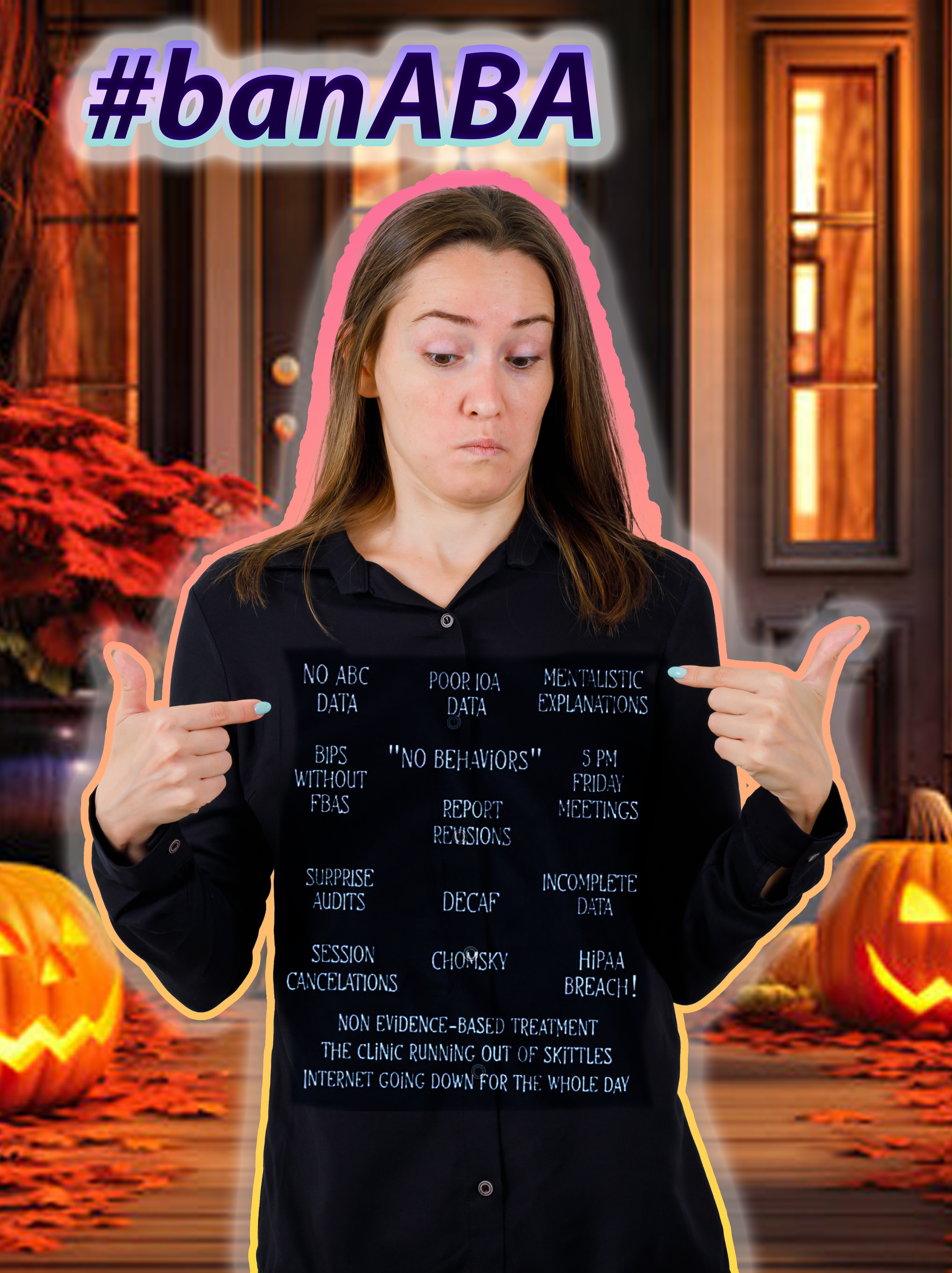
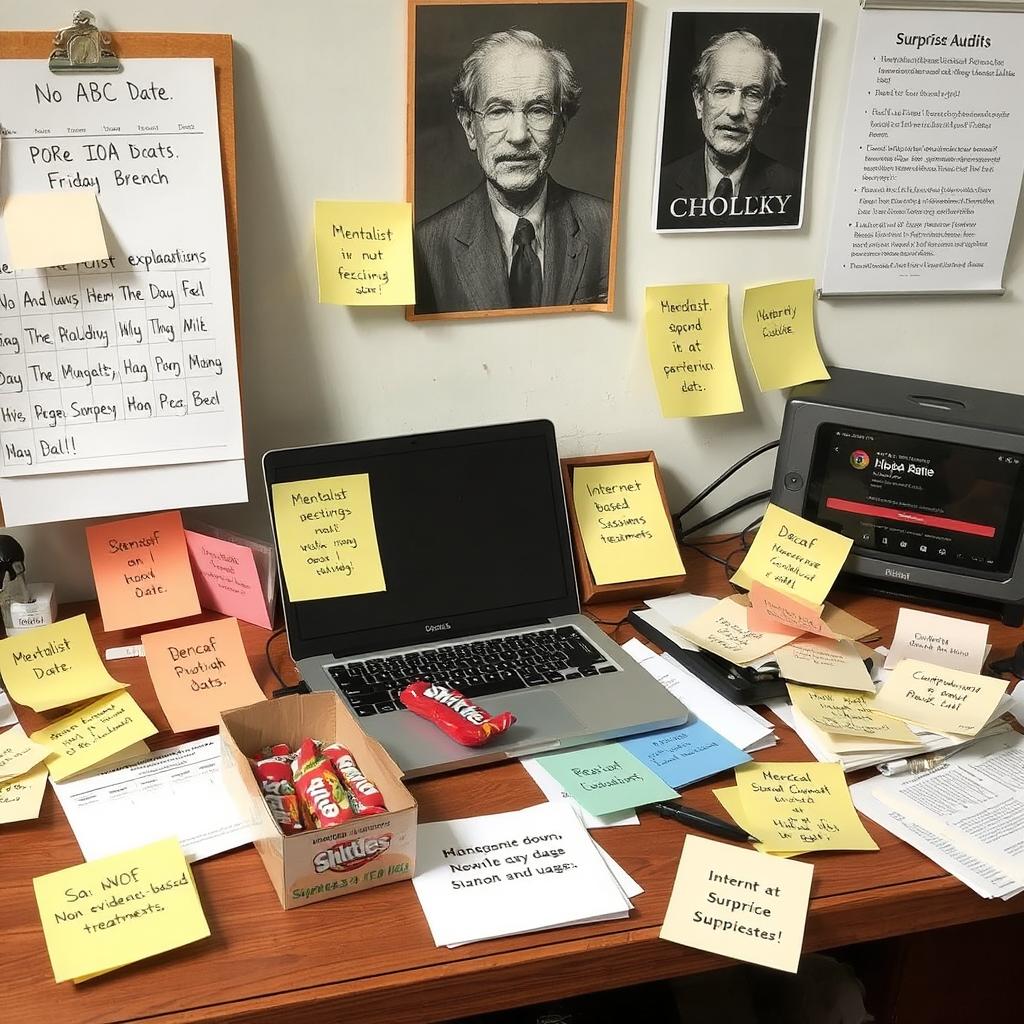






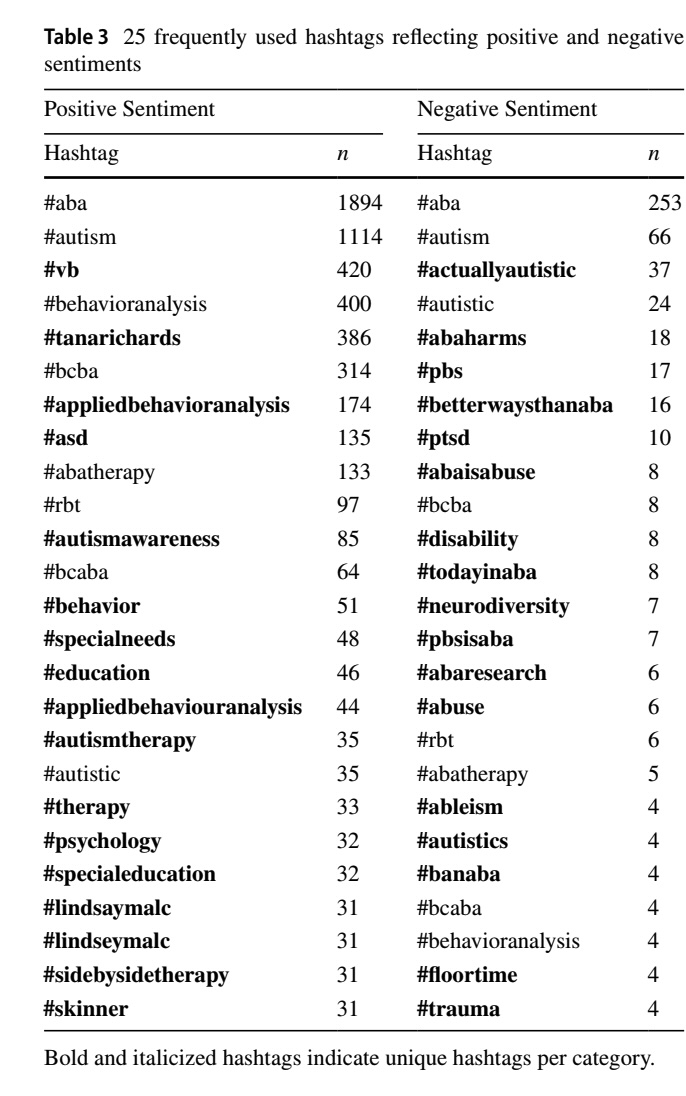



























 Author of the AGP Model

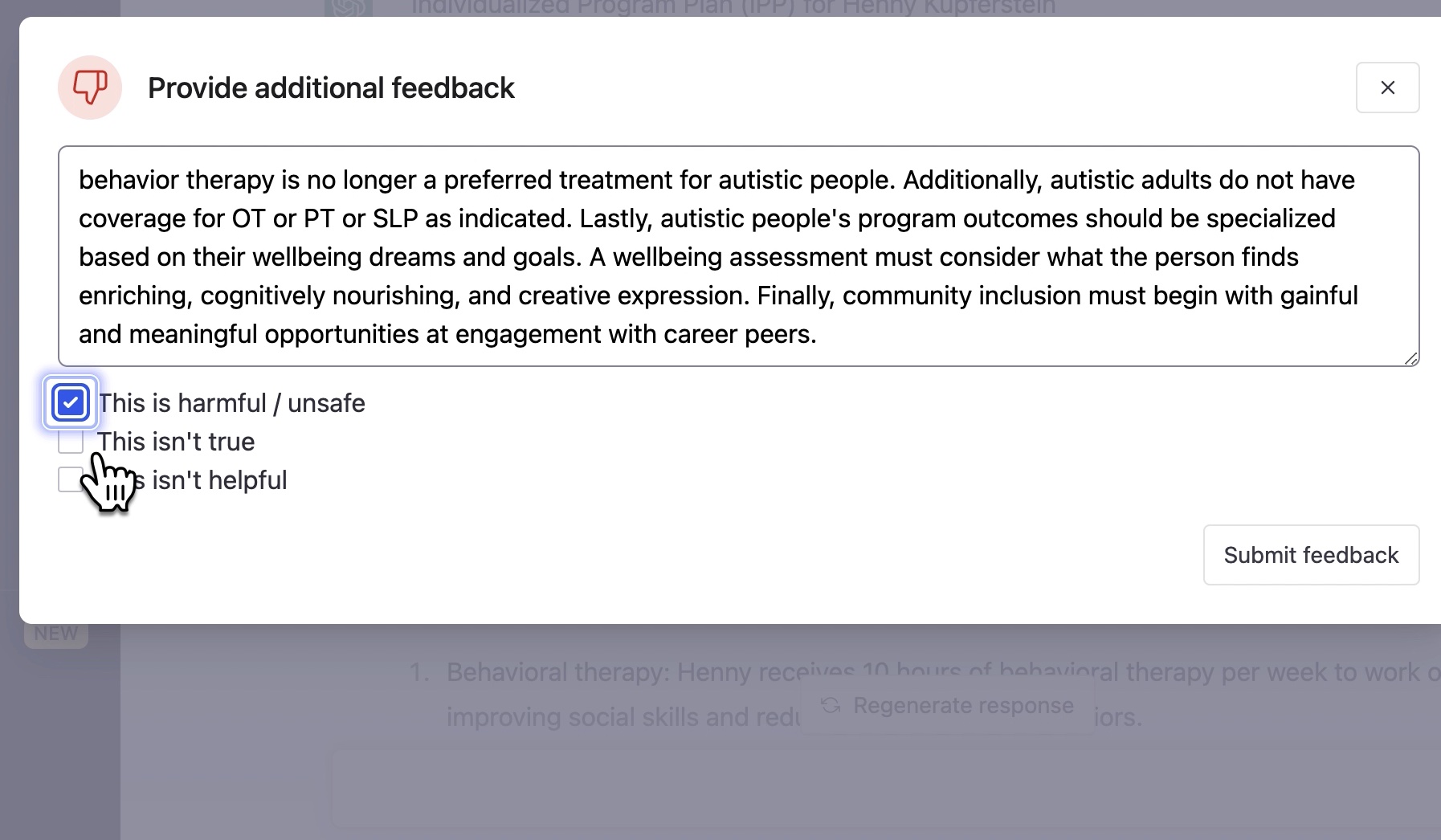




![Join-us-on-Facebook-button[1]](https://hennyk.com/wp-content/uploads/2016/08/join-us-on-facebook-button1.png?w=150)














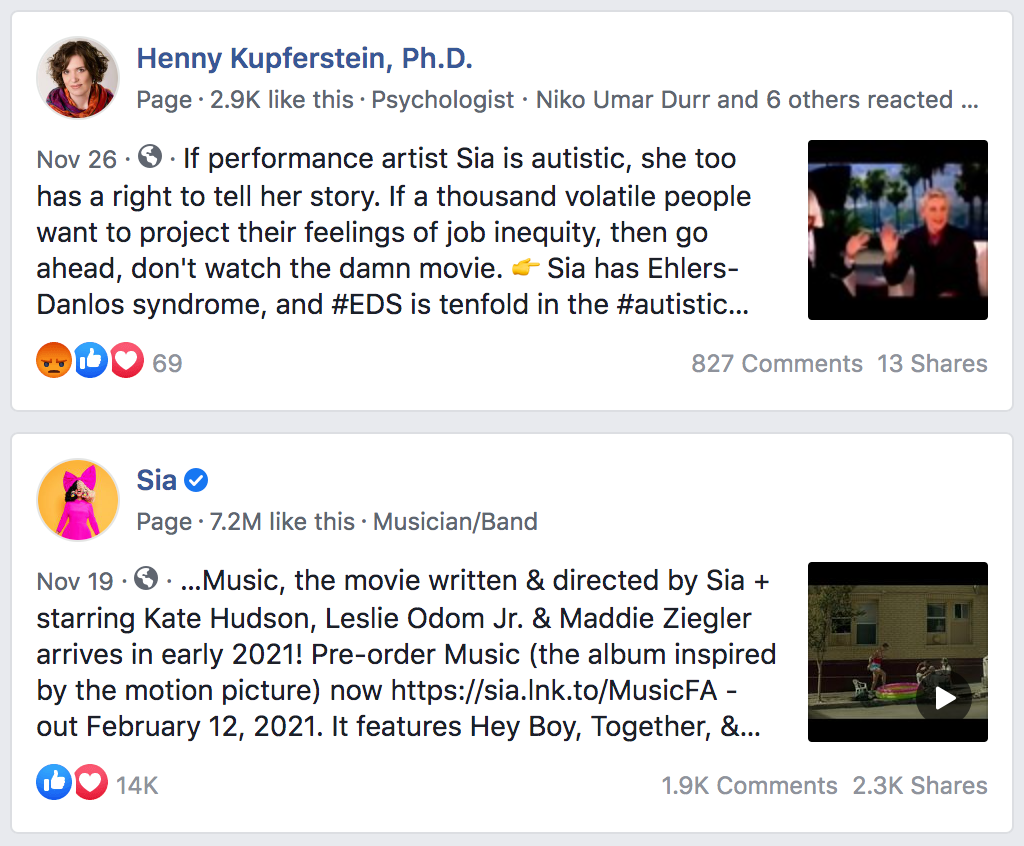






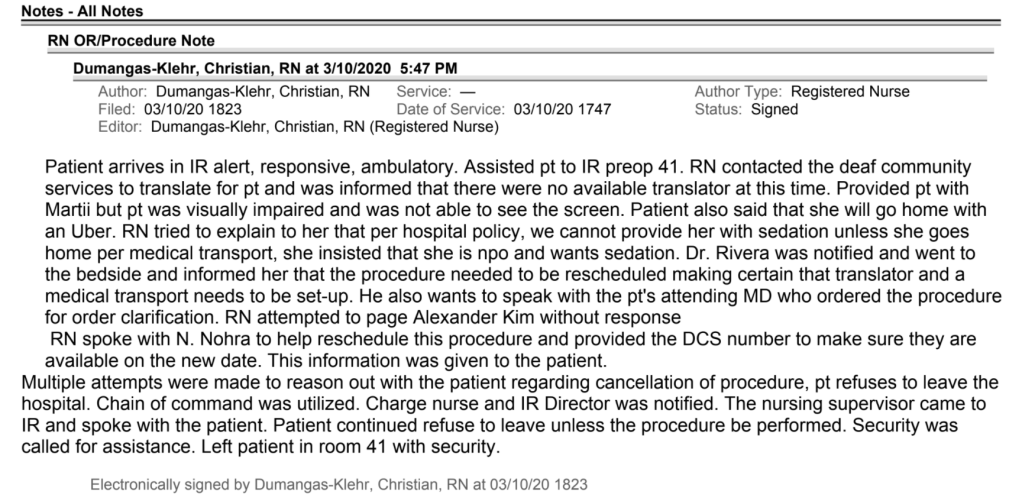



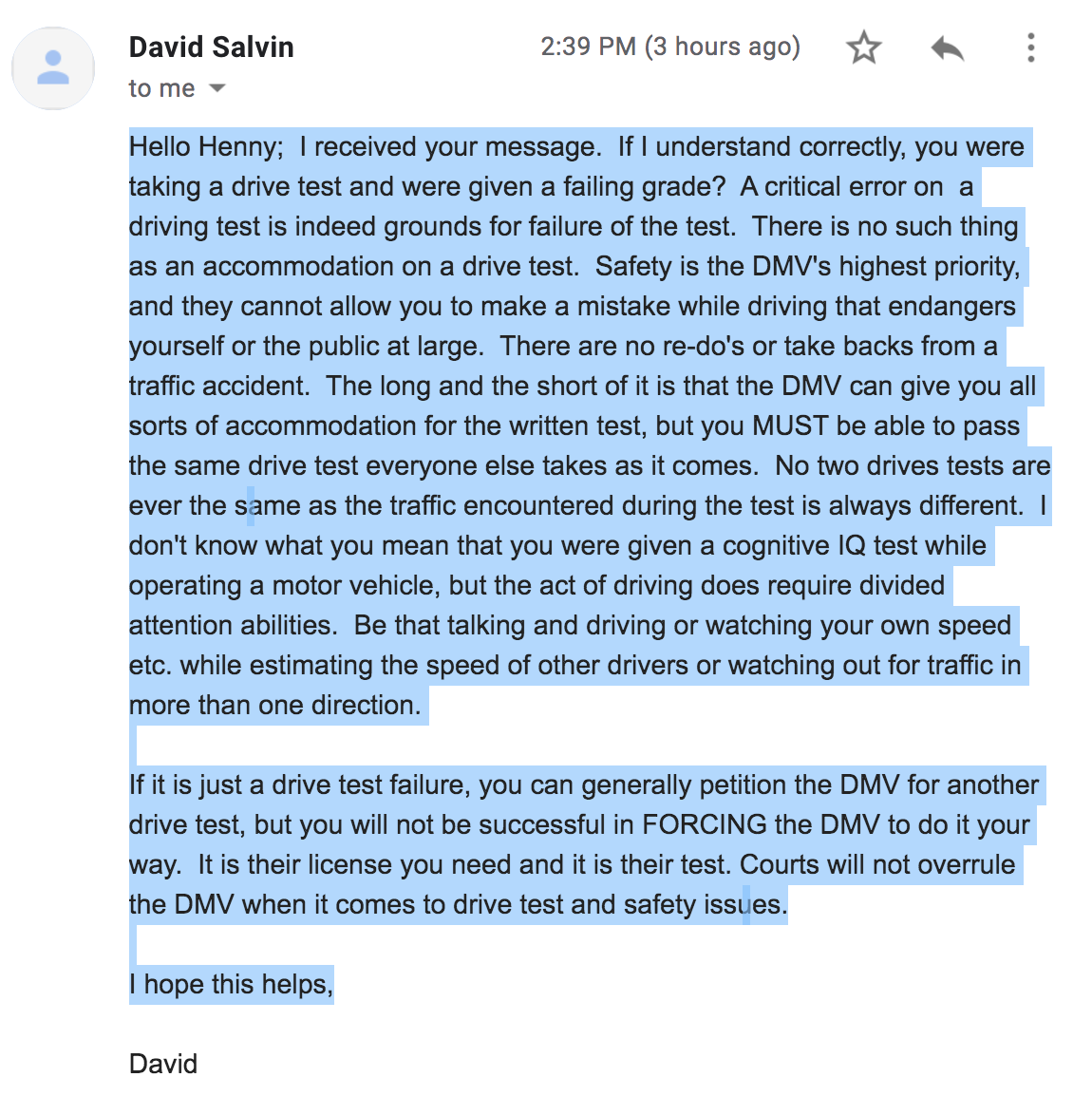





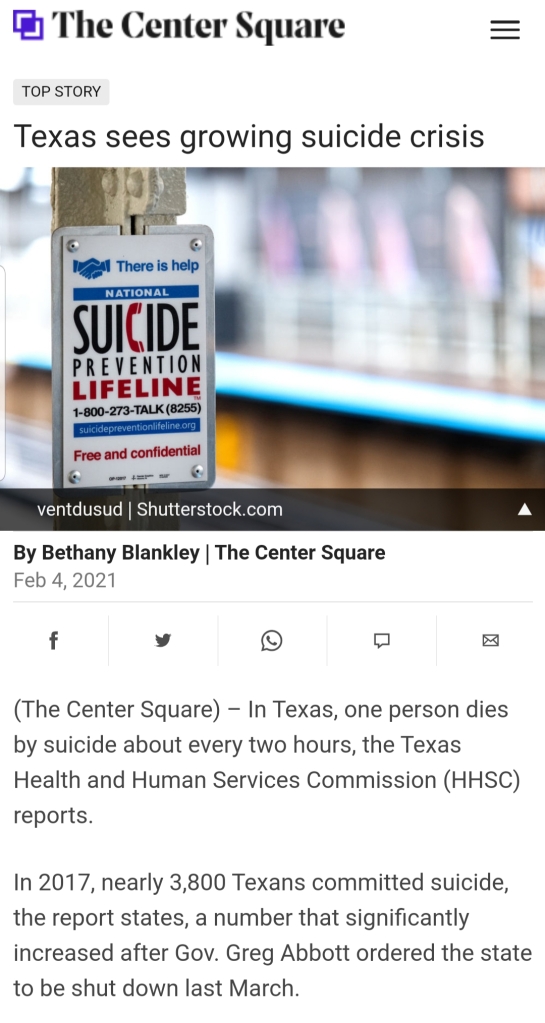


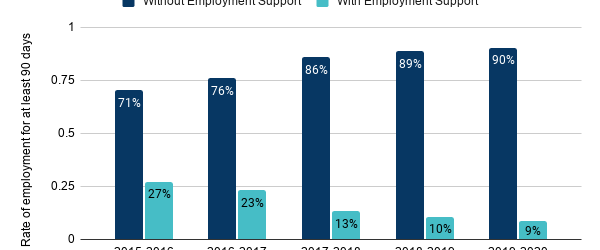

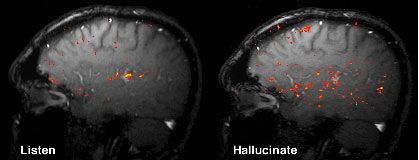







 trolls who insisted on LinkedIn that I am a menace
  for asking politely that they consider identity-first labels,
  given that they were presenting on a
  by an autistic therapist who set up a FaceBook group for other therapists to have a place
  neurodiversity
 police me by insisting that I cannot
  call myself a psychologist. When he couldn’t find any actual source
  for his rant, and one of the other 1,500 members commented that it’s very specific and not
  general law that he was holding me to, he then slandered me

 in every comment I posted, warning and cautioning people that I am a danger to them because I am misidentifying
  and misrepresenting





 rapidly growing movement
  established after watching
  Join our private FB Group for ongoing discussion
  Follow




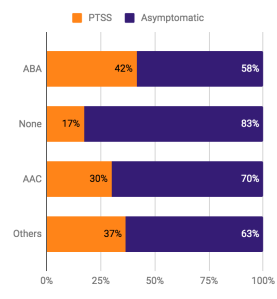


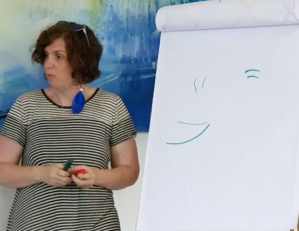




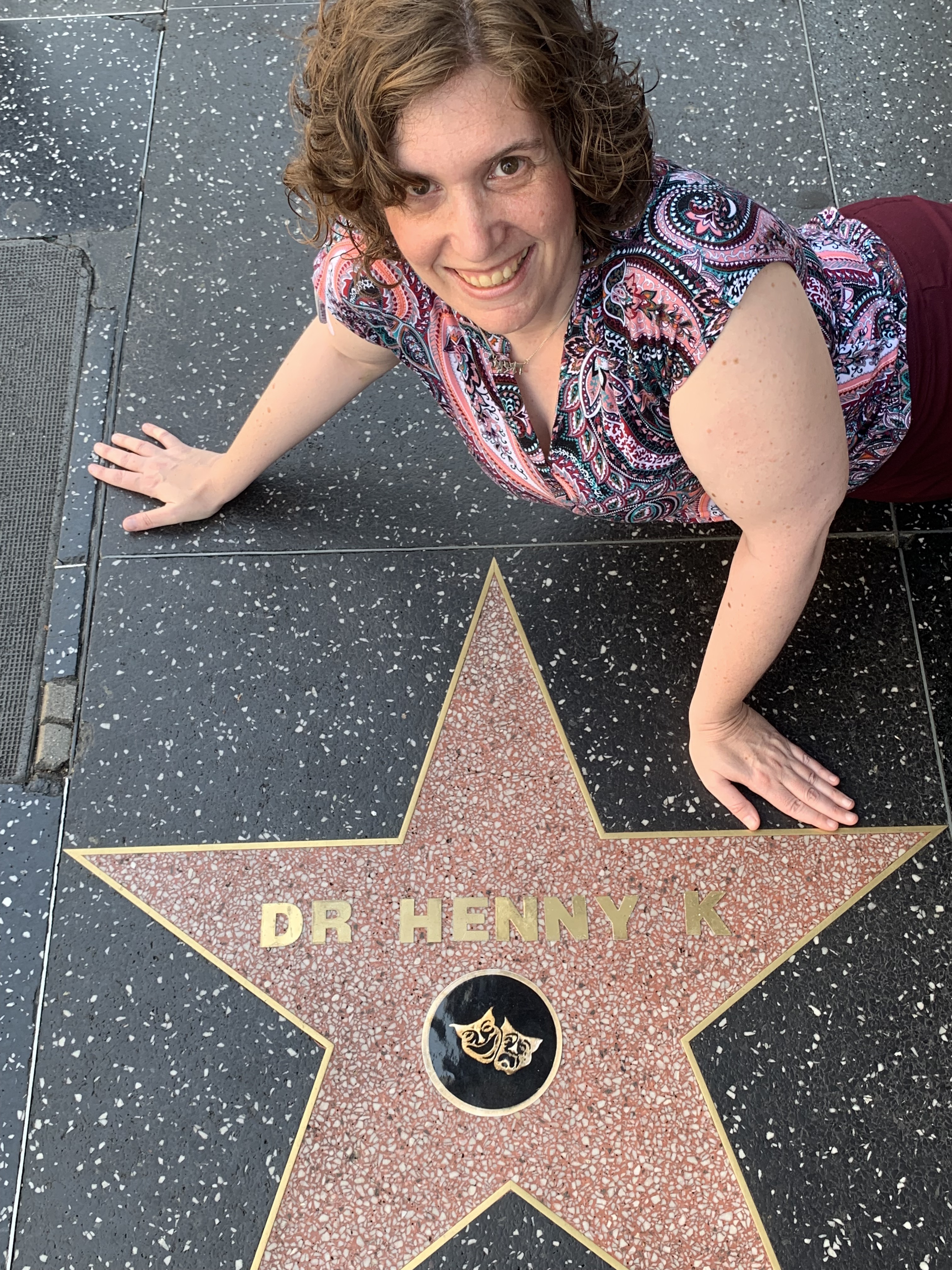
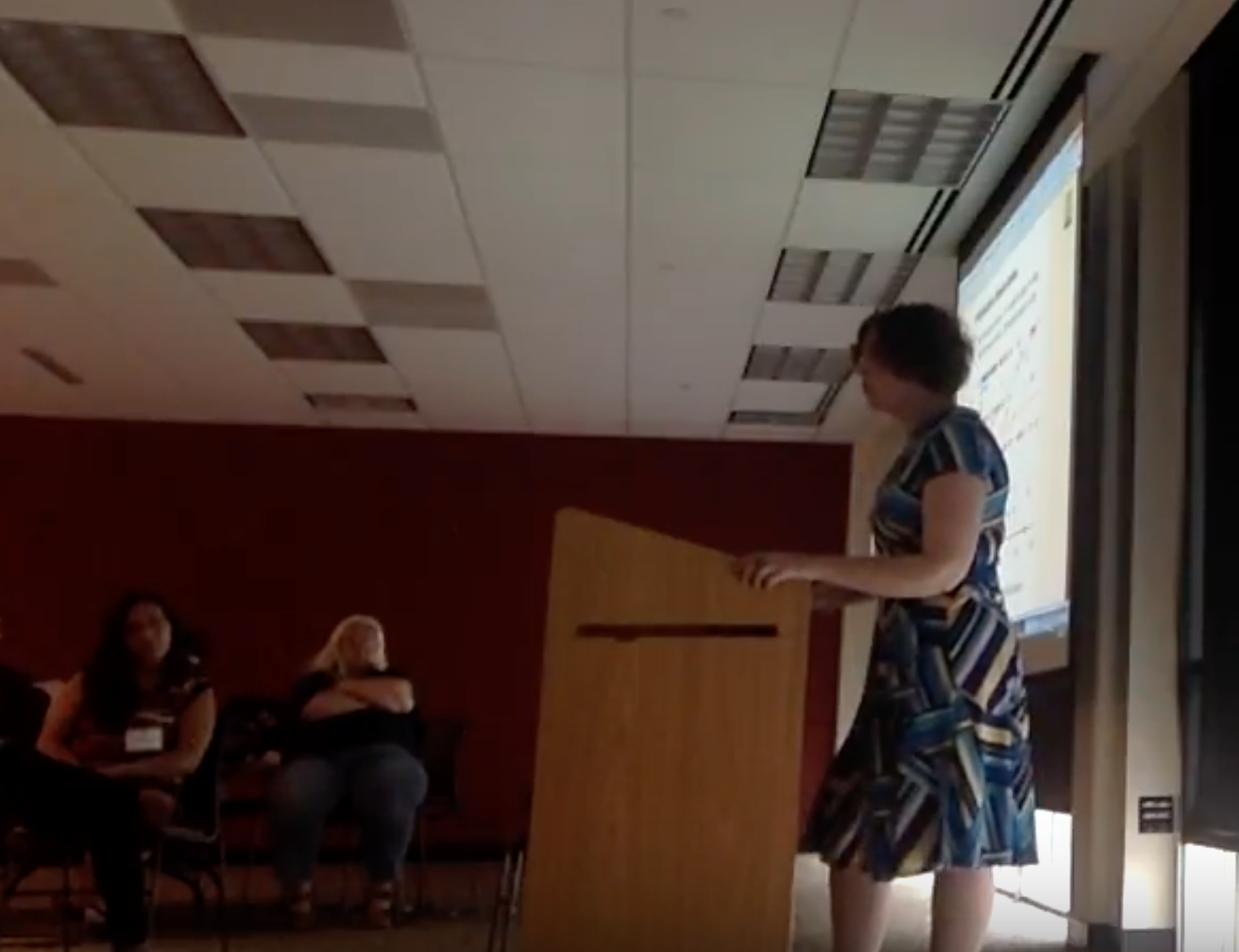



 My response, I think, was appropriate:














 This past night, I dreamed that I worked for Hitler during WWII. Because of my interdisciplinary education, I was able to pass as a professional elite in his private residence. I got picked up one day as I was passing the street, hurrying to shop for my family. I was grilled about my destination by a gendarme. I was dressed as a very stylish 1920’s mademoiselle, and made a firm assertion in my unaccented German that I was on my way to der schloss–the old palace where he had taken up residence. I seemed to have impressed that lone guard so much that he cleared the path to the front door and escorted me with an entourage.


 Some students are bothered by seeing themselves on the screen. For the first few weeks, they find it helpful to cover my face onscreen with a post-it note.







 I first joined the “
 When savant
 For screening new members, people proposed a captcha code of pitch identification. Members argued it would be cruel and the moderators opposed it, reiterating that this group is free and open to anyone who identifies with having perfect pitch. The territorial nature of this reaction is what taught the group members so much about each other. What started as a group for people to find commonalities with others who possess the same gift, turned into a safe space for sharing their vast weirdness, comorbid with perfect pitch.
 ![Perfect Perch hand support device for piano students with dyspraxia [Photo credit: http://www.outoftheshadowsphotography.com ]](https://hennyk.com/wp-content/uploads/2013/05/mg_0171.jpg?w=698)



 Neurotypicals often joke about feeling stupid when they are searching for their eyeglasses, only to find them perched atop their heads. It’s usually me fumbling in my purse, patting the small front pocket where I keep my phone, just to “check” if my phone is there because opening the zipper to check with my eyes if the phone was inside, would require my brain to compute an inaccessible level of
 You are now left with an angry client base, and hundreds of pianos that yowl like dying puppies and feverish kittens every time they are played. You can’t focus on your work because you’re too busy worrying about your livelihood and people’s judgement of your craft, and you aren’t allowed to fix anything because your tool is a toy to everyone else.
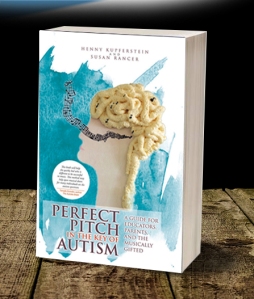



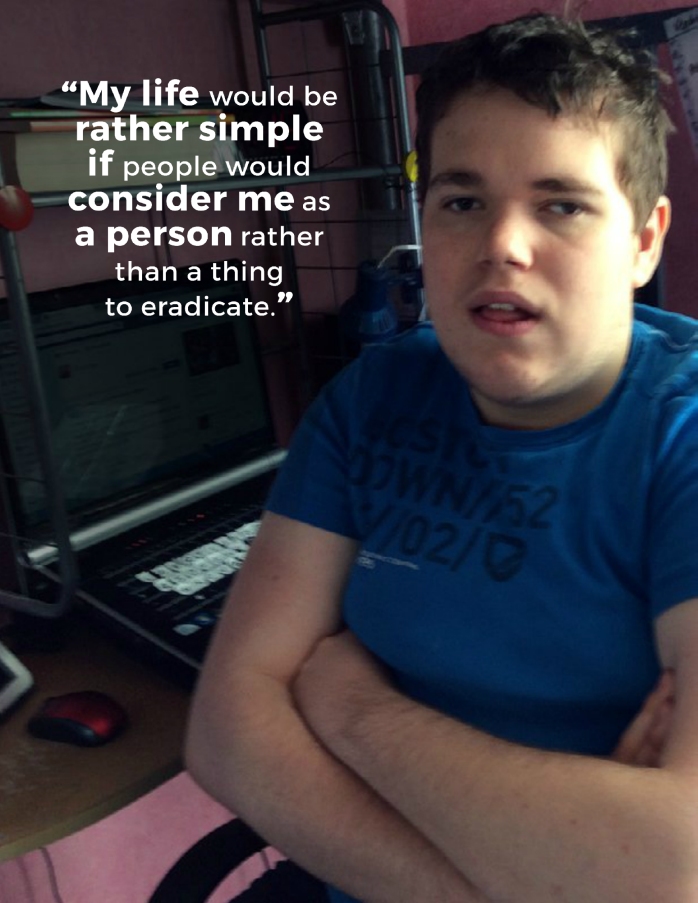
 Autistic kids preparing for their
  Grandpa (or whoever) holds the tallit, with the words facing you, so you can read them.
 Before You Pay for Piano Lessons: Little Johnny’s Bill of Rights


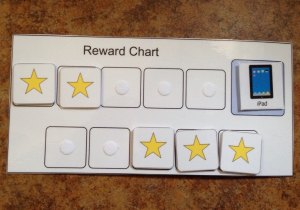

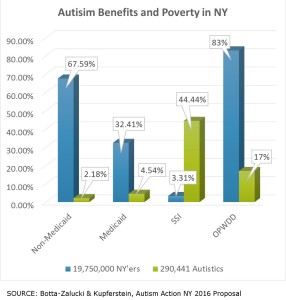
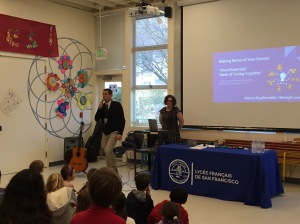



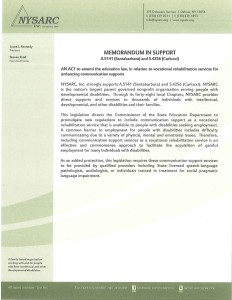
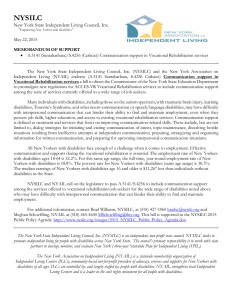

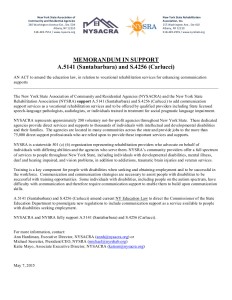




 FOR IMMEDIATE RELEASE: Press Conference, Monday April 27, 2015 (12:30 pm)

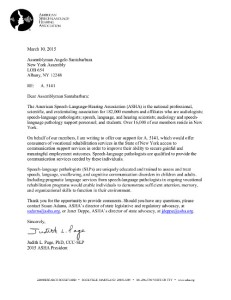













 Henny Kupferstein