An Unorthodox Life: Radio interview with NPR KQED, April 25, 2017

This 30-minute episode aired through KQED to NPR two years in a row. Three years later, people still write to me about smilier stories and sharing good wishes.

Direct link: An Unorthodox Life: Radio interview with NPR KQED, April 25, 2017 (click the red play button)

Transcript

An Unorthodox Life

LISTEN

33 min

 (Deborah Svoboda/KQED)

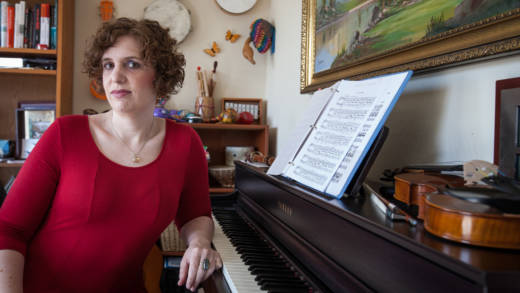
Henny Kupferstein grew up in the Belz sect of ultra-orthodox, Hasidic Jews in Borough Park, Brooklyn. From early childhood, she felt like a misfit. After getting married to a virtual stranger at age 18, Henny began secretly rebelling against the confines of her sect. When she was 34, a startling diagnosis would lead her on a dramatic path away from the Belz and everyone she knew, including her four children.

You can read about Henny’s work with autistic kids and her book, Perfect Pitch in the Key of Autismon her website.

Music for this episode was composed by Nicholas DePrey, Chris Colin, Seth Samuel, and Henny Kupferstein.

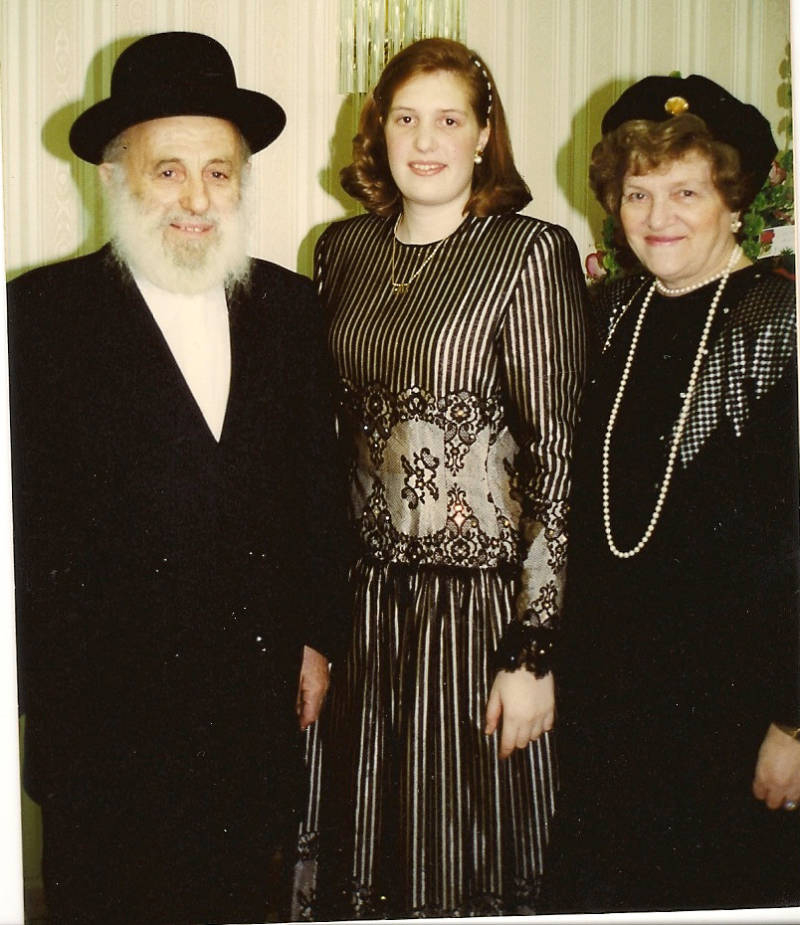
Henny Kupferstein, age 18, with her paternal grandparents on her engagement day.
Henny Kupferstein, age 18, with her paternal grandparents on the day of her engagement. (Henny Kupferstein/KQED)
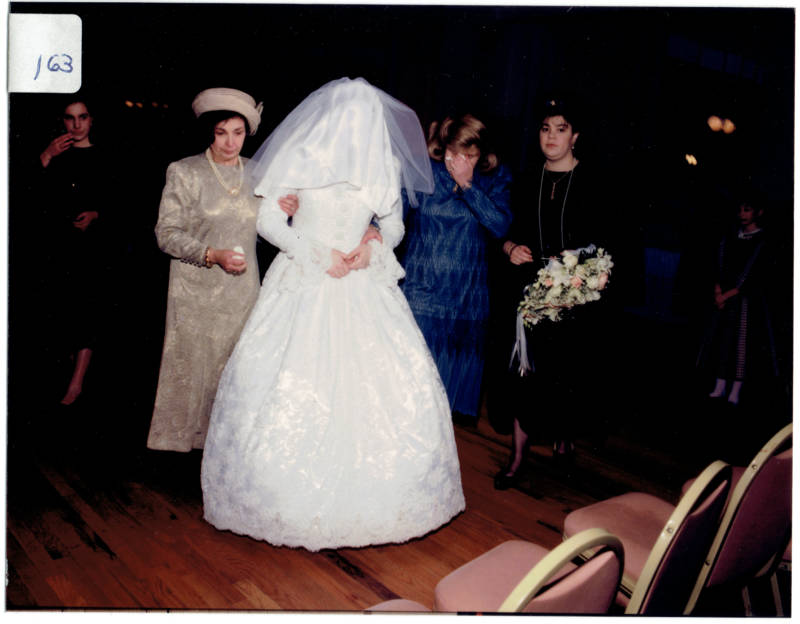
Henny Kupferstein concealed by her veil on her wedding day.
Henny Kupferstein concealed by her veil on her wedding day. (Henny Kupferstein/KQED)
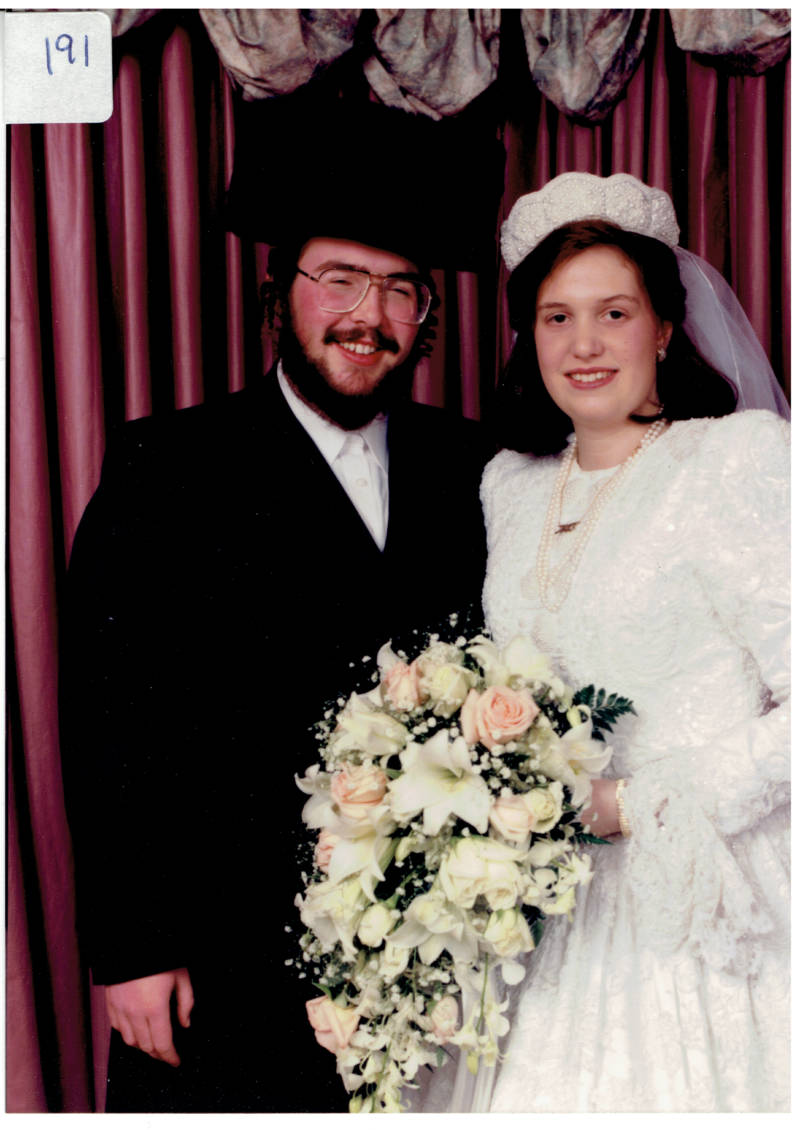
Henny and her husband on their wedding day.
Henny and her husband on their wedding day. (Henny Kupferstein/KQED)
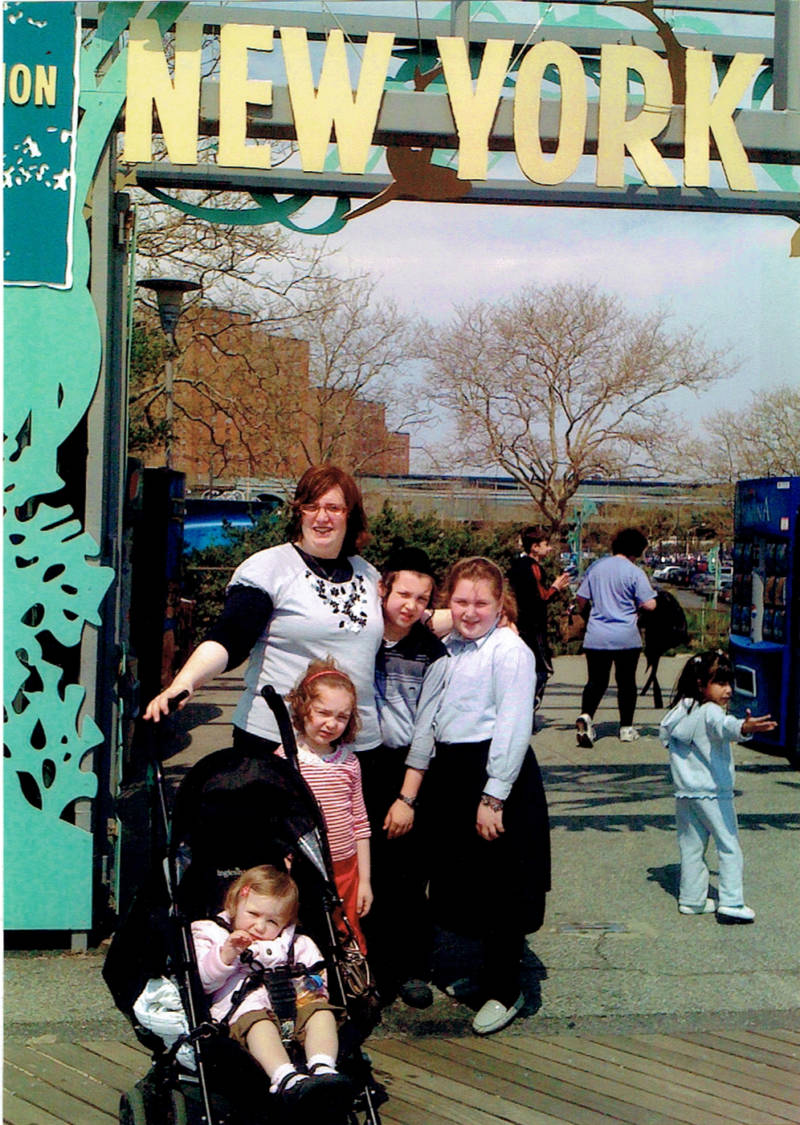
Henny Kupferstein and her four children in front of the New York Aquarium seven years ago, on the last day that she saw them. Her children were 12, 10, 5 and 15 months at the time.
Henny Kupferstein and her four children in front of the New York Aquarium seven years ago, on the last day that she saw them. Her children were 12, 10, 5 and 15 months at the time. (Henny Kupferstein/KQED)
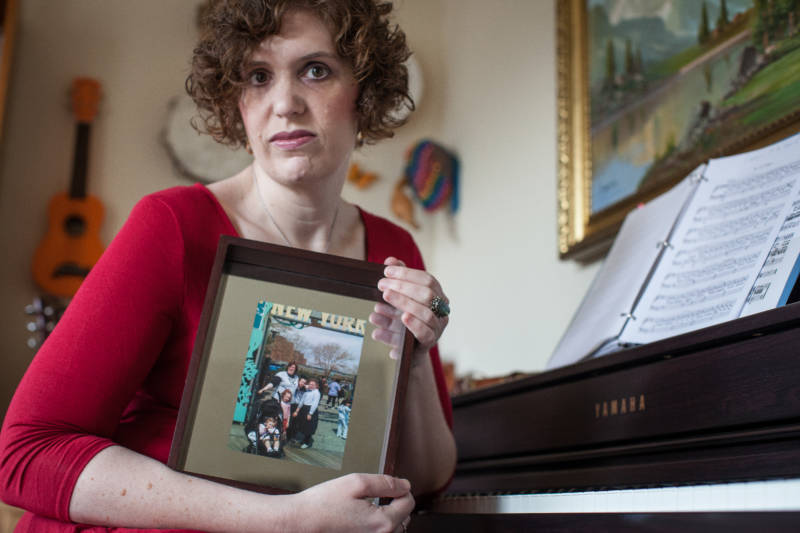
Henny Kupferstein holding a picture of her and her four children in front of the New York Aquarium on the last day she saw them. (Deborah Svoboda/KQED)

Teaching piano student to stim as overwhelm prevention

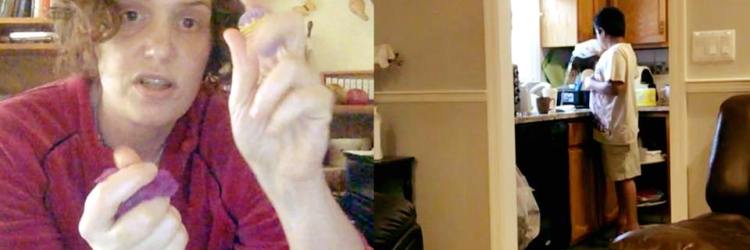
me showing off my stim toys while student learned to use his sensory need as a overwhelm-preventative instead of a crash-erase.

Me showing off my stim toys while student learned to use his sensory need as a overwhelm-preventative instead of a crash-erase.

Two nonverbal preteens played the piano yesterday. They are my tough fighters, but also spell using RPM (Rapid Prompting Method) letterboards. They frequently type their complaints about their brain-body disconnect and how embarrassing it is that they can’t show through their fingers that they know the music.

Me: “Who else sees your body like this? In what other situation?” WHEN IM OVERWHELMED

“Do you know the difference between physical, emotional, and sensory overwhelm?” NO

And then the Henny-lecture began:

“Play one line, and then go back to the sink and play with the water. That’s what your body needs in order to erase the overwhelm. I don’t want you to wait until your body crashes and then you look like a person who is embaressed of yourself. Go back to the sink to prevent overwhelm. Do we have a deal?” YES
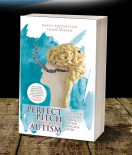
Perfect Pitch in the Key of Autism A Guide for Educators, Parents and the Musically Gifted

READ: Perfect Pitch in the Key of Autism
A Guide for Educators, Parents and the Musically Gifted

He then played three lines instead of 1, went to the sink. Returned. Played two more lines. Sink. Returned. Thanked me….

I teach awareness of self, so they can make choices. With other autism interventions (such as ABA), they are conditioned to be so prompt dependent, they they lose touch with internal functions. They forget to read their own body signals. In my work teaching piano to nonverbal and autistic students, I undo that damage. Each time they stim, I announce like a translator “you just did that with your fingers near your eyes because you wanted to erase the work of reading treble and bass clef together for the first time”.

As an autistic person, I live inside their sensory experience and can read them instantly. By offering these nuggets, they can learn to connect what they do with why they do it. Eventually, they can reach for those stims as preventative tools. For a list of stimming ideas, see my resources page.