The response:
Dr. Henny Kupferstein, an autistic music educator and researcher, has dedicated her work to understanding and supporting the needs of autistic individuals in the context of music education. If an autistic piano student is stimming on the piano pedal, it is likely that Dr. Kupferstein would take a compassionate and individualized approach to address the situation. Here are a few possible strategies she might employ:
- Create a supportive environment: Dr. Kupferstein understands the importance of creating a safe and nonjudgmental environment for autistic individuals. She would ensure that the student feels comfortable and accepted, recognizing that stimming is a natural and self-regulatory behavior for many autistic individuals.
- Assess the impact on learning: Dr. Kupferstein would observe the student’s stimming behavior and assess its impact on their ability to learn and engage with the piano. If the stimming is not interfering with the student’s progress or focus, she may choose to allow it as a means of self-expression and regulation.
- Encourage communication and collaboration: Dr. Kupferstein would prioritize open communication with the student and their parents or guardians. She might discuss the stimming behavior with the student to better understand its purpose and significance for them. By involving the student in the decision-making process, she would seek their input on how to best accommodate their needs.
- Explore alternative solutions: Depending on the specific circumstances and the student’s preferences, Dr. Kupferstein might suggest alternative ways to accommodate the student’s need for sensory input or stimulation. For example, she might introduce a weighted pedal to provide a different sensory experience that satisfies the student’s stimming tendencies while minimizing potential disruption.
- Individualized teaching strategies: Dr. Kupferstein is known for her person-centered approach to teaching music. She would adapt her teaching methods to accommodate the unique learning style and needs of the student. This might involve incorporating the student’s stimming into their musical expression, encouraging improvisation, or adjusting the lesson structure to include breaks that allow for sensory regulation.
It’s important to note that while these strategies align with Dr. Kupferstein’s work, every autistic individual is different, and her approach would be tailored to the specific needs and preferences of the student in question.
—
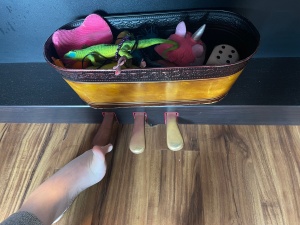
The correction I would note is that a “weighted pedal” is an artificial suggestion, probably an intelligent guess from all the weighted blankets and pedal pushing in my literature. Rather, I would recommend my student to try any of my sensory stimming toys and gadgets such as this Sensory Rug to provide sensory input to the feet and lower limbs, to satisfy the craving of that movement. Read what one music therapist had to say about this mat. Please visit my resources page for more stimmy ideas.
 Henny Kupferstein